
Neuroplasticity, also known as brain plasticity, refers to the brain’s remarkable ability to reorganize itself by forming new neural connections throughout life. It is not a fixed, immutable organ but rather a dynamic entity constantly adapting in response to experiences, learning, and environmental changes. This inherent capacity allows you to learn new skills, recover from brain injuries, and adapt to novel situations. Understanding neuroplasticity is crucial because it empowers you to actively participate in shaping your own cognitive landscape, ultimately influencing your mental well-being and capabilities. You are not passively observing your brain; you are an active participant in its ongoing construction and reconstruction.
The Foundations of Neuroplasticity
To grasp how you can utilize neuroplasticity, it’s essential to understand its fundamental mechanisms. Your brain is composed of billions of neurons, which communicate with each other via electrochemical signals at specialized junctions called synapses.
Synaptic Plasticity
Synaptic plasticity is a cornerstone of neuroplasticity. It refers to the ability of synapses to strengthen or weaken over time in response to increased or decreased activity. This process is often summarized by the adage “neurons that fire together, wire together.” When you engage in a particular thought or action repeatedly, the connections between the neurons involved become stronger and more efficient. Conversely, unused connections can weaken and even be pruned away, a process known as synaptic pruning, which optimizes your brain’s efficiency.
Neurogenesis
While once believed to be limited to early development, evidence now indicates that neurogenesis, the birth of new neurons, occurs in specific regions of your adult brain, primarily the hippocampus. This region is vital for learning and memory. Engaging in certain activities, such as physical exercise and learning, has been shown to stimulate neurogenesis, suggesting a pathway for you to directly contribute to the creation of new neural pathways.
Functional and Structural Plasticity
Neuroplasticity manifests in two primary forms: functional and structural. Functional plasticity refers to your brain’s ability to shift functions from a damaged area to an undamaged area. For example, if you experience a stroke affecting a language center, your brain may, over time, recruit other areas to compensate for the lost function. Structural plasticity, on the other hand, involves changes in the brain’s physical structure, such as alterations in the thickness of the cerebral cortex or the density of gray matter. These structural changes are often a direct result of learning and experience, literally sculpting your brain’s architecture.
Consider your brain not as a finished blueprint, but as a constantly evolving city. New roads (neural pathways) are built, old ones are widened or paved over, and some unused ones are simply abandoned. This continuous construction and deconstruction highlight the dynamic nature of your neurological infrastructure. This dynamic system is not simply responding to external stimuli; it is actively shaping itself based on your internal experiences, thoughts, and actions. You are the architect, and your daily habits are the construction tools.
The Critical Role of Experience and Learning
Every interaction you have, every skill you acquire, and every piece of information you digest contributes to the ongoing remodeling of your brain. Your brain is a learning machine, and it is optimized for adaptation.
Skill Acquisition
When you learn a new skill, whether it’s playing a musical instrument, speaking a new language, or mastering a complex software program, you are actively fostering neuroplastic changes. Initially, the process may feel challenging and inefficient. However, with consistent practice, the neural networks associated with that skill become stronger and more refined. This is why repetition and deliberate practice are so effective; they are the equivalent of repeatedly driving on a dirt road until it becomes a well-paved highway.
Environmental Enrichment
Your environment plays a significant role in fostering neuroplasticity. Enriched environments, characterized by novel experiences, opportunities for learning, and social interaction, have been shown to promote neurogenesis and synaptic strengthening. Conversely, impoverished environments can hinder these processes. Therefore, actively seeking out stimulating and diverse experiences can directly contribute to maintaining and enhancing your brain’s plasticity. Think of it as providing your brain with a rich and varied diet of experiences.
The Impact of Attention and Focus
Attention is a gatekeeper for neuroplasticity. When you direct your attention to a particular task or piece of information, you are signaling to your brain that this input is important. This focused attention strengthens the synapses involved in processing that information, making it more likely to be retained and integrated into your existing neural networks. Conversely, a lack of attention can lead to weaker connections and reduced learning. Your focus determines where your brain’s resources are allocated for growth.
Recent advancements in brain rewiring techniques have opened up new avenues for personal development and mental health improvement. For a deeper understanding of these techniques and their applications, you can explore a related article that discusses various methods and their effectiveness. To learn more, visit this article for insights and practical tips on how to harness the power of brain rewiring.
Techniques for Intentional Brain Rewiring
You have the power to consciously influence your brain’s structure and function. By engaging in specific practices, you can direct its plasticity towards desired outcomes, such as improving cognitive abilities, developing new habits, or mitigating the effects of stress.
Mindfulness and Meditation
Mindfulness, the practice of being present and aware of your thoughts and feelings without judgment, has been extensively studied for its impact on neuroplasticity. Regular meditation practice has been shown to induce structural changes in your brain.
Increased Gray Matter Density
Studies have indicated that individuals who consistently engage in mindfulness meditation can experience an increase in gray matter density in regions associated with attention, emotional regulation, and self-awareness, such as the prefrontal cortex and the insula. This suggests that meditation can literally reshape the areas of your brain responsible for executive functions and emotional intelligence.
Reduced Amygdala Activity
The amygdala is your brain’s primary fear center. Chronic stress and anxiety can lead to an overactive amygdala. Mindfulness meditation has been shown to reduce amygdala activity and strengthen its connections with the prefrontal cortex, which is involved in top-down emotional regulation. This effectively allows your rational mind to exert more control over your emotional responses, fostering greater resilience. You become less reactive and more responsive.
Enhanced Cortical Thickness
Long-term meditators often exhibit increased cortical thickness in areas crucial for attention and sensory processing. This indicates that their brains are becoming more efficient at filtering distractions and maintaining focus, leading to improved cognitive control.
Targeted Learning and Skill Development
Just as you exert yourself physically to build muscle, you must exert yourself mentally to build new neural pathways. Deliberately engaging in challenging learning experiences is a potent stimulant for neuroplasticity.
Learning a New Language
The process of acquiring a new language is a complex cognitive undertaking that activates numerous brain regions involved in memory, attention, problem-solving, and auditory processing. Research shows that bilingual individuals often exhibit enhanced cognitive flexibility and better executive function due to the constant toggling between languages. Learning a new language is not just about communication; it’s a comprehensive brain workout.
Playing Musical Instruments
Musical training is another powerful tool for fostering neuroplasticity. It demands fine motor coordination, auditory processing, pattern recognition, and emotional expression. Studies have shown that musicians often have increased gray matter volume in areas related to motor control, auditory processing, and visual-spatial skills. The intricate coordination required actively sculpts your brain.
Acquiring Complex Hobbies
Engaging in hobbies that require sustained cognitive effort, such as chess, coding, or learning a new craft, can significantly contribute to neuroplasticity. These activities necessitate problem-solving, strategic thinking, and the acquisition of new motor skills, all of which stimulate the formation and strengthening of new neural connections. The more complex the hobby, the more comprehensive the brain training.
Physical Exercise
While often associated with physical health, exercise has profound effects on your brain, acting as a powerful catalyst for neuroplasticity. It’s not just about strong muscles; it’s about a strong, adaptable brain.
Increased Brain-Derived Neurotrophic Factor (BDNF)
BDNF is a protein often referred to as “Miracle-Gro” for the brain. It promotes the growth and survival of neurons and synapses. Physical activity, particularly aerobic exercise, has been shown to significantly increase BDNF levels in your brain, leading to enhanced neurogenesis and synaptic plasticity. This means exercise literally helps your brain grow and connect.
Enhanced Neurogenesis in the Hippocampus
As mentioned earlier, the hippocampus is crucial for memory and learning. Aerobic exercise has been consistently linked to increased neurogenesis in this region. This suggests that regular physical activity can directly improve your ability to form new memories and learn new information.
Improved Cerebral Blood Flow
Exercise increases blood flow to your brain, delivering vital oxygen and nutrients. This improved circulation supports overall brain health and provides the necessary resources for neuroplastic processes to occur efficiently. Think of it as ensuring your brain has a constant, robust supply of building materials.
Nutrition and Brain Health
Your diet is not just fueling your body; it’s directly impacting your brain’s ability to maintain and enhance its plasticity. The nutrients you consume provide the building blocks and energy for all brain functions, including neuroplasticity.
Omega-3 Fatty Acids
Omega-3 fatty acids, particularly DHA (docosahexaenoic acid), are crucial components of brain cell membranes. They play a vital role in synaptic function and communication. Incorporating foods rich in omega-3s, such as fatty fish, flaxseeds, and walnuts, can support the structural integrity and plasticity of your brain.
Antioxidants
Your brain is particularly susceptible to oxidative stress. Antioxidants, found in fruits, vegetables, and certain spices (e.g., turmeric), help to combat this damage, protecting your neurons and supporting their optimal function. A healthy brain environment is critical for robust neuroplasticity.
B Vitamins
B vitamins, especially B6, B9 (folate), and B12, are essential for various neurological processes, including neurotransmitter synthesis and myelin formation, which insulates nerve fibers for efficient signal transmission. Deficiencies in these vitamins can impair cognitive function and hinder neuroplasticity.
Breaking Bad Habits and Building New Ones
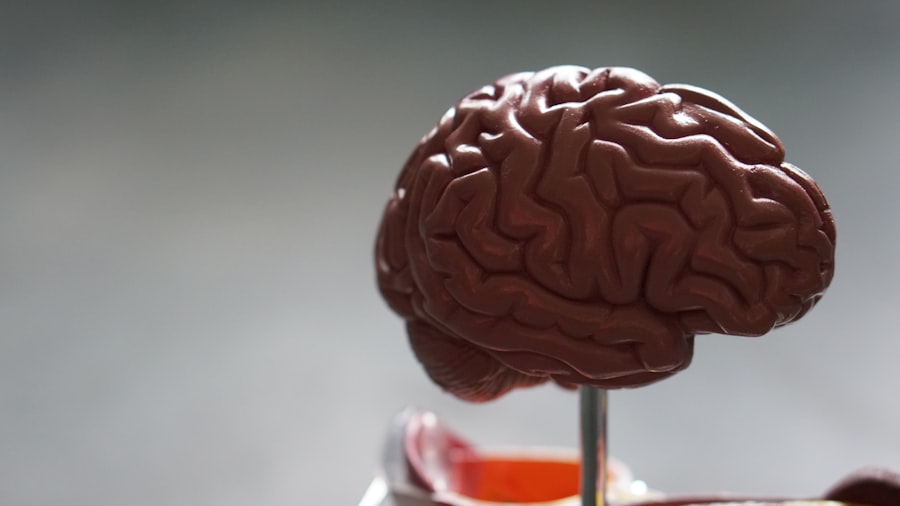
Neuroplasticity is a double-edged sword. While it allows you to learn and adapt positively, it also explains how you can become entrenched in unhelpful patterns of thought and behavior. The good news is that you can leverage the same mechanisms to break free from these detrimental patterns.
The Neural Pathways of Habit Formation
When you repeatedly engage in a particular behavior, a neural pathway associated with that behavior becomes stronger and more efficient. This is why habits, both good and bad, become automatic. Your brain tries to conserve energy by automating frequently repeated actions. These pathways are like deeply worn grooves in a record; your brain tends to follow them by default.
Conscious Intervention
Breaking a bad habit requires conscious intervention. You must actively choose to deviate from the established neural pathway. This initial effort can feel arduous because you are literally resisting your brain’s default settings. However, with consistent effort, the old pathway weakens, and a new, desired pathway begins to strengthen.
Replacement Strategies
Simply trying to eliminate a bad habit without replacing it with a new, positive one is often ineffective. Your brain abhors a vacuum. Instead, focus on building a new habit that serves the same underlying need or acts as an alternative to the unwanted behavior. For example, if you tend to procrastinate by checking social media, try replacing that impulse with a short burst of work on the difficult task.
Small, Consistent Steps
Neuroplasticity thrives on consistent, incremental change. Don’t try to overhaul all your habits at once. Focus on one or two small, manageable changes and practice them consistently. Each successful repetition strengthens the new neural pathway, making the desired behavior more automatic and effortless over time. You are carving new grooves, one small chisel stroke at a time.
The Importance of Sleep for Brain Rewiring

Sleep is not merely a period of inactivity; it is a critical period for your brain to consolidate learning, process memories, and engage in essential maintenance. Without adequate sleep, your brain’s capacity for neuroplasticity is severely compromised.
Memory Consolidation
During sleep, particularly during slow-wave sleep and REM sleep, your brain actively consolidates the information and experiences of the day. This process involves strengthening and integrating newly formed neural connections into your existing knowledge networks. Without sufficient sleep, new memories are less likely to be firmly embedded, and the efforts you put into learning may be partially undone.
Synaptic Pruning and Reinforcement
Sleep also plays a vital role in synaptic pruning, where weak or unused connections are eliminated, optimizing your brain’s efficiency. Simultaneously, important connections are reinforced, making them more robust. This “housekeeping” function is essential for maintaining a flexible and adaptable brain. Imagine your brain decluttering itself and organizing its archives while you rest.
Restoration and Repair
During sleep, your brain clears out metabolic byproducts that accumulate during waking hours. This restorative process creates an optimal environment for neuroplasticity to occur. Chronic sleep deprivation leads to an accumulation of these waste products, which can impair neural function and hinder your brain’s ability to adapt and learn.
Growth Hormone Release
Deep sleep is associated with the release of growth hormone, which is involved in cellular repair and regeneration throughout your body, including your brain. This contributes to the overall health and vitality of your brain cells, providing the foundation for ongoing neuroplastic changes. Prioritizing sleep is not a luxury; it is a fundamental requirement for a plastic and healthy brain.
In conclusion, your brain is a marvel of adaptability, constantly changing in response to your experiences. By understanding the principles of neuroplasticity, you are equipped with the knowledge to actively engage in its rewiring. Through techniques such as mindfulness, targeted learning, physical exercise, proper nutrition, and adequate sleep, you can cultivate a brain that is more resilient, intelligent, and capable. You are not a passive recipient of your brain’s programming; you are its ongoing programmer and architect, with the power to shape your cognitive landscape for a more fulfilling and adaptable life.
FAQs
What is brain rewiring?
Brain rewiring refers to the process of changing neural pathways in the brain through new experiences, learning, or practice. This concept is based on neuroplasticity, the brain’s ability to adapt and reorganize itself.
How do brain rewiring techniques work?
Brain rewiring techniques work by stimulating the brain to form new connections or strengthen existing ones. This can be achieved through activities such as meditation, cognitive exercises, physical activity, or behavioral changes that promote new patterns of thinking and behavior.
Can brain rewiring improve mental health?
Yes, brain rewiring techniques have been shown to help improve mental health conditions such as anxiety, depression, and PTSD by altering negative thought patterns and promoting healthier neural pathways.
How long does it take to see results from brain rewiring?
The time required to see results varies depending on the individual and the technique used. Some changes can occur within weeks, while more significant rewiring may take months or longer with consistent practice.
Are brain rewiring techniques safe?
Generally, brain rewiring techniques such as mindfulness, cognitive behavioral therapy, and physical exercise are safe when practiced correctly. However, it is advisable to consult a healthcare professional before starting any new mental health or cognitive training program.