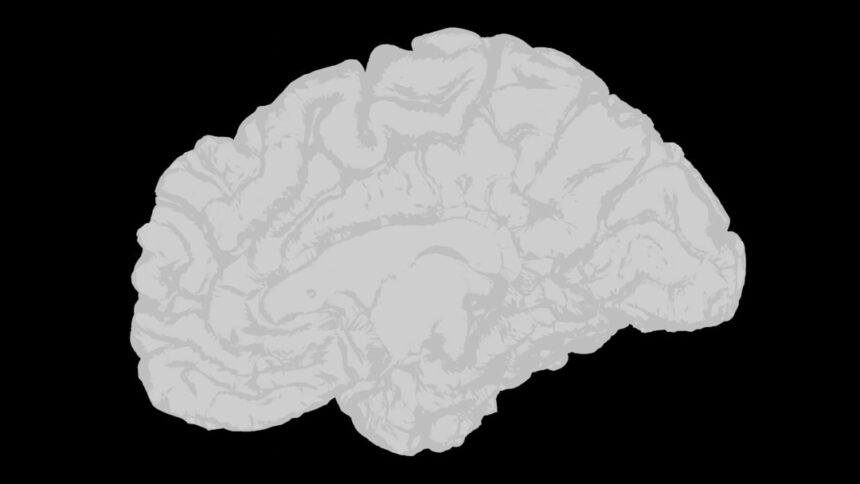
Neuroplasticity refers to the brain’s ability to reorganize itself by forming new neural connections throughout life. Unlike the previously held belief that the brain was a fixed organ, research demonstrates that the brain is dynamic and capable of structural change in response to learning, experience, and injury. When individuals engage in new activities or learn new skills, neural pathways are strengthened and new connections are formed, enhancing cognitive abilities.
This process continues throughout adulthood, enabling people to adapt to new environments and challenges. The mechanisms of neuroplasticity reveal that thoughts and actions can physically alter brain structure. Each time a skill is practiced or a new experience is encountered, neural pathways are reinforced or created, effectively reshaping the brain’s architecture.
This has significant implications for cognitive health and well-being, as it indicates that individuals can influence their brain function and mental capabilities through deliberate practice and sustained engagement with new learning experiences.
Key Takeaways
- Neuroplasticity enables the brain to adapt and reorganize itself throughout life.
- Repetition is crucial for strengthening neural pathways and facilitating brain rewiring.
- Neuroplasticity plays a key role in learning, memory, and recovery from brain injuries.
- It influences habit formation, mental health, chronic pain management, and stroke rehabilitation.
- Practical strategies leveraging neuroplasticity can enhance cognitive function and support therapy.
The Role of Repetition in Rewiring the Brain
Repetition plays a crucial role in the process of neuroplasticity. When you repeatedly engage in a specific task or behavior, your brain strengthens the neural pathways associated with that activity. This is akin to carving a path through a dense forest; the more you walk the same route, the clearer and more defined it becomes.
In your daily life, this means that practicing a skill—whether it’s playing an instrument, learning a language, or even exercising—can lead to significant improvements over time. Moreover, the concept of “use it or lose it” applies here. If you neglect certain skills or activities, the neural connections associated with them may weaken or even disappear.
Therefore, consistent practice is essential for maintaining and enhancing your cognitive abilities. By incorporating repetition into your learning process, you can effectively harness the power of neuroplasticity to achieve your goals and improve your overall brain function.
How Neuroplasticity Affects Learning and Memory
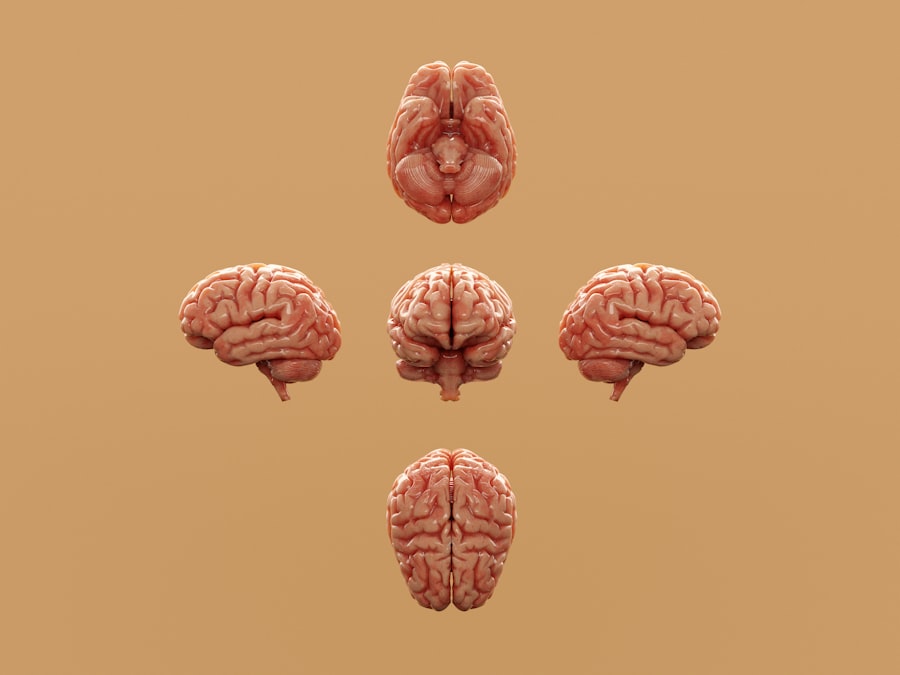
Neuroplasticity is fundamentally intertwined with learning and memory. When you learn something new, your brain forms new synapses—connections between neurons—that facilitate the storage and retrieval of information. This means that every time you study for an exam or try to memorize a new concept, your brain is actively changing its structure to accommodate this new knowledge.
The more you engage with the material, the stronger these connections become, making it easier for you to recall information later. Additionally, neuroplasticity allows for different types of learning experiences. For instance, experiential learning—where you learn through hands-on activities—can create more robust neural connections than passive learning methods like reading or listening to lectures.
By actively engaging with the material and applying it in real-world contexts, you can enhance your understanding and retention of information. This highlights the importance of finding effective learning strategies that resonate with you personally, as they can significantly impact how well you absorb and retain knowledge.
The Impact of Neuroplasticity on Recovery from Brain Injury
One of the most remarkable aspects of neuroplasticity is its role in recovery from brain injuries. When damage occurs—whether from trauma, stroke, or other neurological conditions—your brain has the ability to adapt and compensate for lost functions. This adaptability can lead to significant improvements in motor skills, speech, and cognitive abilities over time.
As you engage in rehabilitation exercises and therapies, your brain begins to form new pathways that can help restore lost functions. The journey of recovery is often challenging and requires patience and persistence. However, understanding that your brain is capable of change can be a source of motivation during this process.
By actively participating in rehabilitation programs and consistently practicing targeted exercises, you can facilitate neuroplastic changes that promote healing and recovery. This underscores the importance of a proactive approach to rehabilitation, as your efforts can directly influence the extent of your recovery.
Harnessing Neuroplasticity for Cognitive Enhancement
| Metric | Description | Typical Range/Value | Relevance to Neuroplasticity |
|---|---|---|---|
| Synaptic Strengthening | Increase in synaptic efficacy due to repeated stimulation | Up to 200% increase in synaptic response | Core mechanism of brain rewiring through repeated reps |
| Long-Term Potentiation (LTP) | Persistent strengthening of synapses based on recent activity | Duration: hours to weeks | Foundation for learning and memory formation |
| Neurogenesis Rate | Generation of new neurons in specific brain regions | ~700 new neurons/day in hippocampus (adult humans) | Supports brain plasticity and adaptation |
| Repetition Frequency | Number of repeated practice sessions per day | 3-5 sessions/day recommended | Higher frequency enhances rewiring efficiency |
| Practice Duration | Length of each repetition session | 20-30 minutes/session | Optimal for inducing neuroplastic changes without fatigue |
| Myelination Rate | Speed of myelin sheath formation around neurons | Varies; increases with repeated practice over weeks | Improves signal transmission and skill acquisition |
| Functional Connectivity Changes | Alterations in brain network communication patterns | Measured via fMRI; increases in targeted areas | Reflects brain rewiring and improved task performance |
You have the potential to harness neuroplasticity not just for recovery but also for cognitive enhancement.
By stepping outside your comfort zone and exposing yourself to novel experiences, you encourage your brain to adapt and grow.
Moreover, mindfulness practices such as meditation have been shown to promote neuroplasticity by enhancing focus and emotional regulation. These practices can lead to structural changes in areas of the brain associated with attention and self-awareness. By incorporating mindfulness into your daily routine, you can create an environment conducive to cognitive enhancement and overall mental well-being.
The Connection Between Neuroplasticity and Habit Formation

Habit formation is another area where neuroplasticity plays a significant role. When you repeatedly engage in a behavior—whether it’s exercising regularly or practicing mindfulness—your brain strengthens the neural pathways associated with that habit.
This is why establishing positive habits can lead to lasting changes in your lifestyle. However, breaking negative habits can be more challenging due to the same principles of neuroplasticity at play. To change an ingrained behavior, you must consciously work to create new pathways while weakening the old ones.
This often requires consistent effort and dedication but is entirely achievable with the right strategies in place. By understanding how neuroplasticity influences habit formation, you can take proactive steps toward cultivating positive behaviors while dismantling those that no longer serve you.
Neuroplasticity and its Influence on Mental Health
Neuroplasticity also has profound implications for mental health. Research has shown that therapeutic interventions—such as cognitive-behavioral therapy (CBT)—can lead to structural changes in the brain that improve emotional regulation and reduce symptoms of anxiety and depression. By engaging in therapeutic practices that promote positive thinking patterns and coping strategies, you can facilitate neuroplastic changes that enhance your mental well-being.
Furthermore, lifestyle factors such as physical exercise, social engagement, and a balanced diet can also support neuroplasticity and contribute to improved mental health outcomes. Regular physical activity has been linked to increased levels of brain-derived neurotrophic factor (BDNF), a protein that supports neuron growth and survival. By prioritizing these lifestyle choices, you can create an environment that fosters neuroplasticity and promotes resilience against mental health challenges.
The Role of Neuroplasticity in Managing Chronic Pain
Chronic pain is another area where neuroplasticity plays a critical role. Research indicates that the brain’s perception of pain can be influenced by neuroplastic changes resulting from injury or ongoing pain signals. When pain persists over time, your brain may become wired to interpret signals as painful even when there is no underlying injury present.
This phenomenon highlights the importance of addressing both physical and psychological aspects of pain management. Therapeutic approaches such as mindfulness-based stress reduction (MBSR) and cognitive-behavioral therapy (CBT) have shown promise in helping individuals manage chronic pain by promoting neuroplastic changes that alter pain perception. By incorporating these techniques into your pain management strategy, you can work toward reshaping how your brain processes pain signals, ultimately leading to improved quality of life.
Neuroplasticity and its Implications for Stroke Rehabilitation
Stroke rehabilitation is another area where neuroplasticity has significant implications. After a stroke, many individuals experience varying degrees of motor impairment or cognitive deficits due to damage in specific areas of the brain. However, through targeted rehabilitation exercises and therapies, patients can stimulate neuroplastic changes that promote recovery of lost functions.
Engaging in repetitive practice of motor tasks can help retrain the brain to regain control over affected movements. Additionally, emerging research suggests that incorporating technology—such as virtual reality or robotics—into rehabilitation programs can enhance neuroplasticity by providing engaging and adaptive environments for practice. These innovative approaches not only make rehabilitation more enjoyable but also optimize opportunities for neural reorganization.
As a result, understanding the principles of neuroplasticity can empower both patients and healthcare providers to develop effective rehabilitation strategies tailored to individual needs.
The Future of Neuroplasticity Research and Therapies
The field of neuroplasticity research is rapidly evolving, with exciting developments on the horizon. Scientists are continually exploring how various interventions—ranging from pharmacological treatments to non-invasive brain stimulation techniques—can enhance neuroplasticity for therapeutic purposes. As our understanding deepens, we may uncover new ways to harness neuroplasticity for conditions such as Alzheimer’s disease, traumatic brain injury, and mental health disorders.
Moreover, advancements in technology are paving the way for innovative therapies that leverage neuroplastic principles. For instance, wearable devices that monitor brain activity could provide real-time feedback during rehabilitation exercises, allowing individuals to optimize their practice based on their unique neural responses. As research continues to unfold, the future holds great promise for developing targeted interventions that capitalize on the brain’s inherent ability to change.
Practical Strategies for Utilizing Neuroplasticity to Improve Brain Function
To effectively utilize neuroplasticity for improving brain function, consider incorporating practical strategies into your daily routine. First and foremost, challenge yourself with new experiences—whether it’s learning a musical instrument or taking up a new sport—to stimulate neural growth. Additionally, prioritize consistent practice; repetition is key in reinforcing neural pathways associated with desired skills.
Mindfulness practices such as meditation can also be beneficial for enhancing focus and emotional regulation while promoting positive neuroplastic changes. Furthermore, maintaining a healthy lifestyle through regular exercise, balanced nutrition, and social engagement can support overall cognitive health. Lastly, don’t underestimate the power of rest and recovery; sleep plays a vital role in consolidating memories and facilitating neuroplastic changes.
By adopting these strategies into your life, you can actively engage with your brain’s capacity for change and improvement. In conclusion, understanding neuroplasticity opens up a world of possibilities for enhancing cognitive function, recovering from injuries, managing mental health challenges, and forming positive habits. By recognizing the power of your brain’s adaptability and implementing practical strategies for growth, you can take charge of your cognitive health and well-being throughout your life journey.
Neuroplasticity, the brain’s remarkable ability to reorganize itself by forming new neural connections, plays a crucial role in how we learn and adapt through repeated practice. This concept is particularly relevant in the context of brain rewiring, where consistent repetition of tasks can lead to significant changes in brain structure and function. For a deeper understanding of these processes, you can explore the article on neuroplasticity and its implications for mental health and learning at this link.
FAQs
What is neuroplasticity?
Neuroplasticity is the brain’s ability to reorganize itself by forming new neural connections throughout life. This adaptability allows the brain to compensate for injury, adjust to new experiences, and learn new information.
How does repeated practice influence neuroplasticity?
Repeated practice, or repeated repetitions, strengthens neural pathways by reinforcing the connections between neurons. This process, often summarized as “neurons that fire together wire together,” enhances skill acquisition and memory retention.
Can neuroplasticity occur at any age?
Yes, neuroplasticity occurs throughout life, although it tends to be more pronounced during childhood. Adults can still experience significant brain rewiring through learning, practice, and rehabilitation.
What types of activities promote brain rewiring through neuroplasticity?
Activities such as learning new skills, practicing repetitive tasks, engaging in physical exercise, meditation, and cognitive training can promote neuroplasticity by stimulating neural growth and strengthening synaptic connections.
How long does it take for repeated repetitions to cause brain rewiring?
The time required varies depending on the complexity of the task and individual differences. Generally, consistent and focused practice over days to weeks can lead to measurable changes in neural pathways.
Is neuroplasticity beneficial for recovery after brain injury?
Yes, neuroplasticity plays a crucial role in recovery after brain injury by enabling the brain to reorganize and compensate for damaged areas, often through targeted rehabilitation and repeated practice.
Are there limits to neuroplasticity?
While neuroplasticity is a powerful mechanism, it has limits influenced by factors such as age, the extent of brain damage, and overall health. Some neural changes may be more difficult to achieve in older adults or severe injury cases.
Can negative habits also cause neuroplastic changes?
Yes, neuroplasticity is not inherently positive or negative. Repeated behaviors, including harmful habits or maladaptive thought patterns, can also strengthen neural pathways, making those behaviors more ingrained.
How can one maximize the benefits of neuroplasticity?
Maximizing neuroplasticity involves consistent practice, challenging the brain with new tasks, maintaining physical health, getting adequate sleep, and reducing stress to create an optimal environment for brain rewiring.