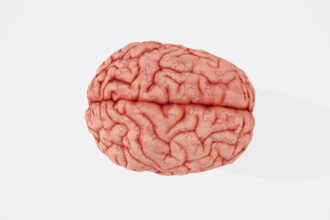
You might often hear the phrase “you can’t teach an old dog new tricks.” However, when it comes to your brain, this adage is demonstrably false. Your brain possesses an incredible capacity for change, a phenomenon scientifically known as neuroplasticity. This article will guide you through understanding and leveraging neuroplasticity, equipping you with practical exercises to rewire your brain for desired alterations in behavior, thought patterns, and skills.
Neuroplasticity, also referred to as brain plasticity, is the brain’s ability to reorganize itself by forming new neural connections throughout life. It allows neurons (nerve cells) to compensate for injury and disease and to adjust their activities in response to new situations or changes in their environment. This remarkable adaptability is not limited to childhood but persists throughout your entire lifespan. Discover the fascinating world of brain science through this insightful video.
Synaptic Plasticity: The Foundation of Learning
At the heart of neuroplasticity lies synaptic plasticity. You can think of synapses as the microscopic junctions where neurons communicate with each other. When you engage in a new activity or learn something new, these synaptic connections strengthen or weaken. This process is often likened to paths in a forest: the more you walk a particular path, the clearer and wider it becomes, making it easier to traverse. Conversely, unused paths can become overgrown and difficult to access. This constant remodeling of synaptic connections underpins all learning and memory.
Structural Plasticity: Changes in Brain Anatomy
Beyond the microscopic changes at the synaptic level, neuroplasticity also encompasses structural plasticity. This involves observable changes in the size and organization of specific brain regions. For example, studies have shown that musicians often have a larger auditory cortex, and taxi drivers, who navigate complex urban environments, exhibit an enlarged hippocampus – a brain region crucial for spatial memory. These structural alterations are a testament to the brain’s ability to physically adapt to your experiences and demands.
Neuroplasticity exercises have gained significant attention for their potential to promote brain change and enhance cognitive function. For those interested in exploring this topic further, a related article can be found at Unplugged Psych, which delves into various techniques and activities designed to stimulate neuroplasticity. These exercises can be beneficial for individuals looking to improve memory, learning, and overall mental agility.
Why Harness Neuroplasticity?
The implications of neuroplasticity are profound. Understanding and intentionally engaging with this process allows you to exert a degree of control over your cognitive landscape. You are not merely a passive recipient of your brain’s programming; you are an active participant in its ongoing development.
Enhancing Cognitive Function: Sharpening Your Mind
You can utilize neuroplasticity to improve various cognitive functions. Whether you aim to enhance your memory, improve your problem-solving skills, or boost your creativity, the principles of neuroplasticity offer a pathway. Just as a physical trainer helps you build muscle, neuroplasticity exercises can help you build stronger neural networks responsible for cognitive prowess.
Overcoming Maladaptive Habits: Breaking Free from Old Patterns
Many undesirable habits and thought patterns are deeply ingrained neural pathways. Addiction, chronic anxiety, and negative self-talk, for instance, are often sustained by well-trodden neural routes. Neuroplasticity provides the mechanism to reroute these connections. You can think of it as building a new, more desirable highway while simultaneously allowing the old, problematic road to fall into disrepair.
Recovering from Brain Injury: Restoring Function
For individuals who have experienced brain injury, such as a stroke, neuroplasticity is a beacon of hope. The brain can often “rewire” itself by recruiting healthy areas to take over functions previously performed by damaged regions. This compensatory mechanism highlights the brain’s inherent resilience and capacity for recovery.
Practical Exercises for Cognitive Enhancement
Now that you understand the fundamental principles, let’s explore concrete exercises you can integrate into your daily life to actively engage your neuroplasticity.
Learn a New Skill: Embracing Novelty
One of the most potent stimuli for neuroplasticity is novelty. When you learn something entirely new, your brain is forced to forge fresh neural connections. This isn’t about rote memorization but about engaging multiple sensory and motor systems.
Play a Musical Instrument: A Symphony for Your Brain
Learning to play an instrument, such as the guitar or piano, is an excellent neuroplasticity exercise. It demands fine motor control, auditory processing, memory recall, and pattern recognition. Your brain is essentially performing a complex symphony of coordinated activity, strengthening numerous pathways simultaneously.
Master a New Language: Unlocking New Perspectives
Acquiring a new language challenges your brain in linguistic, auditory, and mnemonic domains. You are learning new vocabulary, grammatical structures, and phonetic sounds, all of which necessitate the construction of entirely new neural representations. Furthermore, bilingualism has been associated with enhanced executive function and delayed onset of age-related cognitive decline.
Engage in Complex Puzzles: A Mental Workout
Activities like chess, Sudoku, or complex jigsaw puzzles require strategic thinking, problem-solving, and spatial reasoning. These cognitive workouts stimulate various brain regions, encouraging the formation of new connections and strengthening existing ones. Think of it as intellectual weightlifting for your brain.
Embrace Physical Activity: The Body-Brain Connection
While often overlooked in discussions of cognitive enhancement, physical activity plays a critical role in promoting neuroplasticity. Your brain benefits immensely from a healthy and active body.
Aerobic Exercise: Fueling Brain Growth
Regular aerobic exercise, such as brisk walking, running, or swimming, increases blood flow to the brain, delivering essential oxygen and nutrients. It also promotes the release of brain-derived neurotrophic factor (BDNF), a protein often referred to as “Miracle-Gro for the brain” due to its role in neuronal growth, survival, and synaptic plasticity.
Learn a New Sport: Coordinating Mind and Body
Engaging in a new sport, like tennis or martial arts, combines physical exertion with cognitive demands. You must learn new movements, react quickly, strategize, and adapt to changing situations. This integration of motor skills and cognitive processing is highly beneficial for neuroplasticity.
Practice Yoga or Tai Chi: Mindful Movement
These ancient practices combine physical postures with breath control and meditation. They improve balance, coordination, flexibility, and mindfulness. The focused attention required during these activities can strengthen neural pathways related to self-regulation and stress reduction.
Cultivating Mindful Awareness: Shaping Your Inner World
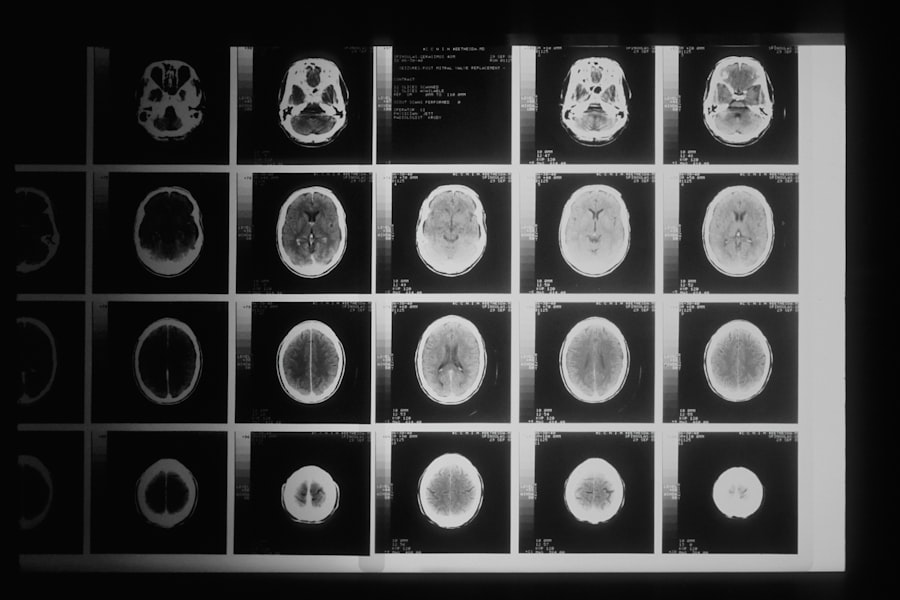
Neuroplasticity isn’t just about learning new skills; it’s also about consciously shaping your internal landscape. Your thoughts, emotions, and attention all contribute to the sculpting of your brain.
Practice Meditation: Training Your Attention
Meditation, particularly mindfulness meditation, involves intentionally focusing your attention on the present moment without judgment. Regular meditation has been shown to induce structural changes in the brain, including increased gray matter density in areas associated with attention, emotional regulation, and self-awareness. You are essentially training your attention muscle, which, like any other muscle, grows stronger with consistent exercise.
Observe Your Thoughts: The Power of Detachment
During meditation, and even in daily life, you can practice observing your thoughts without identifying with them. Imagine your thoughts as clouds passing by in the sky. You acknowledge their presence but do not cling to them. This practice helps to weaken the neural pathways associated with automatic negative thought loops, granting you greater cognitive flexibility.
Cultivate Gratitude: Shifting Your Perspective
Regularly practicing gratitude can shift your emotional baseline. By consciously focusing on things you are grateful for, you activate neural circuits associated with positive emotions. Over time, this can rewire your brain to naturally lean towards a more optimistic and resilient outlook.
Embrace Novelty and Break Routines: Challenging the Status Quo
While routines can provide comfort and efficiency, excessive rigidity can hinder neuroplasticity. Your brain thrives on new experiences and challenges.
Take a Different Route: Disrupting Automatic Pilots
Even simple acts, like taking a different route to work or brushing your teeth with your non-dominant hand, can stimulate your brain. These minor disruptions force your brain to engage rather than relying on established, automatic pathways. Think of it as gently shaking your brain out of its comfort zone.
Try New Foods and Experiences: Expanding Your Palate and Horizons
Exposing yourself to new cuisines, visiting unfamiliar places, or engaging in activities you’ve never tried before all contribute to neuroplasticity. Each new experience demands your brain to process novel sensory input and create new associations, enriching your neural tapestry.
Engage in Intellectual Debates: Stimulating Critical Thinking
Participating in respectful debates or discussions on complex topics challenges your assumptions, forces you to consider alternative perspectives, and strengthens your critical thinking abilities. This intellectual sparring is a potent exercise for building cognitive flexibility and problem-solving skills.
Neuroplasticity exercises can significantly enhance brain function and promote positive changes in mental health. Engaging in activities that challenge the brain, such as puzzles, learning new skills, or practicing mindfulness, can lead to remarkable improvements in cognitive abilities. For those interested in exploring this topic further, a related article on neuroplasticity and its benefits can be found at Unplugged Psych, which provides valuable insights and practical tips for incorporating these exercises into daily life.
The Long Road Ahead: Consistency and Patience
| Exercise Type | Targeted Brain Area | Frequency Recommended | Duration per Session | Reported Benefits | Scientific Evidence Level |
|---|---|---|---|---|---|
| Memory Training (e.g., mnemonics) | Hippocampus | 3-5 times per week | 20-30 minutes | Improved memory recall and retention | High |
| Mindfulness Meditation | Prefrontal Cortex, Amygdala | Daily | 10-20 minutes | Enhanced emotional regulation and attention | High |
| Physical Exercise (Aerobic) | Hippocampus, Frontal Lobe | 3-4 times per week | 30-45 minutes | Increased neurogenesis and cognitive function | High |
| Learning a New Language | Temporal Lobe, Prefrontal Cortex | Daily or several times per week | 30-60 minutes | Improved executive function and memory | Moderate to High |
| Brain-Training Games (e.g., puzzles) | Various cortical areas | 3-5 times per week | 15-30 minutes | Enhanced problem-solving and processing speed | Moderate |
| Music Training (learning an instrument) | Auditory Cortex, Motor Cortex | 3-6 times per week | 30-60 minutes | Improved auditory processing and motor skills | Moderate to High |
Rewiring your brain is not an overnight process. Neuroplasticity is a gradual phenomenon, akin to sculpting a masterpiece over time. Consistency and patience are paramount.
The Power of Repetition: Reinforcing New Pathways
Just as water carves canyons over millennia, repeated engagement with neuroplasticity exercises strengthens new neural connections. The more you practice a new skill, meditate, or engage in novel experiences, the more robust and efficient your new neural pathways become.
Expect Setbacks: Learning from the Journey
You will inevitably encounter challenges and setbacks. Old habits might resurface, or you might struggle to master a new skill. View these not as failures but as opportunities for further learning and refinement. Each attempt, even if imperfect, contributes to the ongoing remodeling of your brain.
The Importance of Sleep: Consolidating Your Efforts
Adequate, restorative sleep is crucial for neuroplasticity. During sleep, your brain consolidates memories, prunes unnecessary connections, and strengthens those that are most relevant. Depriving yourself of sleep undermines your efforts to rewire your brain, much like trying to build a house without giving the cement time to dry.
By understanding and actively engaging with the principles of neuroplasticity, you empower yourself to be the architect of your own brain. You have the remarkable ability to shape your thoughts, enhance your abilities, and cultivate a more resilient and adaptable mind. The journey of rewiring your brain is a lifelong endeavor, offering continuous opportunities for growth, learning, and self-transformation.
WATCH THIS! 🔥 **The 5 Science-Backed Rules for Permanent Habit Formation:**
FAQs
What is neuroplasticity?
Neuroplasticity is the brain’s ability to reorganize itself by forming new neural connections throughout life. This allows the brain to adapt to new experiences, learn new information, and recover from injuries.
How do neuroplasticity exercises help the brain?
Neuroplasticity exercises stimulate the brain by challenging it with new tasks and activities. This promotes the growth of new neural pathways, enhances cognitive function, and can improve memory, attention, and problem-solving skills.
What are some common neuroplasticity exercises?
Common neuroplasticity exercises include learning a new language, playing musical instruments, solving puzzles, practicing mindfulness meditation, and engaging in physical activities that require coordination and balance.
How often should one perform neuroplasticity exercises?
For optimal benefits, neuroplasticity exercises should be performed regularly, ideally daily or several times a week. Consistency helps reinforce new neural connections and supports long-term brain changes.
Can neuroplasticity exercises help with brain injury recovery?
Yes, neuroplasticity exercises are often used in rehabilitation to help individuals recover cognitive and motor functions after brain injuries. These exercises encourage the brain to compensate for damaged areas by strengthening alternative neural pathways.