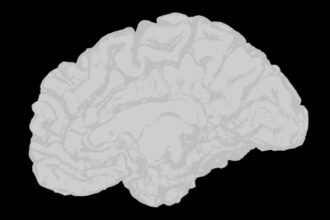
Neuroplasticity refers to the brain’s ability to reorganize itself by forming new neural connections throughout life. This capacity enables individuals to learn new skills, recover from brain injuries, and modify thought patterns and behaviors. Research has demonstrated that the brain maintains this adaptability across the lifespan, contrary to earlier beliefs that the brain’s structure remained fixed after early development.
The mechanisms of neuroplasticity operate through two primary processes: structural plasticity, where the brain reassigns functions from damaged regions to undamaged areas, and functional plasticity, where neural networks reorganize to compensate for injury or support learning. These processes occur in response to experience, practice, and environmental demands. Evidence supporting neuroplasticity comes from neuroimaging studies showing measurable changes in brain structure and function following learning, rehabilitation, and behavioral modification.
For example, individuals who practice specific motor skills demonstrate increased gray matter density in corresponding brain regions. Similarly, stroke patients have shown recovery of lost functions through intensive rehabilitation, indicating the brain’s capacity to rewire neural pathways. Understanding neuroplasticity has practical applications in education, mental health treatment, and rehabilitation medicine.
Therapeutic approaches based on neuroplasticity principles, such as cognitive behavioral therapy and constraint-induced movement therapy, have demonstrated effectiveness in treating various conditions. The concept also informs strategies for skill acquisition, suggesting that consistent practice and focused attention facilitate neural reorganization and improved performance.
Key Takeaways
- Neuroplasticity is the brain’s ability to reorganize and adapt throughout life, influencing behavior and learning.
- Scientific research shows neuroplasticity underlies habit formation, behavior change, and cognitive rehabilitation.
- Evidence-based strategies leveraging neuroplasticity can support addiction recovery and improve mental health outcomes.
- Neuroplasticity plays a critical role in enhancing learning processes and developing new skills.
- Practical applications of neuroplasticity can be integrated into daily life to promote brain health and personal growth.
The Science Behind Neuroplasticity
The science of neuroplasticity is rooted in the understanding of how neurons communicate and adapt. Neurons are the building blocks of the nervous system, and they communicate through synapses—tiny gaps between them. When you engage in a new activity or learn something new, your brain forms new synaptic connections.
This process is often referred to as synaptic plasticity. The more you practice or repeat a behavior, the stronger these connections become, making it easier for you to access that information or skill in the future. Research has shown that neuroplasticity occurs at various levels, from cellular changes to large-scale brain reorganization.
For instance, studies using advanced imaging techniques have demonstrated that specific areas of the brain can grow or shrink in response to experience. This means that your environment, experiences, and even thoughts can physically alter the structure of your brain. By understanding these mechanisms, you can harness the power of neuroplasticity to foster positive changes in your life.
Neuroplasticity and Behavior Change

Behavior change is often a challenging endeavor, but neuroplasticity offers a framework for understanding how you can successfully alter your habits and actions. When you consciously decide to change a behavior, your brain begins to rewire itself in response to this intention. This process involves creating new neural pathways that support the desired behavior while weakening those associated with old habits.
The more consistently you practice this new behavior, the more entrenched these pathways become. To facilitate behavior change, it is essential to set clear goals and maintain motivation. By visualizing your desired outcome and breaking it down into manageable steps, you can create a roadmap for success.
As you progress, celebrate small victories along the way; this positive reinforcement will further strengthen the neural connections associated with your new behavior. Over time, what once felt foreign or challenging can become second nature as your brain adapts to this new way of being.
Evidence-Based Approaches to Behavior Change
There are several evidence-based approaches that leverage the principles of neuroplasticity to promote behavior change effectively. Cognitive-behavioral therapy (CBT) is one such method that focuses on identifying and altering negative thought patterns and behaviors. By challenging these thoughts and replacing them with more constructive ones, you can create new neural pathways that support healthier behaviors.
Mindfulness practices also play a significant role in facilitating behavior change through neuroplasticity. Engaging in mindfulness meditation can help you develop greater awareness of your thoughts and emotions, allowing you to respond rather than react impulsively. This heightened awareness fosters self-regulation and encourages the formation of new habits aligned with your goals.
Neuroplasticity and Habit Formation
| Metric | Description | Evidence Source | Impact on Behavior Change |
|---|---|---|---|
| Synaptic Density Increase | Measurement of new synapse formation in response to learning | Neuroimaging studies (fMRI, PET) | Correlates with improved learning and habit formation |
| Gray Matter Volume Changes | Structural brain changes in regions related to behavior regulation | Longitudinal MRI studies | Associated with sustained behavior modification |
| Neurotransmitter Level Modulation | Alterations in dopamine, serotonin linked to motivation and mood | Biochemical assays and neuroimaging | Supports reinforcement of positive behavior patterns |
| Behavioral Task Performance Improvement | Enhanced cognitive control and executive function scores | Randomized controlled trials (RCTs) on cognitive training | Demonstrates effective behavior change through neuroplasticity |
| Functional Connectivity Enhancement | Increased connectivity between prefrontal cortex and limbic system | Resting-state fMRI studies | Improves emotional regulation and decision-making |
Habit formation is intricately linked to neuroplasticity, as it involves the brain’s ability to create and reinforce neural pathways over time. When you repeatedly engage in a behavior, your brain begins to automate that action, making it easier for you to perform without conscious thought. This process is often referred to as habit formation, and it relies heavily on the principles of neuroplasticity.
To successfully form new habits, it is crucial to understand the cues and rewards associated with them. By identifying triggers that prompt certain behaviors and pairing them with positive reinforcement, you can strengthen the neural connections related to those habits. For example, if you’re trying to establish a habit of exercising regularly, consider setting a specific time each day as your cue and rewarding yourself afterward with something enjoyable.
Over time, this consistent practice will solidify the habit in your brain, making it an integral part of your daily routine.
The Role of Neuroplasticity in Addiction Recovery

Addiction recovery is a complex process that often requires significant behavioral changes. Neuroplasticity plays a vital role in this journey by allowing individuals to rewire their brains in response to new experiences and healthier choices. When you engage in recovery efforts—such as therapy, support groups, or lifestyle changes—your brain begins to form new neural pathways that support sobriety and resilience.
One key aspect of utilizing neuroplasticity in addiction recovery is addressing triggers and cravings. By developing coping strategies and alternative responses to these triggers, you can weaken the neural connections associated with addictive behaviors while strengthening those linked to healthier choices. This process takes time and effort, but with persistence and support, you can reshape your brain’s response to addiction and foster a more fulfilling life.
Neuroplasticity and Mental Health
Neuroplasticity has profound implications for mental health, as it underscores the brain’s capacity for healing and growth. Conditions such as depression, anxiety, and PTSD can be influenced by maladaptive neural pathways formed through negative experiences or thought patterns. However, understanding neuroplasticity offers hope for recovery by highlighting the potential for change.
By engaging in practices that foster positive thinking and emotional regulation, you can create new neural connections that support mental well-being. This transformative process empowers you to take an active role in your mental health journey.
Neuroplasticity and Cognitive Rehabilitation
Cognitive rehabilitation is an area where neuroplasticity shines brightly, particularly for individuals recovering from brain injuries or strokes. The brain’s ability to reorganize itself allows for compensatory mechanisms that can help restore lost functions or develop new skills. Through targeted rehabilitation exercises and therapies, you can stimulate neuroplastic changes that enhance cognitive abilities.
For instance, engaging in cognitive training exercises can help improve memory, attention, and problem-solving skills by encouraging the formation of new neural pathways. Additionally, incorporating activities that challenge your cognitive abilities—such as puzzles or learning a new language—can further promote neuroplasticity and cognitive recovery. By actively participating in cognitive rehabilitation efforts, you can harness the power of neuroplasticity to regain lost functions and improve overall cognitive health.
Neuroplasticity and Learning
Learning is fundamentally intertwined with neuroplasticity; every time you acquire new knowledge or skills, your brain undergoes structural changes that facilitate this process. The more you engage with new information—whether through reading, practicing a musical instrument, or exploring a new hobby—the more your brain adapts to accommodate this learning experience. To optimize learning through neuroplasticity, consider employing techniques such as spaced repetition or active recall.
These methods encourage deeper engagement with material and promote stronger neural connections associated with what you’re learning. Additionally, fostering a growth mindset—believing in your ability to learn and improve—can further enhance your capacity for learning by encouraging resilience in the face of challenges.
Practical Applications of Neuroplasticity in Daily Life
Incorporating the principles of neuroplasticity into your daily life can lead to meaningful improvements in various areas. Simple practices such as mindfulness meditation or journaling can help cultivate self-awareness and emotional regulation while promoting positive neural changes. Additionally, engaging in regular physical exercise has been shown to enhance neurogenesis—the creation of new neurons—which supports overall brain health.
You might also consider exploring new hobbies or interests that challenge your cognitive abilities. Learning a musical instrument or taking up a new sport not only stimulates neuroplastic changes but also adds joy and fulfillment to your life. By consciously integrating these practices into your routine, you can harness the power of neuroplasticity to enhance your well-being and personal growth.
Conclusion and Future Directions in Neuroplasticity Research
As research into neuroplasticity continues to evolve, it opens up exciting possibilities for understanding the brain’s potential for change and healing. Future studies may delve deeper into how specific interventions can optimize neuroplastic processes across various populations—ranging from children learning new skills to adults recovering from trauma or injury. The implications of neuroplasticity extend far beyond individual growth; they hold promise for developing innovative therapeutic approaches for mental health disorders, addiction recovery, and cognitive rehabilitation.
As we continue to explore this dynamic field, embracing the principles of neuroplasticity can empower you to take charge of your own journey toward personal transformation and well-being. The future is bright as we unlock the mysteries of the brain’s adaptability and harness its potential for positive change.
Neuroplasticity plays a crucial role in behavior change, as it highlights the brain’s ability to reorganize itself by forming new neural connections throughout life. A related article that delves into the evidence-based practices surrounding neuroplasticity and behavior change can be found on Unplugged Psychology. This resource provides valuable insights into how understanding neuroplasticity can enhance therapeutic approaches and promote lasting change. For more information, you can read the article [here](https://www.unpluggedpsych.com/).
FAQs
What is neuroplasticity?
Neuroplasticity refers to the brain’s ability to reorganize itself by forming new neural connections throughout life. This adaptability allows the brain to adjust to new experiences, learn new information, and recover from injuries.
How does neuroplasticity relate to behavior change?
Neuroplasticity underlies behavior change by enabling the brain to modify existing neural pathways or create new ones in response to new behaviors, habits, or learning. This process supports the development of new skills and the unlearning of old patterns.
Is there scientific evidence supporting neuroplasticity in behavior change?
Yes, numerous studies have demonstrated that neuroplasticity plays a critical role in behavior change. Research using brain imaging and cognitive assessments shows that targeted interventions, such as therapy, training, or habit formation, can lead to measurable changes in brain structure and function.
Can neuroplasticity be enhanced to improve behavior change outcomes?
Certain activities and interventions, such as mindfulness meditation, cognitive-behavioral therapy, physical exercise, and consistent practice of new skills, have been shown to enhance neuroplasticity, thereby facilitating more effective and lasting behavior change.
How long does it take for neuroplastic changes to occur during behavior change?
The timeline for neuroplastic changes varies depending on the individual, the behavior being changed, and the intensity of the intervention. Some changes can occur within days or weeks, while others may require months or longer of consistent practice.
Are all behavior changes driven by neuroplasticity?
Most sustained behavior changes involve neuroplasticity, as the brain must adapt to new patterns. However, some short-term or superficial changes may not involve significant neural reorganization.
Can neuroplasticity help in recovering from brain injuries?
Yes, neuroplasticity is a fundamental mechanism in brain injury recovery. It allows undamaged parts of the brain to compensate for lost functions by reorganizing neural pathways, often supported by rehabilitation therapies.
Does age affect neuroplasticity and behavior change?
While neuroplasticity is generally more robust in younger individuals, research shows that the adult brain retains significant plasticity. Behavior change and learning remain possible throughout life, though the rate and extent of change may vary with age.
What role does evidence-based practice play in applying neuroplasticity to behavior change?
Evidence-based practice ensures that interventions designed to leverage neuroplasticity for behavior change are grounded in scientific research. This approach increases the likelihood of effective and reliable outcomes by using validated methods and measurable results.