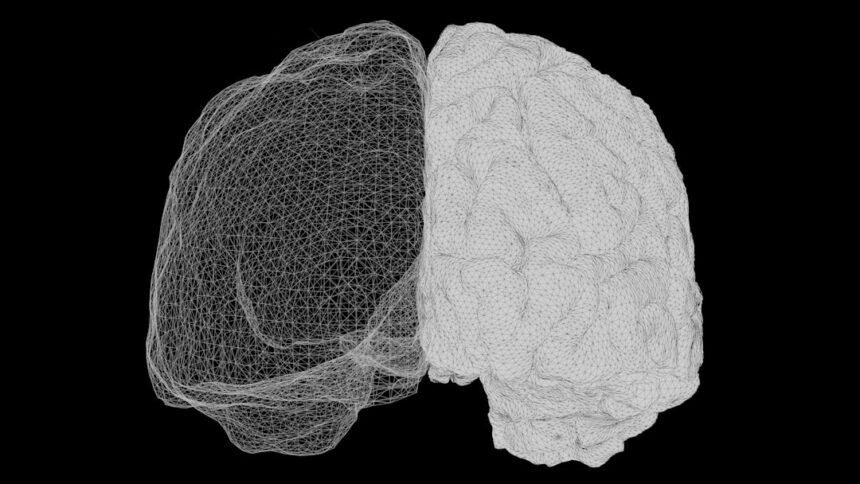
Neuroplasticity: A Key Factor in Preventing Cognitive Decline
The Brain’s Remarkable Malleability
Your brain, often perceived as a static entity after childhood, is in fact a dynamic and adaptable organ. You possess an inherent capacity for change, a phenomenon known as neuroplasticity. This neural flexibility is not merely a biological curiosity; it is a fundamental mechanism that influences your cognitive health throughout your life, acting as a powerful bulwark against the encroaching tide of cognitive decline. Think of your brain as a vast and intricate network of roads. Neuroplasticity is the ability to reroute traffic, build new highways, and even pave over unused paths to optimize the flow of information. This continuous remodeling is crucial for maintaining sharp thinking, memory, and problem-solving abilities as you age.
Understanding the Foundations of Neuroplasticity
Neuroplasticity refers to the brain’s ability to reorganize itself by forming new neural connections throughout life. This process is driven by learning, experience, and the brain’s response to injury. When you encounter new information, engage in challenging tasks, or adapt to new environments, your brain physically changes. This involves strengthening existing neural pathways, creating new ones, and even pruning away those that are no longer in use. These changes can occur at various levels, from the microscopic connections between individual neurons (synapses) to larger-scale structural alterations in brain regions.
Synaptic Plasticity: The Microscopic Dance of Connection
At the heart of neuroplasticity lies synaptic plasticity. Synapses are the tiny gaps between neurons where chemical or electrical signals are transmitted. When you learn something new or repeat a behavior, the connections between the neurons involved become stronger and more efficient. This is akin to repeatedly walking a well-worn path; it becomes easier and faster to traverse. Conversely, synapses that are not used regularly can weaken and eventually be eliminated, a process known as synaptic pruning. This selective strengthening and weakening is fundamental to learning and memory formation.
Structural Plasticity: Building New Architectures
Beyond the microscopic level, neuroplasticity also manifests as structural changes in the brain. This can involve the growth of new neurons (neurogenesis), particularly in specific areas like the hippocampus, which is vital for memory. It can also involve changes in the size and connectivity of brain regions. For instance, learning a new skill, such as playing a musical instrument, has been shown to lead to measurable increases in gray matter volume in the areas of the brain responsible for motor control and auditory processing. This is like building new wings onto your existing house as your needs evolve.
The Unfolding Landscape of Cognitive Aging
As you journey through life, your cognitive abilities naturally undergo changes. While some decline is a normal part of aging, the extent and impact of this decline can vary significantly. Factors such as genetics, lifestyle choices, and the presence of neurological conditions all play a role in shaping your cognitive trajectory. However, neuroplasticity offers a powerful countermeasure, enabling you to actively influence this process and preserve your mental acuity.
The Natural Course of Cognitive Change
With age, you may notice subtle shifts in your cognitive functions. This can include a slight slowing of processing speed, occasional difficulties with word retrieval, or a diminished capacity for multitasking. These changes are often gradual and may not significantly impede your daily life. However, for some individuals, these age-related changes can become more pronounced, potentially leading to more significant cognitive impairment.
Age-Related Memory Shifts
Memory is one of the cognitive functions most commonly associated with aging. While the ability to recall recent events might become somewhat less robust, your long-term memory, particularly for well-established information and skills, tends to remain relatively intact. Furthermore, your capacity for learning new things does not disappear; it may simply require more effort and time.
Processing Speed and Attentional Capacity
You might also experience a mild reduction in your cognitive processing speed, meaning it takes a little longer for your brain to absorb and react to information. Similarly, your ability to focus your attention, especially in the presence of distractions, might be slightly less sharp than in your younger years. These are not necessarily harbingers of severe decline but rather typical adaptations of the aging brain.
Neuroplasticity as a Cognitive Shield
Your brain’s ability to adapt and rewire itself is your most potent weapon against the ravages of cognitive decline. By actively engaging in activities that stimulate your brain, you can foster neuroplasticity, fortify your neural networks, and build a resilient cognitive reserve. This cognitive reserve acts as a buffer, allowing your brain to better withstand damage and maintain function even when faced with the challenges of aging or disease. Imagine your cognitive reserve as a savings account for your brain; the more you deposit through stimulating activities, the more you can draw upon when needed.
Building and Strengthening Neural Pathways
The core principle behind neuroplasticity’s role in preventing cognitive decline is its ability to build and strengthen neural pathways. When you consistently engage in mentally challenging activities, you are essentially exercising your brain. This consistent stimulation leads to the growth of new synapses and the reinforcement of existing ones, making them more efficient and robust. This enhanced connectivity allows information to travel more rapidly and effectively throughout your brain, supporting better cognitive performance.
The Role of Novelty and Challenge
Crucially, for neuroplasticity to be effective, the stimuli must be novel and challenging. Engaging in familiar routines, even if they are mentally demanding, may not yield the same neuroplastic benefits as activities that push you outside your comfort zone. Learning a new language, mastering a musical instrument, or delving into a complex subject matter are prime examples of activities that can effectively stimulate neuroplasticity.
Maintaining Cognitive Flexibility
Neuroplasticity directly contributes to cognitive flexibility, the ability to adapt your thinking and behavior in response to changing circumstances. A brain that is adept at rewiring itself is better equipped to switch between tasks, consider multiple perspectives, and solve problems in innovative ways. This flexibility is essential for navigating the complexities of life and maintaining independence as you age.
Lifestyle Factors that Fuel Neuroplasticity
The good news is that you are not a passive recipient of your brain’s fate. Your daily choices have a profound impact on your brain’s ability to remain plastic and resilient. By adopting a brain-healthy lifestyle, you can actively nurture neuroplasticity and significantly reduce your risk of cognitive decline.
The Power of Lifelong Learning
Lifelong learning is arguably one of the most effective strategies for promoting neuroplasticity. The act of acquiring new knowledge and skills forces your brain to forge new neural connections and strengthen existing ones. This can encompass formal education, online courses, reading challenging books, or even engaging in intellectually stimulating hobbies. Each new piece of information you process and integrate contributes to a more robust and adaptable brain.
Embracing New Skills and Hobbies
Beyond formal learning, actively pursuing new skills and hobbies is incredibly beneficial. Whether it’s learning to knit, paint, code, or even a new sport, these activities engage different brain regions and promote diverse forms of neural rewiring. The novelty and the inherent challenge of mastering a new practical skill can effectively stimulate your brain’s plasticity.
The Stimulus of Novelty and Complexity
The key here is consistent exposure to novelty and complexity. A brain that is regularly challenged with new information and intricate problems is a brain that is exercising its neuroplastic potential. This is akin to giving your brain a constant workout, preventing it from becoming stagnant or out of shape.
The Importance of Physical Activity
Physical exercise is more than just good for your body; it is a potent driver of neuroplasticity. Regular aerobic exercise, in particular, has been shown to increase blood flow to the brain, promoting the growth of new neurons and enhancing the connections between them. This increased blood flow delivers essential oxygen and nutrients, creating a more fertile environment for neural growth and repair.
Aerobic Exercise: A Brain Booster
Aerobic activities like brisk walking, running, swimming, and cycling have been consistently linked to improved cognitive function and a reduced risk of cognitive decline. These activities not only strengthen your cardiovascular system but also stimulate the release of brain-derived neurotrophic factor (BDNF), a protein that plays a crucial role in neuronal growth, survival, and synaptic plasticity. Consider your regular workouts as planting seeds for a healthier, more adaptable brain.
Exercise and Cognitive Reserve
The benefits of exercise extend to building cognitive reserve. By promoting neurogenesis and strengthening neural networks, physical activity helps your brain become more resilient to the damaging effects of aging and disease. This added resilience means that even if some neurological changes occur, your brain is better equipped to compensate and maintain its functional capacity.
The Role of Mental Stimulation and Engagement
Beyond formal learning and exercise, simply staying mentally engaged and stimulated throughout your life is vital. This can involve social interaction, engaging in challenging conversations, playing mentally stimulating games, or pursuing intellectually curious endeavors. The more your brain is actively engaged, the more opportunities it has to rewire and adapt.
The Cognitive Benefits of Social Interaction
Social interaction is a powerful form of mental stimulation. Engaging in conversations, participating in group activities, and maintaining strong social bonds can challenge your brain in multiple ways, stimulating language centers, memory recall, and emotional processing. The complexities of human interaction provide a rich training ground for neuroplasticity.
Strategic Engagement with Puzzles and Games
Mentally stimulating puzzles and games, such as crosswords, Sudoku, strategy board games, and even certain video games, can offer specific cognitive benefits. They often require problem-solving, memory recall, strategic thinking, and pattern recognition, all of which engage and strengthen various neural pathways. The key is to choose activities that are challenging and engaging for you personally.
Neuroplasticity in Action: Strategies for Cognitive Health
Understanding the power of neuroplasticity is the first step; actively implementing strategies to harness its benefits is the next. You can adopt a proactive approach to safeguarding your cognitive future by making conscious choices that promote neural growth and resilience.
The Power of Learning New Languages
Learning a new language is a highly effective way to stimulate neuroplasticity. It requires your brain to process new sounds, grammar structures, and vocabulary, thereby forging new neural pathways and strengthening existing ones. Studies have shown that bilingualism can actually delay the onset of cognitive decline and dementia. It’s like giving your brain a complex new operating system to manage.
Engaging Multiple Brain Regions
Acquiring a new language demands the engagement of various brain regions, including those responsible for memory, auditory processing, and executive function. This diverse stimulation ensures a comprehensive workout for your neural network.
Enhanced Cognitive Control
The constant need to switch between languages and inhibit the non-target language in bilingual individuals can strengthen cognitive control mechanisms, which are crucial for attention and executive functions.
Embracing Musical Training
Learning to play a musical instrument or even singing regularly can be profoundly beneficial for neuroplasticity. Music engages multiple senses and cognitive functions simultaneously, including auditory processing, motor control, memory, and emotional expression. This multifaceted engagement creates a rich environment for neural rewiring.
The Symphony of Neural Connections
Playing music involves complex coordination between your hands, eyes, and ears, as well as intricate memory recall for melodies and rhythms. This intricate interplay strengthens the connections between different brain areas, enhancing overall brain function.
Improved Memory and Attention
Research consistently shows that musical training is associated with improvements in memory, attention span, and executive functions, all of which are critical for maintaining cognitive health.
The Benefits of Engaging in Challenging Hobbies
Beyond structured learning, engaging in challenging hobbies that require problem-solving, creativity, and fine motor skills can also foster neuroplasticity. This could include activities such as woodworking, intricate crafting, gardening with a focus on design, or even learning complex cooking techniques.
Problem-Solving and Creativity in Action
Hobbies that involve planning, execution, and adaptation, such as building a model airplane or designing a garden layout, naturally engage your brain’s problem-solving and creative capacities, stimulating neural pathways related to these functions.
Fine Motor Skills and Neural Integration
Activities that require precise hand-eye coordination and fine motor skills, like knitting complex patterns or intricate painting, integrate sensory and motor areas of the brain, promoting neuroplastic changes.
The Long-Term Outlook: A Journey of Cognitive Vitality
By embracing neuroplasticity, you are not simply seeking to prevent decline; you are actively cultivating cognitive vitality. This proactive approach empowers you to maintain a sharp mind, a strong memory, and the ability to engage fully with life as you age. The journey of cognitive health is an ongoing one, and neuroplasticity provides you with the tools to navigate it with resilience and optimism.
Cultivating a Resilient Brain for the Future
Your commitment to neuroplasticity today is an investment in your cognitive well-being for years to come. By consciously choosing activities that stimulate your brain and maintain a healthy lifestyle, you are building a more resilient and adaptable brain that is better equipped to meet the challenges of aging. This is not about fighting the inevitable but about actively shaping a more empowered and vibrant future.
The Cumulative Impact of Consistent Effort
The effects of neuroplasticity are cumulative. Consistent engagement with mentally stimulating activities, regular physical exercise, and healthy lifestyle choices over time will yield significant and lasting benefits for your cognitive health. Imagine the gradual but powerful impact of building a strong immune system; the same principle applies to strengthening your brain.
Maintaining Independence and Quality of Life
Ultimately, the goal of fostering neuroplasticity is to maintain your independence and preserve your quality of life. A brain that remains sharp and adaptable allows you to continue pursuing your passions, engaging with loved ones, and enjoying all that life has to offer. This is about ensuring that your mind remains a vibrant and capable partner throughout your life’s journey.
FAQs
What is neuroplasticity?
Neuroplasticity is the brain’s ability to reorganize itself by forming new neural connections throughout life. This adaptability allows the brain to compensate for injury, adjust to new experiences, and support learning and memory.
How does neuroplasticity relate to cognitive decline?
Neuroplasticity plays a crucial role in mitigating cognitive decline by enabling the brain to adapt and reorganize in response to aging or neurological damage. Enhanced neuroplasticity can help maintain cognitive functions and slow down the progression of decline.
Can lifestyle choices influence neuroplasticity?
Yes, lifestyle factors such as regular physical exercise, mental stimulation, a healthy diet, adequate sleep, and social engagement have been shown to promote neuroplasticity and support cognitive health.
Is neuroplasticity effective in reversing cognitive decline caused by diseases like Alzheimer’s?
While neuroplasticity can help improve cognitive function and compensate for some deficits, it is not a cure for neurodegenerative diseases like Alzheimer’s. However, interventions that enhance neuroplasticity may slow disease progression and improve quality of life.
Are there specific activities that enhance neuroplasticity?
Activities such as learning new skills, engaging in challenging cognitive tasks, practicing mindfulness or meditation, and participating in physical exercise are known to stimulate neuroplasticity and support brain health.