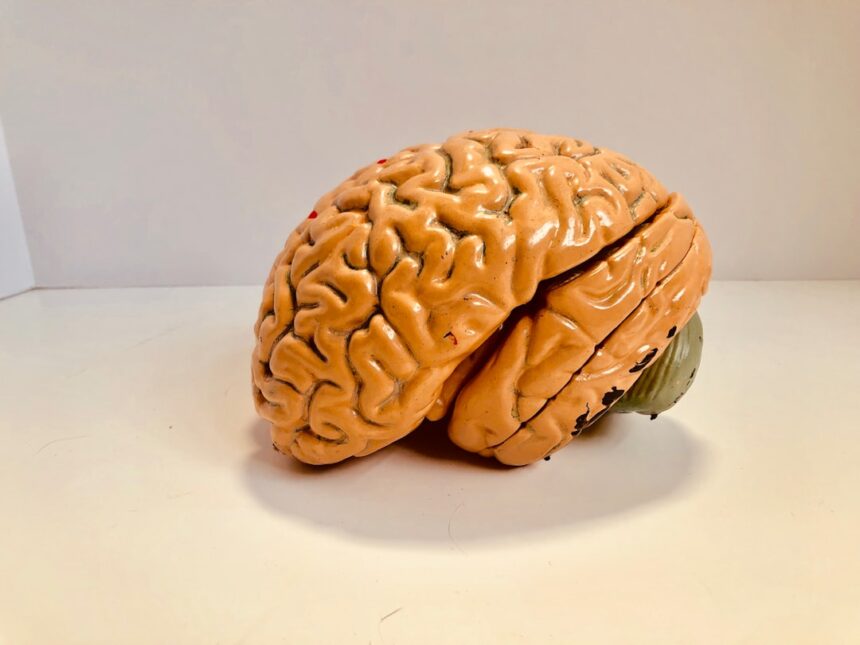
The nervous system is a complex network of specialized cells and fibers that transmits signals throughout the body and coordinates responses to environmental stimuli. This system consists of two primary divisions: the central nervous system (CNS), comprising the brain and spinal cord, and the peripheral nervous system (PNS), which includes all neural pathways extending from the CNS to other body regions. These interconnected systems work together to process information, control bodily functions, and maintain homeostasis.
The nervous system regulates physiological responses to stress and emotional stimuli through the autonomic nervous system. When the body detects a threat, the sympathetic branch of the autonomic nervous system activates the stress response, commonly known as the “fight or flight” reaction. This physiological process increases heart rate, elevates blood pressure, and redirects blood flow to skeletal muscles to prepare the body for immediate action.
While this response serves an important protective function, chronic activation due to persistent stress can contribute to various health complications, including cardiovascular disease, immune system dysfunction, and mental health disorders. Research indicates that effective stress management techniques can help regulate nervous system function and promote overall health outcomes.
Key Takeaways
- The nervous system can be regulated through various relaxation and mindfulness techniques.
- Practices like yoga, tai chi, and progressive muscle relaxation help calm the nervous system.
- Biofeedback, neurofeedback, and acupuncture offer therapeutic approaches for nervous system balance.
- Herbal remedies, aromatherapy, and massage support nervous system calming and overall well-being.
- Maintaining a balanced lifestyle is essential for long-term nervous system health and stress management.
Breathing Techniques for Relaxation
One of the simplest yet most effective ways to calm your nervous system is through conscious breathing techniques. When you focus on your breath, you can activate the parasympathetic nervous system, which promotes relaxation and a sense of calm. Deep breathing exercises, such as diaphragmatic breathing, encourage you to take slow, deep breaths that fill your lungs completely.
As you inhale deeply through your nose, allow your abdomen to expand fully, and then exhale slowly through your mouth. This practice not only helps to lower your heart rate but also reduces feelings of anxiety and stress. Incorporating breathing techniques into your daily routine can be transformative.
You might find it helpful to set aside a few minutes each day for focused breathing exercises. Whether you choose to practice in the morning to set a positive tone for your day or in the evening to unwind before bed, dedicating time to this practice can significantly enhance your overall sense of well-being. As you become more attuned to your breath, you may notice that you can access this calming technique in moments of stress throughout your day, allowing you to regain control over your emotional state.
Mindfulness and Meditation Practices

Mindfulness and meditation are powerful tools for regulating your nervous system and fostering a sense of inner peace. Mindfulness involves being fully present in the moment, observing your thoughts and feelings without judgment. By practicing mindfulness, you can develop a greater awareness of how stress affects your body and mind.
This heightened awareness allows you to respond to stressors more effectively rather than reacting impulsively. You might start by dedicating just a few minutes each day to mindfulness exercises, such as focusing on your breath or observing the sensations in your body. Meditation takes mindfulness a step further by providing a structured practice for quieting the mind.
There are various forms of meditation, including guided meditation, loving-kindness meditation, and transcendental meditation. Each offers unique benefits for calming the nervous system. For instance, guided meditation often involves listening to a teacher who leads you through visualizations or affirmations, helping you cultivate a sense of relaxation and peace.
As you explore different meditation techniques, you may discover which resonates most with you and fits seamlessly into your lifestyle.
Yoga and Tai Chi for Nervous System Regulation
Engaging in physical practices like yoga and Tai Chi can significantly contribute to the regulation of your nervous system. Both disciplines emphasize mindful movement and breath awareness, promoting relaxation while enhancing physical strength and flexibility. Yoga combines postures with breath control and meditation, allowing you to connect with your body on a deeper level.
As you flow through various poses, you may find that tension dissipates, leaving you feeling more grounded and centered. Tai Chi, often described as “meditation in motion,” offers similar benefits through its slow, deliberate movements. This ancient Chinese martial art encourages you to cultivate balance and harmony within yourself while promoting relaxation.
Practicing Tai Chi can help reduce stress levels and improve overall well-being by fostering a sense of calm amidst life’s challenges. Whether you choose yoga or Tai Chi—or perhaps both—you’ll likely find that these practices not only enhance your physical health but also support emotional resilience.
Progressive Muscle Relaxation
| Technique | Description | Effect on Nervous System | Typical Duration | Common Use Cases |
|---|---|---|---|---|
| Deep Breathing | Slow, controlled breaths to increase oxygen intake and promote relaxation | Activates parasympathetic nervous system, reduces sympathetic activity | 5-10 minutes | Stress reduction, anxiety management, improving focus |
| Progressive Muscle Relaxation | Systematic tensing and relaxing of muscle groups | Decreases muscle tension, lowers sympathetic nervous system arousal | 10-20 minutes | Stress relief, insomnia, anxiety disorders |
| Meditation | Focused attention or mindfulness to calm the mind | Enhances parasympathetic activity, reduces cortisol levels | 10-30 minutes | Chronic stress, depression, emotional regulation |
| Biofeedback | Using electronic monitoring to gain awareness and control over physiological functions | Improves autonomic nervous system regulation | 20-60 minutes per session | Hypertension, anxiety, chronic pain |
| Cold Exposure | Brief exposure to cold stimuli (e.g., cold showers) | Stimulates sympathetic nervous system, followed by parasympathetic rebound | 1-5 minutes | Improved mood, increased alertness, inflammation reduction |
| Yoga | Physical postures combined with breath control and meditation | Balances sympathetic and parasympathetic nervous systems | 30-60 minutes | Stress management, flexibility, mental clarity |
Progressive muscle relaxation (PMR) is another effective technique for calming your nervous system. This method involves systematically tensing and relaxing different muscle groups throughout your body, helping you become more aware of physical tension and promoting relaxation. You might begin by finding a comfortable position, either sitting or lying down, and then focusing on one muscle group at a time—starting with your toes and working your way up to your head.
As you tense each muscle group for a few seconds before releasing the tension, you’ll likely notice how much stress resides in areas you may not have been aware of. This practice not only helps alleviate physical tension but also encourages mental relaxation by drawing your attention away from stressors. By incorporating PMR into your routine—perhaps before bed or during moments of heightened anxiety—you can cultivate a greater sense of calm and well-being.
Biofeedback and Neurofeedback

Biofeedback and neurofeedback are innovative techniques that empower you to gain greater control over your physiological responses to stress. Biofeedback involves using electronic monitoring devices to provide real-time feedback on bodily functions such as heart rate, muscle tension, and skin temperature. By becoming aware of these physiological responses, you can learn how to regulate them consciously through relaxation techniques or breathing exercises.
Neurofeedback takes this concept further by focusing specifically on brain activity. Using electroencephalography (EEG) technology, neurofeedback provides insights into brainwave patterns associated with different mental states. By training yourself to alter these patterns through various techniques—such as visualization or mindfulness—you can enhance emotional regulation and reduce anxiety levels.
Both biofeedback and neurofeedback offer valuable tools for understanding and managing your nervous system’s responses, ultimately leading to improved mental health.
Herbal Remedies and Supplements for Calming the Nervous System
In addition to lifestyle practices, certain herbal remedies and supplements can support the health of your nervous system. Herbs like chamomile, valerian root, and passionflower have been traditionally used for their calming properties. Chamomile tea is often enjoyed for its soothing effects on both the mind and body, making it an excellent choice for unwinding after a long day.
Valerian root is another popular option known for its ability to promote relaxation and improve sleep quality. Supplements such as magnesium, omega-3 fatty acids, and B vitamins also play essential roles in maintaining a healthy nervous system.
B vitamins are crucial for energy production and cognitive function. Before incorporating any herbal remedies or supplements into your routine, it’s wise to consult with a healthcare professional to ensure they align with your individual needs.
Acupuncture and Acupressure for Nervous System Balance
Acupuncture and acupressure are ancient practices rooted in Traditional Chinese Medicine that can help restore balance within your nervous system. Acupuncture involves inserting thin needles into specific points on the body to stimulate energy flow (or “qi”) and promote healing. Many individuals report feeling deeply relaxed during acupuncture sessions, as it encourages the release of endorphins—natural painkillers that also promote feelings of well-being.
Acupressure offers similar benefits without needles; instead, it involves applying pressure to specific points on the body using fingers or hands. This technique can be easily practiced at home or with the guidance of a trained practitioner. Both acupuncture and acupressure aim to harmonize the body’s energy systems while alleviating stress and tension.
By exploring these modalities, you may discover new pathways toward achieving balance within your nervous system.
Aromatherapy and Essential Oils for Nervous System Regulation
Aromatherapy harnesses the power of essential oils derived from plants to promote relaxation and emotional well-being. Certain essential oils—such as lavender, bergamot, chamomile, and frankincense—are known for their calming properties. You might consider diffusing these oils in your living space or adding them to a warm bath for an immersive sensory experience that soothes both body and mind.
Incorporating aromatherapy into your daily routine can be as simple as applying diluted essential oils topically or using them in massage oils during self-care rituals. The scent of essential oils can evoke powerful emotional responses, helping you create an environment conducive to relaxation and tranquility. By exploring different essential oils that resonate with you personally, you’ll likely find new ways to support your nervous system’s health.
Massage and Bodywork Techniques for Calming the Nervous System
Massage therapy is another effective method for calming the nervous system while promoting overall well-being. Various massage techniques—such as Swedish massage, deep tissue massage, or even gentle touch therapies—can help release tension stored in muscles while enhancing circulation throughout the body. As skilled hands work on tight areas, you’ll likely experience a profound sense of relaxation that extends beyond just physical relief.
In addition to traditional massage therapy, other bodywork techniques like craniosacral therapy or myofascial release focus on releasing tension held within connective tissues or cranial structures. These modalities encourage deep relaxation while addressing underlying issues contributing to stress or discomfort. By prioritizing regular massage or bodywork sessions in your self-care routine, you’ll cultivate a greater sense of calmness within yourself.
Creating a Balanced Lifestyle for Nervous System Health
Ultimately, achieving optimal nervous system health requires a holistic approach that encompasses various aspects of your life. Creating a balanced lifestyle involves prioritizing self-care practices that nourish both body and mind while fostering resilience against stressors. This may include establishing healthy sleep habits, engaging in regular physical activity, maintaining social connections with supportive individuals, and setting aside time for hobbies that bring joy.
Additionally, being mindful of nutrition plays a vital role in supporting nervous system health. A diet rich in whole foods—such as fruits, vegetables, whole grains, lean proteins, and healthy fats—provides essential nutrients that contribute to overall well-being. By cultivating healthy habits across multiple dimensions of life—physical activity, nutrition, social connections—you’ll create an environment where your nervous system can thrive.
In conclusion, understanding how to regulate your nervous system is key to achieving emotional balance and overall well-being. By incorporating practices such as breathing techniques, mindfulness meditation, yoga, progressive muscle relaxation, biofeedback methods, herbal remedies, acupuncture therapies, aromatherapy applications, massage techniques—and ultimately creating a balanced lifestyle—you’ll empower yourself with tools that promote lasting calmness amidst life’s challenges.
Nervous system regulation techniques are essential for managing stress and enhancing overall well-being. One insightful resource on this topic can be found in the article on the Unplugged Psych website, which discusses various methods to help individuals achieve a balanced state of mind. For more information, you can read the article here: Nervous System Regulation Techniques.
FAQs
What is nervous system regulation?
Nervous system regulation refers to techniques and practices aimed at balancing and stabilizing the autonomic nervous system, which controls involuntary bodily functions such as heart rate, digestion, and respiratory rate. Proper regulation helps manage stress responses and promotes overall well-being.
Why is nervous system regulation important?
Regulating the nervous system is important because it helps reduce stress, anxiety, and symptoms of trauma. It supports emotional resilience, improves focus, enhances sleep quality, and promotes physical health by maintaining a balanced state between the sympathetic (fight or flight) and parasympathetic (rest and digest) nervous systems.
What are common techniques used for nervous system regulation?
Common techniques include deep breathing exercises, mindfulness meditation, progressive muscle relaxation, grounding exercises, yoga, biofeedback, and sensory modulation. These methods help activate the parasympathetic nervous system to calm the body and mind.
How does deep breathing help regulate the nervous system?
Deep breathing stimulates the vagus nerve, which activates the parasympathetic nervous system. This leads to a decrease in heart rate and blood pressure, promoting relaxation and reducing the body’s stress response.
Can nervous system regulation techniques help with anxiety and stress?
Yes, many nervous system regulation techniques are effective in managing anxiety and stress by calming the body’s physiological response to perceived threats, thereby reducing symptoms and improving emotional control.
Are nervous system regulation techniques suitable for everyone?
Most nervous system regulation techniques are safe and beneficial for people of all ages. However, individuals with certain medical or psychological conditions should consult a healthcare professional before starting new practices.
How long does it take to see benefits from nervous system regulation techniques?
Some techniques, like deep breathing or grounding exercises, can provide immediate relief from stress. Long-term benefits, such as improved emotional resilience and reduced anxiety, typically develop with consistent practice over weeks or months.
Can nervous system regulation techniques be combined with other treatments?
Yes, these techniques can complement other treatments such as psychotherapy, medication, or physical therapy. They are often used as part of a holistic approach to mental and physical health.
Is professional guidance necessary for learning nervous system regulation techniques?
While many techniques can be learned independently through books or online resources, professional guidance from therapists or trained instructors can enhance effectiveness and ensure proper practice, especially for individuals with trauma or severe anxiety.
What role does the vagus nerve play in nervous system regulation?
The vagus nerve is a key component of the parasympathetic nervous system. Stimulating the vagus nerve through techniques like deep breathing or cold exposure helps slow the heart rate and promote relaxation, aiding in nervous system regulation.