
As you embark on your spiritual journey, it’s essential to grasp the concept of the spiritual ego. This term refers to the part of your identity that seeks validation and superiority through spiritual achievements or knowledge. Unlike the conventional ego, which is often tied to material success and social status, the spiritual ego is more subtle and can be deceptively alluring.
It manifests as a sense of pride in your spiritual practices, beliefs, or experiences, leading you to feel superior to others who may not share your insights or level of understanding. Recognizing this aspect of yourself is crucial for genuine growth and transformation. The spiritual ego can often masquerade as enlightenment or wisdom, making it challenging to identify.
You might find yourself judging others for their lack of spiritual awareness or feeling a sense of entitlement because of your practices. This can create a false sense of separation between you and those around you, fostering an illusion of superiority. Understanding the spiritual ego is the first step toward dismantling its influence in your life, allowing you to cultivate a more authentic and humble approach to your spiritual path.
Key Takeaways
- The spiritual ego can create a false sense of superiority in one’s spiritual journey.
- Recognizing signs like judgment and pride is key to avoiding the spiritual ego trap.
- Overcoming the spiritual ego involves cultivating humility, self-reflection, and compassion.
- Authentic spiritual growth requires balancing confidence with vulnerability and openness.
- Learning from mistakes and embracing vulnerability strengthens genuine spiritual development.
Signs of the Spiritual Ego Trap
Identifying the signs of the spiritual ego trap can be a pivotal moment in your spiritual journey. One common indicator is a tendency to compare yourself with others. You may find yourself measuring your progress against that of your peers, feeling either inflated by your perceived superiority or deflated by feelings of inadequacy.
This comparison can lead to a toxic cycle where you become preoccupied with how you are perceived rather than focusing on your personal growth and connection with the divine. Another sign is the need for external validation. If you often seek approval from others for your spiritual insights or practices, it may indicate that your spiritual ego is at play.
You might feel compelled to share your experiences on social media or in group settings, not necessarily to inspire others but to reinforce your self-image as a spiritually advanced individual. Recognizing these patterns is essential for breaking free from the confines of the spiritual ego and fostering a more genuine connection with your inner self.
The Dangers of the Spiritual Ego
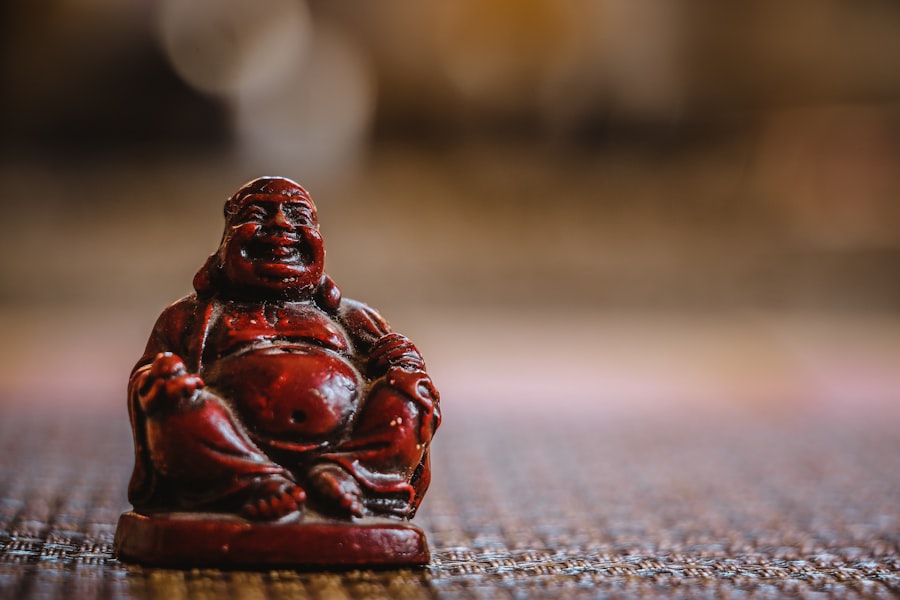
The dangers of allowing the spiritual ego to dominate your life are profound and far-reaching.
When you elevate yourself above others in your spiritual pursuits, you may inadvertently alienate those around you.
This sense of separation can lead to loneliness and disconnection from the very community that could support your growth. Instead of fostering relationships based on mutual understanding and compassion, you may find yourself surrounded by an echo chamber of like-minded individuals who reinforce your inflated self-image. Moreover, the spiritual ego can hinder true progress on your path.
When you become attached to your identity as a “spiritual person,” you may resist confronting uncomfortable truths about yourself. This resistance can stifle personal growth and prevent you from addressing deeper issues that require attention. The pursuit of enlightenment becomes less about genuine transformation and more about maintaining a façade, ultimately leading to stagnation in your spiritual journey.
Overcoming the Spiritual Ego
| Metric | Description | Measurement Method | Typical Range | Notes |
|---|---|---|---|---|
| Self-Awareness Level | Degree to which an individual recognizes their own spiritual ego tendencies | Self-assessment questionnaires, mindfulness scales | Low to High (1-10 scale) | Higher scores indicate better recognition of ego patterns |
| Humility Index | Measure of humility in spiritual practice | Peer feedback, self-report surveys | Low to High (1-10 scale) | Increased humility correlates with overcoming spiritual ego |
| Attachment to Spiritual Identity | Level of attachment to spiritual labels or achievements | Psychological scales assessing identity attachment | Low to High (1-10 scale) | Lower attachment suggests progress in ego transcendence |
| Compassion Frequency | How often compassion is expressed in daily life | Journaling, behavioral observation | Rare to Frequent (times per day) | More frequent compassion indicates reduced ego influence |
| Resistance to Feedback | Degree of defensiveness when receiving constructive criticism | Self-report and observer ratings | High to Low (1-10 scale) | Lower resistance shows diminished spiritual ego |
| Mindfulness Practice Consistency | Regularity of mindfulness or meditation practice | Daily logs or app tracking | Inconsistent to Daily | Consistent practice supports ego dissolution |
Overcoming the spiritual ego requires a conscious effort and a willingness to engage in self-examination. One effective approach is to practice mindfulness. By becoming more aware of your thoughts and feelings, you can begin to identify when your ego is influencing your actions or beliefs.
Mindfulness allows you to observe these patterns without judgment, creating space for reflection and growth. As you cultivate this awareness, you may find it easier to let go of the need for validation and embrace a more authentic version of yourself. Another powerful tool in overcoming the spiritual ego is surrender.
This doesn’t mean giving up on your spiritual practices; rather, it involves relinquishing control over how you perceive your progress and achievements. Embracing surrender allows you to trust in the process of growth without clinging to specific outcomes or comparisons with others. By letting go of the need to be “better” or “more enlightened,” you open yourself up to a deeper connection with your true self and the divine.
Cultivating Humility in Spiritual Practice
Humility is a cornerstone of authentic spiritual practice, serving as an antidote to the pitfalls of the spiritual ego. Cultivating humility involves recognizing that everyone is on their unique journey, and no one path is superior to another. You can begin this process by acknowledging that your experiences and insights are just one piece of a much larger puzzle.
This perspective fosters compassion for others and encourages a sense of unity rather than division. Incorporating humility into your daily practices can also enhance your connection with others. When you approach interactions with an open heart and mind, you create an environment where genuine dialogue can flourish.
This openness allows for shared learning experiences, enriching both your journey and that of those around you. By embracing humility, you not only deepen your own understanding but also contribute positively to the collective spiritual community.
The Importance of Self-Reflection

Self-reflection plays a vital role in navigating the complexities of the spiritual ego. Taking time to examine your thoughts, feelings, and actions can reveal underlying motivations that may be driven by ego rather than genuine intention. Regular self-reflection encourages you to ask difficult questions about your beliefs and practices: Are they truly serving your growth, or are they merely reinforcing an inflated self-image?
This introspective process can be uncomfortable but ultimately leads to greater clarity and authenticity. Incorporating self-reflection into your routine doesn’t have to be daunting. You might consider journaling as a means of exploring your thoughts and feelings more deeply.
Writing down your experiences allows you to track patterns over time, helping you identify moments when your spiritual ego may have taken control. Additionally, engaging in contemplative practices such as meditation can provide valuable insights into your inner landscape, fostering a deeper understanding of yourself and your motivations.
Seeking Authenticity in Spiritual Growth
Authenticity is essential for meaningful spiritual growth, allowing you to connect with your true self rather than an idealized version shaped by external influences. To seek authenticity, start by examining what spirituality means to you personally, rather than adhering strictly to societal expectations or popular trends. This exploration may involve questioning long-held beliefs or practices that no longer resonate with you, creating space for new insights and experiences.
As you pursue authenticity, remember that it’s okay to embrace uncertainty and vulnerability along the way. Your spiritual journey is not linear; it’s filled with twists and turns that contribute to your overall growth. By allowing yourself to be open about where you are in your journey—whether it’s moments of doubt or clarity—you create an environment where true transformation can occur.
Authenticity invites deeper connections with others who resonate with your experiences, fostering a sense of community based on shared understanding rather than competition.
Balancing Confidence and Ego in Spiritual Practice
Finding a balance between confidence and ego in your spiritual practice is crucial for maintaining a healthy perspective on your growth. Confidence stems from a deep understanding of yourself and your abilities, while ego often seeks validation through comparison or superiority over others. To cultivate confidence without falling into the trap of ego, focus on celebrating your achievements without diminishing those of others.
One way to nurture this balance is by setting intentions rooted in service rather than self-aggrandizement.
This mindset fosters genuine confidence that arises from knowing you are part of something greater than yourself.
The Role of Compassion in Overcoming the Spiritual Ego
Compassion is a powerful antidote to the divisive nature of the spiritual ego. By cultivating compassion for yourself and others, you create an environment where judgment gives way to understanding and acceptance. When faced with feelings of superiority or judgment toward others, take a moment to reflect on their struggles and experiences; this practice can help dissolve barriers created by the ego.
Additionally, extending compassion toward yourself is equally important in overcoming the spiritual ego. Acknowledge that everyone makes mistakes and has moments of weakness; this recognition fosters self-acceptance rather than self-criticism. By treating yourself with kindness during challenging times, you create space for growth without being hindered by feelings of inadequacy or shame.
Learning from Mistakes and Missteps in Spiritual Growth
Mistakes and missteps are inevitable aspects of any spiritual journey; they provide valuable opportunities for learning and growth. Instead of viewing these moments as failures driven by ego, reframe them as essential lessons that contribute to your overall development. Embrace each experience as a chance to gain insight into yourself and refine your understanding of spirituality.
When reflecting on mistakes, practice self-compassion rather than harsh judgment. Acknowledge what went wrong without allowing it to define your worth or progress on your path. By learning from these experiences, you cultivate resilience and adaptability—qualities that are essential for navigating the complexities of spiritual growth while keeping the ego at bay.
Embracing Vulnerability in Spiritual Practice
Embracing vulnerability is a transformative aspect of any authentic spiritual practice. It requires courage to expose your true self—flaws, fears, and uncertainties included—rather than hiding behind a façade crafted by the spiritual ego. When you allow yourself to be vulnerable, you create space for deeper connections with others who may share similar struggles or insecurities.
Vulnerability also opens doors for profound personal growth; it encourages exploration beyond comfort zones and invites new experiences into your life. By acknowledging that it’s okay not to have all the answers or be perfect in your practice, you foster an environment where genuine transformation can occur. Embracing vulnerability ultimately leads to greater authenticity in both yourself and your interactions with others on their journeys.
In conclusion, navigating the complexities of the spiritual ego requires ongoing self-awareness, humility, compassion, and vulnerability. By understanding its nature and recognizing its signs within yourself, you can cultivate a more authentic approach to spirituality that fosters genuine growth and connection with others on similar paths. Embrace this journey as an opportunity for continuous learning—one that invites deeper insights into both yourself and the world around you.
To avoid falling into the spiritual ego trap, it’s essential to cultivate self-awareness and humility in your spiritual journey. A related article that delves deeper into this topic is available on Unplugged Psych, which offers valuable insights and practical tips. You can read more about it by visiting this link: Avoiding the Spiritual Ego Trap.
WATCH THIS! The Enlightenment Trap: Why Spiritual Grandiosity Is Just Narcissism
FAQs
What is the spiritual ego?
The spiritual ego refers to an inflated sense of self-importance that can develop when someone believes they are more spiritually advanced or enlightened than others. It often manifests as pride, judgment, or superiority based on one’s spiritual beliefs or practices.
Why is the spiritual ego considered a trap?
The spiritual ego is considered a trap because it contradicts the core principles of many spiritual paths, such as humility, compassion, and self-awareness. It can hinder genuine growth by creating separation rather than unity and can lead to arrogance or closed-mindedness.
How can someone recognize if they have a spiritual ego?
Signs of a spiritual ego include feeling superior to others due to spiritual knowledge, dismissing others’ beliefs, seeking validation for spiritual achievements, or using spirituality to avoid personal issues. Self-reflection and honest assessment of one’s attitudes can help identify these tendencies.
What are some ways to avoid falling into the spiritual ego trap?
To avoid the spiritual ego trap, individuals can practice humility, remain open to learning, focus on inner growth rather than external validation, and cultivate compassion and empathy. Regular self-inquiry and mindfulness can also help maintain awareness of ego-driven behaviors.
Can spiritual practices contribute to the development of a spiritual ego?
Yes, spiritual practices can sometimes contribute to the development of a spiritual ego if they are used to boost one’s self-image or to gain status. It is important to approach spiritual practices with sincerity and without attachment to outcomes or recognition.
Is the spiritual ego the same as the regular ego?
The spiritual ego is a specific form of the regular ego that manifests within the context of spirituality. While the regular ego is the sense of self that seeks identity and validation, the spiritual ego specifically involves using spirituality as a means to reinforce that sense of self in a superior or exclusive way.
Can overcoming the spiritual ego lead to deeper spiritual growth?
Yes, overcoming the spiritual ego can lead to deeper spiritual growth by fostering genuine humility, openness, and connection with others. It allows individuals to engage with spirituality more authentically and to experience greater inner peace and understanding.