
The concept of the Dark Night of the Soul is often shrouded in mystery and misunderstanding. It refers to a profound period of spiritual desolation, existential questioning, and emotional turmoil that many individuals experience at some point in their lives. This journey is not merely a phase of sadness or depression; rather, it is a transformative process that can lead to deeper self-awareness and spiritual awakening.
You may find yourself grappling with feelings of emptiness, confusion, and a sense of disconnection from your previous beliefs and values. This experience can feel isolating, as if you are wandering through a dense fog with no clear path ahead. As you navigate this dark night, it is essential to recognize that you are not alone.
Many have traversed this challenging terrain and emerged with newfound clarity and purpose. The Dark Night of the Soul often serves as a catalyst for personal growth, pushing you to confront your innermost fears and desires. It invites you to question the very foundations of your existence, prompting a reevaluation of what truly matters in your life.
Embracing this journey can be daunting, but it also holds the potential for profound transformation and renewal.
Key Takeaways
- The Dark Night of the Soul involves a profound spiritual and existential crisis marked by emotional turmoil and mental health challenges.
- Recognizing symptoms early, such as deep sadness and confusion, is crucial for seeking appropriate support and guidance.
- Embracing the emotional struggle and practicing self-care can aid in coping and personal transformation.
- Finding meaning and purpose during this difficult phase helps facilitate growth and integration of valuable life lessons.
- Ultimately, the process leads to renewed hope and embracing the light at the end of the tunnel.
Recognizing the Symptoms and Signs
Identifying the symptoms and signs of the Dark Night of the Soul can be crucial in understanding what you are experiencing. You may notice a pervasive sense of sadness or despair that seems to linger despite your efforts to shake it off. This emotional heaviness can manifest in various ways, such as fatigue, irritability, or a general sense of discontentment with life.
You might find yourself withdrawing from social interactions or losing interest in activities that once brought you joy. These feelings can be disorienting, leaving you questioning your mental and emotional well-being. In addition to emotional symptoms, you may also experience physical manifestations of this inner turmoil.
Sleep disturbances, changes in appetite, and unexplained aches and pains can all be indicators that you are undergoing a significant internal shift. It’s important to pay attention to these signs, as they can serve as valuable clues about your emotional state. Recognizing these symptoms is the first step toward understanding the depth of your experience and acknowledging the need for healing and support.
Embracing the Emotional Turmoil
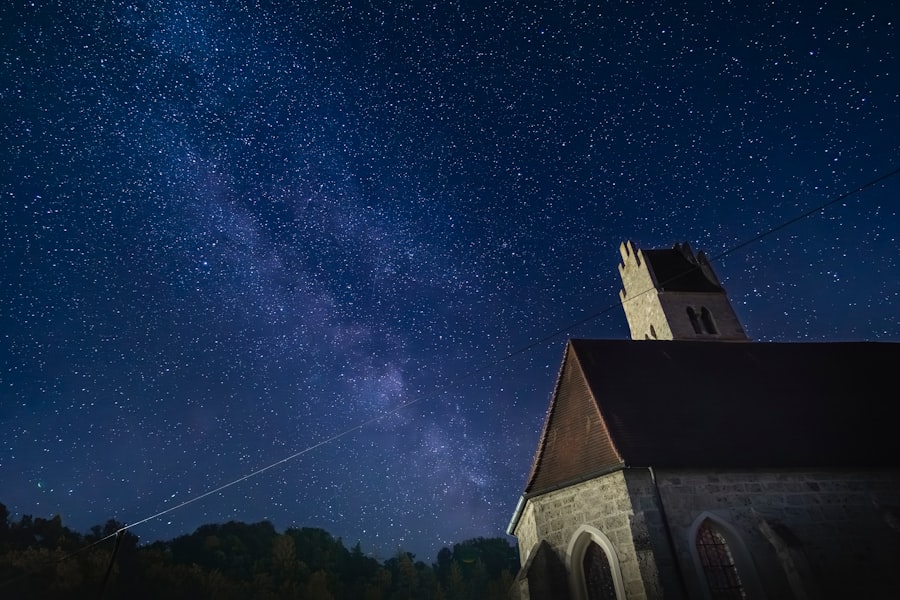
Emotional turmoil is an inherent part of the Dark Night of the Soul, and embracing it can be both challenging and liberating. You may feel overwhelmed by waves of grief, anger, or confusion, but allowing yourself to fully experience these emotions is essential for healing. Instead of suppressing or avoiding these feelings, consider giving yourself permission to feel them deeply.
This process can be cathartic, enabling you to release pent-up emotions that have been buried beneath the surface. As you navigate this emotional landscape, it’s important to practice self-compassion. Acknowledge that it’s okay to feel lost or uncertain during this time.
You are undergoing a significant transformation, and it’s natural for emotions to run high. Journaling can be a powerful tool during this phase; writing down your thoughts and feelings can help you process your experiences and gain clarity on what you are going through. By embracing the emotional turmoil, you open yourself up to healing and growth, allowing the darkness to guide you toward the light.
Seeking Support and Guidance
| Metric | Description | Example Data | Measurement Frequency |
|---|---|---|---|
| Number of Support Requests | Total count of times individuals seek support or guidance | 150 requests/month | Monthly |
| Response Time | Average time taken to provide support or guidance after request | 2 hours | Monthly |
| Support Satisfaction Rate | Percentage of individuals satisfied with the support received | 85% | Quarterly |
| Follow-up Rate | Percentage of cases where follow-up support was requested or provided | 30% | Monthly |
| Types of Support Sought | Categories of support or guidance requested (e.g., emotional, technical, career) | Emotional: 40%, Technical: 35%, Career: 25% | Monthly |
| Support Channel Usage | Distribution of support requests by channel (e.g., in-person, phone, online) | In-person: 50%, Phone: 30%, Online: 20% | Monthly |
During the Dark Night of the Soul, seeking support and guidance can be invaluable. You don’t have to navigate this journey alone; reaching out to trusted friends, family members, or mental health professionals can provide you with the encouragement and understanding you need. Sharing your experiences with others who have gone through similar struggles can foster a sense of connection and validation.
You may find comfort in knowing that others have faced their own dark nights and emerged stronger on the other side. In addition to personal support networks, consider exploring spiritual or therapeutic resources that resonate with you. Engaging in practices such as meditation, yoga, or mindfulness can help ground you during this tumultuous time.
Examining the Spiritual and Existential Crisis
The Dark Night of the Soul often coincides with a spiritual or existential crisis, prompting you to question your beliefs and values. You may find yourself grappling with profound questions about life’s purpose, your identity, and the nature of existence itself. This introspective journey can be unsettling, as it challenges long-held beliefs that may no longer serve you.
Embracing this crisis as an opportunity for growth can lead to a deeper understanding of yourself and your place in the world. As you examine these existential questions, consider exploring various philosophical or spiritual perspectives that resonate with you. Reading literature on spirituality or engaging in discussions with others who share similar interests can provide valuable insights.
This exploration may help you redefine your beliefs and values in a way that aligns more authentically with who you are becoming. Embracing this spiritual crisis as part of your journey can ultimately lead to a more profound sense of purpose and fulfillment.
Exploring the Impact on Mental Health

The Dark Night of the Soul can have significant implications for your mental health. The emotional upheaval associated with this experience may exacerbate feelings of anxiety or depression, making it essential to prioritize your mental well-being during this time. You might find yourself feeling overwhelmed by negative thoughts or struggling with self-doubt.
Recognizing these patterns is crucial for addressing them effectively. It’s important to remember that seeking help is not a sign of weakness but rather an act of strength. If you find that your mental health is deteriorating during this period, consider reaching out to a mental health professional who can provide support tailored to your needs.
Therapy can offer a safe space for you to explore your feelings and develop coping strategies that empower you to navigate this challenging phase with resilience.
Coping Strategies and Self-Care Practices
Implementing coping strategies and self-care practices is vital for navigating the Dark Night of the Soul effectively. You may find solace in establishing a daily routine that incorporates activities that nurture your mind, body, and spirit. Engaging in regular physical exercise can help release pent-up energy and improve your mood, while practices such as meditation or deep breathing exercises can promote relaxation and mindfulness.
Additionally, consider exploring creative outlets as a means of self-expression during this time. Whether through art, music, writing, or any other form of creativity, allowing yourself to express your emotions can be incredibly therapeutic. Surrounding yourself with supportive individuals who uplift and inspire you can also enhance your coping mechanisms.
Remember that self-care is not selfish; it is an essential component of healing that allows you to emerge from this darkness stronger than before.
Finding Meaning and Purpose in the Darkness
Amidst the challenges of the Dark Night of the Soul lies an opportunity for profound discovery—finding meaning and purpose in the darkness. As you confront your fears and uncertainties, consider reflecting on what truly matters to you. This introspective process may reveal hidden passions or aspirations that have been overshadowed by external pressures or societal expectations.
You might find it helpful to create a vision board or write down your goals and dreams during this time of reflection. By visualizing what brings you joy and fulfillment, you can begin to chart a course toward a more meaningful existence. Embracing this journey as an opportunity for growth allows you to transform pain into purpose, ultimately guiding you toward a brighter future.
Embracing the Process of Transformation
Transformation is at the heart of the Dark Night of the Soul experience. As you navigate through this challenging period, it’s essential to embrace the process rather than resist it. Change often comes with discomfort; however, acknowledging that transformation is necessary for growth can help ease some of that discomfort.
You may find yourself shedding old beliefs or habits that no longer serve you, making way for new insights and perspectives. Allowing yourself to be vulnerable during this transformation is crucial. Embrace uncertainty as part of the journey; it’s okay not to have all the answers right now.
Trust that each step forward—no matter how small—brings you closer to a more authentic version of yourself. By surrendering to this process, you open yourself up to new possibilities and experiences that will shape your future.
Integrating the Lessons Learned
As you emerge from the Dark Night of the Soul, integrating the lessons learned becomes paramount for lasting change. Reflect on what this experience has taught you about yourself—your strengths, weaknesses, desires, and fears. Consider how these insights can inform your future choices and relationships.
Integration involves taking these lessons into account as you move forward in life. You might find it helpful to create rituals or practices that honor this integration process. Whether through journaling about your experiences or sharing your story with others, expressing what you’ve learned can solidify these insights within you.
By consciously integrating these lessons into your daily life, you empower yourself to navigate future challenges with greater resilience and wisdom.
Embracing the Light at the End of the Tunnel
Ultimately, embracing the light at the end of the tunnel is a vital aspect of overcoming the Dark Night of the Soul. While this journey may feel overwhelming at times, remember that there is hope on the horizon. As you emerge from this darkness, take time to celebrate your progress and acknowledge how far you’ve come.
The light represents not only healing but also newfound clarity and purpose. As you step into this new chapter of your life, carry with you the lessons learned during your journey through darkness. Embrace gratitude for both the struggles and triumphs; they have shaped who you are today.
By holding onto this light—your renewed sense of self—you empower yourself to face future challenges with courage and resilience, knowing that even in moments of darkness, there is always a path toward healing and growth waiting for you.
The concept of the “dark night of the soul” can be understood through various psychological lenses, shedding light on the transformative journey individuals often undergo during periods of profound despair. For a deeper exploration of this phenomenon, you can refer to the article on Unplugged Psych, which delves into the psychological implications and healing processes associated with such experiences. To read more, visit Unplugged Psych.
WATCH THIS! The Dark Night of the Soul Is a Predictable Psychological Collapse
FAQs
What is the “dark night of the soul” from a psychological perspective?
The “dark night of the soul” refers to a period of intense inner turmoil, confusion, and emotional pain that often leads to profound personal transformation. Psychologically, it is seen as a crisis or a deep existential struggle where an individual confronts their core beliefs, identity, and purpose.
How does the dark night of the soul differ from clinical depression?
While both involve feelings of despair and hopelessness, the dark night of the soul is typically linked to spiritual or existential questioning and growth, whereas clinical depression is a diagnosable mental health disorder characterized by persistent low mood, loss of interest, and other symptoms that require medical treatment.
What psychological processes are involved during the dark night of the soul?
Key processes include self-reflection, emotional catharsis, identity deconstruction, and meaning-making. Individuals often experience a breakdown of old belief systems, leading to a reevaluation of values and a search for deeper purpose.
Can the dark night of the soul lead to positive psychological outcomes?
Yes, despite its painful nature, this experience can result in increased self-awareness, emotional resilience, spiritual growth, and a more authentic sense of self once the individual emerges from the crisis.
How long does a dark night of the soul typically last?
The duration varies widely depending on the individual and circumstances. It can last from weeks to several years, as it involves complex psychological and existential processes that cannot be rushed.
Is professional help recommended during a dark night of the soul?
Seeking support from mental health professionals can be beneficial, especially if the experience includes symptoms of depression or anxiety. Therapy can provide tools to navigate the crisis and integrate the insights gained.
Are there common triggers for experiencing a dark night of the soul?
Common triggers include major life changes, loss, trauma, spiritual awakening, or a profound sense of dissatisfaction with life. These events can prompt deep questioning and emotional upheaval.
How can one cope with the dark night of the soul?
Coping strategies include mindfulness practices, journaling, seeking social support, engaging in therapy, and allowing oneself to fully experience emotions without judgment. Patience and self-compassion are also crucial during this time.
Is the dark night of the soul a universal experience?
Not everyone experiences a dark night of the soul, but many people encounter some form of existential crisis or deep personal challenge at some point in their lives. It is a recognized phenomenon across various cultures and spiritual traditions.
What is the origin of the term “dark night of the soul”?
The term originates from a 16th-century poem by the Spanish mystic St. John of the Cross, describing a spiritual crisis leading to union with the divine. Psychologically, it has been adapted to describe similar transformative inner experiences.