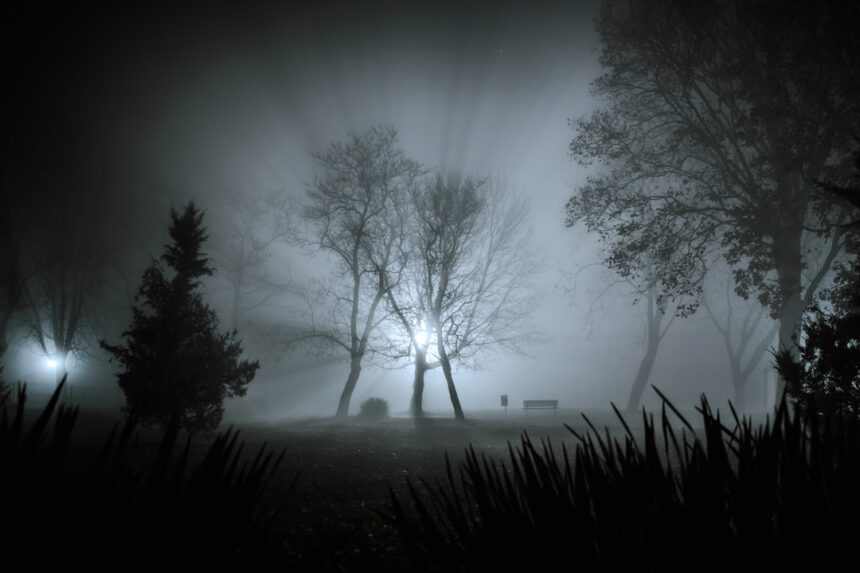
The concept of the Dark Night of the Soul is often shrouded in mystery and misunderstanding. It refers to a profound spiritual crisis that many individuals encounter at some point in their lives. This experience is not merely a phase of sadness or depression; rather, it is a deep, transformative journey that challenges your very essence.
You may find yourself questioning your beliefs, values, and purpose, leading to a sense of disconnection from the world around you. This period can feel isolating, as if you are wandering through a dense fog with no clear path ahead. As you navigate this tumultuous terrain, it’s essential to recognize that the Dark Night of the Soul is not a punishment but an opportunity for growth.
It serves as a catalyst for profound change, pushing you to confront your inner demons and emerge stronger on the other side. Understanding this process can help you approach it with curiosity rather than fear. You may begin to see it as a necessary step in your spiritual evolution, one that ultimately leads to greater self-awareness and enlightenment.
Key Takeaways
- The Dark Night of the Soul is a profound spiritual crisis involving deep inner turmoil and transformation.
- Key signs include feelings of disillusionment, despair, and a sense of losing one’s former self.
- The journey progresses through stages of awakening, healing, acceptance, surrender, and integration.
- Healing involves reconnecting with oneself and embracing change to find new meaning and purpose.
- Ultimately, resilience and renewed perspective allow one to emerge from darkness into spiritual light.
Recognizing the Signs of the Dark Night of the Soul
Recognizing the signs of the Dark Night of the Soul can be challenging, especially when you are engulfed in its depths. You might experience feelings of emptiness or a pervasive sense of dissatisfaction with life. This discontent can manifest in various ways, such as a lack of motivation, persistent anxiety, or an overwhelming sense of confusion.
You may find that activities that once brought you joy now feel hollow and unfulfilling. This disconnection can be alarming, but it is often a signal that something deeper is at play. Another sign to look for is a heightened sense of introspection.
You may find yourself reflecting on your past choices, relationships, and beliefs more than ever before. This self-examination can lead to feelings of regret or guilt, as you confront aspects of yourself that you may have previously ignored. It’s crucial to acknowledge these feelings without judgment; they are part of the process.
By recognizing these signs, you can begin to navigate your way through this challenging period with greater awareness and intention.
The Initial Stage: Disillusionment and Despair

The initial stage of the Dark Night of the Soul is often marked by disillusionment and despair. You may feel as though the foundations of your life are crumbling beneath you, leaving you in a state of confusion and hopelessness. This disillusionment can stem from various sources—perhaps a significant life event has shattered your worldview, or you have come to realize that the dreams you once held dear no longer resonate with your true self.
In this stage, it’s common to grapple with feelings of betrayal by life itself, as if everything you believed in has turned out to be an illusion. During this time, despair can feel all-consuming. You might find yourself questioning your worth and purpose, leading to a pervasive sense of sadness that seems insurmountable.
It’s important to remember that this stage is not permanent; it is merely a part of the journey. Allowing yourself to feel these emotions fully can be cathartic and necessary for healing. Embracing your vulnerability during this time can pave the way for deeper insights and understanding as you move forward.
The Unraveling Stage: Facing Inner Turmoil
| Metric | Description | Typical Range | Impact Level |
|---|---|---|---|
| Emotional Instability | Frequency of mood swings and emotional outbursts | High (daily fluctuations) | Severe |
| Self-Doubt | Intensity of negative self-talk and questioning personal worth | Moderate to High | Moderate to Severe |
| Anxiety Levels | Measured by episodes of worry, panic, or nervousness | Elevated (frequent episodes) | Severe |
| Sleep Disruption | Number of nights with difficulty falling or staying asleep | 3-5 nights per week | Moderate |
| Concentration Difficulty | Degree of trouble focusing on tasks or decision-making | High | Severe |
| Social Withdrawal | Reduction in social interactions and engagement | Significant decrease | Moderate to Severe |
| Physical Symptoms | Occurrence of headaches, fatigue, or stomach issues related to stress | Frequent | Moderate |
As you progress into the unraveling stage, you may find yourself facing intense inner turmoil. This stage often involves confronting the shadows within—those parts of yourself that you have long avoided or suppressed. You might experience emotional upheaval as repressed feelings surface, demanding your attention.
This process can be incredibly uncomfortable, as it forces you to confront aspects of your identity that you may have previously deemed unworthy or unacceptable. In this stage, it’s crucial to cultivate self-compassion and patience. Acknowledge that facing your inner turmoil is an act of bravery and self-love.
You may find solace in journaling or seeking support from trusted friends or professionals who can help guide you through this challenging time. Embracing this unraveling process allows for healing and growth, ultimately leading you closer to your authentic self.
The Awakening Stage: Embracing the Journey of Transformation
The awakening stage marks a significant turning point in your journey through the Dark Night of the Soul. As you begin to embrace the lessons learned from your struggles, you may experience a renewed sense of clarity and purpose. This awakening often comes with a realization that your suffering has been a catalyst for transformation, prompting you to reevaluate your priorities and aspirations.
You might find yourself drawn to new interests or passions that align more closely with your true self. During this stage, it’s essential to remain open to change and growth. Embrace the idea that transformation is not linear; it may come with its own set of challenges and setbacks.
By embracing this journey of transformation, you empower yourself to create a life that resonates with your newfound insights and values.
The Healing Stage: Reconnecting with Self and Spirit

As you enter the healing stage, you may begin to reconnect with both yourself and your spiritual essence. This stage often involves integrating the lessons learned during your journey through darkness into your daily life. You might find comfort in practices such as meditation, yoga, or spending time in nature—activities that nurture your spirit and foster a sense of inner peace.
Reconnecting with yourself allows for healing on multiple levels, enabling you to release old patterns and beliefs that no longer serve you. In this stage, self-care becomes paramount. Prioritizing your well-being can take many forms—whether it’s engaging in creative pursuits, establishing healthy boundaries in relationships, or simply allowing yourself moments of stillness and reflection.
As you nurture your spirit, you may find that your intuition becomes stronger, guiding you toward choices that align with your authentic self. Embracing this healing process is essential for moving forward with confidence and clarity.
The Acceptance Stage: Finding Meaning in the Darkness
The acceptance stage is where you begin to find meaning in the darkness you’ve traversed. Rather than viewing your experiences solely as suffering, you start to recognize them as integral parts of your journey toward growth and enlightenment. Acceptance does not mean resignation; instead, it signifies a willingness to embrace all aspects of your experience—the light and the dark—as valuable teachers on your path.
In this stage, you may find yourself reflecting on how your struggles have shaped your character and resilience. You might discover newfound empathy for others who are experiencing their own dark nights, fostering deeper connections and understanding in your relationships. By finding meaning in your experiences, you empower yourself to move forward with purpose and intention, transforming pain into wisdom.
The Surrender Stage: Letting Go and Allowing Change
The surrender stage invites you to let go of control and allow change to unfold naturally in your life. This process can be daunting; it requires trust in both yourself and the universe. You may find it challenging to release old habits or beliefs that no longer serve you, but surrendering opens up space for new possibilities and growth.
It’s about relinquishing the need for certainty and embracing the unknown. During this stage, practice mindfulness and presence in each moment. Allow yourself to feel whatever arises without judgment or resistance.
Surrendering does not mean giving up; rather, it signifies an active choice to flow with life rather than against it. As you let go of what no longer serves you, you’ll likely discover new opportunities for growth and transformation waiting just beyond the horizon.
The Integration Stage: Embracing the New Self
As you move into the integration stage, you’ll begin to embrace your new self—the person who has emerged from the depths of the Dark Night of the Soul. This stage involves weaving together all the insights gained throughout your journey into a cohesive sense of identity. You may find that your values have shifted significantly; what once mattered may now seem trivial compared to what you’ve learned about yourself.
Integration requires patience and commitment as you navigate this new chapter in your life. It’s essential to honor both who you’ve been and who you’re becoming; each version of yourself has played a role in shaping your journey. Embrace this new self with open arms, allowing it to flourish as you continue to grow and evolve.
The Resilience Stage: Navigating Life with a Renewed Perspective
The resilience stage signifies a newfound strength as you navigate life with a renewed perspective. Having faced adversity head-on, you’ve developed tools and insights that empower you to approach challenges with confidence and grace. This resilience allows you to bounce back from setbacks more easily; rather than feeling defeated by obstacles, you view them as opportunities for growth.
In this stage, it’s important to cultivate gratitude for both the light and dark experiences that have shaped your journey. Acknowledging how far you’ve come fosters a sense of empowerment and encourages you to continue pursuing your passions and dreams. With each challenge faced, you’ll find yourself growing stronger—more equipped to handle whatever life throws your way.
Embracing the Light: Emerging from the Dark Night of the Soul
Emerging from the Dark Night of the Soul is akin to stepping into a new dawn after a long night filled with uncertainty and fear. As you embrace the light that follows this transformative journey, you’ll likely feel a profound sense of liberation—a release from the burdens that once weighed heavily on your spirit. This newfound clarity allows you to approach life with fresh eyes, ready to engage fully with each moment.
In this final stage, celebrate your resilience and growth while remaining open to ongoing transformation. Life will continue to present challenges; however, armed with the wisdom gained from your journey through darkness, you’ll navigate these experiences with grace and confidence. Embrace this light wholeheartedly—it’s a testament to your strength and capacity for growth as you continue on your path toward fulfillment and authenticity.
In conclusion, traversing through the Dark Night of the Soul is an arduous yet profoundly transformative journey that ultimately leads to greater self-awareness and enlightenment. By understanding each stage—from disillusionment to acceptance—you empower yourself to navigate this challenging experience with grace and resilience. Embrace both the darkness and light within yourself; they are integral parts of your unique journey toward wholeness.
The concept of the “dark night of the soul” encompasses various stages of spiritual and emotional transformation, often leading to profound personal growth. For a deeper understanding of this transformative journey, you can explore the article on Unplugged Psych, which delves into the intricacies of these stages and offers insights into navigating through them. Check it out here: Unplugged Psych.
WATCH THIS! The Dark Night of the Soul: A Psychological Roadmap to Spiritual Awakening
FAQs
What is the “Dark Night of the Soul”?
The “Dark Night of the Soul” is a spiritual concept describing a period of deep inner turmoil, confusion, and existential crisis. It often involves feelings of despair, loneliness, and a loss of meaning, leading to profound personal transformation.
Who originally coined the term “Dark Night of the Soul”?
The term was originally coined by the 16th-century Spanish mystic and poet St. John of the Cross in his poem and accompanying commentary titled “Dark Night of the Soul,” which describes the soul’s journey through spiritual purification.
What are the common stages of the Dark Night of the Soul?
Common stages include initial spiritual awakening, feelings of emptiness and despair, intense inner conflict, a sense of abandonment or loss of faith, deep introspection, and eventually, spiritual renewal and enlightenment.
Is the Dark Night of the Soul a psychological or spiritual experience?
It is primarily considered a spiritual experience, though it often overlaps with psychological phenomena such as depression or anxiety. Many view it as a transformative process that integrates both spiritual and psychological growth.
How long does the Dark Night of the Soul typically last?
The duration varies widely among individuals, ranging from weeks to years. The process depends on personal circumstances, spiritual practices, and individual readiness for transformation.
Can anyone experience the Dark Night of the Soul?
Yes, anyone undergoing significant spiritual growth or facing profound life changes can experience the Dark Night of the Soul. It is not limited to any particular religion or belief system.
What are some signs that someone is going through the Dark Night of the Soul?
Signs include feelings of deep sadness or emptiness, loss of interest in previously meaningful activities, questioning of beliefs and values, a sense of isolation, and a longing for deeper understanding or connection.
How can one cope with the Dark Night of the Soul?
Coping strategies include seeking spiritual guidance, practicing meditation or prayer, engaging in self-reflection, maintaining supportive relationships, and sometimes seeking professional counseling to address psychological distress.
Is the Dark Night of the Soul considered a positive or negative experience?
While it is often painful and challenging, the Dark Night of the Soul is generally viewed as a positive, transformative experience that leads to greater spiritual maturity, self-awareness, and inner peace.
Are there any famous works or authors that discuss the Dark Night of the Soul?
Yes, St. John of the Cross’s original work is foundational. Other authors and spiritual teachers, such as Thomas Moore and Elizabeth Lesser, have also written extensively about the concept and its stages.