
When you immerse yourself in a spiritual group, it can be an enlightening experience, offering a sense of belonging and community. However, it is essential to understand the dynamics at play within these groups. Spiritual communities often thrive on shared beliefs and collective experiences, which can create a powerful bond among members.
This bond can foster a supportive environment where individuals feel safe to explore their spirituality. Yet, this same closeness can sometimes lead to an unhealthy dependency on the group or its leaders, blurring the lines between personal beliefs and collective ideology. As you navigate these dynamics, it’s crucial to remain aware of how group interactions can shape your perceptions and beliefs.
The influence of charismatic leaders can be particularly strong, as they often possess the ability to inspire and motivate. However, this influence can also lead to a form of manipulation, where questioning the leader’s authority or the group’s teachings becomes discouraged. By understanding these dynamics, you can better assess your own motivations for being part of the group and ensure that your spiritual journey remains authentic and true to your individual values.
Key Takeaways
- Learn to identify cult-like behaviors and manipulative tactics within spiritual groups.
- Develop critical thinking and question authority to maintain personal autonomy.
- Set clear boundaries and seek support outside the group for a balanced perspective.
- Examine the group’s belief system and understand the influence of group dynamics.
- Prioritize personal growth and seek professional help if experiencing harm or confusion.
Recognizing the Signs of a Cult
Recognizing the signs of a cult is vital for anyone involved in a spiritual group. While not all spiritual communities are cults, certain red flags can indicate a potentially harmful environment. One of the most significant signs is the presence of an authoritarian leader who demands absolute loyalty and obedience.
If you find that questioning the leader or their teachings is met with hostility or punishment, it may be time to reevaluate your involvement. Cults often employ tactics that isolate members from outside influences, making it difficult for you to seek alternative perspectives or support. Another warning sign is the use of fear or guilt to control behavior.
If you feel pressured to conform to specific beliefs or practices out of fear of repercussions—be it social ostracism or spiritual condemnation—this is a clear indication that the group may not have your best interests at heart. Additionally, if the group promotes an “us versus them” mentality, where outsiders are viewed as threats or inferior, it can create an unhealthy environment that stifles personal growth and critical thinking. Being vigilant about these signs can help you protect your well-being and maintain your autonomy.
Developing Critical Thinking Skills

Developing critical thinking skills is essential when engaging with any spiritual group. These skills empower you to analyze information objectively and make informed decisions about your beliefs and practices. As you participate in discussions or teachings, take the time to question the validity of the information presented.
Ask yourself whether the claims made by leaders or fellow members are supported by evidence or if they rely solely on emotional appeals. This analytical approach will help you discern between genuine spiritual insights and manipulative rhetoric. Moreover, fostering critical thinking encourages you to explore diverse perspectives within spirituality.
Engaging with various philosophies and practices can enrich your understanding and prevent you from becoming entrenched in a single viewpoint. By actively seeking out alternative sources of information—whether through books, lectures, or conversations with individuals outside your group—you can cultivate a more nuanced understanding of spirituality. This broader perspective not only enhances your personal growth but also strengthens your ability to engage thoughtfully with others in your community.
Questioning Authority in Spiritual Settings
| Metric | Description | Typical Range | Significance |
|---|---|---|---|
| Frequency of Questioning | How often individuals question spiritual authority figures | Low to High (1-10 scale) | Indicates openness and critical thinking within the community |
| Acceptance of Doubt | Degree to which doubt is tolerated or encouraged in spiritual discussions | Low to High (1-10 scale) | Reflects the flexibility and inclusiveness of the spiritual setting |
| Authority Transparency | Level of openness by leaders about their decisions and beliefs | Low to High (1-10 scale) | Builds trust and reduces blind obedience |
| Consequences of Questioning | Severity of repercussions faced when questioning authority | None to Severe (1-10 scale) | Impacts willingness to engage in critical dialogue |
| Community Support for Questioners | Extent to which community members support those who question authority | Low to High (1-10 scale) | Encourages healthy discourse and spiritual growth |
Questioning authority in spiritual settings can be a daunting task, especially when you are surrounded by individuals who revere their leaders. However, it is crucial to remember that healthy skepticism is a vital component of personal growth. When you challenge the status quo, you open yourself up to deeper insights and a more profound understanding of your beliefs.
It’s important to approach this questioning with respect and curiosity rather than confrontation. By framing your inquiries as genuine attempts to understand rather than as challenges to authority, you can foster constructive dialogue. Additionally, questioning authority does not mean rejecting all guidance or wisdom offered by leaders.
Instead, it involves discerning which teachings resonate with your values and which do not. You have the right to seek clarification on teachings that seem contradictory or unclear. Engaging in open discussions about these topics can lead to greater transparency within the group and encourage others to think critically as well.
Ultimately, questioning authority can empower you and those around you to cultivate a more authentic spiritual experience.
Setting Boundaries in Spiritual Communities
Setting boundaries in spiritual communities is essential for maintaining your well-being and ensuring that your spiritual journey remains healthy and fulfilling. Boundaries help define what is acceptable behavior from others and what you are comfortable with in terms of participation and engagement. It’s important to communicate these boundaries clearly, whether they pertain to personal space, emotional support, or involvement in group activities.
By establishing these limits, you protect yourself from potential manipulation or undue influence. Moreover, setting boundaries allows you to prioritize your own needs while still being part of a community.
It’s essential to honor your feelings and recognize that it’s acceptable to step back from activities that do not serve your growth. By doing so, you create space for authentic connections with others who respect your boundaries and encourage your individuality within the group.
Finding Support Outside of the Group
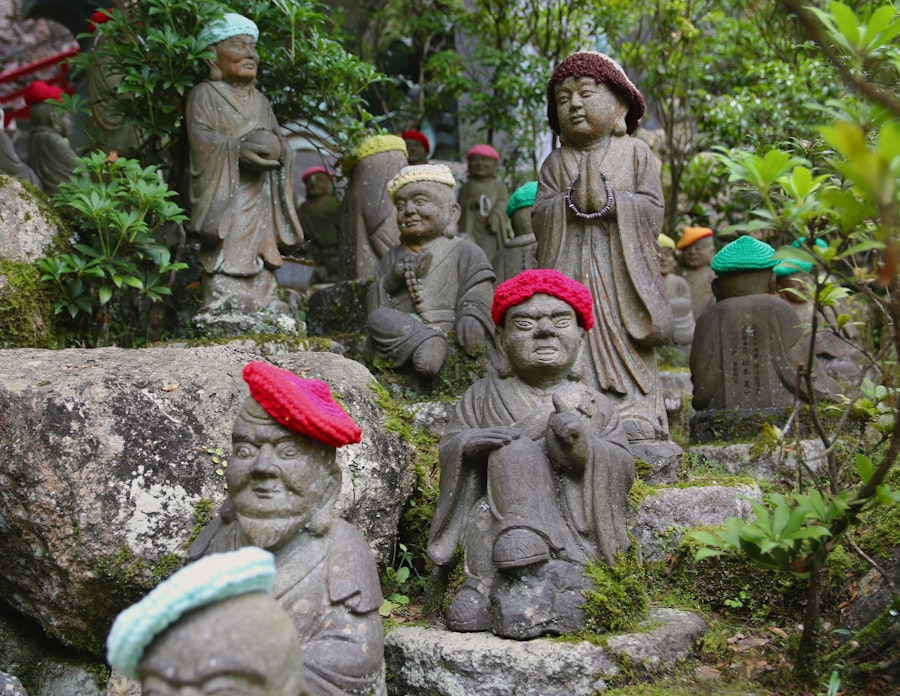
Finding support outside of the group is crucial for maintaining a balanced perspective on your spiritual journey. While being part of a community can provide comfort and camaraderie, relying solely on that group for validation can lead to an echo chamber effect where dissenting opinions are silenced. Seeking support from friends, family, or even professional counselors can offer fresh insights and help you process your experiences more objectively.
Engaging with individuals outside your spiritual community allows you to explore different viewpoints and philosophies that may challenge or enrich your understanding of spirituality. This external support network can also provide a safe space for discussing any concerns or doubts you may have about the group’s teachings or practices. By cultivating relationships beyond the confines of your spiritual community, you empower yourself to grow independently while still benefiting from the connections you’ve made within the group.
Examining the Group’s Belief System
Examining the group’s belief system is an essential step in ensuring that your spiritual journey aligns with your values and principles. Take time to reflect on the core tenets of the group and assess whether they resonate with your personal beliefs. Are there aspects that feel restrictive or dogmatic?
Do the teachings promote inclusivity and compassion, or do they foster division and judgment? By critically evaluating these elements, you can determine whether the group’s ideology supports your growth or hinders it. Additionally, consider how the belief system influences interpersonal relationships within the group.
Are members encouraged to support one another in their individual journeys, or is there pressure to conform to a singular path? A healthy belief system should promote personal exploration while fostering a sense of community. If you find that the group’s teachings prioritize conformity over individuality, it may be time to reassess your involvement and seek out environments that honor diverse expressions of spirituality.
Understanding the Influence of Group Dynamics
Understanding the influence of group dynamics is crucial for navigating any spiritual community effectively. Groups often develop their own culture, which can significantly impact individual behavior and thought processes. You may notice that certain norms emerge over time—such as unspoken rules about how members should interact or what topics are considered acceptable for discussion.
Being aware of these dynamics allows you to recognize when they may be influencing your thoughts or actions in ways that do not align with your authentic self. Moreover, group dynamics can create an environment where dissenting opinions are discouraged or even punished. If you find yourself feeling pressured to conform to group norms at the expense of your own beliefs, it’s essential to take a step back and evaluate whether this environment is conducive to your growth.
Understanding how these dynamics operate can empower you to assert your individuality while still participating in community activities that resonate with you.
Identifying Manipulative Tactics
Identifying manipulative tactics within a spiritual group is vital for protecting yourself from potential harm. Manipulation can take many forms—ranging from emotional coercion to deceptive practices designed to maintain control over members. One common tactic is love-bombing, where new members are showered with affection and attention to create a sense of belonging quickly.
While this may feel welcoming initially, it can lead to dependency on the group’s approval for self-worth. Another manipulative tactic involves gaslighting—where individuals are made to doubt their perceptions or feelings regarding their experiences within the group. If you find yourself questioning your reality based on others’ assertions, it’s essential to trust your instincts and seek clarity about what feels right for you.
By recognizing these tactics early on, you can safeguard yourself against potential exploitation and maintain a healthy relationship with both yourself and the community.
Seeking Professional Help if Needed
If you find yourself struggling with feelings of confusion or distress related to your involvement in a spiritual group, seeking professional help can be an invaluable step toward healing and clarity. Mental health professionals trained in dealing with issues related to cults or high-control groups can provide guidance tailored specifically to your situation.
Additionally, therapy offers a safe space for exploring your beliefs without judgment while equipping you with tools for navigating complex interpersonal dynamics. A professional can assist you in developing coping strategies for managing any anxiety or uncertainty stemming from your experiences in the group. Remember that seeking help is not a sign of weakness; rather, it demonstrates strength and commitment to prioritizing your well-being.
Cultivating Personal Growth and Independence
Cultivating personal growth and independence is essential for anyone involved in a spiritual community. As you navigate your journey, focus on developing practices that nurture self-awareness and self-acceptance. This might include journaling about your experiences, meditating on your values, or engaging in creative outlets that allow for self-expression.
By prioritizing these activities, you reinforce your sense of identity outside of the group context. Moreover, embracing independence means recognizing that spirituality is a deeply personal journey unique to each individual. Allow yourself the freedom to explore different paths without feeling confined by group expectations or norms.
Engage with various philosophies and practices that resonate with you personally—whether through reading diverse texts, attending workshops outside your community, or connecting with individuals who share different perspectives on spirituality. By fostering this sense of independence, you empower yourself to grow authentically while remaining open to new experiences along your spiritual path.
Critical thinking is essential when exploring the beliefs and practices of various spiritual groups, as it allows individuals to discern the validity and impact of these ideologies on their lives. For a deeper understanding of this topic, you can read the article on spiritual exploration and critical thinking at Unplugged Psych. This resource provides valuable insights into how to approach spiritual groups with a discerning mind, fostering a balanced perspective on personal beliefs and communal practices.
WATCH THIS 🛑 The Guru Trap: How Charisma Hacks Your Brain Into Blind Belief
FAQs
What is critical thinking in the context of spiritual groups?
Critical thinking in the context of spiritual groups involves objectively analyzing and evaluating the beliefs, practices, and claims made by these groups. It requires questioning assumptions, seeking evidence, and considering multiple perspectives before accepting any spiritual teachings or affiliations.
Why is it important to apply critical thinking to spiritual groups?
Applying critical thinking helps individuals avoid manipulation, misinformation, and potential harm. It ensures that one’s spiritual journey is based on informed decisions rather than blind faith or pressure. Critical thinking also promotes personal autonomy and helps maintain mental and emotional well-being.
What are common signs that a spiritual group may require critical evaluation?
Signs include demands for unquestioning loyalty, secrecy, financial exploitation, discouragement of questioning or dissent, isolation from friends and family, and claims of exclusive access to truth or salvation. These red flags suggest the need for careful scrutiny.
How can one practice critical thinking when exploring spiritual groups?
One can practice critical thinking by researching the group’s history, leadership, and teachings; seeking out independent reviews and testimonials; asking probing questions; comparing beliefs with established facts; and reflecting on personal values and experiences.
Are all spiritual groups harmful or manipulative?
No, not all spiritual groups are harmful or manipulative. Many provide genuine community, support, and meaningful practices. Critical thinking helps distinguish between healthy groups and those that may exploit or harm members.
Can critical thinking coexist with spiritual faith?
Yes, critical thinking and spiritual faith can coexist. Critical thinking does not necessarily negate faith; rather, it encourages a thoughtful and informed approach to spirituality, allowing individuals to embrace beliefs that resonate with them while remaining open to questioning and growth.
What resources are available for those wanting to critically evaluate spiritual groups?
Resources include books on cult awareness and religious studies, websites dedicated to analyzing spiritual movements, counseling services specializing in spiritual abuse recovery, and support groups for former members of controversial spiritual organizations.