
Community involvement exposes individuals to various forms of social pressure that arise from group expectations, conformity demands, and the maintenance of group cohesion. These pressures operate through both explicit and implicit mechanisms, influencing communication patterns, interpersonal interactions, and decision-making processes within the group structure. Research indicates that community pressure serves dual functions: it can foster social connection and mutual support while simultaneously generating stress and feelings of inadequacy when individuals perceive themselves as unable to meet group standards.
Groups typically establish behavioral and ideological norms that receive positive reinforcement, while deviating perspectives or actions may face social sanctions or marginalization. This dynamic creates environments where individuals may engage in self-censorship or behavioral modification to maintain group acceptance. The tension between personal authenticity and group conformity represents a fundamental challenge in community participation.
Understanding these social mechanisms enables individuals to make informed decisions about their level of engagement and the extent to which they align their personal values with group expectations.
Key Takeaways
- Recognize and set boundaries to manage unhealthy community pressure effectively.
- Communicate openly and address conflicts within spiritual or community groups.
- Balance individual needs with group expectations to maintain personal well-being.
- Cultivate resilience and self-confidence to withstand external pressures.
- Seek support outside the group and professional help when necessary for guidance.
Recognizing the Signs of Unhealthy Community Pressure
As you engage with your community, it’s essential to be aware of the signs that indicate unhealthy pressure is at play. One of the most telling signs is a persistent feeling of discomfort or anxiety when interacting with group members. If you find yourself constantly second-guessing your thoughts or actions to avoid conflict or disapproval, this may signal that the pressure is becoming detrimental to your well-being.
You might also notice that discussions within the group often revolve around conformity rather than individual expression, which can stifle creativity and personal growth. Another indicator of unhealthy community pressure is the presence of guilt or shame associated with your choices. If you feel compelled to participate in activities or adopt beliefs that don’t resonate with you simply to gain acceptance, it’s time to reflect on the nature of your involvement.
You may also observe that dissenting opinions are met with hostility or ridicule, creating an environment where open dialogue is discouraged. Recognizing these signs is the first step toward reclaiming your autonomy and ensuring that your participation in the community aligns with your values.
Setting Boundaries in Spiritual Groups
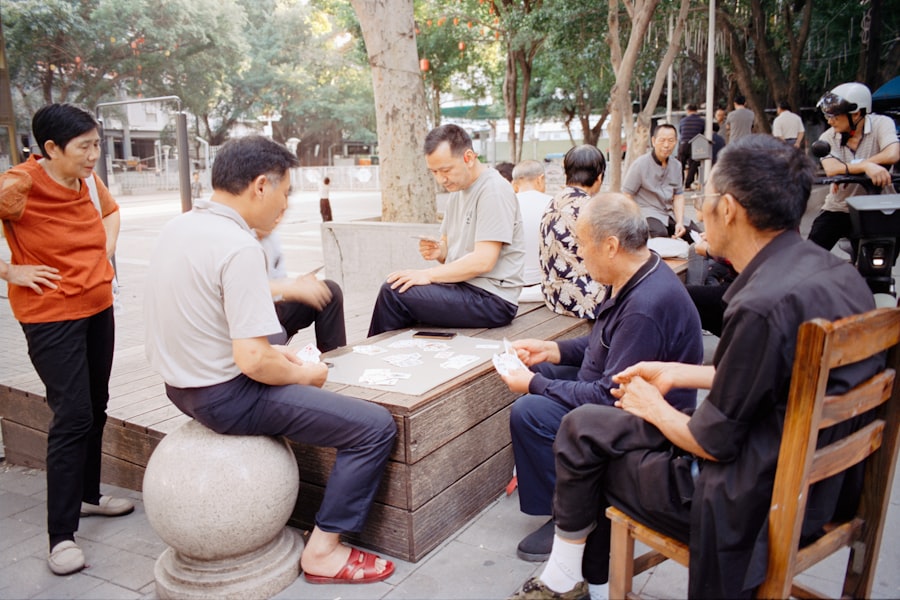
Establishing boundaries within spiritual groups is vital for maintaining your sense of self and ensuring that your needs are met. You may find that spiritual communities often encourage deep emotional connections and shared experiences, which can sometimes blur the lines between personal space and communal involvement. It’s essential to communicate your limits clearly and assertively, allowing others to understand what you are comfortable with and what you are not.
This can help prevent feelings of overwhelm and ensure that your spiritual journey remains authentic. Setting boundaries also involves recognizing when certain practices or beliefs do not serve your personal growth. You might feel pressured to engage in rituals or discussions that conflict with your values or beliefs.
By articulating your boundaries, you empower yourself to participate in ways that resonate with you while respecting the collective ethos of the group. Remember, healthy boundaries foster mutual respect and understanding, allowing for a more enriching experience for everyone involved.
Communicating Effectively with Group Members
Effective communication is key to navigating community dynamics and ensuring that your voice is heard. When engaging with group members, strive for clarity and honesty in expressing your thoughts and feelings. You may find it helpful to use “I” statements to convey your perspective without placing blame or creating defensiveness among others.
For instance, saying “I feel overwhelmed when…” rather than “You always make me feel overwhelmed…” can foster a more constructive dialogue. Additionally, active listening plays a crucial role in effective communication. When you genuinely listen to others, you create an environment where everyone feels valued and understood.
This not only strengthens relationships but also encourages open discussions about any pressures or conflicts that may arise within the group. By fostering an atmosphere of respect and understanding, you contribute to a healthier community dynamic where all members can thrive.
Seeking Support Outside of the Group
| Metric | Description | Typical Values/Range | Impact on Members |
|---|---|---|---|
| Group Size | Number of active members in the spiritual group | 10 – 500+ | Larger groups may exert more social pressure |
| Frequency of Meetings | How often the group meets (weekly, monthly, etc.) | 1 – 8 times per month | More frequent meetings increase community bonding and pressure |
| Conformity Expectation | Degree to which members are expected to conform to group norms | Low, Medium, High | High conformity can lead to stronger social pressure |
| Social Support Level | Extent of emotional and practical support provided by the group | Low to Very High | High support can increase member retention despite pressure |
| Pressure to Participate | Intensity of encouragement or coercion to engage in group activities | Minimal, Moderate, Intense | Intense pressure may cause stress or withdrawal |
| Leadership Style | Type of leadership (authoritative, democratic, laissez-faire) | Authoritative, Democratic, Laissez-faire | Authoritative leadership often increases pressure |
| Member Turnover Rate | Percentage of members leaving the group annually | 5% – 30% | High turnover may indicate excessive pressure or dissatisfaction |
| Public Perception | Community’s general attitude towards the group | Positive, Neutral, Negative | Negative perception can increase external pressure on members |
While being part of a community can provide valuable support, it’s equally important to seek assistance outside of the group when needed. Engaging with friends, family, or professionals who are not part of the community can offer fresh perspectives and help you process any challenges you may be facing. You might find that discussing your experiences with someone who is not directly involved allows for greater objectivity and clarity.
Additionally, seeking support outside the group can help you maintain a balanced perspective on your involvement. It’s easy to become entrenched in the group’s culture and lose sight of your individual needs and desires. By reaching out to external sources of support, you can gain insights that empower you to make informed decisions about your participation in the community while ensuring that your well-being remains a priority.
Addressing Conflict within the Group

Conflict is an inevitable part of any community dynamic, but how you address it can significantly impact your experience. When disagreements arise, it’s essential to approach them with a mindset geared toward resolution rather than escalation.
This approach fosters an environment where constructive dialogue can flourish. Moreover, it’s crucial to recognize that conflict can also serve as an opportunity for growth within the group. By addressing issues openly, you contribute to a culture of transparency and accountability that benefits everyone involved.
You may find that resolving conflicts leads to stronger relationships and a deeper understanding among members, ultimately enhancing the overall health of the community.
Finding Balance between Individual and Group Needs
Striking a balance between individual needs and those of the group is essential for fostering a healthy community environment. You may often feel torn between wanting to contribute to collective goals and honoring your personal aspirations. It’s important to recognize that both aspects are valid and deserve attention.
By prioritizing self-care and personal growth alongside group involvement, you create a more sustainable approach to participation. To achieve this balance, consider setting aside time for self-reflection and personal development outside of group activities. Engaging in practices such as journaling or meditation can help clarify your values and goals, allowing you to approach group involvement with renewed energy and purpose.
Remember that a thriving community is one where individual members feel empowered to pursue their paths while contributing meaningfully to the collective journey.
Examining the Role of Leadership in Managing Community Pressure
Leadership plays a pivotal role in shaping the dynamics of any community. As a member, it’s essential to observe how leaders manage pressure within the group and whether they foster an inclusive environment that values diverse perspectives. Effective leaders should encourage open dialogue about expectations and pressures while promoting individual autonomy among members.
If you notice that leadership tends toward authoritarianism or discourages dissenting opinions, it may be time to reassess your involvement. Moreover, strong leadership should model healthy behaviors by setting boundaries and encouraging members to do the same. When leaders prioritize well-being over conformity, they create a culture where everyone feels safe expressing their thoughts and feelings without fear of judgment or reprisal.
As you engage with your community, consider how leadership influences your experience and whether it aligns with your values.
Cultivating Resilience and Self-Confidence
Building resilience and self-confidence is crucial for navigating community pressures effectively. You may encounter challenges that test your beliefs or push you out of your comfort zone; developing resilience allows you to bounce back from these experiences stronger than before. Consider engaging in activities that challenge you personally—whether through public speaking, creative expression, or taking on leadership roles within the group—to bolster your confidence.
Additionally, practicing self-compassion is vital for cultivating resilience. Acknowledge that it’s okay to struggle or feel uncertain at times; these feelings are part of being human. By treating yourself with kindness during difficult moments, you reinforce your ability to persevere through challenges while maintaining a positive self-image.
Reflecting on Personal Values and Beliefs
Regularly reflecting on your personal values and beliefs is essential for ensuring that your involvement in any community aligns with who you are at your core. Take time to consider what truly matters to you—what principles guide your decisions? What beliefs resonate deeply within you?
Engaging in this introspective process allows you to clarify your priorities and make informed choices about how you participate in group activities. As you reflect on your values, consider how they intersect with those of the community. Are there areas where alignment exists?
Are there conflicts that need addressing? By examining these connections thoughtfully, you empower yourself to navigate any pressures while remaining true to who you are.
Seeking Professional Help when Necessary
Finally, it’s important to recognize when seeking professional help may be beneficial for navigating community pressures effectively. If you find yourself feeling overwhelmed by anxiety or struggling with self-doubt due to group dynamics, consulting a therapist or counselor can provide valuable support and guidance. Professionals can offer tools for managing stressors while helping you develop strategies for asserting yourself within the community.
Remember that seeking help is not a sign of weakness; rather, it demonstrates strength and self-awareness as you prioritize your mental health and well-being. By taking proactive steps toward addressing any challenges you face within the community context, you empower yourself to thrive both individually and collectively. In conclusion, navigating community pressure requires awareness, communication skills, boundary-setting abilities, and a commitment to personal growth.
By understanding these dynamics and actively engaging in practices that promote well-being—both individually and collectively—you can cultivate a fulfilling experience within any community while remaining true to yourself.
Community pressure can significantly influence the dynamics within spiritual groups, often shaping beliefs and practices in ways that may not align with individual members’ values. For a deeper understanding of how these pressures manifest and affect group cohesion, you can explore the article on this topic at this link.
FAQs
What are community pressure spiritual groups?
Community pressure spiritual groups are organizations or gatherings where members may experience social or emotional pressure to conform to specific beliefs, practices, or behaviors within a spiritual or religious context.
How does community pressure manifest in spiritual groups?
Community pressure can manifest through expectations to participate in rituals, adopt certain lifestyles, avoid questioning leadership, or conform to group norms, often reinforced by social approval or fear of exclusion.
Are all spiritual groups prone to community pressure?
Not all spiritual groups exert community pressure. Many promote individual growth and freedom of belief. However, some groups may have stronger social dynamics that encourage conformity.
What are the potential effects of community pressure in spiritual groups?
Potential effects include stress, loss of personal autonomy, emotional distress, and in some cases, difficulty leaving the group due to fear of social isolation or judgment.
How can individuals recognize unhealthy community pressure in spiritual groups?
Signs include feeling coerced to act against personal values, fear of questioning leaders, social isolation for dissent, and pressure to conform without room for personal interpretation.
Can community pressure in spiritual groups be positive?
In some cases, community support and shared values can foster a sense of belonging and motivation. However, when pressure overrides personal choice, it becomes problematic.
What steps can someone take if they feel overwhelmed by community pressure in a spiritual group?
They can seek support from trusted friends or counselors, set personal boundaries, educate themselves about their rights, and consider disengaging from the group if necessary.
Is community pressure unique to spiritual groups?
No, community pressure can occur in various social groups, including workplaces, families, and social clubs, but it may have unique implications in spiritual contexts due to beliefs and identity.
Are there resources available for people affected by community pressure in spiritual groups?
Yes, there are support groups, counseling services, and organizations specializing in spiritual abuse and recovery that can provide assistance.
How can spiritual groups minimize harmful community pressure?
By promoting open dialogue, respecting individual autonomy, encouraging questioning, and fostering an inclusive environment that values diverse perspectives.