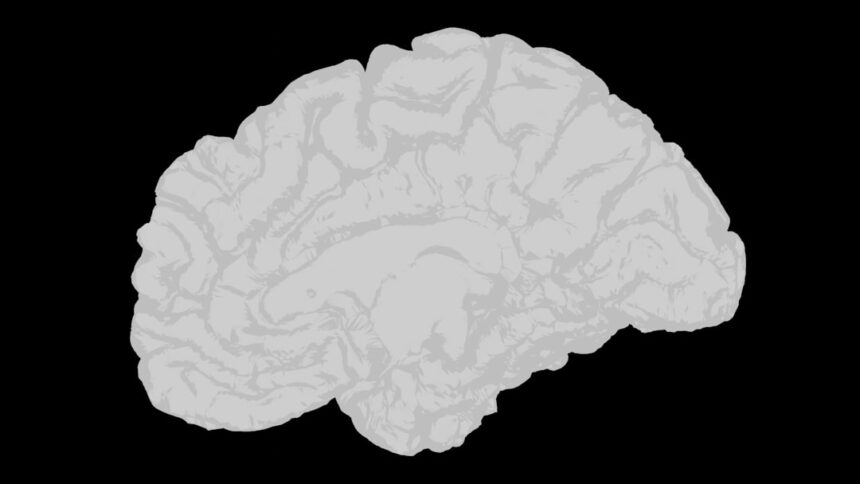
The amygdala is a small, almond-shaped cluster of nuclei located deep within the temporal lobes of the brain. It serves a critical function in processing emotions, particularly those associated with fear and pleasure. When an individual encounters a stressful situation, the amygdala activates, initiating a series of physiological responses that prepare the body for action.
This process is commonly known as the “fight or flight” response, which has both adaptive and maladaptive aspects. While this response mechanism helps individuals react to immediate threats, hyperactivity in the amygdala can contribute to elevated anxiety and stress levels, highlighting the importance of understanding this brain region’s function. Knowledge about the amygdala’s involvement in emotional processing can facilitate more effective anxiety management.
Recognizing that fear and anxiety responses originate from this neural structure allows individuals to distinguish between emotional reactions and objective circumstances. This recognition enables a more analytical approach to emotions, promoting self-awareness rather than self-criticism. Understanding the amygdala’s neurobiological functions provides a foundation for implementing strategies to regulate its impact on emotional health.
Key Takeaways
- The amygdala plays a central role in processing anxiety and emotional responses.
- Identifying personal anxiety triggers is crucial for effective coping strategies.
- Grounding techniques help manage dissociation and promote reconnection with the present.
- Professional help and a strong support system enhance recovery and emotional stability.
- Mindfulness, meditation, and self-care practices support ongoing mental health and well-being.
Recognizing Anxiety Triggers
To manage anxiety effectively, it is vital for you to identify the specific triggers that provoke your feelings of unease. Triggers can vary widely from person to person; they may include social situations, work-related stress, or even certain environments. By paying close attention to your emotional responses in different contexts, you can begin to map out what specifically causes your anxiety.
Keeping a journal can be an effective tool in this process, allowing you to document your feelings and the circumstances surrounding them. Once you have identified your triggers, you can start to develop strategies to cope with them. For instance, if crowded places make you anxious, you might choose to limit your exposure to such environments or practice relaxation techniques beforehand.
Understanding your triggers not only helps you prepare for challenging situations but also empowers you to take control of your emotional landscape. This self-awareness is a crucial step toward reducing the power that anxiety holds over you.
Coping with Amygdala Anxiety

Coping with anxiety rooted in the amygdala requires a multifaceted approach. One effective strategy is to engage in deep breathing exercises.
You might find it helpful to practice diaphragmatic breathing, where you focus on expanding your abdomen rather than just your chest. This technique not only reduces immediate feelings of anxiety but also trains your body to respond more calmly in future stressful situations. Another coping mechanism involves cognitive restructuring, which allows you to challenge and reframe negative thought patterns associated with anxiety.
When you notice anxious thoughts arising, take a moment to question their validity. Are they based on facts or assumptions? By reframing these thoughts into more balanced perspectives, you can reduce the intensity of your emotional responses.
This practice not only helps in managing immediate anxiety but also fosters resilience over time.
Managing Dissociation Symptoms
Dissociation can often accompany anxiety, manifesting as feelings of detachment from reality or a sense of being disconnected from oneself. If you experience these symptoms, it’s essential for you to recognize that they are a natural response to overwhelming stress or trauma. Understanding that dissociation serves as a protective mechanism can help alleviate some of the fear associated with these experiences.
However, it’s equally important to develop strategies for managing these symptoms when they arise. One effective way to manage dissociation is through grounding techniques. These practices help anchor you in the present moment and reconnect you with your surroundings.
For example, focusing on physical sensations—like the feeling of your feet on the ground or the texture of an object in your hand—can help bring you back to reality. Engaging in activities that require concentration, such as puzzles or art projects, can also serve as effective grounding methods, allowing you to redirect your focus away from distressing thoughts.
Techniques for Grounding and Reconnecting
| Metric | Description | Typical Findings | Relevance to Amygdala, Anxiety, and Dissociation |
|---|---|---|---|
| Amygdala Volume | Measurement of the size of the amygdala via MRI | Reduced volume in some anxiety disorders; variable in dissociation | Smaller amygdala may correlate with altered emotional processing in anxiety and dissociation |
| Amygdala Activation | Functional MRI measurement of amygdala response to emotional stimuli | Increased activation in anxiety; decreased or altered activation in dissociation | Heightened amygdala response linked to anxiety; dissociation may involve dampened response |
| Heart Rate Variability (HRV) | Autonomic nervous system metric reflecting stress response | Lower HRV in anxiety; variable in dissociative states | Reduced HRV indicates heightened stress and anxiety; dissociation may show different patterns |
| Skin Conductance Response (SCR) | Physiological measure of sweat gland activity related to arousal | Elevated SCR in anxiety; blunted SCR in dissociation | Increased arousal in anxiety; dissociation often involves emotional numbing |
| Self-Reported Anxiety Scores | Questionnaire-based assessment (e.g., STAI) | High scores in anxiety disorders; variable in dissociation | Reflects subjective experience of anxiety, which may be altered in dissociative states |
| Dissociation Scale Scores | Assessment of dissociative symptoms (e.g., DES) | Elevated in dissociative disorders; may co-occur with anxiety | Measures degree of dissociation, often inversely related to amygdala hyperactivity |
Grounding techniques are invaluable tools for anyone dealing with anxiety or dissociation. One simple yet powerful method is the “5-4-3-2-1” exercise, which encourages you to engage your senses actively. Start by identifying five things you can see around you, then four things you can touch, three things you can hear, two things you can smell, and finally one thing you can taste.
This exercise not only helps ground you in the present moment but also shifts your focus away from anxious thoughts. Another effective grounding technique involves visualization. Picture a safe space—this could be a real place you’ve visited or an imagined sanctuary where you feel completely at ease.
Close your eyes and immerse yourself in this visualization, paying attention to the details: the colors, sounds, and scents that make this space comforting for you. By regularly practicing these grounding techniques, you can create a mental toolkit that helps you navigate moments of anxiety and dissociation more effectively.
Seeking Professional Help
While self-help strategies are valuable, there may come a time when seeking professional assistance becomes necessary for managing anxiety and its associated symptoms. A mental health professional can provide tailored support and guidance based on your unique experiences and needs. Therapy options such as cognitive-behavioral therapy (CBT) have proven effective in treating anxiety disorders by helping individuals identify and change negative thought patterns.
In addition to traditional therapy, exploring alternative treatments like mindfulness-based stress reduction or eye movement desensitization and reprocessing (EMDR) may also be beneficial for you. These approaches can offer new perspectives on managing anxiety and help address underlying issues contributing to your emotional distress. Remember that seeking help is a sign of strength; it demonstrates your commitment to improving your mental health and overall well-being.
Building a Support System
Creating a robust support system is essential for navigating the challenges of anxiety and dissociation. Surrounding yourself with understanding friends and family members who are willing to listen can provide immense comfort during difficult times. Open communication about your experiences fosters deeper connections and allows others to offer support in ways that resonate with you.
In addition to personal relationships, consider joining support groups where individuals share similar experiences. These groups provide a safe space for discussing feelings and coping strategies while reducing feelings of isolation. Engaging with others who understand what you’re going through can be incredibly validating and empowering as you work toward managing anxiety together.
Practicing Mindfulness and Meditation
Mindfulness and meditation practices are powerful tools for cultivating awareness and reducing anxiety levels. By focusing on the present moment without judgment, you can create a sense of calm amidst chaos. Start by dedicating just a few minutes each day to mindfulness exercises—this could involve simply observing your breath or engaging in mindful walking where you pay attention to each step.
Meditation offers an opportunity for deeper introspection and relaxation. You might explore guided meditations available through apps or online platforms that cater specifically to anxiety relief. As you develop a consistent practice, you’ll likely notice an increased ability to manage stressors more effectively and a greater sense of peace within yourself.
Creating a Safe Environment
Your environment plays a significant role in how you feel emotionally and mentally. Creating a safe space at home where you can retreat when feeling overwhelmed is essential for managing anxiety effectively. Consider decluttering your living area and incorporating elements that bring you joy—such as plants, calming colors, or personal mementos—that promote relaxation.
Additionally, establishing routines within this safe space can provide structure and predictability during times of uncertainty. Whether it’s setting aside time for self-care activities or designating specific areas for relaxation or creativity, having a sanctuary where you feel secure can significantly impact your overall well-being.
Exploring Therapeutic Approaches
There are numerous therapeutic approaches available that cater specifically to individuals dealing with anxiety and dissociation symptoms. Cognitive-behavioral therapy (CBT) remains one of the most widely recognized methods for addressing anxiety disorders by helping individuals identify negative thought patterns and replace them with healthier alternatives. Other therapeutic modalities worth exploring include dialectical behavior therapy (DBT), which focuses on emotional regulation and interpersonal effectiveness; acceptance and commitment therapy (ACT), which encourages acceptance of thoughts and feelings; and somatic experiencing, which emphasizes bodily awareness as a means of processing trauma.
Each approach offers unique tools that may resonate with you as you navigate your journey toward healing.
Embracing Self-Care Practices
Finally, embracing self-care practices is vital for maintaining emotional balance and resilience against anxiety triggers. Prioritize activities that nourish both your body and mind—whether it’s engaging in regular physical exercise, enjoying creative hobbies, or spending time in nature. These practices not only enhance your overall well-being but also serve as effective outlets for stress relief.
Additionally, consider incorporating healthy lifestyle choices into your routine—such as balanced nutrition, adequate sleep, and hydration—to support optimal mental health.
In conclusion, understanding the amygdala’s role in anxiety is just the beginning of a journey toward emotional well-being.
By recognizing triggers, developing coping strategies, seeking professional help when needed, building supportive relationships, practicing mindfulness, creating safe environments, exploring therapeutic approaches, and embracing self-care practices, you empower yourself to manage anxiety more effectively and cultivate a fulfilling life despite its challenges.
Research on the relationship between the amygdala, anxiety, and dissociation has gained significant attention in recent years. A related article that delves into these topics can be found on Unplugged Psych, which explores how the amygdala’s response to stress can lead to various anxiety disorders and dissociative symptoms. For more insights, you can read the article [here](https://www.unpluggedpsych.com/).
WATCH THIS 🛑 Depersonalization: Why 50% of People Feel ‘Unreal’ (And How to Fix It)
FAQs
What is the amygdala?
The amygdala is a small, almond-shaped cluster of nuclei located deep within the temporal lobes of the brain. It plays a key role in processing emotions, especially fear and anxiety, and is involved in memory formation related to emotional events.
How is the amygdala related to anxiety?
The amygdala is critically involved in the brain’s fear response and anxiety regulation. Overactivity or heightened sensitivity of the amygdala has been linked to increased anxiety levels and anxiety disorders, as it can amplify the perception of threat and emotional responses.
What does “amygdala anxiety dissociation” mean?
Amygdala anxiety dissociation refers to a phenomenon where there is a disconnect or altered interaction between the amygdala’s activity and the experience or expression of anxiety. This can manifest as anxiety symptoms without typical amygdala activation or vice versa, indicating complex neural mechanisms underlying anxiety.
Can amygdala dysfunction cause dissociation in anxiety?
Yes, dysfunction or atypical activity in the amygdala can contribute to dissociative symptoms in anxiety disorders. This may involve impaired processing of emotional stimuli or disrupted communication with other brain regions, leading to feelings of detachment or disconnection often seen in dissociation.
How is amygdala activity measured in anxiety research?
Amygdala activity is commonly measured using neuroimaging techniques such as functional magnetic resonance imaging (fMRI) and positron emission tomography (PET). These methods allow researchers to observe changes in blood flow or metabolic activity in the amygdala during anxiety-provoking tasks or stimuli.
Are there treatments targeting the amygdala for anxiety?
While treatments do not directly target the amygdala, many anxiety therapies aim to modulate its activity indirectly. These include cognitive-behavioral therapy (CBT), exposure therapy, and certain medications like selective serotonin reuptake inhibitors (SSRIs) that can reduce amygdala hyperactivity and alleviate anxiety symptoms.
Is amygdala anxiety dissociation a recognized clinical diagnosis?
No, amygdala anxiety dissociation is not a formal clinical diagnosis. It is a term used in research contexts to describe specific neural patterns or phenomena related to anxiety and amygdala function, rather than a standalone disorder.
Can amygdala anxiety dissociation occur in all anxiety disorders?
Amygdala-related dissociation phenomena may be observed in various anxiety disorders, including generalized anxiety disorder, panic disorder, and post-traumatic stress disorder (PTSD). However, the extent and nature of amygdala involvement can vary depending on the specific disorder and individual differences.
What is the significance of studying amygdala anxiety dissociation?
Studying amygdala anxiety dissociation helps researchers understand the complex neural mechanisms underlying anxiety and dissociative symptoms. This knowledge can contribute to developing more targeted and effective treatments for anxiety disorders and related conditions.
Are there lifestyle changes that can influence amygdala activity and anxiety?
Yes, lifestyle factors such as regular physical exercise, mindfulness meditation, adequate sleep, and stress management techniques can help regulate amygdala activity and reduce anxiety symptoms. These approaches promote overall brain health and emotional resilience.