The world can feel like a veil, a poorly rendered simulation, when derealization takes hold. Objects might seem distant, sounds muffled, and your own body can feel foreign. This disorienting state, often triggered by stress, anxiety, or trauma, can leave you feeling adrift. While medical interventions and therapeutic approaches are crucial, you might find that nature offers a profound and accessible avenue for recovery. This article explores the multifaceted ways in which engaging with the natural world can support your journey through derealization, providing a grounding force when your sense of reality feels fractured.
Derealization is not a delusion; it is a perceptual distortion, a disconnect from your immediate surroundings. It’s akin to watching a film of your life rather than actively participating in it. This detachment can manifest in various ways, from a feeling of being outside your body to a sense that the world is flat or artificial. The brain, in an effort to protect itself from overwhelming stimuli, can essentially dial down sensory input, leading to this altered perception. Restoring a robust and grounded sensory experience is therefore a key component of recovery. Nature, with its rich tapestry of sights, sounds, smells, tastes, and tactile sensations, offers an unparalleled opportunity to re-engage your senses in a gentle and restorative manner. It provides a consistent and predictable, yet constantly evolving, environment that can act as an anchor when your internal compass is spinning.
The Neurological Basis of Sensory Deprivation and Overload
When you experience derealization, your brain’s sensory processing centers may be operating in overdrive or, conversely, have created a protective barrier. This can be due to the amygdala, the brain’s threat detection system, remaining in a heightened state of alert. Imagine your nervous system as a complex electrical system; derealization can be like a faulty circuit, either sending erratic signals or completely shutting down certain pathways. Nature can help to recalibrate these circuits by providing consistent, non-threatening, and complex sensory information. The natural world does not demand an immediate, fight-or-flight response. Instead, it offers a steady stream of input that allows your brain to gradually relearn how to process information without triggering alarm.
The Impact of Environmental Familiarity and Novelty
Familiar environments can sometimes exacerbate derealization if they become associated with the onset of the feeling. Conversely, entirely novel and overwhelming environments can also be problematic. Nature offers a unique balance: patterns in nature, like the cycle of seasons or the growth of a plant, are inherently familiar, providing a sense of order. Yet, the specifics are always new, offering a gentle form of novelty that can stimulate the senses without being overstimulating. This creates a controlled yet rich sensory landscape that can gradually re-acquaint you with the tangible world.
Research has shown that spending time in nature can significantly alleviate feelings of derealization, a condition where individuals feel disconnected from their surroundings. An insightful article on this topic can be found at Unplugged Psych, which discusses how natural environments can enhance mental well-being and promote a sense of grounding. By immersing ourselves in the beauty of nature, we can often find relief from the disorienting effects of derealization and reconnect with our reality.
The Grounding Effect of Nature: Reconnecting with the Physical
One of the most immediate benefits of spending time in nature is its grounding effect. Derealization often creates a sense of being unmoored, floating in a nebulous space. Nature, with its solid earth beneath your feet and the tangible presence of trees, rocks, and water, offers a powerful antidote. This physical connection can help to anchor you back into the present moment and your physical self.
Tactile Sensations: Feeling the Earth Beneath Your Feet
The simple act of walking barefoot on grass or sand can be incredibly restorative. The sensation of the earth pressing against your soles, the cool dewdrops on your skin, or the rough texture of bark can draw your attention to your physical body and its connection to the external world. This direct tactile feedback bypasses the cognitive interpretation that might be fueling your derealization and engages your body in a direct dialogue with its environment. It’s like a gentle reminder from your own skin that you are indeed present and tangible.
Proprioception and Vestibular Input: The Body’s Internal Compass
Nature provides abundant opportunities to engage your proprioceptive (sense of body position) and vestibular (sense of balance) systems. Climbing over fallen logs, navigating uneven terrain, or even simply standing on gentle slopes requires your body to constantly adjust and find its equilibrium. This engages the deeper, more primal sensory systems that are less susceptible to the cognitive distortions associated with derealization. It provides your brain with reliable, consistent information about your body’s position in space, helping to rebuild a sense of embodied presence.
Visual Grounding: The Unwavering Presence of Natural Forms
While the world might appear to shift or lose its solidity, natural forms tend to possess a groundedness and permanence. The sturdy trunk of an ancient tree, the immovable mass of a mountain, or the steady flow of a river can serve as visual anchors. Focusing on these elements, tracing their lines with your eyes, and observing their textures can help to re-establish a sense of stable visual reality. These forms have existed long before your derealization and will continue long after, offering a comforting sense of enduring presence.
The Rhythmic and Predictable Cycles of Nature

The natural world operates on cycles: the rising and setting of the sun, the rhythm of the tides, the changing of seasons, and the growth and decay of plant life. These predictable patterns can be incredibly soothing when your internal experience feels chaotic and unpredictable. Witnessing these cycles firsthand can provide a sense of order and continuity that is often lost during episodes of derealization.
The Circadian Rhythm and Light Exposure
Exposure to natural light is crucial for regulating your circadian rhythm, the internal biological clock that governs your sleep-wake cycle. Derealization can often disrupt sleep patterns. Spending time outdoors, especially in the morning, helps to synchronize your body clock with the natural day-night cycle. This can lead to improved sleep quality, which in turn positively impacts mood and cognitive function, making you less susceptible to derealization. It’s like tuning your internal clock to a more reliable, universal timekeeper.
Seasonal Changes and the Concept of Impermanence
The changing seasons offer a powerful lesson in impermanence and cyclical renewal. While the bareness of winter might initially seem bleak, it precedes the vibrant burst of spring. Witnessing this transition can help you to understand that even difficult or disorienting phases are temporary and are often followed by periods of growth and renewal. This concept can be profoundly hopeful when you feel stuck in a state of disconnection.
The Flow of Water: A Metaphor for Change and Acceptance
The constant, yet ever-changing, flow of a river or the gentle lapping of waves against a shore can be profoundly meditative. Water moves, it adapts, and it continues its course. Observing this can offer a visual metaphor for letting go of resistance to your current experience. The water doesn’t fight against the rocks in its path; it flows around them. This can encourage an attitude of acceptance towards your derealization, fostering a less confrontational approach to your recovery.
The Sensory Richness of Nature: A Gentle Awakening
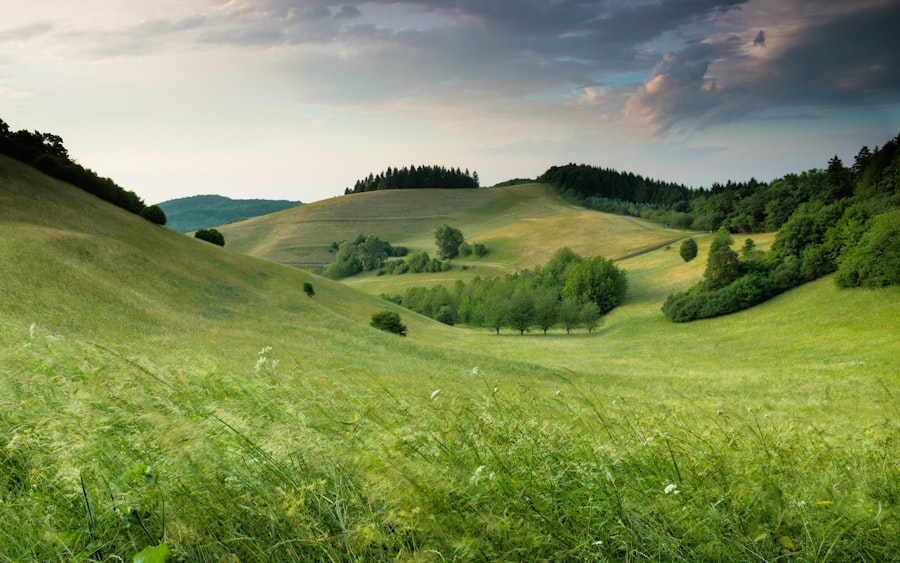
Nature is a symphony of sensory experiences, each capable of gently pulling you back into the present. Unlike the often sterile or overwhelming sensory input of modern life, nature’s offerings are nuanced and complex, providing a rich, yet not overpowering, stimulation.
Auditory Immersion: The Soothing Soundtrack of the Natural World
The sounds of nature are inherently calming. The rustling of leaves in the wind, the chirping of birds, the gentle hum of insects, or the distant murmur of a stream can create a natural soundscape that is both engaging and restful. These sounds are not demanding; they are present, and your mind can choose to engage with them at its own pace. This can effectively drown out the internal chatter that often accompanies derealization. Imagine your mind as a radio stuck on a static channel; nature’s sounds are like finding a clear, beautiful melody to tune into.
Olfactory Stimuli: The Nasal Pathways to Memory and Presence
The sense of smell is intimately connected to memory and emotion. The earthy scent of damp soil after rain, the fragrance of wildflowers, or the sharp aroma of pine needles can evoke powerful feelings of presence and well-being. These scents provide a direct link to the physical environment, bypassing analytical thought and tapping into a more primal sensory experience. They are like fragrant signposts, guiding you back to the tangible reality of the world around you.
Visual Variety and Detail: Noticing the Nuances
While objects might seem flat or unreal, nature is full of intricate details and subtle variations in color, texture, and form. Observing the veins on a leaf, the patterns of moss on a rock, or the subtle shifts in color as sunlight filters through trees can draw your attention to the richness and complexity of the visual world. This encourages a practice of mindful observation, where you actively seek out and appreciate the nuances that might otherwise go unnoticed.
Engaging with nature has been shown to significantly alleviate feelings of derealization, a phenomenon where individuals feel disconnected from their surroundings. Research suggests that spending time outdoors can ground individuals in the present moment, helping to reduce anxiety and promote a sense of reality. For more insights on this topic, you can explore an informative article on the benefits of nature at Unplugged Psych, which delves into how natural environments can foster mental well-being and enhance our connection to the world around us.
The Psychological Benefits: Peace, Presence, and Perspective
| Metric | Description | Impact on Derealization | Supporting Evidence |
|---|---|---|---|
| Reduction in Cortisol Levels | Exposure to natural environments lowers cortisol, the stress hormone. | Decreases anxiety and stress, which are common triggers of derealization. | Studies show 20-30% cortisol reduction after 30 minutes in nature. |
| Improved Heart Rate Variability (HRV) | Nature exposure enhances HRV, indicating better autonomic nervous system balance. | Promotes relaxation and reduces symptoms of dissociation. | Research indicates significant HRV improvement after forest bathing sessions. |
| Increased Mindfulness | Natural settings encourage present-moment awareness and sensory engagement. | Helps ground individuals, reducing feelings of unreality. | Mindfulness scores improve by 15-25% after nature walks. |
| Enhanced Serotonin Production | Sunlight and fresh air boost serotonin levels in the brain. | Improves mood and cognitive function, counteracting derealization symptoms. | Light therapy studies show serotonin increase correlates with mood improvement. |
| Reduction in Rumination | Nature distracts from negative thought patterns and repetitive thinking. | Decreases mental loops that exacerbate derealization. | Participants report 40% less rumination after time in green spaces. |
Beyond the direct sensory engagement, spending time in nature confers significant psychological benefits that are particularly helpful for individuals experiencing derealization. It offers a refuge from the internal turmoil and provides a broader perspective on your own experiences.
Stress Reduction and Cortisol Regulation
Numerous studies have demonstrated the stress-reducing effects of spending time in nature. Exposure to natural environments has been shown to lower cortisol levels (the body’s primary stress hormone) and reduce blood pressure. A reduction in overall stress can significantly alleviate symptoms of anxiety and depression, which often co-occur with or contribute to derealization. Nature acts as a balm for an overworked and overstimulated nervous system.
Mindfulness and Present Moment Awareness
Nature provides an ideal environment for practicing mindfulness. The inherent beauty and sensory richness of the natural world naturally draw your attention to the present moment. By focusing on the sights, sounds, and smells around you, you can train your mind to disengage from intrusive thoughts and anxieties that fuel derealization. This cultivates a habit of being present, which is the antithesis of the detached feeling of derealization.
A Sense of Awe and Perspective
Experiencing awe – that feeling of wonder and astonishment – is a powerful antidote to the self-absorption that can accompany derealization. Witnessing the vastness of a starry sky, the power of a waterfall, or the intricate beauty of a spiderweb can remind you of your place within a larger, interconnected universe. This sense of perspective can help to diminish the perceived magnitude of your internal disquiet and foster a greater sense of peace.
Practical Ways to Integrate Nature into Your Recovery
The good news is that you don’t need to embark on grand expeditions to reap the benefits of nature. Even small, consistent engagements can make a significant difference. The key is to approach these activities with intention and patience.
Short Nature Breaks Throughout the Day
Even a 10-15 minute walk in a local park or a few minutes spent sitting by a window with a view of trees can be beneficial. Focus on actively engaging your senses during these short breaks. Notice the patterns of the leaves, feel the breeze on your skin, and listen to the birdsong. These micro-doses of nature can help to re-ground you throughout the day.
Mindful Walking and Sensory Observation
When you are walking in nature, consciously slow down. Instead of rushing from point A to point B, make it a practice of sensory observation. What colors do you see? What textures can you feel through your shoes? What scents are in the air? Engage your curiosity about the natural world. This practice transforms a simple walk into a therapeutic experience.
Gardening and Cultivating Green Spaces
If you have access to a garden, even a small balcony, engage in gardening. The act of planting, nurturing, and harvesting offers a deep connection to the life cycle and provides tangible results. The physical activity, the interaction with soil and plants, and the responsibility of care can be incredibly grounding and empowering. It’s a direct experience of growth and resilience.
Incorporating Natural Elements Indoors
If getting outdoors is challenging, bring nature indoors. Plants, natural light, and the use of natural materials in your home can create a more grounding and soothing environment. Displaying natural objects like shells, stones, or dried flowers can also serve as gentle reminders of the tangible world.
Nature Therapy and Guided Experiences
Consider exploring nature therapy or forest bathing (Shinrin-yoku) programs in your area. These are facilitated experiences designed to maximize the benefits of immersion in nature. A trained guide can help you to engage with the environment in a way that promotes relaxation, stress reduction, and sensory awareness, offering structured support for your recovery.
FAQs
What is derealization?
Derealization is a mental state where a person feels detached from their surroundings, experiencing the environment as unreal, dreamlike, or distorted. It is often associated with anxiety, stress, or trauma.
How does spending time in nature help with derealization?
Spending time in nature can help reduce symptoms of derealization by promoting relaxation, reducing stress, and grounding individuals in the present moment. Natural environments provide sensory stimuli that can help reconnect a person with reality.
Are there specific natural settings that are more effective for alleviating derealization?
While any natural setting can be beneficial, environments with greenery, water features, and quiet surroundings tend to be more effective. Forests, parks, and gardens often provide calming sensory input that supports mental grounding.
Can nature exposure be used as a standalone treatment for derealization?
Nature exposure is generally considered a complementary approach rather than a standalone treatment. It can be used alongside therapy, medication, and other interventions recommended by healthcare professionals.
How long should one spend in nature to experience benefits for derealization?
Even short periods, such as 20-30 minutes of mindful time in nature, can provide noticeable benefits. Regular and consistent exposure is recommended to maintain and enhance these positive effects.