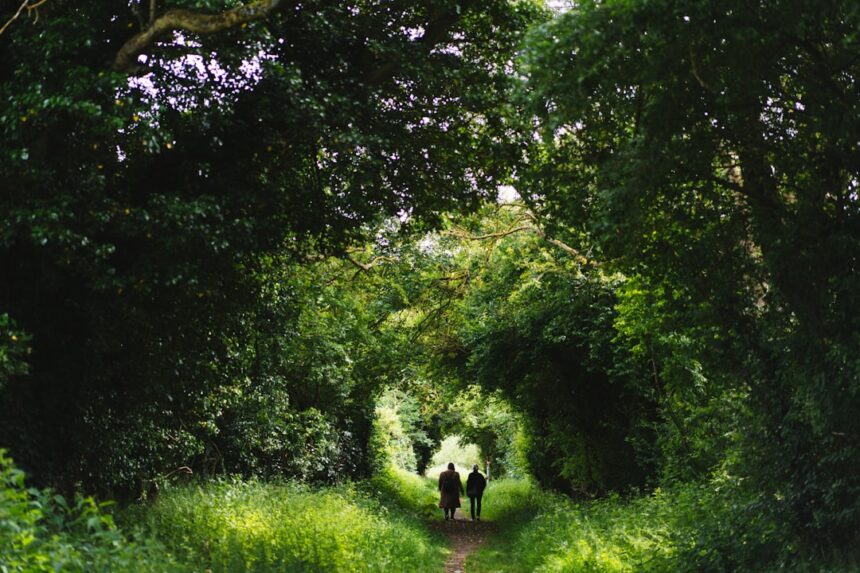
You find yourself at a crossroads, perhaps navigating the turbulent waters of stress, anxiety, or the subtle currents of an unforeseen illness. The modern world, with its relentless demands and constant digital hum, often leaves you feeling fractured, a ship adrift in a sea of information. How, then, do you regain your bearings? How do you mend the fissures that appear in the edifice of your well-being? The answer, surprisingly, may lie not in a new pharmaceutical breakthrough or a complex therapeutic regimen, but in a practice as old as humanity itself: a nature walk.
The concept of “ecotherapy” or “green therapy” is not a whimsical notion but a burgeoning field of scientific inquiry. Numerous studies, conducted across diverse populations and methodologies, consistently demonstrate the profound physiological and psychological benefits of exposure to natural environments. You are, in essence, a biological entity, and your ancestral lineage is deeply intertwined with the natural world. Discover the fascinating world of brain science through this insightful video.
Diminished Stress Response
One of the most immediate and tangible effects you will experience during a nature walk is a reduction in your body’s stress response. You are, at times, a coiled spring, ready to snap under pressure. Research indicates that just 20 to 30 minutes in a natural setting can significantly decrease levels of cortisol, often dubbed the “stress hormone.” Think of it as a natural tranquilizer, administered not through a syringe, but through the gentle embrace of the outdoors. Your heart rate, which may be racing prematurely, will begin to slow, and your blood pressure, perhaps elevated due to chronic tension, will gradually decrease. The sympathetic nervous system, responsible for the “fight or flight” response, yields to the parasympathetic nervous system, which promotes “rest and digest.” This physiological shift is not merely anecdotal; it is observable and measurable.
Enhanced Mood and Cognitive Function
Beyond stress reduction, nature embarks on a restorative journey for your mind. You may find your thoughts, usually a cacophony of worries and plans, begin to quiet. Studies utilizing Functional Magnetic Resonance Imaging (fMRI) have shown that spending time in nature activates areas of the brain associated with empathy and emotional stability, while decreasing activity in the subgenual prefrontal cortex, a region implicated in rumination and negative self-talk. Your attention, typically fragmented by digital distractions, becomes more focused. This phenomenon is often attributed to Attention Restoration Theory (ART), which posits that natural environments allow for “soft fascination,” engaging your attention effortlessly and allowing your directed attention to replenish. Imagine your mental bandwidth as a battery; nature is a slow, consistent charger, unlike the rapid, often draining charges of urban stimulation.
Improved Sleep Quality
The relationship between nature exposure and sleep is multifaceted. You understand the profound impact that a restless night can have on your daily functioning. Regular exposure to natural light during a nature walk helps to regulate your circadian rhythm, your body’s internal clock. This synchronization of your biological processes with the natural light-dark cycle is crucial for healthy sleep patterns. Furthermore, the physical activity inherent in walking, even at a moderate pace, contributes to better sleep. The reduction in stress and anxiety achieved during your time outdoors also has a direct positive correlation with sleep quality. You are, in essence, helping your body prepare for a more profound and restorative slumber.
Nature walks have been increasingly recognized for their therapeutic benefits, particularly in aiding recovery from stress and anxiety. A related article that delves deeper into this topic can be found on Unplugged Psych, which explores how immersing oneself in natural environments can enhance mental well-being and promote healing. For more insights, you can read the article here: Unplugged Psych.
The Physical Benefits: A Foundation for Recovery
While the psychological advantages are often highlighted, the physical benefits of nature walks form a crucial foundation for overall recovery. You cannot compartmentalize your well-being; emotional and physical health are inextricably linked.
Cardiovascular Health
Engaging in regular nature walks, particularly those involving inclines or varied terrain, constitutes a form of moderate-intensity exercise. This contributes significantly to your cardiovascular health. Your heart, a tireless pump, benefits from the increased demand for oxygen and blood flow. Regular cardiovascular exercise strengthens the heart muscle, improves circulation, and can help to lower cholesterol levels and blood pressure, thereby reducing your risk of heart disease and stroke. Consider your heart as an engine; consistent, moderate use ensures its longevity and efficiency.
Musculoskeletal Strengthening
The act of walking utilizes a vast array of muscles in your legs, core, and even your upper body if you engage your arms. Navigating uneven paths, stepping over roots, or climbing slight inclines challenges your balance and proprioception – your body’s awareness of its position in space. This not only strengthens your muscles and bones but also improves your joint flexibility and stability. For individuals recovering from injury or managing chronic pain, low-impact activities like nature walks can be invaluable for rebuilding strength and mobility without exacerbating existing conditions. You are, in essence, an intricate machine, and regular, varied movement is the lubricant that keeps your parts functioning optimally.
Enhanced Immune Function
Emerging research suggests a fascinating link between nature exposure and immune system robustnes. You are constantly battling unseen pathogens, and a strong immune system is your primary defense. Studies on “forest bathing” (Shinrin-yoku) in Japan have shown that spending time in forested areas can increase the number and activity of natural killer (NK) cells, a type of white blood cell crucial for fighting infections and even cancer. This effect is thought to be partly due to inhaling phytoncides, airborne chemicals emitted by trees. Consider your immune system as a sophisticated army; nature provides it with a strategic advantage.
Accessibility and Simplicity: A Low-Barrier Intervention
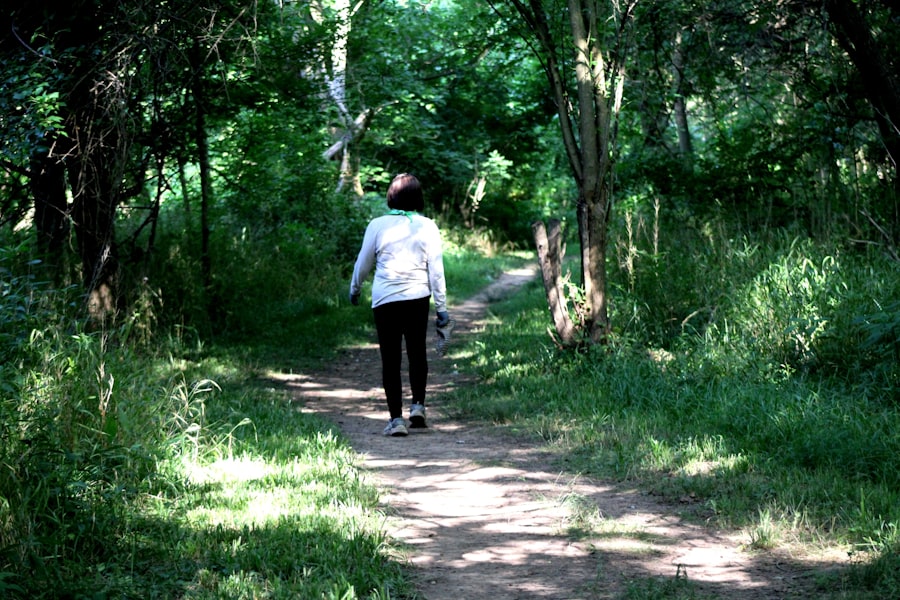
One of the most compelling aspects of nature walks as a recovery tool is its inherent accessibility and simplicity. You do not require expensive equipment, specialized training, or a prescription.
No Specialized Equipment Required
Unlike many forms of rehabilitation or therapeutic interventions, a nature walk requires minimal investment. Comfortable shoes are often the only prerequisite. You can wear your existing outdoor clothing; there is no need for bespoke gear. This low barrier to entry makes it an equitable and readily available resource for a broad spectrum of individuals. You are not beholden to brand names or technological advancements; the restorative power is inherent in the environment itself.
Integration into Daily Routine
You can integrate nature walks into your daily routine with relative ease. A quick stroll during your lunch break, a weekend hike, or even a walk through a local park can yield significant benefits. The absence of a rigid schedule or high-pressure expectations makes it a sustainable practice. You can adjust the duration and intensity to suit your current physical and mental state. It is a flexible tool, adaptable to your unique circumstances, like a multi-purpose wrench in your toolkit for well-being.
Self-Paced and Non-Competitive
Unlike many forms of exercise or therapy, nature walks are inherently self-paced and non-competitive. There is no performance anxiety, no pressure to keep up with others, or to achieve a particular outcome beyond your personal sense of well-being. You are the sole arbiter of your pace and your focus. This autonomy is crucial for individuals who may feel overwhelmed or disempowered by other recovery modalities. It is an invitation, not a demand.
Cultivating Mindfulness in Nature
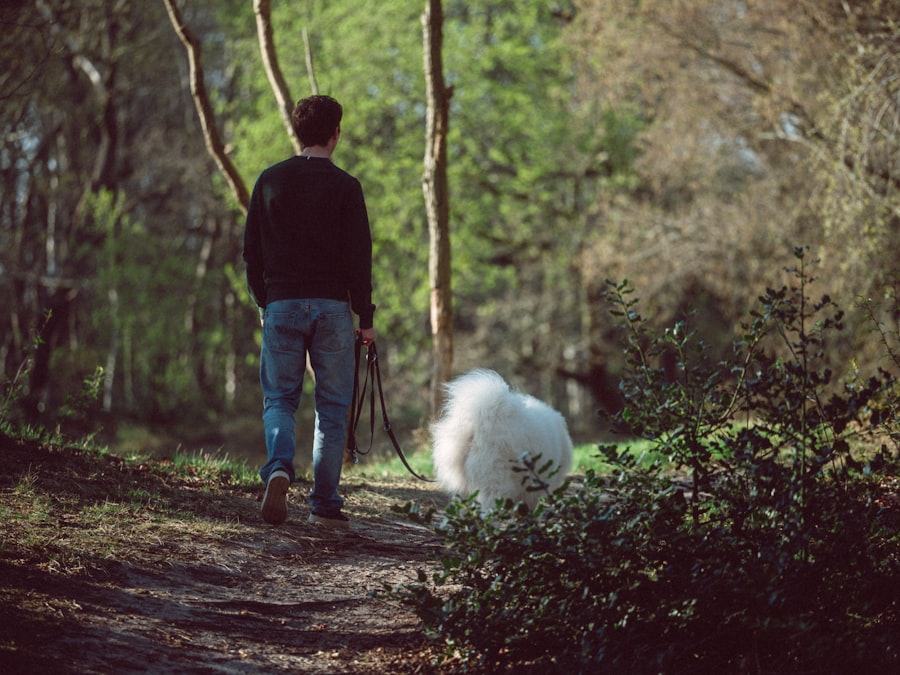
Beyond the physiological and psychological benefits, nature walks offer a unique opportunity to cultivate mindfulness – a state of present-moment awareness. You are often caught in the relentless current of past regrets or future anxieties. Nature offers an anchor.
Engaging the Senses
A nature walk encourages you to engage all your senses. You are invited to consciously observe the intricate patterns of sunlight filtering through leaves, the subtle variations in the texture of bark, or the vibrant hues of blooming flowers. You listen to the rustle of leaves underfoot, the chirping of birds, or the distant murmur of a stream. You might inhale the earthy scent of damp soil after rain, or the fragrant aroma of wildflowers. This sensory engagement pulls you away from internal monologue and anchors you in the external world. It is a recalibration of your attentional focus.
Detachment from Technology
A crucial component of cultivating mindfulness in nature is the deliberate detachment from technology. Your smartphone, a constant companion and source of distraction, should be minimized or ideally, left behind. When you are constantly connected to the digital realm, you are less connected to your immediate environment. The absence of notifications and the imperative to respond fosters a sense of mental space and freedom. You are, for a period, unplugged from the matrix of modern life.
Reflection and Introspection
The quiet solitude afforded by nature provides a fertile ground for reflection and introspection. Without the constant chatter of the urban environment, your mind can wander in a more deliberate and constructive manner. You may gain new perspectives on challenges, process emotions, or simply enjoy a sense of inner peace. Nature acts as a gentle mirror, reflecting your inner landscape back to you.
Nature walks have been shown to significantly aid in recovery by providing a calming environment that promotes mental well-being. Engaging with the natural world can help reduce stress and improve mood, making it an excellent practice for those seeking healing. For more insights into the benefits of nature walks and their impact on recovery, you can read a related article on this topic at Unplugged Psychology. This resource offers valuable information on how spending time outdoors can enhance psychological health and foster a sense of connection to the environment.
Overcoming Barriers to Engagement
| Metric | Before Nature Walk | After Nature Walk | Improvement (%) | Notes |
|---|---|---|---|---|
| Focus Duration (minutes) | 20 | 35 | 75% | Measured by continuous task engagement |
| Attention Span (seconds) | 45 | 70 | 55.6% | Time before distraction occurs |
| Stress Level (scale 1-10) | 7 | 3 | 57.1% | Self-reported stress reduction |
| Mental Fatigue (scale 1-10) | 6 | 2 | 66.7% | Subjective fatigue rating |
| Productivity Score (tasks/hour) | 4 | 6 | 50% | Number of tasks completed per hour |
Despite the myriad benefits, you may encounter obstacles to incorporating nature walks into your recovery journey. Addressing these proactively can enhance your adherence and maximize outcomes.
Time Constraints
The perpetual lament of modern life often revolves around a perceived lack of time. However, even short bursts of nature exposure can be beneficial. Consider reframing your perspective; a 15-minute walk can be just as impactful as a longer one, particularly if undertaken with mindfulness. Schedule it into your day, treating it as a non-negotiable appointment for your well-being. View it not as an expenditure of time, but as an investment in your personal capital.
Weather Conditions
Inclement weather can be a deterrent, but often, the right attire can transform a perceived barrier into an opportunity. A light rain, for instance, can enhance the sensory experience of a walk, intensifying earthy scents and creating a calming auditory backdrop. Embrace the inherent variability of nature. You are not a fair-weather creature; you are adaptable.
Lack of Accessible Green Spaces
While ideally, you would have access to pristine wilderness, even urban parks, tree-lined streets, or community gardens can provide a significant degree of natural exposure. Your local public spaces are often overlooked veins of green in the urban fabric. Seek out these pockets of nature within your locality. Even the sight of a tree from your window, or tending to indoor plants, can offer a measure of connection.
Safety Concerns
For some, safety concerns, particularly in urban areas or unfamiliar environments, may present a genuine obstacle. Consider walking with a companion, choosing well-trafficked routes, or opting for daylight hours. Research local parks and trails to understand their safety profiles. Your personal well-being is paramount, and addressing these concerns can help you engage with nature confidently.
In summation, the nature walk is not merely a recreational activity; it is a potent, accessible, and evidence-based tool for recovery. You are not distinct from nature; you are an integral part of it. Reconnecting with this fundamental truth, one step at a time, can be the very key to unlocking your own profound and sustainable healing. Embrace the rustling leaves, the earthy scent, and the silent rhythm of the natural world. It is a journey back to the essential you.
WATCH THIS! 🔥 **The 5 Science-Backed Rules for Permanent Habit Formation:**
FAQs
What is the main benefit of nature walks for recovery?
Nature walks help improve mental and physical recovery by reducing stress, enhancing mood, and promoting relaxation through exposure to natural environments.
How do nature walks aid in mental recovery?
Nature walks can lower cortisol levels, decrease anxiety, and improve focus and cognitive function, which supports mental recovery and overall well-being.
Can nature walks help with physical recovery after illness or injury?
Yes, gentle walking in nature can aid physical recovery by encouraging light exercise, improving circulation, and reducing muscle tension without causing strain.
How often should one take nature walks to experience recovery benefits?
Regular nature walks, such as several times a week for 20-30 minutes, are recommended to consistently support mental and physical recovery.
Are there specific environments or settings that enhance the recovery effects of nature walks?
Natural settings with greenery, fresh air, and minimal noise pollution, such as forests, parks, or gardens, are most effective in promoting relaxation and recovery during nature walks.