
You likely operate within a complex web of social agreements, some of which are monumental. Think of the grand pacts that underpin nations: constitutions, legal frameworks, and the implicit understanding that society will function on certain shared principles. These are the titans of social contracts, the bedrock upon which civilizations are built. Yet, beneath this colossal structure, invisible to many, lie smaller, more intimate arrangements. These are the micro social contracts, and you, as an active participant in life, are constantly negotiating and adhering to them. Understanding and effectively building these micro agreements is crucial for fostering accountability in your immediate circles.
At their core, micro social contracts are the unwritten (and sometimes written) understandings that govern your interactions within smaller groups. These aren’t the sweeping pronouncements of governments; they are the granular rules of engagement you establish with your family, your friends, your colleagues, your study groups, and even your online communities. They are the “we agree to this” moments that allow these units to function smoothly and predictably.
The Invisible Architect of Everyday Life
You might not consciously think of them as contracts, but they are. When you agree to pick up groceries for a housemate, you’re entering into a micro social contract. When your friends expect you to respond to their messages within a reasonable timeframe, that’s a micro social contract at play. When your team members rely on you to complete your assigned tasks by the deadline, it’s the bedrock of a collaborative micro social contract. These agreements, though small, act as the invisible architect of your everyday life, dictating the flow of information, the distribution of effort, and the expectations of behavior.
Beyond Explicit Agreements: The Power of Tacit Understanding
While some micro social contracts are explicitly stated – like a housemate agreement on chore rotation – many are tacit. You learn them by observing, by trial and error, and by absorbing the norms of a particular group. This tacit understanding is like the air you breathe; you don’t always notice it, but its absence would be immediately felt. It’s the unspoken agreement not to interrupt when someone is speaking, or the understanding that you’ll offer support to a friend going through a tough time. These are critical threads in the tapestry of your relationships, weaving a sense of predictability and trust.
The Foundation of Trust and Predictability
Why do these seemingly minor agreements matter so much? Because they are the building blocks of trust and predictability. When you can reasonably anticipate how others will behave within your smaller social units, you can plan, you can rely, and you can feel secure. If a micro social contract is consistently broken, it erodes this trust. You begin to second-guess, to become wary, and the smooth functioning of the group is jeopardized. Think of it like a poorly constructed bridge; it might hold for a while, but with each faulty plank, the risk of collapse increases.
Micro social contracts for accountability play a crucial role in fostering trust and responsibility within communities. For further insights on this topic, you can explore a related article that discusses the significance of these contracts in enhancing interpersonal relationships and promoting collective accountability. To read more, visit this article.
The Pillars of Accountability: How Micro Social Contracts Foster Responsibility
The true power of micro social contracts lies in their ability to foster accountability within your immediate spheres. When clear, albeit often informal, agreements are in place, it’s far easier to hold individuals (including yourself) responsible for their actions and commitments.
Defining Expectations: The Blueprint for Action
Before any accountability can exist, there needs to be a clear understanding of what is expected. Micro social contracts serve as the blueprint for these actions. When you and your siblings agree to take turns with family chores, the expectation is clearly defined. You know, and they know, who is responsible for what and when. This clarity acts as a preventative measure against misunderstandings and the subsequent blame game that often ensues. Without this blueprint, individuals are left to guess, leading to a diffusion of responsibility, where no one feels definitively accountable.
Establishing Boundaries: The Fences of Responsibility
Micro social contracts also establish boundaries. These are not necessarily rigid, wall-like structures, but rather implied lines that delineate individual responsibilities from shared ones, or personal obligations from group needs. If you’ve agreed with your partner to divide household tasks, those boundaries clarify who is responsible for watering the plants, and who is responsible for taking out the trash. This prevents the dreaded scenario where both individuals assume the other will handle a task, resulting in wilted plants and overflowing bins. These boundaries ensure that spheres of responsibility are clearly marked, making it easier to identify deviations.
The Natural Evolution of Consequences: When Agreements Shift
Consequences are a natural outcome of adherence or non-adherence to a micro social contract. When you consistently fulfill your end of an agreement, the consequence is positive: trust is built, relationships are strengthened, and the group functions harmoniously. Conversely, when you break an agreement, there are consequences. These might not be formal sanctions, but rather social repercussions. Think of a friend who always cancels plans last minute. The consequence isn’t a fine, but a gradual erosion of your willingness to invite them, or a growing sense of frustration and disappointment. These natural consequences, flowing directly from the broken agreement, are a powerful teacher of accountability.
The Collective Lens: Group Dynamics and Shared Accountability
Micro social contracts also create a collective lens through which accountability is viewed. In a team project, if one member consistently underperforms, it doesn’t just affect them; it impacts the entire team’s progress and reputation. The pressure to uphold the micro social contract becomes a shared responsibility. The team might implicitly (or explicitly) address the underperforming member, not out of malice, but out of a shared commitment to the project’s success. This collective oversight can be a potent force, as individuals are less likely to shirk their responsibilities when they know their actions have a ripple effect on those around them.
Building and Maintaining Your Micro Social Contracts: Practical Strategies

Engaging in the deliberate construction and ongoing maintenance of your micro social contracts is an investment in your relationships and your personal effectiveness. It’s not about micromanaging, but about creating a solid, predictable environment for yourself and those you interact with regularly.
The Art of Clear Communication: Laying the Foundation
The cornerstone of any strong micro social contract is clear communication. This means being explicit about what you expect, what you are willing to offer, and what you need from others. Don’t assume that others can read your mind.
Asking the Right Questions: Probing for Understanding
When entering into a new arrangement, whether it’s a new job, a new online forum, or a new living situation, make it a habit to ask clarifying questions. Instead of assuming, inquire. For example, when joining a new project team, you might ask: “What are the key deliverables for this phase?” or “What are the expected response times for urgent queries?” This proactive approach prevents misunderstandings from the outset.
Active Listening: Hearing Beyond the Words
Active listening is not just about being silent while someone else speaks; it’s about truly understanding their perspective and their commitments. Paraphrase what you hear to ensure accuracy: “So, if I understand correctly, you’ll be able to finalize the report by Friday, and I should expect your feedback on the design by Wednesday. Is that right?” This confirmation loop prevents misinterpretations and solidifies the agreement.
Setting Realistic Expectations: The Compass of Possibility
It’s crucial to set expectations that are achievable. Over-promising, whether by yourself or by others, is a sure route to broken contracts. When discussing workload, acknowledge your capacity and potential limitations. Similarly, when others make commitments, gently assess their feasibility. Realistic expectations act as a compass, guiding you away from the treacherous shores of overextension and disappointment.
The Power of Documentation: Creating a Tangible Record
While many micro social contracts are informal, there are times when a tangible record significantly strengthens accountability. This doesn’t need to be a legalistic tome, but rather a simple note, email, or shared document.
Written Agreements: For Clarity and Recall
For significant shared responsibilities, a written agreement can be invaluable. This could be an email summarizing a discussion about project roles, a shared calendar with agreed-upon responsibilities, or even a simple to-do list that is visible to all parties. The act of writing enforces a greater degree of seriousness and provides a clear reference point if questions or disputes arise later. Think of it as etching the agreement in stone, rather than leaving it to the shifting sands of memory.
Digital Tools: Leveraging Technology for Accountability
In the modern age, digital tools offer a plethora of options for documenting and tracking micro social contracts. Shared project management software, collaborative document platforms, and even simple shared notes can serve as effective ways to record commitments. These tools offer transparency and can provide automated reminders, further enhancing accountability.
The Art of Follow-Up: Nurturing the Contract
A micro social contract isn’t a set-it-and-forget-it affair. It requires ongoing attention and occasional follow-up to ensure its continued effectiveness.
Gentle Reminders: A Nudge, Not a Nudge
When deadlines approach or commitments are due, a gentle reminder can be incredibly helpful. This is not about nagging, but about ensuring that the agreement remains at the forefront of everyone’s mind. An email like, “Just a friendly reminder about the client presentation tomorrow. I’m looking forward to your section,” is a subtle yet effective way to prompt action.
Constructive Feedback: Addressing Deviations with Care
If a micro social contract is not being upheld, direct and constructive feedback is essential. Instead of resorting to accusatory language, focus on the behavior and its impact on the agreement. For instance, instead of saying, “You always miss deadlines,” try, “I’ve noticed that the reports haven’t been submitted by the agreed-upon deadline recently. This is impacting our ability to proceed with the next steps. Can we discuss what might be causing this?”
Navigating Broken Contracts: Repair and Rebuilding Trust
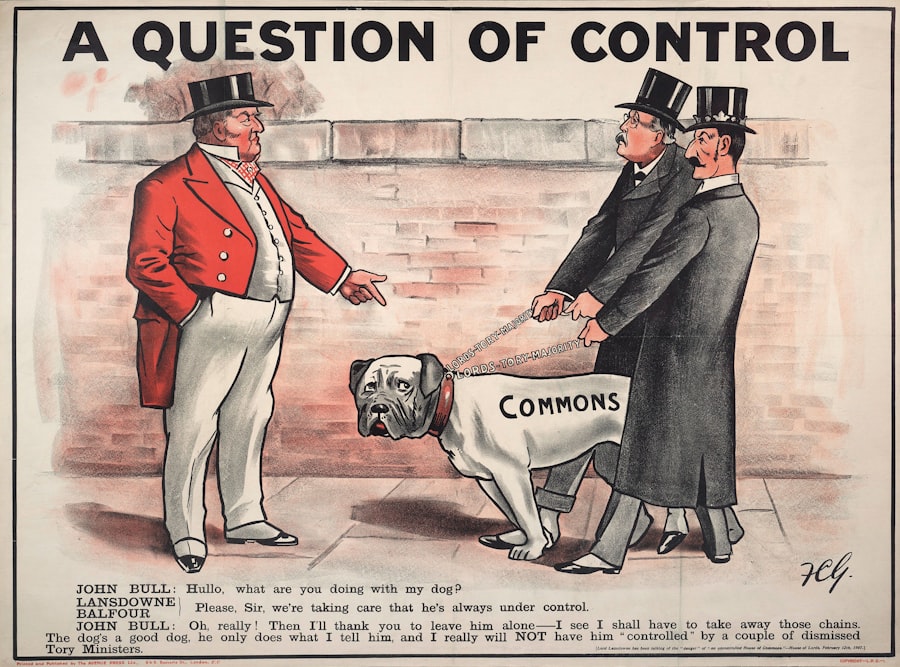
Even with the best intentions, micro social contracts can falter. When this happens, the focus shifts from initial construction to the crucial process of repair and rebuilding trust.
The Responsibility of Acknowledgment: Owning Your Part
If you are the one who has broken a micro social contract, the first and most critical step is to acknowledge your responsibility. Owning your mistake, without making excuses, is the foundation upon which trust can begin to be rebuilt. This is like admitting you’ve chipped the paint on a shared wall; an honest admission is the first step towards fixing it.
Sincere Apologies: More Than Just Words
A sincere apology goes beyond a perfunctory “sorry.” It involves understanding the impact of your actions, expressing remorse, and demonstrating a commitment to making amends. Acknowledging the specific way you fell short and its consequences can make the apology more meaningful.
Explaining, Not Excusing: Context Without Justification
While it’s important to acknowledge your role, sometimes there are valid reasons for falling short of an agreement. However, the key is to explain these reasons without using them as an excuse to deflect responsibility. A brief explanation of unforeseen circumstances can provide context, but it should not overshadow your accountability for the broken contract.
The Process of Remediation: Making Amends
Once responsibility is acknowledged, the focus shifts to remedial action. This is about actively working to correct the situation and prevent future occurrences.
Corrective Actions: Demonstrating Commitment
What specific steps can you take to rectify the harm caused by the broken contract? If you failed to complete a task, can you dedicate extra time to catch up? If you missed a commitment, can you proactively reschedule or offer to take on an additional responsibility to compensate? Concrete actions speak louder than words and demonstrate a genuine commitment to rebuilding trust.
Seeking Forgiveness: The Path to Reconciliation
After taking clear steps to make amends, seeking forgiveness can be a part of the reconciliation process. This is not an entitlement, but rather a request that allows the other party to decide if they are ready to move forward. It involves respecting their decision, whatever it may be.
Re-establishing Expectations: A Renewed Commitment
After a broken contract and its subsequent repair, it is often beneficial to revisit and re-establish your micro social contracts. This provides an opportunity to reinforce the importance of the agreement and to ensure that everyone is on the same page moving forward.
Updating Agreements: Reflecting Lessons Learned
The experience of a broken contract can be a valuable learning opportunity. Use it to refine your expectations, clarify responsibilities, and establish clearer communication protocols. The updated agreement should reflect the lessons learned from the past.
Gradual Rebuilding of Trust: Patience and Consistency
Rebuilding trust after a breach is rarely an instantaneous process. It requires patience and consistent adherence to the renewed agreements. Small, consistent acts of reliability over time will, like slow-moving glaciers, gradually carve out a new path for trust.
In exploring the concept of micro social contracts for accountability, it is interesting to consider how these agreements can shape interpersonal relationships and foster a sense of responsibility within communities. A related article that delves deeper into the nuances of social contracts and their implications can be found at Unplugged Psych, where the author discusses the psychological underpinnings of accountability and the role of trust in maintaining these informal agreements. This perspective enhances our understanding of how micro social contracts function in everyday interactions.
The Future of Micro Social Contracts: Adapting to a Changing Landscape
| Metric | Description | Measurement Method | Typical Range | Importance |
|---|---|---|---|---|
| Commitment Rate | Percentage of participants who agree to the micro social contract | Survey or sign-up tracking | 70% – 95% | High |
| Compliance Rate | Percentage of agreed actions completed as per contract | Self-reporting and peer verification | 60% – 90% | High |
| Accountability Feedback Frequency | Number of feedback interactions per participant per month | Communication logs or app analytics | 2 – 8 times/month | Medium |
| Trust Level | Degree of trust among participants measured via surveys | Likert scale surveys (1-5) | 3.5 – 4.8 | High |
| Conflict Incidence | Number of conflicts arising related to contract terms | Incident reports | 0 – 2 per quarter | Low to Medium |
| Resolution Time | Average time taken to resolve accountability issues | Time tracking from issue report to resolution | 1 – 5 days | Medium |
| Participant Satisfaction | Overall satisfaction with the micro social contract process | Post-engagement surveys | 4.0 – 4.7 (out of 5) | High |
As your life evolves and your social circles shift, your micro social contracts will need to adapt. The principles remain the same, but the methods of engagement will undoubtedly change.
The Rise of Digital Communities: New Arenas, New Rules
You are increasingly interacting in online spaces. These digital communities, from social media groups to collaborative online work environments, have their own unique micro social contracts. Understanding the norms and expectations of these virtual spaces is vital for effective participation and accountability.
Online Etiquette: The Unwritten Rules of the Web
Just as there are unspoken rules in face-to-face interactions, there are established norms of online etiquette (netiquette). These include respecting privacy, avoiding spam, engaging in constructive debate, and contributing positively to the community. Violating these can lead to ostracization or removal from online groups.
Transparency and Verification in Digital Contracts
In online environments, where physical presence is absent, transparency and verification become even more critical for building trust and accountability. Clearly stated terms of service, verifiable credentials, and transparent communication channels are all essential components of robust digital micro social contracts.
The Interplay Between Micro and Macro: A Connected Ecosystem
It’s important to remember that your micro social contracts do not exist in isolation. They are influenced by, and in turn influence, the larger macro social contracts that govern society. The principles of fairness, honesty, and responsibility that you uphold in your personal relationships often reflect the broader societal values you subscribe to.
Personal Ethics as the Foundation: The Inner Compass
Your personal ethical framework acts as the inner compass that guides your adherence to both micro and macro social contracts. When you have a strong sense of personal integrity, you are more likely to honor your commitments, both big and small.
Societal Impact of Individual Actions: The Ripple Effect
Your individual adherence, or lack thereof, to micro social contracts contributes to the overall health of your immediate communities, and these communities, in turn, form the fabric of society. A culture of accountability at the micro level can, over time, contribute to a more accountable society as a whole.
Continuous Learning and Adaptation: The Dynamic Nature of Agreements
The landscape of human interaction is constantly shifting. Therefore, so too must your approach to micro social contracts. Embrace a mindset of continuous learning and adaptation. Be aware of changing norms, be open to feedback, and be willing to revise your agreements as circumstances evolve. Your ability to navigate these dynamic agreements is a testament to your social intelligence and your commitment to building a world where accountability is not an obstacle, but a shared and celebrated virtue.
FAQs
What are micro social contracts?
Micro social contracts are informal, small-scale agreements between individuals or groups that outline expected behaviors and responsibilities to promote accountability and trust in social or professional settings.
How do micro social contracts enhance accountability?
They create clear, mutual expectations that encourage individuals to take responsibility for their actions, leading to increased transparency and reliability within teams or communities.
In what contexts are micro social contracts typically used?
Micro social contracts are commonly used in workplaces, educational environments, community groups, and collaborative projects where ongoing cooperation and accountability are essential.
What are the key components of a micro social contract?
Key components include clearly defined roles, specific behavioral expectations, agreed-upon consequences for breaches, and mechanisms for communication and feedback.
How can organizations implement micro social contracts effectively?
Organizations can implement them by facilitating open discussions to establish shared norms, documenting agreements informally, encouraging regular check-ins, and fostering a culture of mutual respect and responsibility.