Measuring behavioral change is crucial in various fields, from healthcare to education and corporate environments. When you understand how behaviors shift over time, you can assess the effectiveness of interventions, programs, or policies. This understanding allows you to make informed decisions that can lead to improved outcomes.
For instance, in a healthcare setting, tracking changes in patient behavior can help determine whether a new treatment plan is effective or if adjustments are necessary. By measuring these changes, you can identify trends and patterns that inform future strategies. Moreover, measuring behavioral change fosters accountability.
When you set clear metrics and track progress, you create a framework for evaluating success. This accountability not only motivates individuals and teams but also provides stakeholders with tangible evidence of progress. Whether you are a manager looking to improve team performance or a public health official aiming to reduce smoking rates, having measurable outcomes allows you to demonstrate the impact of your efforts.
Ultimately, the importance of measuring behavioral change lies in its ability to drive improvement and foster a culture of continuous growth.
Key Takeaways
- Measuring behavioral change is crucial for evaluating the effectiveness of interventions and strategies.
- Selecting appropriate behavioral change metrics involves balancing quantitative and qualitative data for comprehensive insights.
- Real-time tracking and technology integration enhance the accuracy and timeliness of behavioral data collection.
- Analyzing metrics allows for informed adjustments to strategies, improving outcomes and addressing challenges.
- Clear communication of progress and success, supported by case studies, reinforces the value of behavioral change measurement.
Defining Behavioral Change Metrics
To effectively measure behavioral change, you first need to define what metrics will be used. Behavioral change metrics are specific indicators that reflect shifts in behavior over time. These can range from simple numerical values, such as the percentage of individuals adopting a new habit, to more complex indices that combine multiple factors.
As you consider which metrics to use, think about the specific behaviors you want to influence and the context in which these behaviors occur. Defining these metrics requires clarity and precision. You should ask yourself what success looks like and how it can be quantified.
For example, if your goal is to increase physical activity among employees, you might measure the number of steps taken per day or the frequency of gym visits. By establishing clear definitions for your metrics, you create a solid foundation for tracking progress and making data-driven decisions. This clarity not only helps you stay focused on your goals but also ensures that everyone involved understands what is being measured and why.
Choosing the Right Metrics for Success

Choosing the right metrics is essential for accurately assessing behavioral change. You need to align your metrics with your specific goals and objectives. This alignment ensures that the data you collect will provide meaningful insights into whether your strategies are working.
For instance, if your aim is to improve employee engagement, metrics such as participation rates in team-building activities or employee satisfaction scores may be more relevant than simply tracking attendance. Additionally, consider the feasibility of collecting data for your chosen metrics. Some metrics may be ideal in theory but challenging to measure in practice.
By selecting metrics that are both relevant and practical, you can ensure that your measurement efforts are sustainable over the long term. Ultimately, the right metrics will provide a clear picture of progress and help guide your decision-making process.
When measuring behavioral change, it’s important to understand the distinction between quantitative and qualitative metrics. Quantitative metrics provide numerical data that can be easily analyzed and compared. These might include statistics like the percentage of participants who changed their behavior or the average time spent on a task.
Such metrics are valuable for identifying trends and making data-driven decisions based on hard numbers. On the other hand, qualitative metrics offer insights into the reasons behind behavioral changes. These might include interviews, focus groups, or open-ended survey responses that capture individuals’ thoughts and feelings about their experiences.
While qualitative data may not lend itself to straightforward analysis like quantitative data does, it provides context and depth that numbers alone cannot convey. By combining both types of metrics, you can gain a comprehensive understanding of behavioral change, allowing you to address not only what is happening but also why it is happening.
Tracking Metrics in Real Time
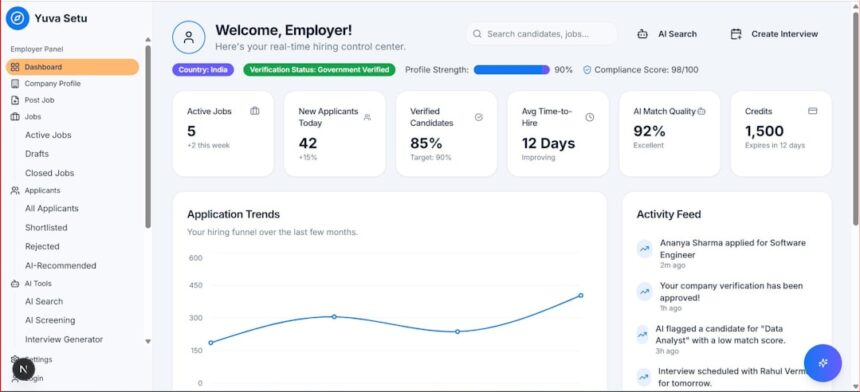
Tracking behavioral change metrics in real time can significantly enhance your ability to respond quickly to emerging trends or issues. Real-time tracking allows you to monitor progress continuously rather than waiting for periodic reports or assessments. This immediacy enables you to make timely adjustments to your strategies based on current data, ensuring that you remain agile in your approach.
Implementing real-time tracking often involves leveraging technology and tools designed for data collection and analysis. For example, mobile applications can facilitate immediate feedback from users, while dashboards can display live data visualizations that highlight key performance indicators. By utilizing these tools, you can create a dynamic environment where data informs decision-making on an ongoing basis.
This proactive approach not only enhances accountability but also fosters a culture of responsiveness within your organization.
Using Technology to Measure Behavioral Change
| Metric | Description | Measurement Method | Frequency | Example |
|---|---|---|---|---|
| Adoption Rate | Percentage of target users who have adopted the new behavior | Surveys, usage logs, self-reports | Weekly/Monthly | 70% of users started recycling regularly |
| Engagement Level | Degree of active participation in behavior change activities | App usage data, attendance records | Daily/Weekly | Average 5 sessions per week per user |
| Retention Rate | Percentage of users maintaining the behavior over time | Follow-up surveys, longitudinal tracking | Monthly/Quarterly | 60% retention after 3 months |
| Behavior Frequency | Number of times the new behavior is performed in a given period | Self-report logs, sensor data | Daily/Weekly | Average 4 workouts per week |
| Behavior Intensity | Level of effort or quality of the behavior performed | Performance metrics, biometric data | Weekly/Monthly | Heart rate during exercise sessions |
| Barrier Reduction | Decrease in obstacles preventing behavior change | Surveys, interviews | Monthly | Reported reduction in time constraints |
| Motivation Level | Degree of motivation to continue the behavior | Psychological scales, self-assessment | Weekly/Monthly | Average motivation score of 8/10 |
| Outcome Achievement | Extent to which desired outcomes are met | Goal tracking, health indicators | Monthly/Quarterly | 10% weight loss achieved |
Technology plays a pivotal role in measuring behavioral change effectively. With advancements in data analytics, artificial intelligence, and mobile applications, you have access to tools that can streamline the measurement process and enhance accuracy. For instance, wearable devices can track physical activity levels in real time, providing valuable data on how individuals are engaging with health initiatives.
Moreover, technology enables more efficient data collection methods.
Additionally, data analytics software can help you analyze large datasets swiftly, uncovering patterns and correlations that might otherwise go unnoticed.
By embracing technology in your measurement efforts, you can enhance both the quality and quantity of data collected, leading to more informed decision-making.
Analyzing and Interpreting Behavioral Change Data

Once you’ve collected behavioral change data, the next step is analysis and interpretation. This process involves examining the data to identify trends, correlations, and insights that can inform your strategies moving forward. You should look for patterns that indicate whether behaviors are improving or declining and consider factors that may influence these changes.
Interpreting data requires critical thinking and an understanding of the context surrounding the numbers. For example, if you notice a decline in participation rates for a wellness program, it’s essential to explore potential reasons behind this trend—such as changes in employee schedules or lack of engagement strategies. By delving deeper into the data and considering external factors, you can develop a more nuanced understanding of behavioral change and make informed decisions about how to adjust your approach.
Adjusting Strategies Based on Metrics
As you analyze behavioral change data, it’s crucial to be prepared to adjust your strategies based on what the metrics reveal. Flexibility is key; if certain approaches aren’t yielding the desired results, it’s essential to pivot rather than remain rigidly attached to a plan that isn’t working. This adaptability allows you to respond effectively to challenges and seize opportunities for improvement.
For instance, if your initial strategy for promoting healthy eating habits among employees isn’t resulting in increased participation in nutrition workshops, consider gathering feedback from participants about what might resonate better with them. Perhaps they prefer shorter sessions or different topics altogether. By being open to feedback and willing to modify your strategies based on metric analysis, you create an environment where continuous improvement is not only possible but expected.
Communicating Progress and Success
Communicating progress and success is vital for maintaining momentum in any behavioral change initiative. When stakeholders see tangible results from their efforts, it reinforces their commitment and encourages continued participation. You should regularly share updates on key metrics with all involved parties—whether through newsletters, meetings, or digital dashboards—to keep everyone informed about progress.
Effective communication also involves celebrating successes along the way. Recognizing milestones achieved through collective efforts fosters a sense of community and shared purpose among participants. Whether it’s acknowledging individual achievements or highlighting overall program success, celebrating progress helps sustain motivation and encourages ongoing engagement with behavioral change initiatives.
Addressing Challenges in Measuring Behavioral Change
Measuring behavioral change is not without its challenges. One common obstacle is ensuring data accuracy; biases in self-reported data or inconsistencies in measurement methods can skew results. To mitigate these issues, it’s essential to establish clear protocols for data collection and ensure that all participants understand how their input will be used.
Another challenge lies in interpreting complex behaviors that may not lend themselves easily to quantification. Some behaviors are influenced by numerous factors—social dynamics, environmental conditions, personal motivations—which can complicate analysis efforts. To address this complexity, consider employing mixed-method approaches that combine quantitative metrics with qualitative insights for a more comprehensive understanding of behavioral change.
Case Studies: Successful Implementation of Behavioral Change Metrics
Examining case studies of successful implementation of behavioral change metrics can provide valuable insights into best practices and effective strategies. For instance, a corporate wellness program that utilized real-time tracking of employee health metrics saw significant improvements in participation rates when they integrated gamification elements into their initiatives. By making health challenges competitive and rewarding participants for achieving goals, they fostered a culture of engagement that led to measurable behavior changes.
In another example from public health initiatives aimed at reducing smoking rates among teenagers, researchers employed both quantitative surveys and qualitative interviews to understand motivations behind smoking behavior better. By analyzing this combined data set, they were able to tailor their messaging effectively—resulting in a notable decrease in smoking prevalence within targeted communities. These case studies illustrate how thoughtful implementation of behavioral change metrics can lead to meaningful outcomes across various sectors.
In conclusion, measuring behavioral change is an essential component of driving improvement across diverse fields. By defining clear metrics, choosing appropriate indicators for success, leveraging technology for real-time tracking, analyzing data thoughtfully, and communicating progress effectively, you can create an environment conducive to positive behavior shifts. While challenges exist in this process, learning from successful case studies can guide your efforts toward achieving meaningful outcomes in your own initiatives.
For those interested in understanding the intricacies of behavioral change metrics tracking, a valuable resource can be found in the article on Unplugged Psychology. This article delves into various methodologies and tools that can effectively measure and analyze behavioral changes over time. To explore this further, you can read the article [here](https://www.unpluggedpsych.com/).
FAQs
What are behavioral change metrics?
Behavioral change metrics are quantitative or qualitative measures used to assess changes in individuals’ or groups’ behaviors over time. These metrics help track progress toward desired behavioral outcomes in various contexts such as health, education, or organizational settings.
Why is tracking behavioral change important?
Tracking behavioral change is important because it provides insights into the effectiveness of interventions, programs, or strategies aimed at modifying behavior. It helps identify what works, informs decision-making, and supports continuous improvement.
What types of behaviors can be tracked using behavioral change metrics?
Behaviors that can be tracked include health-related actions (e.g., exercise frequency, smoking cessation), learning habits, workplace behaviors, consumer habits, and social interactions, among others.
What are common methods used to track behavioral change?
Common methods include self-report surveys, direct observation, digital tracking tools (e.g., apps, wearables), interviews, and physiological measurements, depending on the behavior being studied.
How do you select appropriate behavioral change metrics?
Selecting appropriate metrics involves defining clear behavioral goals, ensuring the metrics are valid and reliable, considering the context, and choosing measures that are sensitive enough to detect meaningful changes.
Can behavioral change metrics be used in real-time monitoring?
Yes, with advancements in technology such as mobile apps and wearable devices, behavioral change metrics can be tracked in real-time, allowing for immediate feedback and timely interventions.
What challenges exist in tracking behavioral change?
Challenges include ensuring data accuracy, dealing with self-report biases, maintaining participant engagement, protecting privacy, and interpreting complex behavioral data correctly.
How do behavioral change metrics contribute to research and practice?
They provide empirical evidence on the effectiveness of behavior change strategies, guide program development, support personalized interventions, and contribute to theoretical understanding of behavior dynamics.
Are behavioral change metrics applicable across different populations?
Yes, but metrics may need to be adapted to cultural, demographic, and contextual differences to ensure relevance and accuracy in diverse populations.
What role does technology play in behavioral change metrics tracking?
Technology facilitates data collection, analysis, and visualization, enhances accuracy, enables large-scale tracking, and supports interactive feedback mechanisms to promote sustained behavior change.