
In your daily life, you encounter various systems and processes that help you navigate the complexities of existence. These systems, often referred to as control mechanisms, play a crucial role in shaping your experiences and guiding your actions. Whether you realize it or not, control mechanisms are embedded in your routines, relationships, and decision-making processes.
They serve as the invisible threads that weave together the fabric of your life, providing a sense of order amidst the chaos. As you delve deeper into the concept of control mechanisms, you may find that they are not merely restrictive forces but rather essential tools that can enhance your well-being. Understanding these mechanisms can empower you to harness their potential, leading to a more structured and fulfilling life.
In this exploration, you will uncover the multifaceted nature of control mechanisms and their profound impact on your personal growth, decision-making, and overall mental health.
Key Takeaways
- Control mechanisms are essential tools that provide structure and stability in daily life.
- They significantly influence personal growth, decision making, and mental health.
- Maintaining a balance in control mechanisms is crucial to avoid negative impacts.
- Recognizing and managing unhealthy control patterns can improve overall well-being.
- Cultivating healthy control mechanisms leads to a more meaningful and fulfilling life.
Understanding the Meaning of Control Mechanisms
Control mechanisms can be defined as the processes or systems that regulate behavior, thoughts, and emotions. They can manifest in various forms, from self-imposed rules and routines to external structures such as societal norms and organizational policies. At their core, control mechanisms are designed to create predictability and stability in your life.
They help you manage uncertainty and navigate challenges by providing a framework within which you can operate. As you reflect on your own life, consider the control mechanisms that you have adopted. These may include daily habits like setting a morning routine, adhering to deadlines at work, or following social conventions in your interactions with others.
Each of these mechanisms serves a purpose, whether it’s to enhance productivity, foster relationships, or maintain personal discipline. By recognizing the different forms of control mechanisms in your life, you can begin to appreciate their significance and the role they play in shaping your experiences.
The Role of Control Mechanisms in Daily Life
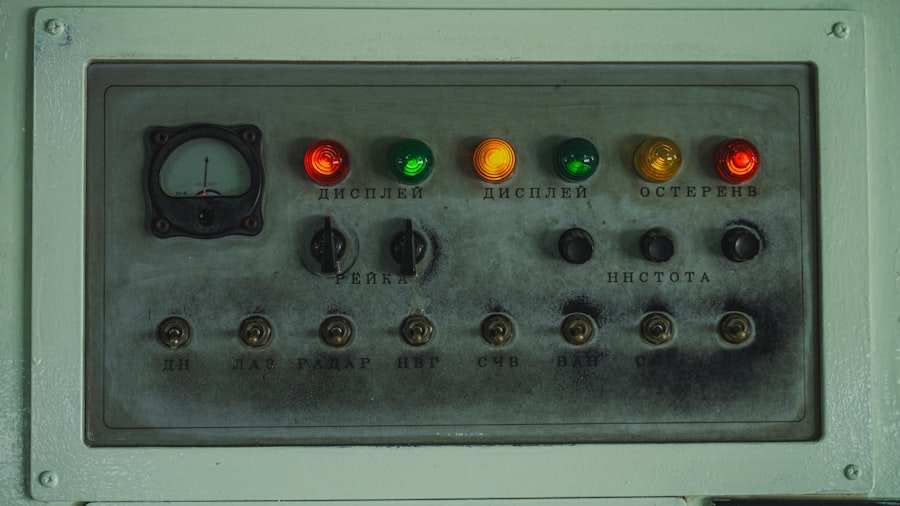
Control mechanisms are omnipresent in your daily life, influencing everything from your morning rituals to your long-term goals. They provide a sense of direction and help you prioritize tasks, ensuring that you stay on track amidst the myriad distractions that life presents. For instance, when you set specific goals for yourself—be it in your career or personal life—you are employing a control mechanism that guides your actions toward achieving those objectives.
Moreover, control mechanisms can also enhance your ability to cope with stress and uncertainty. When faced with unexpected challenges, having established routines or strategies can provide a comforting sense of familiarity. You might find solace in your evening wind-down rituals or the way you organize your workspace.
These practices not only help you manage daily pressures but also contribute to a greater sense of control over your environment and circumstances.
How Control Mechanisms Provide Structure and Stability
The structure provided by control mechanisms is vital for maintaining stability in your life. When you establish routines or adhere to certain guidelines, you create a predictable environment that allows you to function more effectively. This predictability can be particularly beneficial during times of change or upheaval, as it offers a sense of normalcy amidst chaos.
For example, during a significant life transition—such as starting a new job or moving to a new city—maintaining familiar routines can help ground you and ease the adjustment process. Additionally, control mechanisms foster accountability. When you set rules for yourself or establish boundaries within relationships, you create a framework that encourages responsible behavior.
This accountability not only helps you stay focused on your goals but also reinforces your commitment to personal growth. By recognizing the importance of structure in your life, you can better appreciate how control mechanisms contribute to your overall sense of stability and well-being.
The Impact of Control Mechanisms on Personal Growth and Development
| Aspect | Description | Control Mechanism Role | Example Metrics |
|---|---|---|---|
| Meaning | The significance or value individuals assign to their work or actions. | Shapes motivation by aligning personal values with organizational goals. | Employee engagement scores, job satisfaction ratings |
| Purpose | The overarching goal or mission that guides behavior and decision-making. | Provides direction and justification for tasks, reinforcing commitment. | Goal alignment percentage, mission statement clarity index |
| Internalization | The process by which individuals adopt organizational values as their own. | Ensures self-regulation and adherence to norms without external enforcement. | Values congruence scores, self-reported norm adherence |
| Intrinsic Motivation | Drive to perform activities for inherent satisfaction rather than external rewards. | Reduces need for external controls by fostering self-driven behavior. | Intrinsic motivation scale, turnover intention rates |
| Behavioral Control | Regulation of actions through meaning and purpose rather than formal rules. | Encourages proactive compliance and ethical conduct. | Incidence of rule violations, peer feedback scores |
Control mechanisms play a pivotal role in facilitating personal growth and development.
When you establish clear objectives and implement strategies to reach them, you are actively engaging with control mechanisms that promote self-improvement.
Moreover, these mechanisms encourage self-reflection and introspection. As you evaluate your progress toward your goals, you may identify areas for growth or adjustment. This process of self-assessment is essential for personal development, as it allows you to learn from experiences and adapt your strategies accordingly.
By embracing control mechanisms as tools for growth, you can cultivate a mindset that values continuous improvement and resilience.
The Influence of Control Mechanisms on Decision Making
Your decision-making process is significantly influenced by the control mechanisms you have in place. When faced with choices—whether trivial or monumental—having established guidelines can streamline your thought process and lead to more informed decisions. For instance, if you have a personal value system that prioritizes honesty and integrity, this framework will guide your choices in both personal and professional contexts.
Furthermore, control mechanisms can help mitigate impulsive decision-making by encouraging thoughtful consideration of options. When you take the time to weigh the pros and cons or consult established criteria before making a choice, you are employing a control mechanism that fosters rational thinking. This deliberate approach not only enhances the quality of your decisions but also instills confidence in your ability to navigate complex situations.
The Relationship Between Control Mechanisms and Mental Health
The interplay between control mechanisms and mental health is profound. On one hand, effective control mechanisms can promote mental well-being by providing structure and reducing anxiety. When you feel in control of your environment and decisions, it can lead to increased feelings of security and stability.
This sense of control is particularly important in managing stressors and navigating life’s challenges. Conversely, rigid or unhealthy control mechanisms can contribute to mental health issues such as anxiety or depression. When you impose overly strict rules on yourself or become excessively controlling in relationships, it can lead to feelings of frustration and helplessness.
Recognizing this relationship is crucial for maintaining mental health; by fostering healthy control mechanisms while being mindful of those that may be detrimental, you can create a more balanced emotional landscape.
The Importance of Balance in Control Mechanisms
Achieving balance in your use of control mechanisms is essential for leading a fulfilling life. While having structure is beneficial, becoming overly reliant on rigid controls can stifle creativity and spontaneity. It’s important to recognize when control mechanisms serve you well and when they may be limiting your potential for growth or enjoyment.
Striking this balance involves being flexible and open to change. Allowing yourself the freedom to deviate from established routines or guidelines can lead to new experiences and opportunities for learning. Embracing adaptability while maintaining core values can create a harmonious relationship with control mechanisms that supports both stability and exploration.
How to Recognize and Manage Unhealthy Control Mechanisms
Recognizing unhealthy control mechanisms is the first step toward managing them effectively. You may notice patterns in your behavior that indicate an over-reliance on control—such as excessive perfectionism or an inability to delegate tasks. These behaviors often stem from a fear of losing control or an overwhelming desire for predictability.
To address these unhealthy patterns, it’s important to engage in self-reflection and seek feedback from trusted friends or professionals. Consider journaling about your thoughts and feelings related to control; this practice can help illuminate areas where adjustments may be necessary. Additionally, practicing mindfulness techniques can enhance your awareness of when control becomes counterproductive, allowing you to make conscious choices about how to respond.
Cultivating Healthy Control Mechanisms for a Fulfilling Life
Cultivating healthy control mechanisms involves creating systems that support your well-being while allowing for flexibility and growth. Start by identifying the areas of your life where structure is beneficial—such as time management or goal-setting—and develop strategies that align with your values and aspirations. Incorporating practices like setting realistic goals, establishing boundaries in relationships, and prioritizing self-care can enhance your overall sense of control without becoming restrictive.
Additionally, fostering an attitude of curiosity and openness will enable you to embrace new experiences while maintaining a sense of direction in your life.
Embracing Control Mechanisms for Meaning and Purpose
In conclusion, control mechanisms are integral to navigating the complexities of life. By understanding their significance and impact on various aspects of your existence—from daily routines to decision-making—you can harness their potential for personal growth and fulfillment. Embracing healthy control mechanisms allows you to create structure while remaining open to new possibilities.
As you move forward, remember that balance is key; strive for flexibility within the frameworks you establish. By cultivating awareness around both healthy and unhealthy controls, you can foster an environment that supports not only stability but also exploration and growth. Ultimately, embracing control mechanisms with intention will lead you toward a more meaningful and purposeful life.
In exploring the concepts of meaning and purpose as control mechanisms in our lives, it is insightful to consider how these elements influence our mental well-being and decision-making processes. A related article that delves deeper into these themes can be found at Unplugged Psychology, where the intricate relationship between psychological health and the search for meaning is examined. This resource provides valuable perspectives on how individuals can harness their sense of purpose to navigate challenges and enhance their overall quality of life.
WATCH THIS! Why You Are VULNERABLE to Manipulation (4 Key Triggers)
FAQs
What is meant by “meaning and purpose” as control mechanisms?
“Meaning and purpose” as control mechanisms refer to the ways in which individuals or organizations use a sense of meaning and purpose to guide behavior, maintain motivation, and regulate actions. These concepts help align goals and values, serving as internal controls that influence decision-making and persistence.
How do meaning and purpose function as control mechanisms?
Meaning and purpose function as control mechanisms by providing individuals with a framework for understanding their actions and goals. When people perceive their activities as meaningful and purposeful, they are more likely to self-regulate, stay committed, and adapt their behavior to achieve desired outcomes.
Why are meaning and purpose important in organizational settings?
In organizational settings, meaning and purpose are important because they foster employee engagement, enhance motivation, and improve overall performance. When employees find their work meaningful and aligned with a larger purpose, they tend to exhibit greater commitment, creativity, and resilience.
Can meaning and purpose replace traditional control systems?
Meaning and purpose are often complementary to traditional control systems such as rules, policies, and supervision. While they may not entirely replace formal controls, they provide intrinsic motivation that can reduce the need for external enforcement and promote more autonomous and ethical behavior.
What psychological theories support the role of meaning and purpose as control mechanisms?
Psychological theories such as Self-Determination Theory and Viktor Frankl’s Logotherapy support the role of meaning and purpose as control mechanisms. These theories emphasize the human need for autonomy, competence, and relatedness, and suggest that finding meaning in life or work is crucial for psychological well-being and self-regulation.
How can individuals cultivate a sense of meaning and purpose?
Individuals can cultivate a sense of meaning and purpose by reflecting on their values, setting goals aligned with those values, engaging in activities that contribute to personal growth or societal good, and seeking connections with others who share similar purposes.
Are there any risks associated with relying on meaning and purpose as control mechanisms?
While meaning and purpose can be powerful motivators, overreliance on them without clear boundaries or support may lead to burnout or disillusionment if expectations are unmet. It is important to balance intrinsic motivation with realistic goals and external support systems.