
You’ve likely heard the term “neuroplasticity,” the brain’s remarkable ability to reorganize itself by forming new neural connections throughout life. While the concept is widely understood, the deliberate and systematic maximization of this process, particularly through “debrief loops,” remains an area deserving meticulous exploration. This article will guide you through understanding and implementing debrief loops to solidify your learning and optimize neuroplastic consolidation.
Before diving into debrief loops, it’s crucial to grasp the fundamental mechanisms they leverage. Your brain is not a static organ; it’s a dynamic, ever-evolving landscape. Every experience, thought, and action subtly alters its architecture. Experience a profound spiritual awakening that transforms your perspective on life.
The Dynamic Brain: A Living Map
Imagine your brain as a sprawling city, constantly under construction. New roads are built, old bridges are reinforced, and unused paths slowly decay. When you learn something new, whether it’s a complex mathematical concept or a new athletic skill, you’re essentially laying down new pathways or strengthening existing ones between neurons. This process of structural and functional change is neuroplasticity. It’s the biological substrate of learning and adaptation.
Consolidation: From Fleeting to Permanent
Initial learning is often fragile. Information enters your working memory, a temporary holding space. Without further processing, much of this information will be lost, like sand slipping through your fingers. This is where consolidation comes in. Consolidation is the process by which newly acquired information is transformed from a labile, short-term memory state into a more stable, long-term memory state. This transformation isn’t instantaneous; it involves a complex interplay of cellular and molecular changes, often occurring during periods of rest, particularly sleep. Think of it as moving newly built roads from temporary dirt tracks to robust, paved highways.
Factors Influencing Consolidation
Several factors significantly impact the efficiency of consolidation. These include the emotional salience of the experience, the depth of processing during initial learning, and the presence of prior knowledge to which new information can be tethered. Debrief loops directly target the latter two, creating conditions optimal for robust memory formation. You are, in essence, engineering your brain’s construction process for maximum efficiency.
Debrief loops play a crucial role in neuroplastic consolidation, as they facilitate the integration of new information and experiences into existing cognitive frameworks. For a deeper understanding of this concept and its implications for learning and memory, you can explore a related article on the topic at Unplugged Psychology. This resource provides valuable insights into how debrief loops can enhance neuroplasticity and improve overall cognitive function. To read more, visit Unplugged Psychology.
The Mechanics of Debrief Loops
A debrief loop is a structured, intentional process of reflection and analysis following an experience, designed to reinforce learning and optimize neuroplastic consolidation. It moves beyond mere recall, actively engaging you in examining what occurred, why it occurred, and how future actions can be improved.
The Iterative Nature: A Spiral Staircase
Think of a debrief loop not as a single event, but as a spiral staircase. Each full rotation ascends to a higher level of understanding and mastery. You complete an experience, you debrief, you integrate the learnings, and then you apply them in the next iteration of a similar experience. This continuous cycle progressively refines your mental models and procedural knowledge.
Key Stages of a Debrief Loop
While variations exist, most effective debrief loops follow a similar structure:
- Experience (The “Do” Phase): This is the initial engagement with the task, skill, or information. It could be a training exercise, a real-world project, a study session, or even a conversation.
- Initial Recall (The “What” Phase): Immediately after the experience, you engage in a structured recall of events. This is not just a passive recollection but an active effort to bring details to conscious awareness. What happened? What were the key steps? What were the outcomes?
- Analysis and Reflection (The “Why” Phase): This is the critical stage where deeper understanding emerges. Why did certain things happen? What principles were at play? What were the underlying causes of success or failure? What assumptions were made?
- Synthesis and Learning (The “So What” Phase): Based on the analysis, you identify key takeaways. What insights were gained? What rules or heuristics can be extracted? How does this new information connect with existing knowledge?
- Action Planning (The “Now What” Phase): The debrief concludes with concrete plans for future application. How will you modify your approach next time? What specific actions will you take to integrate this learning?
The Neuroscience Behind Debrief Loops
Debrief loops work by intentionally triggering cognitive processes known to enhance consolidation. The initial recall phase actively engages retrieval pathways, strengthening them. The analysis and reflection phases promote elaborative rehearsal – linking new information to existing knowledge structures and generating new insights. This active processing, unlike passive review, signals to your brain that the information is important and worthy of long-term storage. Furthermore, the act of articulating one’s understanding, either internally or externally, reinforces the neural connections associated with that knowledge.
Implementing Debrief Loops in Your Learning
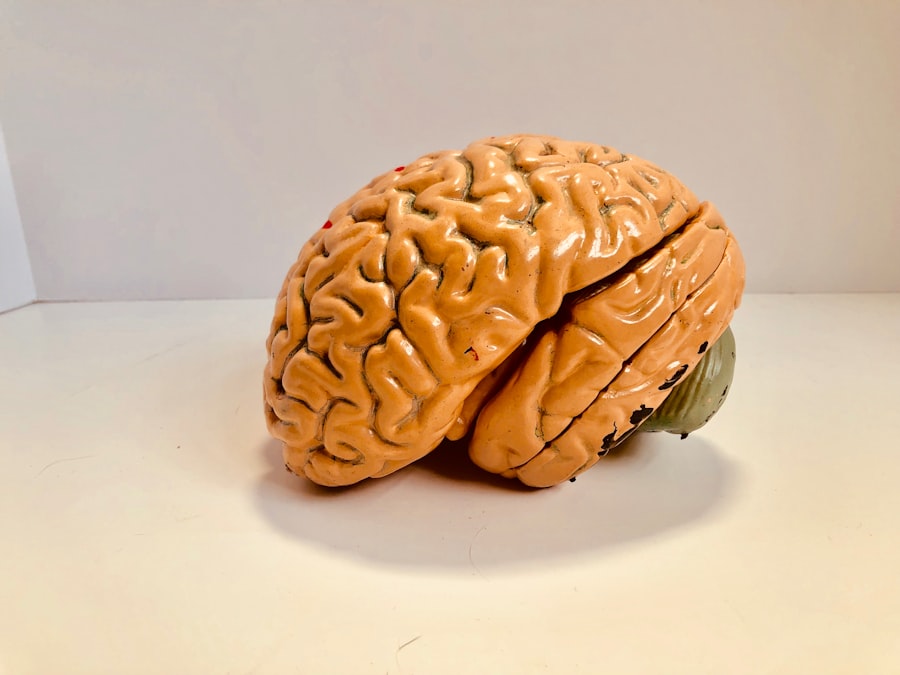
Integrating debrief loops into your learning routine requires intentionality and a systematic approach. You can apply them to virtually any domain where you seek improvement and mastery.
Structured Self-Debriefing: Your Internal Mentor
Even without external facilitators, you can cultivate powerful self-debriefing habits. This form of introspection is a potent tool for personal growth.
- Journaling for Reflection: After a learning session, a challenging task, or a significant interaction, dedicate 10-15 minutes to writing. Don’t censor your thoughts; simply document what happened, your feelings, what you learned, and what you would do differently. This externalization helps organize your thoughts and makes implicit knowledge explicit.
- Mental Walkthroughs: Before sleeping, or during a quiet moment, mentally re-run a significant event of your day. Visualize the steps, the decisions made, and the outcomes. Consider alternative approaches you could have taken. This “mental practice” can be surprisingly effective in bolstering consolidation.
- The “5 Whys” Technique: Borrowed from problem-solving methodologies, repeatedly asking “why” helps you delve deeper into causation. Why did I make that mistake? Because I rushed. Why did I rush? Because I felt pressure. Why did I feel pressure? Because I hadn’t prepared adequately. This chain reaction often reveals root causes.
Peer Debriefing: Collective Intelligence
Engaging in debrief loops with peers introduces diverse perspectives and can uncover blind spots you might miss during self-reflection.
- Study Groups with a Purpose: Beyond simply reviewing material, transform your study groups into debrief sessions. After attempting practice problems or discussing a complex topic, actively discuss what approaches worked, what challenges arose, and how individual understandings differ.
- Collaborative Project Retrospectives: In professional or academic settings, after completing projects, formal debriefing sessions with your team are invaluable. What went well? What could be improved for the next project? What lessons can be applied universally? This systematic review fosters organizational learning.
- Teaching as a Debrief: Explaining a concept to someone else forces you to organize your thoughts, identify gaps in your understanding, and articulate complex ideas clearly. This act of “retrieval practice” from a different angle acts as a powerful debrief mechanism.
Expert-Led Debriefing: Guided Mastery
In certain contexts, particularly high-stakes or complex fields, expert-led debriefing provides invaluable guidance and structure.
- Mentorship and Coaching: A mentor or coach can facilitate a more rigorous debrief process, asking probing questions, offering expert insights, and challenging your assumptions. Their experience allows them to pinpoint areas for development that you might overlook.
- Simulated Environments: In aviation, medicine, and military training, simulator-based debriefing is standard. After a simulated scenario, instructors guide participants through a detailed review of their performance, often using objective data (e.g., flight data, patient vitals) to highlight specific actions and their consequences. This detailed feedback is critical for rapid skill acquisition and error correction.
- Formal Post-Action Reviews (PARs): In many organizations, formal PARs are conducted after significant events or projects. These structured meetings often involve multiple stakeholders and follow a defined protocol to extract maximum learning from the experience.
Optimizing Your Debrief Practice

Simply conducting a debrief isn’t enough; the quality and consistency of your practice significantly impact its effectiveness in fostering neuroplastic consolidation.
Timing is Crucial: Seizing the Moment
The ideal time for a debrief is as soon as practically possible after the experience. Delaying the debrief allows the memory traces to fade, making recall harder and analysis less precise. Think of it like trying to mend a fresh wound versus an old scar.
- Immediate vs. Delayed Recall: While immediate recall is vital for capturing detail, incorporating spaced debriefs (e.g., a quick debrief immediately after, then another 24 hours later, and again a week later) can further enhance long-term retention by forcing repeated retrieval and reprocessing. This spaced repetition acts as a powerful consolidation enhancer.
- The Power of Sleep: Conduct a debrief before sleep. Sleep plays a crucial role in memory consolidation, actively replaying and integrating the day’s experiences. A pre-sleep debrief “tags” important information for your brain to process during nocturnal cycles.
Structure and Consistency: Building a Habit
Random, infrequent debriefs yield minimal benefits. For optimal neuroplastic consolidation, debriefing must become a routine, structured habit.
- Dedicated Time Slots: Schedule specific times for debriefing, just as you would for any other important task. This prevents it from being sidelined by other demands.
- Use Templates or Frameworks: Especially when starting, using a predefined debrief template (e.g., “What went well? What didn’t go well? What did I learn? What will I do differently?”) can provide structure and ensure you cover all critical bases.
- Be Specific and Actionable: Vague reflections like “I need to do better” are unhelpful. Instead, identify concrete, measurable actions. “Next time, I will review the client’s brief for 15 minutes before the meeting to ensure I address all key points.”
The Role of Emotional Regulation: Clear the Air
Emotions, particularly negative ones like frustration or disappointment, can interfere with effective learning and consolidation if not managed.
- Acknowledge and Process Emotions: Before diving into objective analysis, take a moment to acknowledge any emotions associated with the experience. Venting or journaling about these feelings can help clear the mental space for more rational reflection.
- Focus on Learning, Not Blame: The purpose of a debrief is growth, not recrimination. Frame challenges as learning opportunities, whether they originated from your actions or external factors. This growth mindset fosters resilience and makes you more receptive to lessons.
- Celebrate Successes: Don’t forget to debrief successes! Understanding why something went well is just as important as understanding failures. It allows you to reinforce effective strategies and build confidence.
Debrief loops play a crucial role in neuroplastic consolidation, allowing individuals to reinforce learning and adapt their neural pathways effectively. For a deeper understanding of this concept, you can explore an insightful article that discusses the mechanisms behind neuroplasticity and how debrief loops facilitate this process. By examining the relationship between reflection and learning, this resource sheds light on the importance of structured debriefing in enhancing cognitive flexibility. To read more about this topic, visit this article for valuable insights.
Conclusion
| Metric | Description | Typical Range | Relevance to Debrief Loops |
|---|---|---|---|
| Loop Frequency | Number of debrief cycles per session | 3 – 7 loops | Higher frequency supports repeated neural activation aiding consolidation |
| Loop Duration | Time spent per debrief loop | 5 – 15 minutes | Optimal duration balances cognitive load and memory reinforcement |
| Neuroplasticity Index | Measure of synaptic change post-debrief | 10% – 30% increase | Indicates effectiveness of debrief loops in promoting plasticity |
| Memory Retention Rate | Percentage of information retained after 24 hours | 60% – 85% | Higher retention correlates with effective debrief loop implementation |
| Engagement Level | Participant focus and involvement during debrief | 70% – 95% | Critical for maximizing neuroplastic consolidation during loops |
| Feedback Quality | Accuracy and relevance of feedback during debrief | High (80%+ accuracy) | Enhances error correction and neural adaptation |
You possess an incredible capacity for adaptation and learning, a direct consequence of your brain’s neuroplasticity. However, this capacity isn’t fully self-optimizing. By deliberately integrating debrief loops into your personal and professional life, you are not merely reviewing past events; you are actively engineering the very structure of your brain. You are providing the necessary signals for consolidation, strengthening neural pathways, and building a more robust and resilient cognitive architecture. Embrace the iterative power of the debrief loop, and you will unlock a higher echelon of learning and mastery, transforming temporary experiences into enduring competence.
FAQs
What are debrief loops in the context of neuroplastic consolidation?
Debrief loops refer to structured reflection processes that help reinforce learning and memory by revisiting and analyzing experiences. In neuroplastic consolidation, these loops facilitate the strengthening of neural connections by repeatedly engaging the brain in reviewing and integrating new information.
How do debrief loops contribute to neuroplasticity?
Debrief loops promote neuroplasticity by encouraging active recall and reflection, which stimulate synaptic activity and the formation of new neural pathways. This repeated engagement helps consolidate memories and skills, making them more durable and accessible.
What is neuroplastic consolidation?
Neuroplastic consolidation is the process by which the brain stabilizes and integrates new information or skills into long-term memory through changes in neural structure and function. It involves the strengthening of synapses and the reorganization of neural networks.
Can debrief loops be applied in educational settings?
Yes, debrief loops are commonly used in educational and training environments to enhance learning outcomes. By systematically reviewing experiences and feedback, learners can better internalize knowledge and improve skill retention through neuroplastic consolidation.
Are debrief loops only useful for cognitive learning?
No, debrief loops can be beneficial for both cognitive and motor learning. They help consolidate various types of learning by promoting reflection and repeated neural activation, which supports the brain’s adaptability across different domains.
How often should debrief loops be conducted for effective neuroplastic consolidation?
The frequency of debrief loops depends on the complexity of the material and individual learning needs. Generally, regular and spaced debrief sessions are recommended to optimize memory consolidation and skill acquisition.
Do debrief loops require any special tools or technology?
Debrief loops can be conducted informally through discussion and self-reflection or formally using tools like journals, video recordings, or digital platforms that facilitate feedback and analysis. The key is consistent and structured reflection rather than specific technology.
Is there scientific evidence supporting the effectiveness of debrief loops?
Yes, research in neuroscience and educational psychology supports the role of reflection and repeated review in enhancing neuroplasticity and memory consolidation. Debrief loops align with these principles by providing structured opportunities for such cognitive engagement.