
In the realm of marketing and sales, the concept of Follow Through Rate (FTR) is pivotal. It refers to the percentage of leads or prospects that take the desired action after an initial engagement. This could be anything from signing up for a newsletter to making a purchase.
Understanding your FTR is crucial because it provides insight into how effectively you are converting interest into action. If your FTR is low, it may indicate that your messaging is not resonating with your audience or that there are barriers preventing them from taking the next step. To improve your FTR, you must first analyze the factors that contribute to it.
This involves looking at your entire customer journey, from the first point of contact to the final conversion. Are there any friction points that could be causing potential customers to drop off? Perhaps your website is difficult to navigate, or your call to action is unclear.
By identifying these issues, you can make informed adjustments that enhance the overall experience for your audience, ultimately leading to a higher Follow Through Rate.
Key Takeaways
- Follow Through Rate measures how effectively users complete desired actions, crucial for evaluating campaign success.
- Clear goals and objectives guide strategy and help in measuring progress accurately.
- Tracking tools and A/B testing enable data-driven decisions to optimize marketing efforts.
- Personalization, segmentation, and social proof enhance engagement and trust with the audience.
- Continuous monitoring and strategy adjustments ensure sustained improvement and lead nurturing.
Setting Clear Goals and Objectives
Setting clear goals and objectives is foundational to any successful marketing strategy. Without well-defined targets, it becomes challenging to measure success or determine the effectiveness of your efforts. When you establish specific, measurable, achievable, relevant, and time-bound (SMART) goals, you create a roadmap that guides your actions and decisions.
For instance, instead of vaguely aiming to “increase sales,” you might set a goal to “boost sales by 20% over the next quarter.” This clarity not only helps you stay focused but also allows you to track progress and make necessary adjustments along the way. Moreover, having clear objectives enables you to align your team and resources effectively. When everyone understands the goals, they can work collaboratively towards achieving them.
This alignment fosters accountability and encourages team members to take ownership of their roles in the process. As you set these objectives, remember to regularly revisit and revise them as needed. The market is dynamic, and being adaptable will ensure that your strategies remain relevant and effective.
Utilizing Tracking and Analytics Tools

In today’s data-driven world, utilizing tracking and analytics tools is essential for understanding your audience’s behavior and preferences. These tools provide valuable insights into how users interact with your content, allowing you to make informed decisions based on real-time data. For example, web analytics can show you which pages are most visited, how long users stay on your site, and where they drop off in the conversion process.
By analyzing this data, you can identify trends and patterns that inform your marketing strategies. Additionally, tracking tools can help you measure the effectiveness of specific campaigns or initiatives. By setting up conversion tracking, you can see which marketing channels are driving the most leads or sales.
This information is invaluable for optimizing your budget and focusing your efforts on the strategies that yield the best results. As you delve into analytics, remember that the goal is not just to collect data but to interpret it meaningfully. Use these insights to refine your approach continually and enhance your overall performance.
Implementing A/B Testing
A/B testing is a powerful method for optimizing your marketing efforts by comparing two versions of a campaign element to determine which performs better. Whether it’s an email subject line, a landing page design, or a call-to-action button color, A/B testing allows you to make data-driven decisions rather than relying on assumptions. By systematically testing different variations, you can uncover what resonates most with your audience and refine your strategies accordingly.
When implementing A/B testing, it’s crucial to focus on one variable at a time to ensure accurate results. For instance, if you’re testing two different email subject lines, keep all other elements of the email consistent. This approach will help you isolate the impact of that specific change.
Once you’ve gathered enough data, analyze the results to see which version led to higher engagement or conversion rates. The insights gained from A/B testing can significantly enhance your marketing effectiveness and lead to improved Follow Through Rates.
Optimizing Call to Action (CTA)
| Metric | Description | Formula | Example Value | Importance |
|---|---|---|---|---|
| Follow Through Rate (FTR) | Percentage of users who complete a desired action after initial engagement | (Number of users who complete action / Number of users who start action) × 100 | 65% | Measures effectiveness of engagement and conversion |
| Drop-off Rate | Percentage of users who abandon the process before completion | (Number of users who abandon / Number of users who start action) × 100 | 35% | Identifies friction points in the user journey |
| Average Time to Completion | Average time taken by users to complete the action | Total time spent by all users / Number of users who complete action | 4 minutes 30 seconds | Helps optimize process efficiency |
| Number of Attempts | Average number of attempts users make before successful completion | Total attempts / Number of users who complete action | 1.2 | Indicates ease or difficulty of the process |
| Conversion Rate | Percentage of total visitors who complete the desired action | (Number of users who complete action / Total visitors) × 100 | 20% | Overall success metric for the funnel |
Your Call to Action (CTA) is one of the most critical components of any marketing campaign. It serves as the bridge between interest and action, guiding potential customers toward the next step in their journey. To optimize your CTA, consider its placement, wording, and design.
A well-crafted CTA should be clear, compelling, and easy to find. For example, instead of using generic phrases like “Click Here,” try more specific language such as “Get Your Free Trial Now” or “Download Our Exclusive Guide.” Additionally, testing different CTAs can provide valuable insights into what drives conversions. Experiment with various colors, sizes, and placements on your website or within emails to see which combinations yield the best results.
Remember that urgency can also play a significant role in encouraging action; phrases like “Limited Time Offer” or “Join Now Before It’s Too Late” can create a sense of urgency that prompts users to act quickly.
Personalizing Communication and Messaging
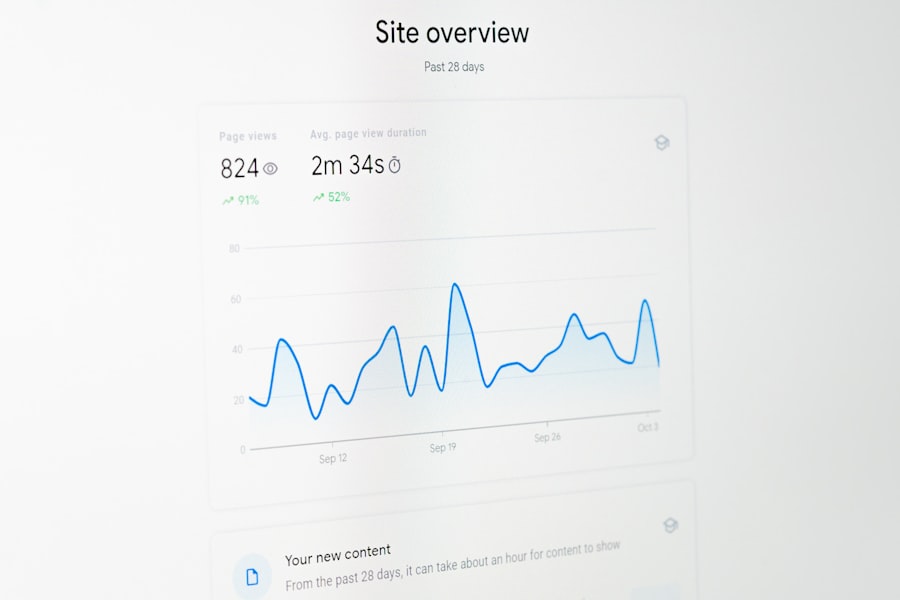
In an age where consumers are bombarded with generic marketing messages, personalization has become a key differentiator. Tailoring your communication to meet the specific needs and preferences of your audience can significantly enhance engagement and conversion rates. Start by segmenting your audience based on demographics, behaviors, or interests, allowing you to craft messages that resonate more deeply with each group.
Personalization goes beyond simply addressing recipients by their names; it involves understanding their pain points and providing solutions that cater to their unique situations. For instance, if you’re targeting small business owners struggling with cash flow issues, create content that speaks directly to their challenges and offers actionable advice. By demonstrating empathy and relevance in your messaging, you build trust and rapport with your audience, increasing the likelihood of follow-through.
Segmenting Your Audience
Audience segmentation is a strategic approach that allows you to divide your broader audience into smaller groups based on shared characteristics or behaviors. This practice enables you to tailor your marketing efforts more effectively and deliver content that resonates with each segment’s specific needs. For example, you might segment your audience by age, location, purchasing behavior, or engagement level with your brand.
By understanding the unique attributes of each segment, you can create targeted campaigns that speak directly to their interests and motivations. This not only enhances engagement but also improves conversion rates as recipients are more likely to respond positively to messages that feel relevant to them. Additionally, segmentation allows for more efficient resource allocation; instead of casting a wide net with generic messaging, you can focus your efforts on high-potential segments that are more likely to convert.
Leveraging Social Proof and Testimonials
Social proof is a powerful psychological phenomenon where individuals look to others’ actions or opinions as a guide for their own behavior. In marketing, leveraging social proof can significantly enhance credibility and trustworthiness in your brand. One effective way to do this is by showcasing testimonials from satisfied customers who have experienced positive outcomes from using your product or service.
Incorporating reviews and testimonials into your marketing materials—whether on your website, social media platforms, or email campaigns—can help potential customers feel more confident in their decision-making process.
By presenting authentic feedback from existing customers, you create a sense of community and validation that encourages new prospects to follow through with their purchase decisions.
Providing Incentives and Rewards
Offering incentives and rewards can be an effective strategy for motivating potential customers to take action. Whether it’s a discount code for first-time buyers or a loyalty program for repeat customers, these incentives create a sense of urgency and encourage immediate engagement. For instance, if you’re running an online store, consider offering a limited-time discount for signing up for your newsletter or making a purchase within a specific timeframe.
Incentives not only drive conversions but also foster customer loyalty by making individuals feel valued for their engagement with your brand. When customers perceive they are receiving something extra—be it discounts, exclusive access to products, or rewards for referrals—they are more likely to develop a positive association with your brand. This sense of appreciation can lead to repeat business and long-term relationships.
Nurturing Leads and Building Relationships
Nurturing leads is an essential aspect of converting prospects into loyal customers. This process involves maintaining ongoing communication with potential customers through targeted content and personalized interactions over time. By providing valuable information that addresses their needs or concerns—such as educational resources or helpful tips—you position yourself as a trusted authority in your industry.
Building relationships with leads requires patience and consistency; it’s about creating meaningful connections rather than pushing for immediate sales. Utilize email marketing campaigns to stay in touch with leads while offering them relevant content tailored to their interests. As you nurture these relationships over time, you’ll find that prospects are more likely to trust your brand when they are ready to make a purchase decision.
Continuously Monitoring and Adjusting Strategies
The digital landscape is constantly evolving; therefore, continuously monitoring and adjusting your marketing strategies is crucial for sustained success. Regularly reviewing key performance indicators (KPIs) allows you to assess what’s working well and what needs improvement. Whether it’s analyzing website traffic trends or evaluating conversion rates from specific campaigns, staying attuned to these metrics will help you make informed decisions moving forward.
Moreover, be open to experimenting with new tactics or channels as market dynamics shift over time. What worked yesterday may not yield the same results today; thus, maintaining flexibility in your approach will enable you to adapt quickly to changing consumer behaviors or preferences. By fostering a culture of continuous improvement within your organization—where feedback is encouraged and innovation is embraced—you’ll position yourself for long-term success in an ever-changing marketplace.
In conclusion, enhancing Follow Through Rates requires a multifaceted approach that encompasses understanding key metrics, setting clear goals, utilizing analytics tools, implementing A/B testing strategies, optimizing CTAs, personalizing communication efforts, segmenting audiences effectively, leveraging social proof, providing incentives for engagement, nurturing leads through relationship-building practices, and continuously monitoring performance metrics for ongoing improvement. By integrating these strategies into your marketing efforts holistically—while remaining adaptable—you’ll be well-equipped to drive conversions and foster lasting customer relationships in today’s competitive landscape.
To effectively enhance your marketing strategies, understanding follow-through rate tracking is essential. For a deeper dive into this topic, you can explore the article on Unplugged Psych, which provides valuable insights and practical tips. Check it out here: Unplugged Psych.
WATCH THIS 🛑 The Final Trap: Why ‘Healed’ People Are The Most Narcissistic
FAQs
What is follow through rate tracking?
Follow through rate tracking is the process of monitoring and measuring the percentage of users who complete a desired action or sequence of actions after an initial engagement, such as clicking a link or starting a process.
Why is follow through rate tracking important?
It helps businesses and marketers understand user behavior, identify drop-off points in a process, and optimize conversion rates by improving the user experience and addressing barriers to completion.
How is follow through rate calculated?
Follow through rate is typically calculated by dividing the number of users who complete the desired action by the number of users who started the process, then multiplying by 100 to get a percentage.
What tools are commonly used for follow through rate tracking?
Common tools include web analytics platforms like Google Analytics, Mixpanel, Kissmetrics, and specialized conversion tracking software that can monitor user interactions and funnel progression.
Can follow through rate tracking be applied to offline processes?
Yes, with appropriate data collection methods such as surveys, CRM tracking, or manual entry, follow through rates can be tracked for offline processes like in-store purchases or phone inquiries.
What factors can affect follow through rates?
Factors include website or app usability, clarity of calls to action, page load times, user trust, relevance of content, and external influences like marketing campaigns or seasonal trends.
How can businesses improve their follow through rates?
Businesses can improve rates by simplifying processes, enhancing user interface design, providing clear instructions, offering incentives, reducing distractions, and continuously testing and optimizing their funnels.
Is follow through rate the same as conversion rate?
While related, follow through rate specifically measures completion of a particular step or sequence after an initial action, whereas conversion rate generally refers to the percentage of users who complete a final desired goal, such as a purchase or signup.
How often should follow through rate tracking be performed?
Tracking should be continuous or at regular intervals to monitor performance trends, quickly identify issues, and measure the impact of changes or campaigns.
Are there privacy concerns with follow through rate tracking?
Yes, tracking user behavior must comply with privacy laws and regulations such as GDPR and CCPA, ensuring user consent and data protection are maintained.