
You are embarking on a journey towards enhanced well-being, and optimizing your fitness is a critical component of that endeavor. This article will guide you through the strategic implementation of health habit stacking, a methodology designed to integrate beneficial behaviors into your daily routine seamlessly. By building upon existing habits, you can establish new, positive patterns with greater efficacy and reduced friction. This approach acknowledges the inherent challenges of behavior change and leverages psychological principles to facilitate sustainable progress.
Habit stacking, a concept popularized by author James Clear in Atomic Habits, involves attaching a new desired behavior to an existing, well-established habit. You are not creating a new habit in isolation; rather, you are leveraging the built-in trigger of an existing routine. Think of it as a train with many cars. Your established habit is the engine, and each new habit you stack is a car you attach, propelled forward by the existing momentum. This method capitalizes on the brain’s tendency to automate sequences of actions, making the new behavior feel less like a conscious effort and more like an integral part of your established flow. Discover the fascinating world of brain science through this insightful video.
The Mechanism of Habit Stacking
The effectiveness of habit stacking lies in its ability to circumvent decision fatigue and the cognitive load associated with initiating novel actions. When you decide to perform a new exercise or healthy eating habit, your brain needs to expend energy on deciding when to do it, where to do it, and how to do it. By linking a new behavior to an established one, you eliminate these cognitive hurdles. The existing habit acts as a cue, automatically triggering the subsequent action. For example, if your established habit is brushing your teeth in the morning, stacking “do 10 squats” after brushing removes the need to decide when to do those squats. Your brain registers brushing your teeth as the signal to perform the squats.
Identifying Existing Habits
Before you can effectively stack new health habits, you must first identify your existing, deeply ingrained routines. These are the behaviors you perform almost unconsciously, such as brewing coffee, showering, checking your phone, or preparing for bed. You are looking for stable, predictable anchors in your day. A useful exercise is to meticulously track your daily activities for a short period, perhaps a few days to a week. Note down everything you do, from waking up to going to sleep, and observe the natural sequence of events. These are your foundational “hooks” upon which you will hang your new health habits.
Crafting Effective Stacking Sentences
The language you use to formulate your habit stacks is crucial for their success. Clear suggests a simple formula: “After I [CURRENT HABIT], I will [NEW HABIT].” This precise phrasing helps solidify the link between the two actions in your mind. For instance, instead of vaguely saying “I’ll stretch more,” you would formulate it as “After I finish my morning coffee, I will stretch for five minutes.” The specificity of this statement leaves no room for ambiguity and provides a clear instructional cue for your brain. The more precise you are, the more likely you are to adhere to the new behavior.
Health habit stacking is an effective strategy for integrating fitness into your daily routine by combining small, manageable habits into a cohesive practice. For those interested in exploring this concept further, a related article can be found at Unplugged Psych, which discusses various techniques for building healthier habits and enhancing overall well-being. By understanding how to stack habits effectively, individuals can create a sustainable approach to fitness that fits seamlessly into their lives.
Maximizing Fitness Through Stacking
Integrating fitness into your life often faces the hurdle of perceived time constraints and motivation fluctuations. Habit stacking offers a robust solution by weaving physical activity directly into the fabric of your daily existence, rather than viewing it as a separate, often daunting, commitment.
Incorporating Movement Throughout the Day
You do not need to dedicate an hour-long block to exercise to reap significant fitness benefits. Micro-workouts, when consistently performed, can accumulate into substantial physiological improvements. By stacking short bursts of activity, you can increase your overall metabolic rate, improve cardiovascular health, and strengthen muscles without the pressure of a formal gym session.
Post-Wake-Up Movements
- After I turn off my alarm, I will do 10 bodyweight squats. This immediately kickstarts your metabolism and gets blood flowing.
- After I drink my first glass of water, I will perform 5 minutes of dynamic stretching. This improves flexibility and prepares your body for the day.
Midday Movement Integration
- After I finish my lunch, I will take a 10-minute walk. This aids digestion and breaks up prolonged periods of sitting.
- After I send an important email, I will do 20 desk push-ups against my desk. This counteracts sedentary behavior and engages upper body muscles.
Evening Activity Stacks
- After I brush my teeth before bed, I will perform 3 minutes of static stretching. This promotes relaxation and improves flexibility for sleep.
- After I put my laundry away, I will do 15 lunges on each leg. This leverages a common household chore as a trigger for lower body strengthening.
Strategic Exercise Integration
Beyond general movement, you can strategically integrate specific exercise routines into your existing schedule. Think of your existing habits as sturdy branches; you are grafting new, healthy “buds” onto them.
Leveraging Daily Commutes
- After I arrive at my office building, I will take the stairs instead of the elevator. This incorporates cardiovascular exercise without requiring extra time.
- After I park my car at home, I will walk an extra block before entering the house. This adds a short, deliberate bout of activity to the end of your day.
Utilizing Downtime
- After I sit down to watch my favorite show, I will do 15 minutes of foam rolling or light yoga. This transforms passive relaxation into active recovery.
- After I finish a chapter of my book, I will do 5 burpees. This turns reading into an opportunity for quick, intense bursts of exercise.
Enhancing Nutritional Habits

You are not only building a stronger body but also fueling it optimally. Habit stacking extends its utility to dietary improvements, making healthier food choices and meal preparation more automatic. The goal is to make the healthy choice the easy choice, seamlessly woven into your eating patterns.
Automating Healthy Food Choices
Changing eating habits can feel like an uphill battle against cravings and ingrained patterns. By stacking, you can build new associations and make nutritious decisions a reflex rather than a deliberate, willpower-dependent effort.
Morning Nutritional Stacks
- After I brew my coffee, I will prepare a fruit and vegetable smoothie. This ensures an early intake of essential nutrients.
- After I open the refrigerator in the morning, I will grab a pre-chopped container of vegetables for my lunch. This eliminates the excuse of preparation time during midday.
Meal Preparation Stacks
- After I finish dinner, I will immediately wash and chop vegetables for tomorrow’s lunch. This front-loads food preparation, making healthy meals more accessible.
- After I come home from grocery shopping, I will pre-portion snacks into individual containers. This prevents overeating and encourages mindful consumption.
Mindful Eating Practices
Beyond what you eat, how you eat significantly impacts your digestion, satiety, and overall well-being. Incorporating mindful eating practices through habit stacking can transform your relationship with food.
Before Meal Stacks
- After I put food on my plate, I will take three deep breaths before taking the first bite. This promotes presence and awareness, reducing rushed eating.
- After I sit down at the table, I will consciously put my phone away and silence notifications. This minimizes distractions and encourages focus on the meal.
During and After Meal Stacks
- After I take a bite of food, I will chew slowly and thoroughly before swallowing. This aids digestion and allows your body to register fullness signals.
- After I finish eating, I will wait 10 minutes before considering a second helping. This gives your stomach time to communicate satiety to your brain.
Improving Recovery and Sleep
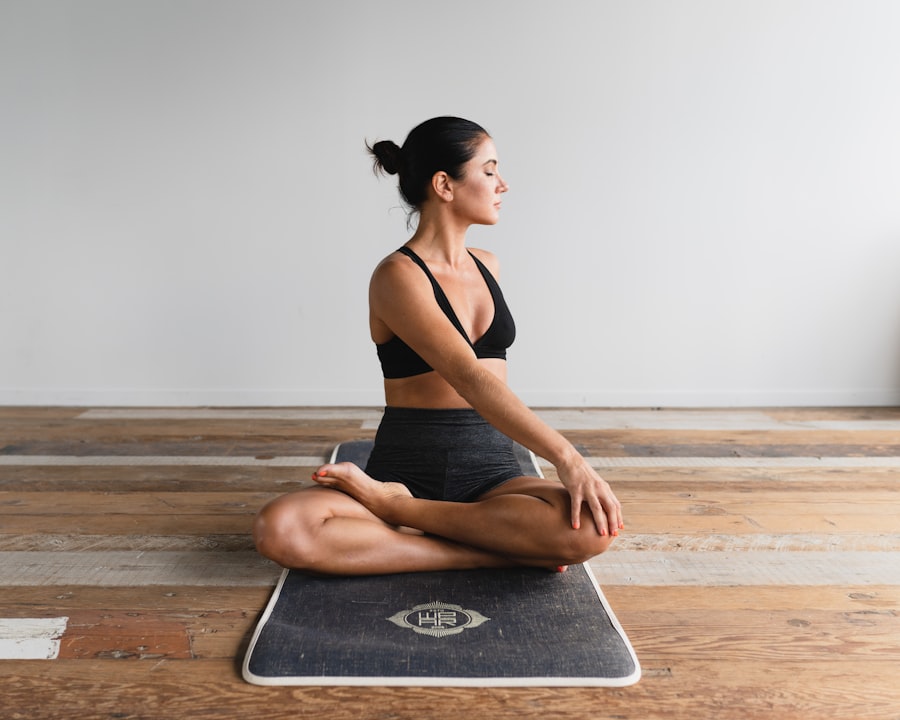
Your fitness journey is not solely about exertion; it is equally about regeneration. Effective recovery and adequate sleep are foundational to both physical and mental health. Neglecting these aspects can undermine even the most rigorous training regimens. You are not just pushing the limit; you are also giving your body the materials and time it needs to rebuild and strengthen.
Optimizing Sleep Hygiene
Sleep hygiene refers to the practices and habits necessary for good nighttime sleep quality and full daytime alertness. Many daily routines, when deliberately altered, can significantly improve your sleep.
Evening Wind-Down Stacks
- After I finish dinner, I will avoid all screens (phone, TV, computer) for at least one hour before bed. This reduces exposure to blue light, which can disrupt melatonin production.
- After I dim the lights in my bedroom, I will practice 10 minutes of journaling or reading a physical book. This promotes mental relaxation and avoids stimulating activities.
Pre-Sleep Rituals
- After I get into bed, I will perform a body scan meditation for 5 minutes. This technique encourages awareness of your body and helps release tension.
- After I set my alarm for the morning, I will turn my phone over and place it out of arm’s reach. This discourages late-night scrolling and makes waking up more intentional.
Integrating Active Recovery
Active recovery involves low-intensity exercise after more strenuous activity, promoting blood flow, reducing muscle soreness, and generally aiding in the repair and rebuilding processes. It is a critical, yet often overlooked, component of a comprehensive fitness plan.
Post-Workout Recovery Stacks
- After I finish my workout, I will immediately consume a protein and carbohydrate shake. This replenishes glycogen stores and provides building blocks for muscle repair.
- After I take my post-workout shower, I will spend 10 minutes stretching or using a foam roller on targeted muscle groups. This reduces post-exercise stiffness and improves flexibility.
Daily Recovery Stacks
- After I sit down for an extended period (e.g., at work), I will stand up and perform a few gentle hip flexor stretches. This counteracts the negative effects of prolonged sitting.
- After I get home from a stressful day, I will take a warm bath with Epsom salts. This promotes muscle relaxation and reduces overall bodily tension.
Health habit stacking is an effective strategy for enhancing fitness routines by combining multiple healthy behaviors into a single, manageable practice. For those looking to deepen their understanding of this approach, a related article can be found at Unplugged Psych, which explores how integrating small, positive habits can lead to significant improvements in overall well-being. By implementing these strategies, individuals can create a more sustainable and enjoyable fitness journey.
Sustaining Your Health Habits
| Health Habit | Stacking Strategy | Frequency | Benefits | Example |
|---|---|---|---|---|
| Morning Stretching | After brushing teeth | Daily | Improves flexibility, reduces stiffness | 5-minute full body stretch |
| Hydration | Before each meal | 3 times/day | Enhances digestion, boosts metabolism | Drink 1 glass of water |
| Walking | After lunch | Daily | Increases cardiovascular health, aids digestion | 10-minute brisk walk |
| Strength Training | After morning coffee | 3 times/week | Builds muscle, improves metabolism | 15-minute bodyweight exercises |
| Meditation | Before bedtime | Daily | Reduces stress, improves sleep quality | 10-minute guided meditation |
You have invested time and effort into building these positive habits. Now, the imperative is to ensure their longevity. Sustainability is not merely about maintenance; it’s about making your new lifestyle resilient against the inevitable challenges and fluctuations of life.
The Power of Tracking and Reflection
Tracking your habits provides valuable data and reinforces your commitment. When you see your progress laid out, it serves as a powerful motivator. Reflection allows you to identify what is working, what needs adjustment, and to celebrate small victories. You are the architect of your habits, and tracking is your blueprint; reflection is your quality control. This feedback loop is essential for continuous improvement.
Tracking Methods
- After I complete my stacked habit, I will mark it off on my habit tracker app/journal. This simple act reinforces the behavior and provides visual proof of consistency.
- After I assess my weekly habit tracker, I will identify one area where I excelled and one area needing improvement. This promotes mindful self-assessment rather than punitive judgment.
Regular Review and Adjustment
- After I review my monthly health goals, I will adjust my habit stacks as needed to align with evolving priorities. Your life circumstances change, and your habits should adapt accordingly. Rigidity can be the enemy of sustainability.
- After I experience a period of missed habits, I will reflect on the triggers for disruption and plan strategies to overcome them. This is not about failure, but about learning and refining your approach.
The Importance of Flexibility and Self-Compassion
Life is not a linear progression, and neither is habit formation. There will be days when you miss a stacked habit, or external circumstances disrupt your routine. During these times, self-compassion is paramount. Viewing a missed habit as a catastrophic failure fosters guilt and discouragement, making it harder to get back on track. Instead, view it as a minor deviation, acknowledge it, and recommit to the next opportunity. You are not a robot; you are a human being navigating a dynamic world.
Recovering from Missed Habits
- After I realize I missed a stacked habit, I will immediately identify the next available opportunity to re-engage. The “never miss twice” rule is a powerful strategy for bouncing back quickly.
- After I experience a challenging week with multiple missed habits, I will simplify my stacks for the following week to rebuild momentum. Sometimes, downsizing expectations is the most effective path to getting back on track.
Celebrating Small Wins
- After I consistently perform a new stacked habit for one week, I will acknowledge my achievement through a small, non-food reward. Positive reinforcement solidifies the behavior.
- After I successfully integrate a challenging habit stack for one month, I will share my progress with a supportive friend or family member. Social accountability and recognition can be significant motivators.
By systematically applying the principles of habit stacking, you can transform your desired health behaviors from fleeting aspirations into ingrained elements of your daily life. This method is a strategic blueprint for achieving sustained fitness improvements, fostering not just physical strength, but also mental resilience and overall well-being. You are building an entire ecosystem of healthy actions, each reinforcing the others, leading you to a healthier, more vibrant existence.
WATCH THIS! 🔥 **The 5 Science-Backed Rules for Permanent Habit Formation:**
FAQs
What is health habit stacking in fitness?
Health habit stacking in fitness refers to the practice of linking new healthy behaviors to existing habits to create a routine that promotes physical well-being. By attaching a new fitness habit to an established one, it becomes easier to remember and maintain over time.
How can habit stacking improve my fitness routine?
Habit stacking can improve your fitness routine by making it more consistent and sustainable. When you connect a new exercise or health habit to something you already do regularly, it reduces the effort needed to start and maintain the new habit, leading to better long-term adherence and results.
Can habit stacking help with weight loss?
Yes, habit stacking can support weight loss by encouraging the development of multiple small, healthy behaviors that collectively increase physical activity and improve nutrition. For example, stacking a habit of drinking water after brushing your teeth or doing a short workout after a daily walk can contribute to calorie burning and healthier lifestyle choices.
What are some examples of fitness habit stacking?
Examples of fitness habit stacking include doing a set of push-ups immediately after brushing your teeth, stretching right after waking up, or taking a short walk after lunch. These small actions, when consistently paired with existing habits, can build a stronger overall fitness routine.
Is habit stacking effective for beginners in fitness?
Yes, habit stacking is particularly effective for beginners because it breaks down fitness goals into manageable steps linked to familiar routines. This approach reduces overwhelm and increases the likelihood of forming lasting healthy habits by leveraging existing behaviors as triggers.