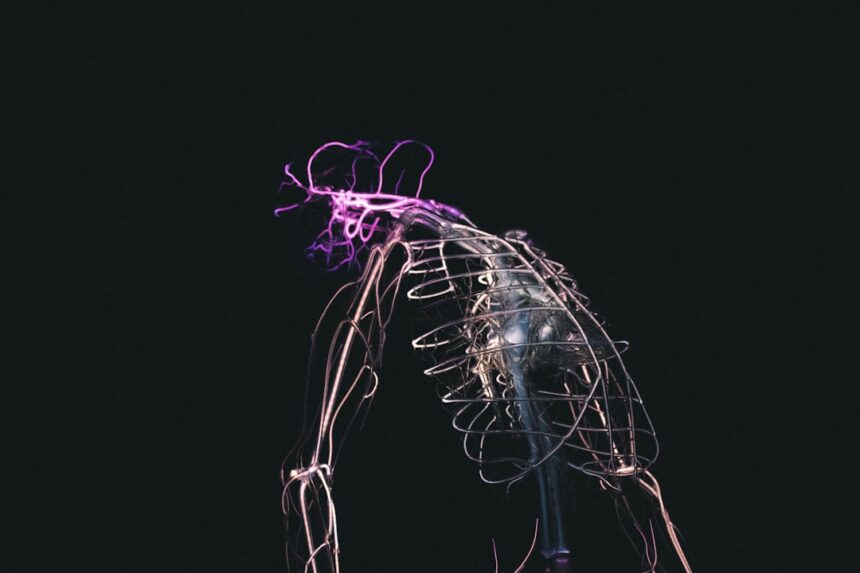
Your journey to regaining a sense of grounded reality, particularly when navigating the unsettling landscape of Depersonalization-Derealization Disorder (DPDR), hinges on a crucial understanding: the stabilization of your nervous system. DPDR often manifests as a profound detachment from yourself or your surroundings, leaving you feeling like a spectator in your own life, or as if the world has become a stage set – artificial and unreal. This is not a mental failing, but rather a complex response of your nervous system to perceived threats, whether past or present, real or imagined. It’s as if your internal alarm system, designed for survival, has become overly sensitive, constantly on high alert, and in doing so, has disconnected you from the very reality it’s meant to protect. Mastering nervous system stabilization, therefore, is akin to recalibrating that alarm system, teaching it to recognize safety and allow you to truly inhabit your experience.
Your autonomic nervous system (ANS) is the conductor of your body’s involuntary functions, from breathing and heart rate to digestion and stress response. It operates on two primary branches: the sympathetic nervous system (SNS), the “fight-or-flight” response, and the parasympathetic nervous system (PSNS), the “rest-and-digest” state. In DPDR, the sympathetic nervous system is often in a state of chronic activation, leading to a pervasive sense of anxiety, vigilance, and a disconnection from the present moment. This state of hyperarousal can feel like being trapped in a perpetual state of emergency, where your senses become dulled or distorted, and your emotional landscape muted. The goal of stabilization is to shift the balance back towards the parasympathetic nervous system, fostering a sense of calm, safety, and integration.
The Sympathetic Nervous System: The Alarm Bell
When your SNS is triggered, it floods your body with stress hormones like adrenaline and cortisol. This prepares you to face a threat by increasing your heart rate, blood pressure, and muscle tension, while simultaneously diverting resources away from less critical functions like digestion and sensory processing. In DPDR, this response can be triggered by a wide array of stimuli, including thoughts, memories, physical sensations, or even anticipated future events. This persistent activation can lead to a range of physical symptoms, such as racing thoughts, trembling, sweating, nausea, and a general feeling of unease. It’s like your body is constantly bracing for impact, even when there’s no immediate danger.
The Parasympathetic Nervous System: The Soothing Hand
The parasympathetic nervous system acts as a counterbalance to the SNS. When activated, it slows your heart rate, lowers blood pressure, promotes digestion, and encourages relaxation. This state allows your body to repair, conserve energy, and engage with the world in a more grounded and present way. Cultivating PSNS activation is paramount in DPDR recovery. It’s about creating an internal environment where your nervous system can feel safe enough to disengage from its hypervigilant state and re-engage with the present reality.
Vagal Tone: The Bridge to Calm
Vagal tone refers to the activity of the vagus nerve, a major component of the PSNS. Higher vagal tone is associated with better emotional regulation, resilience, and a greater ability to shift from a stressed state to a relaxed one. Many techniques aimed at nervous system stabilization focus on improving vagal tone. Think of your vagal tone as the strength and flexibility of the bridge connecting your stressed-out state to your calm state. A stronger, more flexible bridge makes it easier to cross back to safety.
For those seeking insights into nervous system stabilization in relation to depersonalization-derealization disorder (DPDR), a valuable resource can be found in the article titled “Understanding Nervous System Stabilization.” This piece explores various techniques and therapies aimed at helping individuals manage their symptoms effectively. You can read more about it by visiting this link: Understanding Nervous System Stabilization.
Grounding Techniques: Reconnecting to the Present
Grounding techniques are crucial tools in your arsenal for managing DPDR. They are designed to pull your awareness out of the dissociative fog and anchor you firmly in the here and now. These are not about ignoring your feelings, but rather about creating a strong enough present-moment experience that your nervous system recognizes as safe and real. Think of them as anchors dropped into the turbulent waters of DPDR, preventing you from drifting further away into unreality.
Sensory Engagement: Waking Up Your Senses
Engaging your five senses is a direct pathway to the present. When you’re depersonalized or derealized, your sensory input can feel muted, distorted, or irrelevant. Actively focusing on what you can see, hear, smell, taste, and touch can help to cut through this fog.
Tactile Exploration: Feeling Your Feet on the Ground
One of the most accessible and powerful grounding techniques involves focusing on physical sensations. This could be as simple as feeling the texture of your clothing, the warmth of a mug in your hands, or the sensation of your feet on the floor.
The “Five Senses” Exercise: A Structured Approach
A structured approach to sensory engagement involves consciously identifying five things you can see, four things you can touch, three things you can hear, two things you can smell, and one thing you can taste. This methodical process forces your attention outwards and helps to interrupt intrusive thoughts or feelings of unreality.
Deep Pressure Stimulation: The Comfort of Touch
Applying deep pressure, such as through weighted blankets, tight hugs, or firm massage, can send signals of safety and calm to your nervous system. This is because deep pressure can stimulate the release of oxytocin, a hormone associated with bonding and relaxation.
Visual Anchors: Focusing Your Gaze
Directing your attention to specific objects or details in your environment can be highly effective. This could involve studying the intricate patterns on a piece of fabric, the way light falls on a surface, or the details of a natural object.
Mindful Observation: Noticing the Details
Instead of passively looking, engage in mindful observation. Notice the colors, shapes, and textures of what you are seeing. For instance, when looking at a plant, observe the veins in its leaves, the subtle variations in its green, and the way the light reflects off its surface.
Auditory Anchors: Listening to the World
The sounds around you can serve as powerful anchors. Focus on the ambient sounds of your environment, whether it’s the hum of traffic, the chirping of birds, or the rhythm of your own breathing.
Active Listening: Differentiating Sounds
Try to differentiate between various sounds. Can you identify the source of each sound? Is it near or far? This active listening process pulls you into the auditory landscape of the present.
Olfactory and Gustatory Anchors: The Power of Scent and Taste
Strong scents or tastes can be potent grounding tools. This could involve smelling a particular essential oil, tasting a peppermint, or even noticing the aroma of your meal.
Savoring Each Bite: A Culinary Anchor
When eating, practice mindful eating. Pay attention to the taste, texture, and aroma of each bite. This transforms a mundane act into a grounding sensory experience.
Body Awareness: Reclaiming Your Physical Self
DPDR can create a sense of unfamiliarity with your own body, making it feel detached or alien. Reconnecting with your physical form through body awareness exercises is vital. This is about reaffirming that your body is real, tangible, and under your purview.
Mindful Movement: Gentle Embodiment
Gentle, mindful movement can help you reconnect with your physical sensations and reclaim a sense of embodiment. This doesn’t require strenuous exercise; simple actions like stretching, walking, or yoga can be beneficial.
Slow and Deliberate Gestures: Reclaiming Your Form
Focus on the slow, deliberate execution of movements. Notice the sensations in your muscles, joints, and skin. For example, when raising your arm, pay attention to the stretch in your shoulder and the feeling of your muscles contracting.
Interoception: Listening to Your Inner Signals
Interoception is the sense of the internal state of your body, such as your heartbeat, hunger, or temperature. Strengthening your interoceptive awareness helps you feel more connected to your physical self.
Body Scan Meditation: Mapping Your Internal Landscape
A body scan meditation involves systematically bringing your attention to different parts of your body and noticing any sensations without judgment. This helps you to become more attuned to your internal signals.
Breathwork: The Foundation of Calm
Your breath is a constant, ever-present anchor to the present moment. Learning to regulate your breath can profoundly influence your nervous system’s state of arousal. It’s the most accessible, portable tool for calming the storm within.
Diaphragmatic Breathing: The Breath of Relaxation
Diaphragmatic breathing, also known as belly breathing, engages your diaphragm, promoting a deeper, more relaxed breath. This contrasts with shallow chest breathing, which can exacerbate feelings of anxiety.
The “4-7-8” Breathing Technique: A Simple Yet Effective Method
Inhale for a count of 4, hold for a count of 7, and exhale for a count of 8. This technique is specifically designed to activate the parasympathetic nervous system and promote relaxation. Repeating this several times can have a noticeable calming effect.
Box Breathing: Structured Calm
Box breathing involves inhaling, holding, exhaling, and holding for equal durations, typically four seconds each. This structured approach provides a sense of control and order, which can be very reassuring for the nervous system.
Visualizing the Box: A Mental Aid
As you breathe, visualize drawing or breathing into each side of a square or box. This visual cue reinforces the rhythm and helps to maintain focus.
Somatic Experiencing and Trauma-Informed Approaches
For many individuals with DPDR, there is an underlying connection to past trauma or overwhelming experiences. Somatic Experiencing (SE) and other trauma-informed approaches focus on releasing stored tension and unprocessed emotions held within the body, which often contribute to nervous system dysregulation. These methods aim to re-educate your nervous system, teaching it that it is safe to feel and to be present.
Understanding the Body’s Response to Trauma
Trauma can leave your nervous system stuck in a state of hypervigilance or shutdown. This means that even when the threat has passed, your body may still be reacting as if it’s ongoing. This can manifest as chronic anxiety, a feeling of being constantly on edge, or a tendency to dissociate.
Somatic Experiencing (SE): Releasing Stored Tension
SE, developed by Peter Levine, is a body-oriented approach that helps individuals to gently release the physical and emotional impact of trauma. It focuses on the body’s natural capacity for healing and resilience.
Titration: Small Doses of Awareness
Titration involves gently bringing your attention to sensations in your body associated with difficult emotions or memories, but in small, manageable doses. This prevents overwhelming the nervous system and allows for gradual processing.
Following the Sensation: Unpacking the Body’s Wisdom
When a sensation arises, instead of trying to push it away, gently track it. Notice where it is located in your body, its quality (e.g., tightness, warmth, buzzing), and how it changes.
Pendulation: Moving Between States
Pendulation involves gently moving awareness between a distressing sensation or emotion and a state of ease or neutrality. This allows your nervous system to experience moments of calm, reinforcing the idea that safety is possible.
Creating a “Resource” State: Finding Your Anchor of Calm
Identify something that consistently brings you a sense of calm or safety, whether it’s a memory, a place, or a physical sensation. You can then consciously move between the distressing sensation and this “resource” state.
Trauma-Informed Yoga and Mindfulness: Gentle Embodiment
Trauma-informed yoga and mindfulness practices are adapted to be sensitive to the experiences of individuals who have experienced trauma. They focus on gentle movement, building body awareness, and fostering a sense of safety within the body.
Polyvagal Theory Informed Practices: Rebalancing the Nervous System
Practices informed by Polyvagal Theory, which explains how the vagus nerve influences our social engagement and emotional regulation, can be particularly helpful. These practices aim to activate the ventral vagal complex, the part of the vagus nerve associated with safety and connection.
Gentle Movement and Breath: Reconnecting with Your Body
These practices often involve slow, deliberate movements and controlled breathing to help regulate the nervous system and cultivate a sense of safety and presence within the body.
Lifestyle Adjustments: Creating a Stable Foundation

Beyond specific techniques, consistent lifestyle adjustments are the bedrock upon which nervous system stabilization is built. These are the daily practices that create an environment conducive to healing and resilience. Think of these as building a sturdy house; the techniques are the interior design, but the lifestyle provides the essential structure.
Sleep Hygiene: The Restoration Cycle
Adequate and restorative sleep is fundamental for nervous system regulation. During sleep, your body and mind repair and consolidate information. Poor sleep can exacerbate anxiety and contribute to feelings of dissociation.
Consistent Sleep Schedule: A Predictable Rhythm
Aim for a consistent bedtime and wake-up time, even on weekends. This helps to regulate your body’s natural circadian rhythm, promoting better sleep quality.
Creating a Sleep Sanctuary: Minimizing Disruption
Ensure your bedroom is dark, quiet, and cool. Avoid screens and stimulating activities before bed.
Nutrition and Hydration: Fueling Your System
What you eat and drink significantly impacts your nervous system. A balanced diet and adequate hydration support overall well-being and can help to mitigate symptoms of anxiety and DPDR.
Avoiding Stimulants: Calming the Overactive Alarm
Limit your intake of caffeine and alcohol, as these can overstimulate the nervous system and disrupt sleep.
Balanced Diet: Nourishing Your Brain and Body
Focus on whole foods, fruits, vegetables, and lean proteins. Processed foods and excessive sugar can contribute to inflammation and mood swings.
Regular Movement: Releasing Stored Energy
While not about strenuous exercise, regular, gentle movement is crucial for releasing stored tension and promoting the relaxation response.
Mindful Walking: Connecting with Nature and Movement
Walking in nature can be particularly beneficial, combining physical activity with the calming effects of the natural environment.
The Benefits of Gentle Movement: Less is Often More
Engage in activities like walking, swimming, or gentle stretching. The key is consistency and listening to your body’s needs.
Social Connection: The Antidote to Isolation
DPDR can foster feelings of isolation. Re-establishing healthy social connections can provide a sense of belonging and validation, which is essential for nervous system regulation.
Meaningful Relationships: The Power of Shared Experience
Surround yourself with supportive and understanding individuals. Share your experiences with trusted friends or family members.
Gradual Re-engagement: Taking Small Steps
If social interaction feels overwhelming, start with small, manageable steps. Plan short outings or engage in online communities focused on shared interests.
For those seeking insights into nervous system stabilization in relation to depersonalization-derealization disorder (DPDR), a valuable resource can be found in an article that discusses various therapeutic approaches. This article emphasizes the importance of grounding techniques and mindfulness practices in helping individuals regain a sense of reality and connection. You can explore more about these strategies in the article available at Unplugged Psych, which provides a comprehensive overview of how to effectively manage symptoms associated with DPDR.
Mindfulness and Self-Compassion: Cultivating Inner Peace
| Metric | Description | Typical Range/Value | Relevance to Nervous System Stabilization in DPDR |
|---|---|---|---|
| Heart Rate Variability (HRV) | Variation in time intervals between heartbeats | 40-100 ms (higher is better) | Higher HRV indicates better autonomic nervous system balance and improved stress resilience |
| Galvanic Skin Response (GSR) | Skin conductance reflecting sweat gland activity | 0.5-5 microsiemens | Lower GSR suggests reduced sympathetic arousal, aiding nervous system calming |
| Respiratory Rate | Number of breaths per minute | 12-20 breaths/min | Controlled breathing helps regulate autonomic nervous system and reduce DPDR symptoms |
| Sympathetic Nervous System Activity | Level of fight-or-flight response activation | Measured via catecholamine levels or heart rate | Lower activity correlates with reduced anxiety and DPDR intensity |
| Parasympathetic Nervous System Activity | Level of rest-and-digest response activation | Measured via vagal tone or HRV | Higher activity supports nervous system stabilization and symptom relief |
| Electroencephalogram (EEG) Alpha Wave Activity | Brainwave frequency associated with relaxation | 8-12 Hz | Increased alpha activity indicates calm mental state, beneficial for DPDR management |
Mindfulness and self-compassion are not just complementary practices; they are integral to mastering nervous system stabilization for DPDR. They teach you to observe your internal landscape with kindness and acceptance, which is crucial for dismantling the fear and judgment that often accompanies DPDR. This is about learning to be your own ally, rather than your own critic.
Mindfulness: Present Moment Awareness Without Judgment
Mindfulness is the practice of paying attention to the present moment, intentionally and non-judgmentally. This allows you to observe your thoughts, feelings, and sensations without getting swept away by them.
Observing Thoughts as Clouds: Detaching from the Narrative
When experiencing disorienting thoughts or feelings, practice observing them as if they were clouds passing in the sky. You acknowledge their presence without identifying with them or believing them to be absolute truths.
Focused Attention: Anchoring to Breath or Sensation
Begin by focusing on a single anchor, such as your breath or a physical sensation. When your mind wanders, gently guide it back to your anchor.
Self-Compassion: The Gentle Internal Voice
Self-compassion involves treating yourself with the same kindness, understanding, and acceptance you would offer a dear friend who is suffering. This is particularly important when dealing with the distress of DPDR.
Acknowledging Common Humanity: You Are Not Alone
Recognize that feelings of distress and struggle are part of the human experience. You are not alone in your difficulties. This simple acknowledgment can alleviate feelings of isolation.
Treating Yourself with Kindness: The Opposite of Self-Criticism
When you experience negative thoughts about yourself or your condition, consciously choose to respond with kindness rather than criticism. Ask yourself, “What would I say to a friend in this situation?”
Building Resilience Through Acceptance
Acceptance of your current experience, even the difficult aspects of DPDR, is a powerful step towards healing. This doesn’t mean liking DPDR, but rather acknowledging its presence without resistance. Resistance often fuels the problem.
The Paradox of Acceptance: Releasing the Struggle
By accepting what you are experiencing, you stop fighting against it, which paradoxically reduces the intensity of the struggle. This allows your nervous system to begin to relax.
Small Victories: Celebrating Gradual Progress
Acknowledge and celebrate small victories along your healing journey. Each moment of grounding, each instance of self-compassion, is a step forward. These small wins build momentum and reinforce your ability to navigate DPDR.
Mastering nervous system stabilization for DPDR is a process, not a destination. It requires patience, persistence, and a willingness to explore different approaches. By understanding the intricate workings of your nervous system and by implementing these strategies with consistency and kindness towards yourself, you can gradually recalibrate your internal alarm system, inviting a profound sense of groundedness and presence back into your life. Your nervous system, like a finely tuned instrument, can learn to play a more harmonious tune, allowing you to fully inhabit your reality once more.

WARNING: Your “Peace” Is Actually A Trauma Response
FAQs
What is nervous system stabilization in the context of DPDR?
Nervous system stabilization refers to techniques and treatments aimed at calming and regulating the nervous system to reduce symptoms of Depersonalization-Derealization Disorder (DPDR). It helps individuals regain a sense of safety and control, minimizing feelings of detachment and anxiety.
How does nervous system dysregulation contribute to DPDR symptoms?
Nervous system dysregulation can cause heightened stress responses, leading to feelings of unreality, detachment, and emotional numbness characteristic of DPDR. When the nervous system is overactive or imbalanced, it can trigger or worsen dissociative symptoms.
What are common methods used to stabilize the nervous system for DPDR?
Common methods include grounding techniques, mindfulness meditation, controlled breathing exercises, physical activity, and therapy approaches such as cognitive-behavioral therapy (CBT) or somatic experiencing. These methods help reduce hyperarousal and promote relaxation.
Can medication help with nervous system stabilization in DPDR?
While there is no specific medication approved for DPDR, some medications like selective serotonin reuptake inhibitors (SSRIs) or anti-anxiety drugs may be prescribed to manage underlying anxiety or depression, indirectly aiding nervous system stabilization.
How long does it typically take to achieve nervous system stabilization for DPDR?
The time frame varies depending on the individual, severity of symptoms, and treatment approach. Some people may notice improvements within weeks, while others may require months of consistent therapy and self-care practices to achieve significant stabilization.