
The nervous system functions as the body’s primary communication network, transmitting signals between the brain and various body parts. It consists of two main divisions: the central nervous system (CNS), comprising the brain and spinal cord, and the peripheral nervous system (PNS), which connects the CNS to limbs and organs. This intricate network regulates bodily functions, processes sensory information, coordinates motor responses, and maintains homeostasis.
The nervous system’s influence extends beyond physical control to affect emotional states and cognitive processes. During stress responses, the nervous system initiates physiological changes that prepare the body for fight-or-flight reactions—an evolutionary mechanism essential for survival. However, chronic activation of this response can lead to adverse health effects.
Research continues to expand our understanding of neurological processes and their implications for health and disease management. Modern neuroscience has revealed the nervous system’s remarkable plasticity—its ability to reorganize neural pathways based on experience and environmental factors.
Key Takeaways
- The nervous system plays a crucial role in overall health and requires proper regulation for balance.
- Techniques like controlled breathing, mindfulness, and meditation help maintain nervous system stability.
- Physical activity and proper nutrition support nervous system function and resilience.
- Adequate rest, stress management, and professional interventions enhance nervous system regulation.
- Integrating these practices into daily routines promotes long-term nervous system health and well-being.
The Importance of Nervous System Regulation
Regulating your nervous system is paramount for achieving optimal health and well-being. When your nervous system is in balance, you experience improved emotional stability, enhanced cognitive function, and better physical health. Conversely, an unregulated nervous system can lead to a host of issues, including anxiety, depression, chronic pain, and various autoimmune disorders.
By prioritizing nervous system regulation, you can cultivate resilience against stressors and improve your overall quality of life. Moreover, understanding the importance of this regulation extends beyond individual health; it also impacts your relationships and social interactions. A well-regulated nervous system allows you to respond to challenges with clarity and composure rather than reacting impulsively or defensively.
This emotional stability fosters healthier connections with others, enabling you to communicate effectively and empathize with those around you. In essence, by focusing on nervous system regulation, you not only enhance your own well-being but also contribute positively to your social environment.
Breathing Techniques for Nervous System Balance

One of the most effective ways to regulate your nervous system is through conscious breathing techniques. Your breath serves as a direct link between your mind and body; by controlling it, you can influence your physiological state. Deep, slow breathing activates the parasympathetic nervous system, which promotes relaxation and counteracts the stress response.
Techniques such as diaphragmatic breathing or box breathing can help you cultivate a sense of calm and balance. Incorporating these breathing exercises into your daily routine can yield significant benefits. For instance, when faced with a stressful situation, taking a moment to focus on your breath can help ground you and reduce feelings of anxiety.
By practicing these techniques regularly, you train your body to respond more effectively to stressors, ultimately leading to a more balanced nervous system. Remember that even just a few minutes of focused breathing can make a difference in how you feel throughout the day.
Mindfulness and Meditation for Nervous System Regulation
Mindfulness and meditation are powerful tools for regulating your nervous system and fostering emotional resilience. By cultivating present-moment awareness, you can create a buffer against stressors that may otherwise overwhelm you. Mindfulness encourages you to observe your thoughts and feelings without judgment, allowing you to develop a greater understanding of your internal landscape.
This practice can help you identify patterns of reactivity and cultivate a more balanced emotional state. Meditation takes this concept further by providing a structured approach to calming the mind and body. Regular meditation practice has been shown to reduce symptoms of anxiety and depression while enhancing overall well-being.
Techniques such as guided imagery or loving-kindness meditation can help you connect with your inner self and promote feelings of compassion and acceptance. By integrating mindfulness and meditation into your daily life, you create a sanctuary for your nervous system to thrive.
Movement and Exercise for Nervous System Balance
| Technique | Description | Effect on Nervous System | Typical Duration | Common Use Cases |
|---|---|---|---|---|
| Deep Breathing | Slow, controlled breaths to increase oxygen intake and promote relaxation. | Activates parasympathetic nervous system, reducing heart rate and stress. | 5-10 minutes | Stress reduction, anxiety management, improving focus |
| Progressive Muscle Relaxation | Systematic tensing and relaxing of muscle groups to reduce tension. | Decreases sympathetic nervous system activity, promoting calmness. | 10-20 minutes | Stress relief, insomnia, muscle tension |
| Meditation | Focused attention or mindfulness practice to calm the mind. | Enhances parasympathetic activity, lowers cortisol levels. | 10-30 minutes | Anxiety, depression, chronic pain management |
| Cold Exposure | Brief exposure to cold stimuli like cold showers or ice baths. | Stimulates sympathetic nervous system, followed by parasympathetic rebound. | 1-5 minutes | Improved alertness, inflammation reduction, mood enhancement |
| Biofeedback | Using electronic monitoring to gain awareness and control over physiological functions. | Trains regulation of heart rate, muscle tension, and breathing. | 20-60 minutes per session | Chronic pain, hypertension, anxiety disorders |
| Yoga | Physical postures combined with breath control and meditation. | Balances autonomic nervous system, increases parasympathetic tone. | 30-90 minutes | Stress management, flexibility, mental clarity |
Physical movement is another essential component of maintaining a balanced nervous system. Engaging in regular exercise not only strengthens your body but also releases endorphins—natural mood lifters that promote feelings of happiness and well-being. Whether it’s a brisk walk in nature, a yoga class, or an intense workout at the gym, finding an activity that resonates with you can significantly impact your mental health.
Moreover, movement helps to dissipate built-up tension in the body that often accompanies stress. When you engage in physical activity, you’re not just improving your cardiovascular health; you’re also providing an outlet for pent-up emotions and stressors. This release can lead to a greater sense of calm and clarity in your mind.
By prioritizing movement as part of your daily routine, you create a holistic approach to nervous system regulation that encompasses both physical and emotional well-being.
Nutrition and Nervous System Health
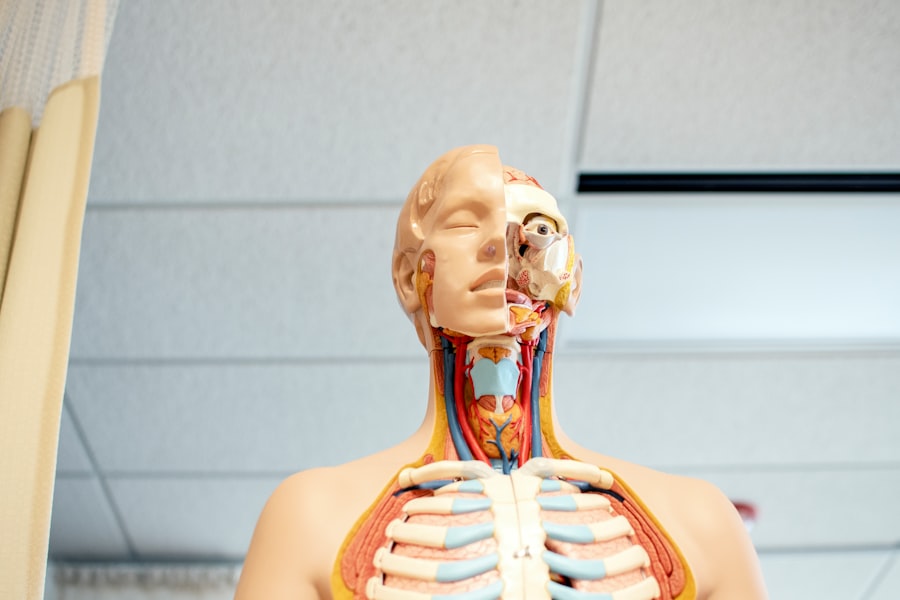
Your diet plays a crucial role in supporting the health of your nervous system. The foods you consume provide the essential nutrients needed for optimal brain function and neurotransmitter production. A balanced diet rich in whole foods—such as fruits, vegetables, whole grains, lean proteins, and healthy fats—can help nourish your nervous system and promote overall well-being.
Certain nutrients are particularly beneficial for nervous system health. Omega-3 fatty acids found in fatty fish like salmon have been shown to support brain function and reduce inflammation. B vitamins are essential for energy production and neurotransmitter synthesis, while antioxidants help protect against oxidative stress that can damage nerve cells.
By being mindful of your nutritional choices, you can create a foundation for a resilient nervous system that supports both mental clarity and emotional stability.
Rest and Recovery for Nervous System Regulation
Rest and recovery are often overlooked aspects of maintaining a balanced nervous system. In our fast-paced world, it’s easy to prioritize productivity over self-care, leading to chronic stress and burnout. However, allowing yourself adequate time to rest is essential for recharging both your body and mind.
Sleep plays a vital role in regulating mood, cognitive function, and overall health; without sufficient rest, your nervous system may struggle to maintain balance. Incorporating restorative practices into your routine can enhance recovery and promote nervous system regulation. Activities such as gentle yoga, tai chi, or simply spending time in nature can help calm the mind and restore energy levels.
Additionally, establishing a consistent sleep schedule can improve sleep quality and support overall well-being. By prioritizing rest and recovery, you create an environment where your nervous system can thrive.
Stress Management Techniques for Nervous System Balance
Effective stress management is crucial for maintaining a balanced nervous system. When faced with stressors, it’s important to have strategies in place that allow you to respond rather than react impulsively. Techniques such as journaling can help you process emotions and gain clarity on what triggers stress in your life.
By identifying these triggers, you can develop proactive strategies to mitigate their impact. Another valuable technique is time management; by organizing tasks and setting realistic goals, you can reduce feelings of overwhelm that often accompany stress. Additionally, engaging in hobbies or activities that bring you joy can serve as an effective outlet for stress relief.
Whether it’s painting, gardening, or playing an instrument, finding time for activities that nourish your soul is essential for maintaining a balanced nervous system.
Biofeedback and Neurofeedback for Nervous System Regulation
Biofeedback and neurofeedback are innovative approaches that harness technology to promote nervous system regulation. Biofeedback involves using sensors to monitor physiological functions such as heart rate or muscle tension; this information is then fed back to you in real-time, allowing you to learn how to control these functions consciously. By becoming aware of how your body responds to stressors, you can develop techniques to promote relaxation and balance.
Neurofeedback takes this concept further by focusing specifically on brain activity. Through EEG monitoring, neurofeedback provides insights into brainwave patterns associated with different states of mind—such as relaxation or focus. By training your brain to achieve desired states through feedback mechanisms, you can enhance emotional regulation and cognitive performance.
Both biofeedback and neurofeedback offer valuable tools for those seeking to optimize their nervous system health.
Professional Support for Nervous System Health
While self-care practices are essential for maintaining a balanced nervous system, seeking professional support can also be beneficial. Therapists or counselors trained in somatic experiencing or trauma-informed care can provide valuable insights into how past experiences may impact your current state of being. They can guide you through techniques tailored to your unique needs, helping you develop coping strategies that promote healing.
Additionally, working with healthcare professionals such as nutritionists or functional medicine practitioners can provide personalized guidance on optimizing your diet for nervous system health. These experts can help identify any underlying issues that may be contributing to imbalances in your nervous system while offering tailored recommendations for improvement.
Integrating Nervous System Regulation into Daily Life
Integrating nervous system regulation into your daily life requires intention and commitment but can yield profound benefits over time. Start by incorporating small practices into your routine—whether it’s setting aside time for mindful breathing each morning or taking short breaks throughout the day to stretch or move. Gradually build upon these practices until they become second nature.
Creating an environment conducive to relaxation is also essential; consider decluttering your space or incorporating calming elements such as plants or soothing colors into your surroundings.
By prioritizing nervous system regulation in daily life—through mindful practices like breathing techniques, movement, nutrition choices, rest strategies, stress management techniques—you empower yourself to cultivate resilience against life’s challenges while fostering overall well-being.
Remember that this journey is unique to each individual; be patient with yourself as you explore what works best for you on this path toward balance and harmony within yourself.
Nervous system regulation techniques are essential for managing stress and enhancing overall well-being. One insightful resource on this topic can be found in the article on Unplugged Psych, which explores various methods to help individuals achieve a balanced state of mind. You can read more about these techniques in their article [here](https://www.unpluggedpsych.com/).
FAQs
What is nervous system regulation?
Nervous system regulation refers to techniques and practices aimed at balancing and stabilizing the autonomic nervous system, which controls involuntary bodily functions such as heart rate, digestion, and respiratory rate. Proper regulation helps manage stress, anxiety, and overall emotional well-being.
Why is nervous system regulation important?
Regulating the nervous system is important because it helps reduce stress, improve emotional resilience, enhance focus, and promote physical health. Dysregulation can lead to chronic stress, anxiety, depression, and other health issues.
What are common techniques used for nervous system regulation?
Common techniques include deep breathing exercises, mindfulness meditation, progressive muscle relaxation, yoga, biofeedback, grounding exercises, and physical activities like walking or stretching.
How does deep breathing help regulate the nervous system?
Deep breathing activates the parasympathetic nervous system, which promotes relaxation by slowing the heart rate and reducing stress hormone levels. Techniques like diaphragmatic breathing or box breathing are often used.
Can mindfulness meditation improve nervous system regulation?
Yes, mindfulness meditation helps increase awareness of the present moment and reduces the activity of the sympathetic nervous system (responsible for the fight-or-flight response), thereby promoting calmness and emotional balance.
Are there any lifestyle changes that support nervous system regulation?
Yes, maintaining a regular sleep schedule, engaging in regular physical activity, eating a balanced diet, reducing caffeine and alcohol intake, and managing stress through social support can all support nervous system health.
Is nervous system regulation beneficial for mental health conditions?
Nervous system regulation techniques can be beneficial as complementary approaches for managing symptoms of anxiety, depression, PTSD, and other mental health conditions by helping to reduce physiological arousal and improve emotional control.
How quickly can nervous system regulation techniques show results?
Some techniques, like deep breathing or grounding exercises, can provide immediate relief from stress, while others, such as meditation or yoga, may require consistent practice over weeks or months to see significant benefits.
Can nervous system regulation techniques be practiced by anyone?
Yes, most nervous system regulation techniques are safe and accessible for people of all ages and health conditions, though individuals with specific medical or psychological conditions should consult a healthcare professional before starting new practices.
Where can I learn more about nervous system regulation techniques?
Information can be found through healthcare providers, mental health professionals, reputable websites, books on stress management and mindfulness, and guided classes or apps focused on relaxation and meditation.