
Negotiation can often feel like a high-stakes game, and it’s natural for anxiety to creep in. You might find yourself questioning your abilities, fearing rejection, or worrying about the potential outcomes. Understanding the source of this anxiety is the first step toward managing it effectively.
Often, the root of your anxiety lies in a fear of failure or a lack of confidence in your negotiation skills. You may be concerned about how others perceive you, which can amplify feelings of self-doubt. Recognizing these feelings is crucial; they are not just personal shortcomings but common experiences shared by many.
Moreover, the context of the negotiation can also contribute to your anxiety. If you are negotiating a salary increase or a contract for a significant project, the stakes feel higher, and the pressure intensifies. You might feel that your entire career hinges on the outcome, which can lead to a paralyzing fear of making mistakes.
By acknowledging these pressures and understanding that they are part of the negotiation landscape, you can begin to reframe your mindset. Instead of viewing negotiation as a battleground, consider it an opportunity for collaboration and mutual benefit.
Key Takeaways
- Anxiety in negotiation often stems from fear of failure, rejection, or conflict
- Triggers for negotiation anxiety can include past negative experiences, power imbalances, or high stakes
- Self-awareness and emotional regulation are key in managing negotiation anxiety
- Confidence and assertiveness can be built through preparation, practice, and positive self-talk
- Effective communication, active listening, and empathy are essential for successful negotiation
Identifying Triggers and Patterns in Negotiation Anxiety
Once you have a grasp on the sources of your anxiety, the next step is to identify specific triggers and patterns that exacerbate these feelings during negotiations. You may notice that certain situations, such as negotiating with authority figures or in unfamiliar environments, heighten your anxiety levels. By pinpointing these triggers, you can develop strategies to address them proactively.
For instance, if you find that negotiating with a superior makes you particularly anxious, you might practice role-playing scenarios with a trusted colleague to build your confidence. Additionally, recognizing patterns in your behavior during negotiations can provide valuable insights. Do you tend to avoid eye contact when discussing sensitive topics?
Or perhaps you find yourself speaking too quickly when under pressure? These behaviors can signal your anxiety and may hinder effective communication. By becoming aware of these patterns, you can work on modifying them.
Practicing mindfulness techniques can help you stay grounded and present during negotiations, allowing you to respond more thoughtfully rather than reactively.
Developing Self-Awareness and Emotional Regulation
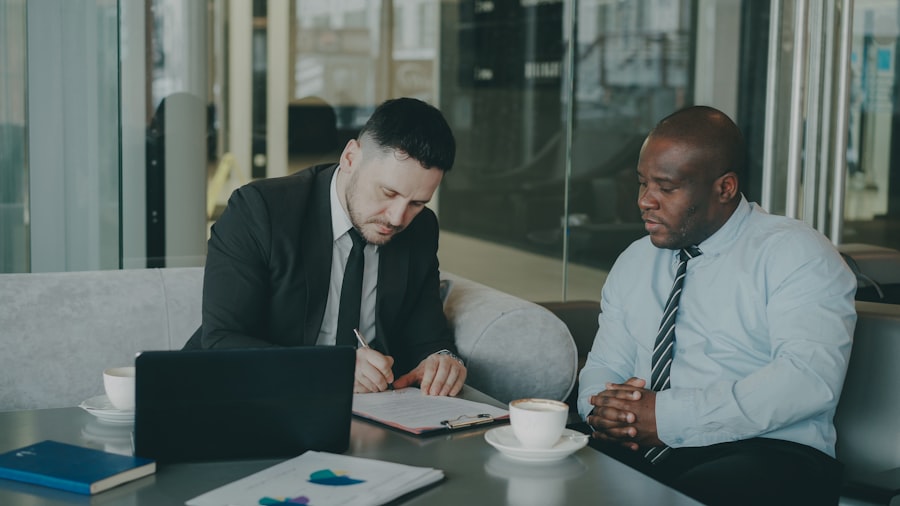
Self-awareness is a powerful tool in managing negotiation anxiety. By understanding your emotions and how they influence your behavior, you can better navigate the complexities of negotiation. Take time to reflect on your feelings before entering a negotiation.
Are you feeling anxious, excited, or perhaps a mix of both? Acknowledging these emotions allows you to approach the situation with clarity and intention. You might find it helpful to keep a journal where you document your feelings and thoughts related to past negotiations, which can provide insights into your emotional landscape.
Emotional regulation is equally important in maintaining composure during negotiations. When anxiety strikes, it can lead to impulsive decisions or ineffective communication. Developing techniques to manage your emotions—such as deep breathing exercises or visualization—can help you stay calm under pressure.
For example, before entering a negotiation room, take a moment to breathe deeply and visualize a successful outcome. This practice not only calms your nerves but also reinforces a positive mindset that can influence the negotiation process.
Building Confidence and Assertiveness in Negotiation
| Metrics | Results |
|---|---|
| Number of negotiation workshops attended | 10 |
| Self-assessed confidence level before training | 5/10 |
| Self-assessed confidence level after training | 8/10 |
| Number of successful negotiations post-training | 15 |
Confidence plays a pivotal role in successful negotiations. When you believe in your abilities and value, it reflects in your demeanor and communication style. To build this confidence, start by recognizing your strengths and accomplishments.
Reminding yourself of these achievements can bolster your self-esteem and prepare you for future negotiations. Assertiveness is another key component of effective negotiation.
It involves expressing your needs and desires clearly while respecting the other party’s perspective. You might practice assertive communication techniques, such as using “I” statements to express your thoughts and feelings without sounding confrontational. For instance, instead of saying, “You never listen to my ideas,” try framing it as, “I feel unheard when my suggestions are overlooked.” This approach fosters a more collaborative atmosphere and encourages open dialogue.
Utilizing Effective Communication Strategies
Effective communication is at the heart of successful negotiations. It’s essential to articulate your thoughts clearly and persuasively while also being receptive to the other party’s viewpoints. One strategy to enhance your communication skills is to prepare key points ahead of time.
Outline what you want to convey and anticipate potential questions or objections from the other side. This preparation not only boosts your confidence but also ensures that you stay focused during the discussion. Additionally, non-verbal communication plays a significant role in how your message is received.
Pay attention to your body language, tone of voice, and facial expressions. Maintaining eye contact and using open gestures can convey confidence and engagement. Conversely, closed-off body language may signal insecurity or defensiveness.
By being mindful of both verbal and non-verbal cues, you can create a more positive interaction that fosters trust and collaboration.
Practicing Active Listening and Empathy

Active listening is an essential skill in negotiation that often gets overlooked amidst the focus on speaking and presenting arguments. When you actively listen, you demonstrate respect for the other party’s perspective, which can lead to more productive discussions. Practice techniques such as paraphrasing what the other person has said or asking clarifying questions to ensure understanding.
This not only shows that you value their input but also helps you gather crucial information that can inform your negotiation strategy. Empathy goes hand-in-hand with active listening. By putting yourself in the other party’s shoes, you can better understand their motivations and concerns.
This understanding allows you to tailor your approach to address their needs while still advocating for your own interests. For example, if you sense that the other party is anxious about budget constraints, acknowledging their concerns can create a more collaborative atmosphere where both sides feel heard and valued.
Setting Realistic Goals and Expectations
Setting realistic goals and expectations is vital for reducing anxiety during negotiations. When you enter a negotiation with clear objectives that are achievable, it helps mitigate feelings of uncertainty and pressure. Take time to define what success looks like for you in this context—whether it’s securing a specific salary increase or reaching an agreement on project timelines.
By having well-defined goals, you can focus on what truly matters rather than getting lost in anxiety about potential outcomes. Moreover, it’s important to remain flexible during negotiations. While having goals is essential, being open to alternative solutions can lead to unexpected opportunities for collaboration.
If you find that your initial goals are not attainable due to constraints from the other party, consider adjusting them while still advocating for your core interests. This adaptability not only reduces stress but also demonstrates your willingness to work together toward a mutually beneficial outcome.
Preparing and Planning for Negotiation Success
Preparation is key to successful negotiations and can significantly alleviate anxiety. Before entering any negotiation, take time to research relevant information about the other party, industry standards, and potential outcomes. This knowledge equips you with the confidence needed to engage effectively in discussions.
Create a checklist of points you want to cover during the negotiation and practice articulating them clearly. Additionally, consider conducting mock negotiations with a trusted colleague or mentor. This practice allows you to refine your approach, receive constructive feedback, and build familiarity with the negotiation process itself.
The more prepared you are, the less anxious you’ll feel when it comes time for the actual discussion.
Managing Stress and Pressure During Negotiation
Negotiations can be inherently stressful situations; however, managing that stress is crucial for maintaining clarity and composure. Develop strategies that work for you personally—whether it’s taking short breaks during lengthy discussions or employing relaxation techniques such as mindfulness meditation before entering the room. These practices help ground you in the moment and reduce feelings of overwhelm.
Additionally, remind yourself that it’s normal to feel pressure during negotiations; acknowledging this reality can help normalize your experience rather than amplify anxiety. Focus on maintaining a positive mindset by visualizing successful outcomes or reminding yourself of past achievements in similar situations. This shift in perspective can transform stress into motivation rather than an obstacle.
Seeking Support and Feedback from Mentors or Peers
Don’t underestimate the value of seeking support from mentors or peers when preparing for negotiations. Engaging with individuals who have experience in negotiation can provide valuable insights and strategies that may not have occurred to you otherwise. They can offer feedback on your approach or even role-play scenarios with you to help build confidence.
Moreover, discussing your anxieties with trusted colleagues can help normalize your feelings and provide reassurance that you’re not alone in facing these challenges. Sharing experiences allows for collective learning; others may have faced similar situations and can offer advice on how they navigated their own negotiation anxieties.
Reflecting and Learning from Past Negotiation Experiences
After each negotiation experience—regardless of its outcome—take time to reflect on what transpired.
Documenting these insights can create a valuable resource for future reference.
Learning from past experiences also involves recognizing patterns in your behavior or emotional responses during negotiations. By identifying these trends over time, you can develop strategies tailored specifically to address them in future discussions. Each negotiation is an opportunity for growth; by embracing this mindset, you’ll gradually build resilience against anxiety while enhancing your overall effectiveness as a negotiator.
In conclusion, navigating anxiety in negotiation requires a multifaceted approach that encompasses self-awareness, preparation, effective communication, and continuous learning from experiences. By understanding the sources of your anxiety and developing strategies to manage it effectively, you empower yourself to engage confidently in negotiations while fostering positive outcomes for all parties involved.
If you’re looking to improve your negotiation skills while managing anxiety, you might find it helpful to read more about effective strategies in the article available on Unplugged Psych. This resource offers insights into calming techniques and practical tips that can enhance your confidence during negotiations. You can check it out here: Unplugged Psych.
WATCH THIS! Your Intuition Is Lying: How Anxiety Fakes Spiritual Wisdom
FAQs
What is negotiation?
Negotiation is a process in which two or more parties with different needs and goals work together to find a mutually acceptable solution.
What causes anxiety during negotiation?
Anxiety during negotiation can be caused by fear of rejection, fear of conflict, lack of confidence, and uncertainty about the outcome.
How can I negotiate without anxiety?
You can negotiate without anxiety by preparing thoroughly, practicing active listening, maintaining a positive attitude, and focusing on finding a win-win solution.
What are some tips for reducing anxiety during negotiation?
Some tips for reducing anxiety during negotiation include deep breathing exercises, positive self-talk, and visualizing a successful outcome.
How can I build confidence in negotiation?
You can build confidence in negotiation by researching the topic, practicing your negotiation skills, and seeking feedback from others.