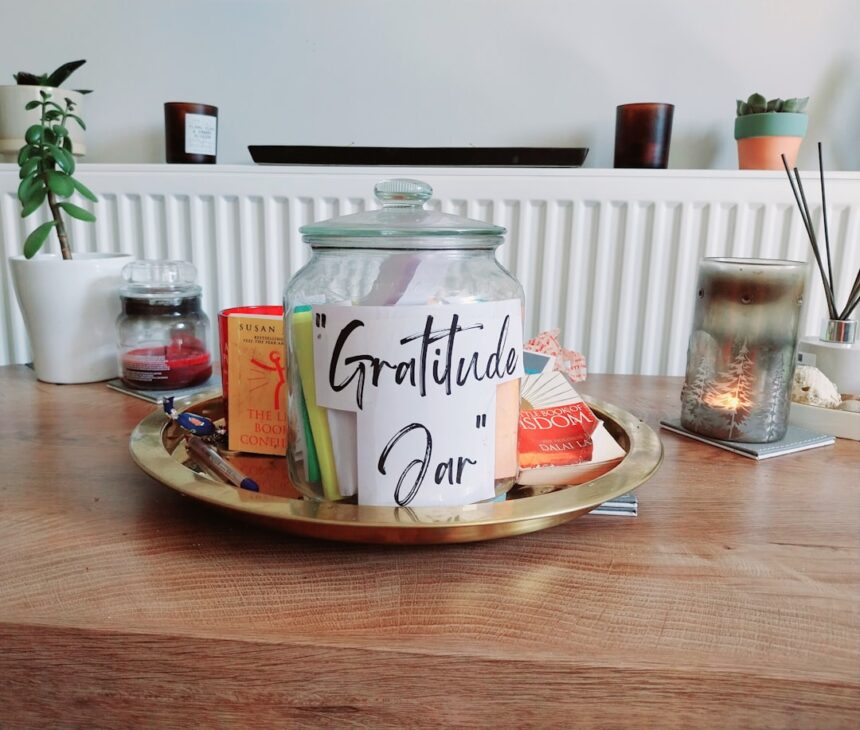
Gratitude is a psychological and emotional state that can produce measurable improvements in well-being and life satisfaction. Research indicates that practicing gratitude shifts cognitive focus from perceived deficiencies to existing resources and positive aspects of one’s life. This reorientation can contribute to increased contentment and emotional resilience.
Studies suggest that individuals who regularly acknowledge what they have report higher levels of life satisfaction and improved mental health outcomes. Gratitude also strengthens interpersonal connections. When people express appreciation for others’ actions and support, they reinforce social bonds and encourage reciprocal positive behavior.
Enhanced social relationships, in turn, contribute to overall life satisfaction and provide practical and emotional support networks. The practice of gratitude can therefore create a positive feedback loop that benefits both individual well-being and community relationships.
Discover the power of inner magnetism to transform your life and attract success effortlessly.
Key Takeaways
- Gratitude enhances mental and emotional well-being, fostering a positive mindset.
- Scientific research links gratitude to increased success and resilience.
- Regularly expressing gratitude strengthens personal and professional relationships.
- Cultivating gratitude helps overcome challenges and promotes personal growth.
- Consistent gratitude practices contribute to lasting success and overall health.
The Science Behind Gratitude and Success
Research has shown that gratitude is intricately linked to success in various aspects of life. Studies indicate that individuals who practice gratitude regularly tend to experience higher levels of happiness and satisfaction. This emotional well-being can translate into greater motivation and productivity, which are essential components of success.
When you feel grateful, you are more likely to approach challenges with a positive mindset, enabling you to persevere and achieve your goals. Furthermore, gratitude has been shown to enhance resilience. When faced with setbacks, those who maintain a grateful perspective are better equipped to bounce back and learn from their experiences.
This resilience is crucial in both personal and professional realms, as it allows you to navigate obstacles with grace and determination. By understanding the science behind gratitude, you can leverage its benefits to propel yourself toward success in all areas of your life.
Cultivating a Grateful Mindset

Cultivating a grateful mindset requires intentionality and practice. It begins with recognizing the small joys and blessings that often go unnoticed in your daily life. You might start by keeping a gratitude journal, where you jot down three things you are thankful for each day.
This simple exercise can help shift your focus from negativity to appreciation, allowing you to develop a habit of gratitude over time. Additionally, mindfulness plays a crucial role in fostering a grateful mindset. By being present in the moment, you can fully appreciate the beauty around you and the people in your life.
Take time each day to reflect on what brings you joy, whether it’s a warm cup of coffee in the morning or a kind word from a friend. As you cultivate this awareness, you’ll find that gratitude becomes an integral part of your thought process, enriching your life in countless ways.
Expressing Gratitude in Daily Life
Expressing gratitude is just as important as feeling it. When you take the time to acknowledge the kindness of others, you not only uplift their spirits but also reinforce your own sense of appreciation.
These acts of kindness create a ripple effect, encouraging others to practice gratitude as well. Incorporating gratitude into your daily routine can be transformative. Consider setting aside a few moments each day to express appreciation for the people and experiences that enrich your life.
Whether it’s thanking a colleague for their support or acknowledging a loved one for their presence, these small acts can foster deeper connections and enhance your overall sense of well-being. By making gratitude a regular part of your life, you’ll find that it becomes easier to recognize and celebrate the abundance around you.
Using Gratitude to Overcome Challenges
| Metric | Description | Measurement Method | Typical Range | Impact on Success |
|---|---|---|---|---|
| Daily Gratitude Practice Frequency | Number of times gratitude is consciously practiced per day | Self-reported journal entries or app tracking | 1-3 times/day | Higher frequency correlates with increased positivity and motivation |
| Gratitude Intensity | Depth of feeling when expressing gratitude | Likert scale rating (1-10) in self-assessments | 5-9 | Stronger intensity linked to greater emotional resilience |
| Recognition of Small Wins | Number of small achievements acknowledged daily | Daily logs or reflection journals | 3-7 small wins/day | Encourages sustained motivation and progress |
| Positive Mindset Duration | Amount of time spent in a positive, grateful mindset daily | Self-report or mood tracking apps | 1-4 hours/day | Supports consistent productivity and goal focus |
| Impact on Stress Levels | Reduction in perceived stress due to gratitude practice | Stress questionnaires before and after gratitude interventions | 20-40% reduction | Lower stress improves decision-making and performance |
| Success Attribution | Degree to which success is attributed to effort and gratitude | Self-assessment scales and interviews | Moderate to high attribution | Promotes sustained effort and humility |
Life is filled with challenges, but gratitude can serve as a powerful tool for overcoming adversity. When faced with difficulties, it’s easy to become consumed by negativity and despair. However, by shifting your focus to what you are grateful for, you can gain perspective and resilience.
This shift allows you to see challenges as opportunities for growth rather than insurmountable obstacles. For instance, during tough times, reflecting on past experiences where you’ve triumphed can remind you of your strength and capabilities. By acknowledging the lessons learned from previous challenges, you can approach current struggles with renewed determination.
Gratitude helps you cultivate a mindset that embraces resilience, enabling you to navigate life’s ups and downs with grace and confidence.
Gratitude as a Tool for Personal Growth

Gratitude is not just about appreciating what you have; it is also a catalyst for personal growth. When you practice gratitude regularly, you develop greater self-awareness and emotional intelligence. This heightened awareness allows you to recognize patterns in your thoughts and behaviors that may be holding you back from reaching your full potential.
Moreover, gratitude encourages a growth mindset—a belief that abilities and intelligence can be developed through dedication and hard work. By focusing on what you’re grateful for, you become more open to learning from experiences rather than fearing failure. This shift in perspective fosters resilience and adaptability, essential traits for personal development.
As you embrace gratitude as a tool for growth, you’ll find yourself evolving into the best version of yourself.
Gratitude in Professional and Career Success
In the professional realm, gratitude can significantly impact your career trajectory. Expressing appreciation towards colleagues and superiors fosters a positive work environment where collaboration thrives. When team members feel valued, they are more likely to contribute their best efforts, leading to increased productivity and innovation.
Additionally, practicing gratitude can enhance your leadership skills. A leader who expresses appreciation creates a culture of recognition within their team, motivating employees to perform at their best. This not only boosts morale but also strengthens relationships among team members.
By incorporating gratitude into your professional interactions, you’ll cultivate an atmosphere of respect and support that can propel both individual and collective success.
Gratitude in Relationships and Social Success
Gratitude plays a vital role in nurturing relationships and fostering social success. When you express appreciation for those around you—be it friends, family, or acquaintances—you strengthen the bonds that connect you. Acknowledging the efforts of others fosters trust and loyalty, creating an environment where relationships can flourish.
Moreover, practicing gratitude enhances empathy and understanding in your interactions with others. When you take the time to appreciate the perspectives and contributions of those around you, you’re more likely to engage in meaningful conversations and build deeper connections. This sense of community not only enriches your social life but also contributes to your overall happiness and fulfillment.
Gratitude Practices for Lasting Success
To reap the benefits of gratitude consistently, consider incorporating specific practices into your daily routine. One effective method is to establish a gratitude ritual—perhaps starting or ending each day by reflecting on what you’re thankful for. This could involve writing in a journal or sharing your thoughts with a loved one.
Another practice is to create visual reminders of gratitude around your living space or workspace. Post-it notes with affirmations or images that evoke feelings of appreciation can serve as constant reminders to focus on the positive aspects of your life. By integrating these practices into your daily life, you’ll cultivate an enduring sense of gratitude that supports lasting success.
Overcoming Obstacles to Gratitude
While cultivating gratitude is beneficial, it’s important to acknowledge that obstacles may arise along the way. Life’s challenges can sometimes cloud your ability to appreciate what you have. During these times, it’s essential to practice self-compassion and recognize that it’s okay to feel overwhelmed.
To overcome these obstacles, consider seeking support from friends or professionals who can help guide you through difficult emotions. Engaging in mindfulness practices such as meditation or deep breathing can also help clear mental clutter and refocus your thoughts on gratitude. By addressing these barriers head-on, you’ll find it easier to reconnect with the positive aspects of your life.
The Impact of Gratitude on Overall Well-being
The impact of gratitude on overall well-being cannot be overstated. Research consistently shows that individuals who practice gratitude experience lower levels of stress and anxiety while enjoying higher levels of happiness and life satisfaction. This emotional well-being translates into physical health benefits as well; those who express gratitude often report better sleep quality and improved immune function.
Furthermore, cultivating gratitude fosters resilience against negative emotions such as envy or resentment. By focusing on what you’re thankful for rather than what others have or what you’re lacking, you create a buffer against toxic feelings that can detract from your happiness. Ultimately, embracing gratitude leads to a more fulfilling life—one filled with joy, connection, and purpose.
In conclusion, understanding the power of gratitude opens doors to personal growth, professional success, and enriched relationships. By cultivating a grateful mindset and expressing appreciation in daily life, you can navigate challenges with resilience while enhancing your overall well-being. As you embark on this journey toward embracing gratitude, remember that each small act of appreciation contributes to a larger tapestry of positivity in your life.
Developing unwavering gratitude for success can significantly enhance our overall well-being and perspective on life. A related article that delves deeper into this topic is available at Unplugged Psych, where you can explore various strategies to cultivate gratitude and its impact on achieving personal and professional goals. Embracing gratitude not only fosters a positive mindset but also encourages resilience in the face of challenges.
WATCH THIS! 🔑✨ Unlock Your Inner Magnetism: 5 Divine Habits That Attract Success Instantly 🌟🚀
FAQs
What is unwavering gratitude?
Unwavering gratitude refers to a consistent and steadfast attitude of thankfulness, regardless of circumstances. It involves recognizing and appreciating the positive aspects of life and success without wavering due to challenges or setbacks.
How does gratitude contribute to success?
Gratitude fosters a positive mindset, which can improve motivation, resilience, and relationships. These factors are essential for achieving and sustaining success. Being grateful helps individuals focus on opportunities rather than obstacles.
Can gratitude improve mental health?
Yes, practicing gratitude has been shown to reduce stress, anxiety, and depression. It promotes emotional well-being by encouraging a focus on positive experiences and reducing negative thought patterns.
What are some ways to develop unwavering gratitude?
Common methods include keeping a gratitude journal, regularly reflecting on things to be thankful for, expressing appreciation to others, and practicing mindfulness. Consistency in these practices helps build a lasting habit of gratitude.
Is gratitude linked to better relationships?
Yes, expressing gratitude can strengthen personal and professional relationships. It fosters trust, empathy, and mutual respect, which are important for collaboration and support in achieving success.
Can gratitude help overcome failure?
Gratitude can help individuals reframe failures as learning opportunities and maintain motivation. By appreciating progress and support, people are more likely to persist and recover from setbacks.
How often should one practice gratitude to see benefits?
Daily practice is recommended to develop unwavering gratitude. Even brief moments of reflection or writing down things one is thankful for can lead to noticeable improvements in mindset and success over time.
Is gratitude the same as optimism?
While related, gratitude and optimism are different. Gratitude focuses on appreciating what one has, whereas optimism involves expecting positive outcomes in the future. Both contribute to a positive outlook but operate differently.
Can gratitude be taught or learned?
Yes, gratitude can be cultivated through intentional practice and education. Techniques such as gratitude journaling, mindfulness, and expressing thanks can be taught and learned to develop a grateful mindset.
Does gratitude have any impact on physical health?
Research suggests that gratitude may improve physical health by reducing stress, improving sleep, and encouraging healthier behaviors. These benefits can indirectly support success by enhancing overall well-being.