You’re caught in a loop. That familiar urge, that well-worn path in your brain, leading you inevitably to the habit you’ve been trying to shed. You’ve tried willpower, you’ve tried reasoning, perhaps even a few frantic, short-lived attempts at quitting cold turkey. Yet, here you are, back at square one. The problem isn’t necessarily a lack of determination; it’s often a failure to understand and manipulate the subtle forces that keep your habits in place: friction.
Friction, in the context of habit formation and breaking, refers to the resistance or effort required to perform an action. Habits are essentially low-friction pathways created through repetition. The more you do something, the easier and more automatic it becomes, requiring less conscious thought and effort. Breaking a bad habit means increasing the friction associated with that behavior, making it harder to perform, while simultaneously decreasing the friction associated with desired alternative behaviors. This article will delve into the principles of friction design and how you can strategically apply them to dismantle your ingrained bad habits and build better ones.
You might think of friction as a purely physical concept, present in moving parts or the soles of your shoes. However, friction is also a powerful psychological force. It shapes your daily decisions, often without your explicit awareness. By understanding how friction operates, you can begin to dismantle the ingrained pathways of your bad habits.
The Neurological Basis of Low-Friction Habits
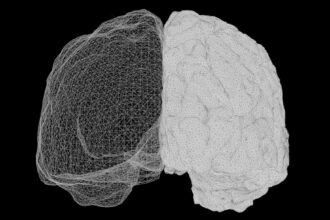
Your brain is wired for efficiency. When you repeat an action, neural pathways associated with that action strengthen. Think of it like creating a well-trodden path through a forest. The more you walk it, the clearer and easier it becomes to navigate. This neuroplasticity means that the more you engage in a habit, the more ingrained it becomes, requiring less cognitive effort to initiate. This reduction in effort is precisely what we mean by low friction.
The Role of Dopamine
Dopamine, a neurotransmitter associated with reward and motivation, plays a crucial role in reinforcing habits. When you engage in a habit, particularly one that provides some form of immediate gratification, your brain releases dopamine. This release acts as a signal, reinforcing the behavior and making you more likely to repeat it in the future. Low-friction habits are often those that provide quick and easily accessible dopamine hits, further cementing them in your routine.
Automaticity and Cognitive Load
Habits function as mental shortcuts, allowing you to perform routine tasks without expending significant cognitive resources. This automaticity frees up your mental bandwidth for more complex tasks. However, when this automaticity is directed towards a detrimental habit, it becomes a powerful obstacle to change. The act of initiating a desired, counter-habitual behavior often involves higher cognitive load, making the established low-friction bad habit the path of least resistance.
Identifying the Friction Points of Your Habits
Before you can manipulate friction, you need to understand it. This involves a period of honest self-observation, identifying what makes your bad habits so sticky and what makes desired behaviors so elusive.
Environmental Triggers
Your surroundings are replete with cues that can unconsciously trigger habitual behaviors. These can be physical objects, specific locations, or even the time of day. For instance, if you tend to reach for snacks when you sit on a particular couch, that couch becomes a friction point for your healthy eating habits.
Emotional Triggers
Many habits are used as coping mechanisms to manage difficult emotions. Stress, boredom, loneliness, or anxiety can all serve as powerful triggers for behaviors like excessive social media scrolling, overeating, or substance use. The habit then becomes a low-friction way to escape or numb these uncomfortable feelings.
Social Triggers
The people you associate with can also influence your habits. If your friends regularly engage in a particular behavior, it can create social pressure and make it harder for you to abstain. The desire for belonging and social acceptance can act as a low-friction motivator for conforming to group habits.
Time-Based Triggers
Certain times of day can become associated with specific habits. The morning coffee ritual, the after-work cigarette, or the late-night television binge are all examples of time-based habitual triggers. These associations become so ingrained that the time itself prompts the behavior.
In exploring the concept of friction design as a means to break bad habits, a related article that delves deeper into this topic can be found at Unplugged Psychology. This article discusses various strategies to create friction in our environments, making it more challenging to engage in undesirable behaviors while promoting positive habits. For more insights, you can read the full article here: Unplugged Psychology.
Strategies for Increasing Friction: Making Bad Habits Harder
The core principle of breaking bad habits lies in strategically increasing the effort and obstacles required to engage in them. By making the undesirable behavior more inconvenient, you disrupt the automaticity and create an opportunity to choose differently.
Physical Barriers
The most direct way to increase friction is by introducing physical impediments to the habit. This involves making the action physically harder or less accessible.
Removing Temptations from Your Environment
This is a fundamental principle. If the object of your habit is readily available, the friction to engage with it is extremely low. For example, if you want to reduce screen time, put your phone in a different room or use an app that locks it for set periods. If you’re trying to avoid junk food, don’t buy it in the first place.
Increasing the Steps Involved
Add extra steps between the trigger and the habitual behavior. If you tend to grab a sugary drink when you feel thirsty, make a rule that you must drink a full glass of water first. If you habitually check social media first thing in the morning, decide you must get dressed and make breakfast before you’re allowed to look at your phone. Each additional step increases the friction.
Hiding or Obscuring Triggers
Out of sight, out of mind is a powerful adage when it comes to friction. If the visual cues for your habit are less prominent, you’re less likely to be reminded of it. This could mean putting cigarettes in a locked cabinet, hiding sweets in an opaque container at the back of a cupboard, or even changing the arrangement of your furniture to avoid default pathways.
Procedural Friction
Beyond physical barriers, you can introduce procedural hurdles that require more conscious thought and effort to overcome.
Automating Prohibitive Actions
This involves setting up systems or tools that automatically prevent you from engaging in the habit. For instance, you can use website blockers to prevent access to time-wasting sites during work hours. For financial habits you want to curb, you might set up automatic transfers to savings accounts that make impulse spending less accessible.
Implementing Delays
Introduce a mandatory waiting period before you can engage in the habit. If you want to buy something online, set a 24-hour rule. If you feel the urge to smoke, commit to waiting 10 minutes before you allow yourself to. These delays give you a window to reassess the urge and potentially choose a different course of action.
Requiring External Validation or Accountability
Make the habit dependent on another person’s agreement or approval. This is particularly effective for habits that are often done in private. For example, if you struggle with procrastination, tell a friend or colleague your specific goal for the day and ask them to check in with you. This adds a layer of social friction.
Cognitive Friction
The final layer of friction involves making the act of initiating the bad habit mentally more taxing.
Forcing Conscious Consideration
Instead of acting on impulse, make yourself pause and consciously consider the consequences of the habitual behavior. Ask yourself: “What is the benefit of doing this right now? What are the long-term costs? Is there a better use of my energy?” This conscious deliberation increases the cognitive load associated with the habit.
Associating Negative Thoughts
Actively cultivate negative associations with your bad habit. Reflect on the negative impacts it has on your health, relationships, or finances. When the urge arises, deliberately bring these negative consequences to mind. This isn’t about self-punishment, but about creating a mental deterrent that increases the perceived cost of engaging in the habit.
Creating a “Pre-Commitment” Ritual for Abstinence
Before you’re faced with a trigger, make a commitment to not engage in the habit. This could be a mental affirmation or even a written pledge. The act of making this pre-commitment can increase the psychological barrier to breaking it later.
Strategies for Decreasing Friction: Making Good Habits Easier

While increasing friction for bad habits is crucial, it’s equally important to simultaneously lay the groundwork for desirable alternatives by making them as frictionless as possible. This ensures you’re not just removing a bad habit but actively replacing it with something constructive.
Streamlining the Initiation Process
The easier it is to start a good habit, the more likely you are to stick with it.
Setting Up Systems for Success
Prepare your environment to make the desired habit as automatic as possible. If you want to exercise in the morning, lay out your workout clothes the night before. If you want to eat a healthy breakfast, prep ingredients in advance. The goal is to remove as many barriers as possible to getting started.
Integrating New Habits into Existing Routines
Link your desired habit to something you already do consistently. For example, if you want to start meditating, commit to meditating for five minutes immediately after brushing your teeth each morning. This “habit stacking” leverages existing low-friction behaviors to propel new ones.
Visual Reminders and Cues
Place visual cues in prominent locations that remind you of your desired habit. A post-it note on your computer screen, a water bottle on your desk, or a healthy snack placed in clear view can all serve as gentle nudges.
Reducing the Cognitive Load of Good Habits
Make the mental effort required to initiate and maintain good habits as minimal as possible.
Simplifying the Action
Break down larger goals into smaller, more manageable steps. If you want to read more, start with 10 pages a day instead of aiming for a whole book. If you want to learn a new skill, focus on mastering one small component at a time. Smaller steps reduce the perceived effort.
Automating Positive Actions
Where possible, automate your good habits. Set up automatic bill payments to avoid late fees or set recurring reminders for tasks like taking medication or drinking water.
Making the Rewards Immediate and Clear
Ensure that the positive reinforcement for your good habits is as immediate and obvious as possible. While the long-term benefits are often the primary motivation, short-term rewards can provide crucial momentum. This could be a sense of accomplishment after a workout, a feeling of calm after meditation, or simply ticking off a task on your to-do list.
Leveraging Social Support for Positive Habits
Utilize the power of connection to reinforce your good habits.
Finding an Accountability Partner
As mentioned earlier, an accountability partner can be invaluable for both breaking bad habits and building good ones. Shared goals and mutual encouragement can significantly reduce the friction of sticking to a plan.
Joining a Community or Group
Engaging with others who share similar goals can provide inspiration, support, and a sense of belonging. Whether it’s a fitness class, a book club, or an online forum, these communities can make good habits feel less like a solitary struggle.
Practical Applications: Designing Your Friction Strategy
Now that you understand the principles, let’s look at how you can apply them to specific aspects of your life.
Targeted Habit Breaking: A Step-by-Step Approach
Consider a specific bad habit you want to break, such as excessive social media use.
Step 1: Identify the Triggers
- When and where do you typically find yourself reaching for your phone to scroll? (e.g., at red lights, during commercial breaks, while waiting in line, when feeling bored).
- What emotions often precede this habit? (e.g., anxiety, boredom, loneliness, a desire for distraction).
- Who are you typically with when this habit occurs? (e.g., alone, with certain friends who are also on their phones).
Step 2: Increase Friction for the Bad Habit
- Physical Barriers: Delete social media apps from your phone. If you must have them, disable notifications. Put your phone in a different room during specific times.
- Procedural Friction: Set a timer every hour for a “no-phone zone.” Log out of your accounts every time you use them. Require yourself to open a specific app (e.g., a news app) before you can access social media, adding an unnecessary step.
- Cognitive Friction: Before opening a social media app, ask yourself: “What am I hoping to gain from this? Will this truly improve my mood or my productivity?” Make a conscious effort to think about the wasted time and compare it to what else you could be doing.
Step 3: Decrease Friction for a Positive Alternative
- What would you rather be doing with that time? (e.g., reading, exercising, learning a skill, connecting with someone directly).
- Simplify the initiation of the alternative: Keep a book on your bedside table. Have your workout clothes ready. Download educational apps for an offline language course.
- Make the rewards clear: Keep a journal of activities you enjoyed more than scrolling. Notice how much more relaxed you feel after reading a chapter of a book.
Building New, Positive Habits Through Friction Design
Let’s consider building a habit of regular exercise.
Step 1: Identify Your Goal and When It’s Most Feasible
- What kind of exercise? (e.g., walking, yoga, strength training).
- When is the most realistic time for you to fit it in? (e.g., morning, lunch break, after work).
Step 2: Decrease Friction for the Good Habit
- Physical Barriers: Lay out workout clothes the night before. Pack your gym bag and leave it by the door. Choose a gym or park close to your home or work.
- Procedural Friction: Schedule your workouts in your calendar as appointments. Join a morning fitness class that requires pre-registration.
- Cognitive Friction: Focus on the immediate benefits: improved mood, increased energy. Remind yourself of the long-term health benefits in a brief, positive way.
Step 3: Increase Friction for the “No Workout” Decision
- **What are the triggers for not exercising?** (e.g., feeling tired, other tasks demanding attention, social invitations).
- Introduce a “pre-commitment” ritual: Before you go to bed, mentally confirm your intention to exercise tomorrow.
- Build in accountability: Tell a friend you’ll be exercising and ask them to check in.
- Consider the “cost” of not exercising: Reflect on how you feel after skipping a workout – the guilt, the missed opportunity.
In exploring effective strategies for breaking bad habits, the concept of friction design plays a crucial role in making undesirable behaviors more difficult to engage in. A fascinating article on this topic can be found at Unplugged Psychology, where the author discusses how increasing friction around negative habits can lead to significant behavioral change. By understanding how to manipulate our environment and routines, we can create barriers that help us steer clear of temptations and foster healthier choices.
Overcoming Resistance and Maintaining Momentum
| Friction Design for Breaking Bad Habits | |
|---|---|
| Metrics | Data |
| Frequency of Habit | Number of times per day/week the habit occurs |
| Triggers | Common situations or emotions that lead to the habit |
| Duration of Habit | Length of time the habit typically lasts |
| Success Rate | Percentage of attempts to resist the habit |
| Alternative Behaviors | Replacement actions or habits to engage in instead |
Change is rarely a linear process. You will encounter setbacks, moments of weakness, and instances where old habits reassert themselves. Friction design is not a magic bullet, but a strategy to make desired outcomes more probable.
Relapse as a Learning Opportunity
When you slip up, don’t view it as a complete failure. Instead, see it as an opportunity to learn. Analyze what happened. Was there a new trigger you didn’t anticipate? Did you underestimate the friction of an old habit? Did you not make the alternative sufficiently frictionless? Use this information to refine your friction strategy.
The Power of Tiny Wins
Celebrate small victories. When you successfully resist a tempting urge or complete a small portion of a new habit, acknowledge it. This positive reinforcement, even if self-administered, helps build momentum and reinforces the efficacy of your friction design.
Continuous Adjustment and Iteration
Friction design is not a one-time fix. Your habits, your environment, and your life circumstances will change. Regularly reassess your friction strategies. Are they still effective? Do you need to adjust them to maintain challenge without becoming overwhelming? Continual iteration is key to long-term success. Your understanding of what constitutes “low friction” and “high friction” will evolve as you practice these principles. As you become more adept at recognizing and manipulating these forces, the process of habit change will become more intuitive.
In conclusion, breaking bad habits and fostering good ones is less about Herculean feats of willpower and more about intelligent design. By understanding the invisible forces of friction and strategically applying principles to make undesirable behaviors difficult and desirable behaviors easy, you can systematically dismantle the neural pathways of problematic habits and build more constructive ones. This deliberate manipulation of friction offers a powerful, practical, and achievable approach to lasting personal change.
FAQs
What is friction design for breaking bad habits?
Friction design is a concept that involves intentionally creating obstacles or adding friction to the process of engaging in a bad habit in order to make it more difficult to continue the behavior.
How does friction design work for breaking bad habits?
Friction design works by increasing the effort, time, or resources required to engage in a bad habit, thereby making it less convenient and more likely for individuals to reconsider their actions and potentially change their behavior.
What are some examples of friction design for breaking bad habits?
Examples of friction design for breaking bad habits include placing physical barriers or obstacles in the way of the habit, adding extra steps or processes to the behavior, or increasing the cost or effort required to engage in the habit.
Is friction design effective for breaking bad habits?
Research suggests that friction design can be effective for breaking bad habits by making the behavior less automatic and more conscious, thereby increasing the likelihood of individuals reconsidering their actions and potentially changing their behavior.
Are there any potential drawbacks to using friction design for breaking bad habits?
While friction design can be effective for breaking bad habits, there is a potential drawback in that individuals may find ways to work around the obstacles or friction, or may become frustrated and disengage from the process altogether. It is important to carefully consider the specific context and individual preferences when implementing friction design for breaking bad habits.