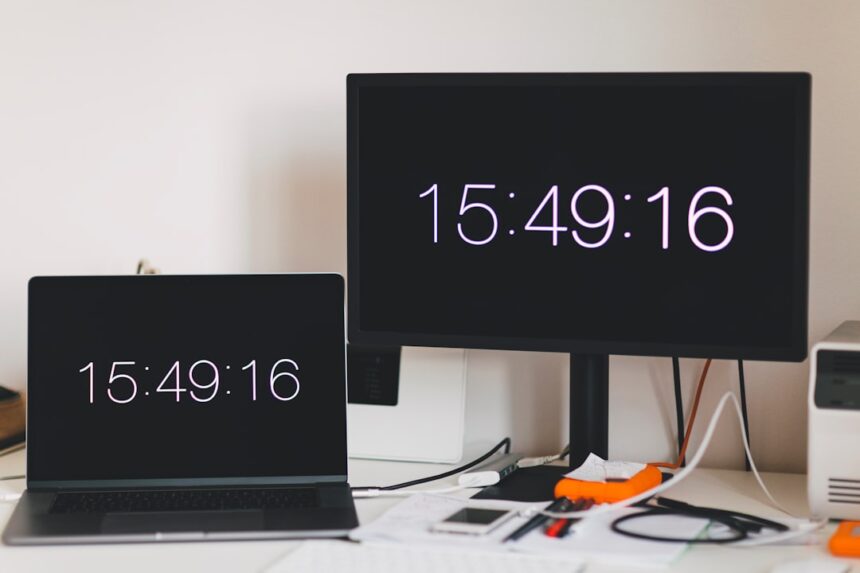
In today’s digital age, screen time has become an integral part of your daily life. Whether you are scrolling through social media, binge-watching your favorite series, or engaging in online work, the hours spent in front of a screen can significantly influence your overall wellbeing. Research has shown that excessive screen time can lead to a range of physical and mental health issues, including eye strain, disrupted sleep patterns, and increased feelings of anxiety and depression.
As you navigate this digital landscape, it is essential to recognize how these habits affect your emotional and physical health. Moreover, the impact of screen time extends beyond just the individual. It can affect your relationships, productivity, and even your self-esteem.
You may find yourself comparing your life to the curated images and stories presented online, leading to feelings of inadequacy or dissatisfaction. Understanding these effects is the first step toward making informed choices about your screen time. By acknowledging the potential consequences, you can begin to take control of your digital habits and prioritize your wellbeing.
Key Takeaways
- Excessive screen time can negatively affect mental and physical wellbeing.
- Setting clear boundaries and using tracking tools help manage screen usage effectively.
- Creating screen-free zones and digital detox routines promotes healthier habits.
- Prioritizing real-life interactions and physical activity balances screen time.
- Regular reflection and seeking support enhance self-regulation and sustainable screen habits.
Setting Boundaries and Limits for Screen Time
Establishing boundaries around your screen time is crucial for maintaining a healthy balance in your life. You might start by determining how much time you want to spend on screens each day. This could involve setting specific limits for different activities, such as work, social media, or entertainment.
By creating a structured approach to your screen usage, you can ensure that you are not inadvertently allowing it to consume more of your time than intended.
You may also find it helpful to designate certain times of the day as “screen-free” periods, allowing you to engage in other fulfilling activities without the distraction of technology.
By setting these boundaries, you empower yourself to take control of your screen time and create a healthier relationship with technology.
Utilizing Screen Time Tracking Apps and Tools
In an age where technology is at your fingertips, utilizing screen time tracking apps can be a game-changer in managing your digital habits. These tools provide valuable insights into how much time you spend on various applications and websites, helping you identify patterns in your usage. By gaining a clearer understanding of your habits, you can make more informed decisions about where to cut back and how to allocate your time more effectively.
Many of these apps offer features that allow you to set daily limits for specific activities or receive notifications when you’ve reached your allotted time. This added layer of accountability can motivate you to stick to your goals and reduce excessive screen time. As you begin to track your usage, you may discover surprising trends that prompt you to reevaluate how you engage with technology and encourage healthier habits moving forward.
Creating a Digital Detox Routine
A digital detox can be an effective way to reset your relationship with technology and reclaim your time. You might start by designating specific days or weekends where you consciously unplug from all screens. During this time, focus on engaging in activities that nourish your mind and body—such as reading a book, going for a hike, or spending quality time with loved ones.
This break from screens allows you to reconnect with yourself and the world around you. Incorporating a digital detox into your routine can also help you develop healthier habits in the long run. As you experience the benefits of reduced screen time—such as improved mood, better sleep quality, and increased productivity—you may find it easier to maintain a balanced approach to technology use.
By making digital detoxes a regular part of your life, you create space for personal growth and self-discovery away from the constant buzz of notifications and online distractions.
Establishing Screen-Free Zones and Times
| Metric | Description | Average Value | Recommended Limit | Notes |
|---|---|---|---|---|
| Daily Screen Time | Total time spent on digital devices per day | 4 hours 15 minutes | 2 hours (for leisure use) | Includes smartphone, tablet, computer, and TV |
| Number of Device Unlocks | Times a device is unlocked per day | 80 unlocks | 30-40 unlocks | Frequent unlocking can indicate compulsive use |
| App Usage Time | Time spent on individual apps | Social Media: 1 hour 30 minutes | 30 minutes to 1 hour | Social media apps are often the highest usage |
| Screen Time Breaks | Number of breaks taken from screen use per day | 3 breaks | 5 breaks (5-10 minutes each) | Regular breaks reduce eye strain and fatigue |
| Night Mode Usage | Percentage of screen time with blue light filter enabled | 60% | 100% during evening hours | Helps improve sleep quality |
| Notifications Received | Number of notifications received per day | 150 notifications | Less than 50 | High notification volume can increase distraction |
Creating designated screen-free zones in your home can significantly enhance your wellbeing by fostering an environment that encourages connection and mindfulness. Consider establishing areas where screens are not allowed, such as the dining room or bedroom. These spaces can serve as sanctuaries for meaningful conversations, relaxation, and quality time with family or friends without the interference of technology.
In addition to physical spaces, setting specific times during the day as screen-free periods can also be beneficial. For instance, you might choose to have a no-screen policy during meals or an hour before bedtime. This practice not only promotes healthier eating habits but also allows for more restful sleep by reducing exposure to blue light before bed.
By intentionally creating these boundaries, you cultivate an atmosphere that prioritizes presence and connection over digital distractions.
Implementing Mindful Screen Time Practices

Mindfulness is a powerful tool that can transform how you engage with screens. Instead of mindlessly scrolling through social media or binge-watching shows, consider adopting mindful practices that encourage intentionality in your screen usage. Before picking up your device, take a moment to ask yourself what purpose this screen time serves—are you seeking information, connection, or entertainment?
By being conscious of your intentions, you can make more deliberate choices about how you spend your time online. Additionally, practicing mindfulness while using screens can enhance your overall experience. For example, when watching a movie or reading an article, immerse yourself fully in the content rather than multitasking or allowing distractions to pull your attention away.
This focused engagement not only enriches your experience but also helps prevent feelings of overwhelm that often accompany excessive screen time.
Prioritizing Real-Life Interactions over Screen Time
In a world dominated by digital communication, it is essential to prioritize real-life interactions that foster genuine connections. While technology allows you to stay in touch with friends and family across distances, nothing compares to the depth of face-to-face conversations. Make a conscious effort to schedule regular meet-ups with loved ones or participate in community events that encourage social engagement.
You might also consider replacing some of your screen time with activities that promote connection—such as joining clubs or groups that align with your interests. By actively seeking out opportunities for real-life interactions, you not only enrich your social life but also create lasting memories that cannot be replicated through screens.
Incorporating Physical Activity into Screen Time Management
Physical activity is a vital component of overall wellbeing and can play a significant role in managing screen time effectively. You may find it helpful to integrate movement into your daily routine as a way to counterbalance sedentary screen habits. For instance, consider taking short breaks during long periods of screen use to stretch or go for a quick walk.
This not only helps alleviate physical tension but also refreshes your mind for better focus when returning to tasks. Additionally, consider engaging in activities that combine physical movement with social interaction—such as joining a sports team or participating in group fitness classes. By incorporating exercise into your life in enjoyable ways, you create a healthier lifestyle that naturally reduces excessive screen time while promoting both physical and mental wellbeing.
Practicing Self-Regulation and Discipline with Screen Time
Self-regulation is key when it comes to managing screen time effectively. It requires discipline and awareness of your habits and triggers that lead to excessive usage. You might start by identifying specific situations where you tend to reach for your device out of habit rather than necessity—such as during moments of boredom or stress.
By recognizing these patterns, you can develop strategies to redirect your attention toward more productive or fulfilling activities. Establishing personal goals around screen time can also enhance self-regulation efforts. For example, set specific targets for reducing daily usage or increasing engagement in offline activities.
As you work toward these goals, celebrate small victories along the way to reinforce positive behavior changes and maintain motivation.
Seeking Support and Accountability for Managing Screen Time
Managing screen time can be challenging, especially when faced with societal pressures and constant connectivity. Seeking support from friends or family members who share similar goals can provide valuable encouragement and accountability on this journey. Consider discussing your intentions with those close to you and inviting them to join you in establishing healthier screen habits together.
You might also explore online communities or support groups focused on digital wellbeing where individuals share their experiences and strategies for managing screen time effectively. Engaging with others who understand the challenges can foster a sense of camaraderie and motivate you to stay committed to your goals.
Reflecting and Adjusting Screen Time Habits for Better Wellbeing
As you embark on this journey toward healthier screen time management, regular reflection is essential for continuous improvement. Take time each week or month to assess how well you’re adhering to the boundaries you’ve set and whether they align with your overall wellbeing goals. Consider journaling about your experiences—what worked well, what challenges arose, and how you felt during periods of reduced screen usage.
Based on these reflections, be open to adjusting your habits as needed. Life is dynamic, and what works for you today may need reevaluation down the line. By remaining flexible and committed to ongoing self-improvement, you’ll cultivate a healthier relationship with technology that supports both your mental and physical wellbeing in the long run.
In today’s digital age, managing screen time is crucial for maintaining overall wellbeing. A related article that delves into effective strategies for digital wellbeing can be found on Unplugged Psych. This resource offers valuable insights into how to balance technology use with mental health, making it a great read for anyone looking to improve their relationship with screens. You can check it out here: unpluggedpsych.
com/’>Unplugged Psych.
WATCH THIS! Your Phone Is Literally a Slot Machine: Here’s How Tech Hijacks Your Brain
FAQs
What is digital wellbeing?
Digital wellbeing refers to the practice of maintaining a healthy relationship with technology by managing screen time, reducing digital distractions, and promoting balanced usage of digital devices to support mental and physical health.
Why is screen time management important?
Screen time management is important because excessive use of digital devices can lead to issues such as eye strain, sleep disturbances, reduced physical activity, and negative impacts on mental health. Managing screen time helps maintain overall wellbeing and productivity.
What are common tools used for digital wellbeing and screen time management?
Common tools include built-in features on smartphones and tablets like screen time trackers, app usage limits, focus modes, and do-not-disturb settings. Third-party apps also offer functionalities to monitor and control device usage.
How can I monitor my screen time effectively?
You can monitor screen time by using device settings that track daily and weekly usage, reviewing app-specific time, and setting alerts or limits to stay aware of your digital habits.
What strategies can help reduce excessive screen time?
Strategies include setting specific time limits for apps, scheduling regular breaks, turning off non-essential notifications, engaging in offline activities, and creating tech-free zones or times during the day.
Can digital wellbeing practices improve mental health?
Yes, practicing digital wellbeing by managing screen time and reducing digital overload can help decrease stress, improve sleep quality, enhance focus, and promote better overall mental health.
Are there specific recommendations for children’s screen time?
Yes, health organizations recommend limiting screen time for children based on age, encouraging educational content, and ensuring screen use does not interfere with sleep, physical activity, and social interactions.
How do focus modes or do-not-disturb features support digital wellbeing?
Focus modes and do-not-disturb features minimize interruptions by silencing notifications and restricting access to distracting apps, helping users concentrate and reduce digital stress.
Is it necessary to completely avoid screens for good digital wellbeing?
No, complete avoidance is not necessary. The goal is balanced and mindful use of digital devices, ensuring screen time does not negatively impact physical health, mental wellbeing, or daily responsibilities.
Can employers support digital wellbeing for their employees?
Yes, employers can promote digital wellbeing by encouraging regular breaks, providing resources for screen time management, fostering a culture that respects work-life balance, and offering training on healthy technology use.