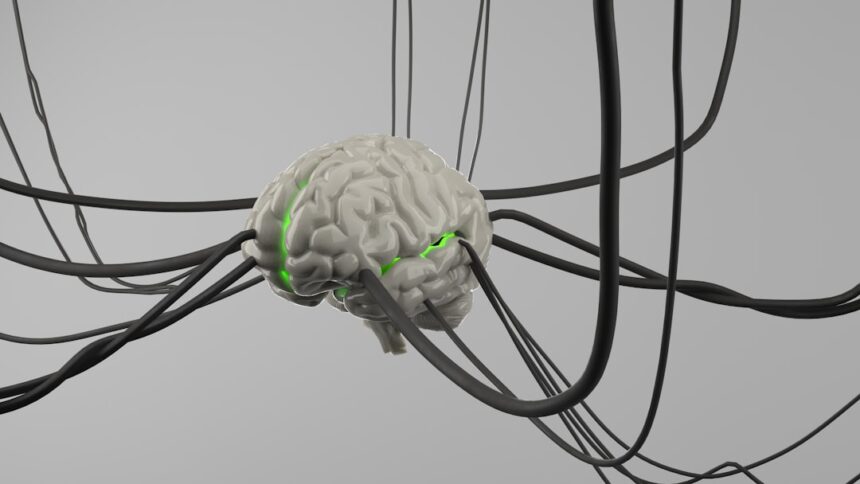
You navigate a world of constant stimulation, a symphony of sensations that your nervous system attempts to orchestrate into a coherent experience. Sometimes, this symphony descends into cacophony, leaving you feeling overwhelmed, wired, or completely drained. This article explores the concept of “nervous system training,” a deliberate and systematic approach to enhancing your physiological resilience and cultivating a sense of calm amidst life’s inherent turbulence. You will discover that your nervous system, far from being a passive recipient of stimuli, is a dynamic and adaptable system capable of profound transformation through targeted practices.
To embark on this journey of mastery, you must first comprehend the fundamental architecture and function of your nervous system. Imagine it as the intricate electrical grid of your being, transmitting signals that govern every thought, feeling, and action. This complex network is broadly divided into two primary components: the Central Nervous System (CNS) and the Peripheral Nervous System (PNS). Experience a profound spiritual awakening that transforms your perspective on life.
The Central Nervous System: Command and Control
The CNS, comprising your brain and spinal cord, serves as the command center. It interprets sensory information, initiates motor responses, and orchestrates cognitive functions. Think of it as the experienced conductor meticulously guiding the entire orchestra. Your perception of reality, your thoughts, and your emotions are all intricately processed within this vital hub.
The Peripheral Nervous System: The Messenger Network
Extending outwards from the CNS, the PNS acts as the extensive messenger network, connecting the brain and spinal cord to every other part of your body. It transmits sensory information to the CNS and carries motor commands from the CNS. Within the PNS, you find two critical subdivisions that are central to nervous system training: the Somatic Nervous System and the Autonomic Nervous System.
The Somatic Nervous System: Voluntary Movement and Sensation
The somatic nervous system is largely responsible for your conscious control over skeletal muscles, allowing for voluntary movement. It also transmits sensory information (touch, temperature, pain) from your skin and muscles to the CNS, providing you with a conscious awareness of your external environment. This is the part of your nervous system that allows you to purposefully interact with the world around you.
The Autonomic Nervous System: The Inner Regulator
The autonomic nervous system (ANS) operates largely outside of your conscious control, regulating involuntary bodily functions such as heart rate, digestion, breathing, and glandular secretions. It is the silent, tireless administrator of your internal environment, constantly striving to maintain homeostasis, a state of physiological balance. The ANS itself has two primary branches that often work in opposition, creating a dynamic equilibrium:
The Sympathetic Nervous System: The Accelerator
Consider the sympathetic nervous system as the body’s accelerator pedal, responsible for the “fight-or-flight” response. When activated, it prepares you for perceived threats by increasing heart rate, dilating pupils, diverting blood flow to muscles, and suppressing digestion. This system is crucial for survival, allowing you to react swiftly to danger. However, chronic activation of the sympathetic nervous system, often due to persistent stress, can lead to maladaptive physiological responses and health challenges.
The Parasympathetic Nervous System: The Brake and Restorer
Conversely, the parasympathetic nervous system acts as the body’s brake and restorer, promoting a “rest-and-digest” state. It slows heart rate, constricts pupils, stimulates digestion, and promotes relaxation. This system is essential for recovery, energy conservation, and optimal bodily function. Cultivating its dominance is a cornerstone of nervous system training.
Controlled chaos nervous system training is an innovative approach that emphasizes the importance of managing stress and enhancing resilience through structured yet unpredictable activities. For those interested in exploring this concept further, a related article can be found at Unplugged Psych, which delves into various techniques and practices that can help individuals better understand and regulate their nervous systems, ultimately leading to improved mental well-being.
The Spectrum of Dysregulation: When the Orchestra Plays Out of Tune
You may recognize periods when your nervous system feels out of balance. This dysregulation can manifest in various ways, ranging from hyperarousal to hypoarousal. Understanding these states is crucial for recognizing the need for intervention and commencing your training journey.
Hyperarousal: The Overdriven Engine
Hyperarousal is characterized by an overactive sympathetic nervous system, leaving you feeling perpetually “on edge.” You might experience:
- Anxiety and Panic: Persistent worry, racing thoughts, and sudden surges of fear.
- Irritability and Restlessness: Difficulty relaxing, feeling easily agitated.
- Sleep Disturbances: Insomnia, difficulty falling asleep, or frequent waking.
- Physical Symptoms: Elevated heart rate, shallow breathing, muscle tension, digestive issues.
Imagine driving a car with the accelerator constantly pressed, leading to overheating and eventual breakdown. This is the physiological equivalent of chronic hyperarousal.
Hypoarousal: The Engine Stalled
At the other end of the spectrum lies hypoarousal, often a protective mechanism that can arise from prolonged hyperarousal or traumatic experiences. Here, the nervous system essentially “shuts down” or conserves energy. You might experience:
- Numbness and Detachment: Feeling disconnected from your emotions or surroundings.
- Fatigue and Low Energy: Persistent exhaustion, lack of motivation.
- Depression and Apathy: A general lack of interest or pleasure in activities.
- Cognitive Fog: Difficulty concentrating, impaired memory.
Consider a car with a stalled engine, unable to move forward despite your attempts. This represents the immobilizing effects of hypoarousal.
Principles of Nervous System Training: Rewiring for Resilience
Nervous system training isn’t about eliminating stress; it’s about building your capacity to navigate it effectively. It’s akin to a musician practicing scales and exercises to improve their instrument’s range and responsiveness. The core principles revolve around consciously influencing the balance between your sympathetic and parasympathetic nervous systems, fostering greater physiological flexibility and resilience.
Gradual Exposure and Titration: Small Doses for Big Gains
You wouldn’t jump into lifting heavy weights without a gradual progression, and the same applies to nervous system training. Titration involves introducing stimuli or practices in small, manageable doses, allowing your nervous system to adapt without becoming overwhelmed. This principle emphasizes respecting your body’s current capacity and incrementally expanding your comfort zone. Trying to force relaxation when you’re highly activated can be counterproductive, just as trying to run a marathon without prior training can lead to injury.
Interoception and Embodied Awareness: Listening to Your Inner Signals
A foundational aspect of nervous system training is developing interoception, your ability to perceive and interpret internal bodily sensations. This means consciously tuning into your heart rate, breath patterns, muscle tension, and digestive cues. By cultivating this embodied awareness, you gain valuable insight into your nervous system’s state, allowing you to respond proactively rather than reactively. Imagine an orchestra conductor who can hear every individual instrument and adjust their performance accordingly – this is the level of awareness you are striving for.
Polyvagal Theory: Understanding Your Social Engagement System
Dr. Stephen Porges’s Polyvagal Theory offers a crucial lens through which to understand nervous system function, particularly its role in social connection and safety. It posits that your vagus nerve, a major component of the parasympathetic system, has two distinct branches: the ventral vagal complex (VVC) and the dorsal vagal complex (DVC).
Ventral Vagal Complex: The Safe and Connected State
The VVC is associated with social engagement, feelings of safety, connection, and curiosity. When your VVC is active, you are more likely to exhibit open body language, make eye contact, and engage in reciprocal communication. This state is conducive to learning, creativity, and healthy relationships. It is the ideal state for optimal functioning.
Dorsal Vagal Complex: The Shutdown Response
The DVC, a more evolutionarily ancient part of the vagus nerve, is linked to the immobolization or “shutdown” response, often observed in extreme stress or trauma. This can manifest as feelings of emotional numbness, dissociation, or collapse. Understanding these different vagal states helps you to identify where you might be operating and to develop strategies to shift towards greater ventral vagal activation.
Practical Modalities for Nervous System Training: Your Tool Kit
You have a vast array of tools at your disposal to train and regulate your nervous system. The key is to find practices that resonate with you and to integrate them consistently into your daily life.
Breathwork: The Direct Dial to Your ANS
Your breath is a uniquely powerful and accessible entry point for regulating your autonomic nervous system. Conscious manipulation of your breathing patterns can directly influence heart rate variability (HRV), a key indicator of vagal tone and nervous system flexibility.
Diaphragmatic Breathing: Cultivating Calms
Also known as “belly breathing,” diaphragmatic breathing activates the vagus nerve and stimulates the parasympathetic nervous system. When you inhale, your abdomen gently expands, and when you exhale, it contracts. Practicing this regularly helps to move you out of shallow, chest breathing patterns often associated with sympathetic activation.
Coherent Breathing: Optimal Rhythm
Coherent breathing involves inhaling and exhaling for equal durations, typically around 5-6 breaths per minute. This specific rhythm optimizes oxygen and carbon dioxide exchange, leading to a balanced and calm physiological state, often experienced as a gentle wave-like motion within the body.
Box Breathing: A Structured Approach
Box breathing, often used by military and first responders, involves inhaling for a count of four, holding for a count of four, exhaling for a count of four, and holding for a count of four. This structured approach helps to override erratic breathing patterns and induce a sense of control and calm.
Mindfulness and Meditation: Cultivating Presence
Mindfulness, the practice of paying attention to the present moment without judgment, and meditation, a broader set of practices designed to train attention and awareness, are potent tools for nervous system regulation.
Body Scans: Tuning In
A body scan meditation involves bringing your attention systematically to different parts of your body, noticing any sensations without judgment. This practice enhances interoception and helps you to identify areas of tension and release them. It’s like taking an inventory of your physical state.
Walking Meditation: Movement with Awareness
Integrating mindfulness with movement, walking meditation involves paying attention to the sensations of your feet on the ground, the rhythm of your steps, and the sights and sounds around you. This practice can be particularly beneficial for those who find sitting meditation challenging.
Movement and Exercise: Releasing Stored Energy
Physical activity is a powerful regulator of nervous system function. It provides an outlet for excess sympathetic energy and promotes the release of endorphins, leading to feelings of well-being.
Moderate Aerobic Exercise: Consistent Regulation
Engaging in regular moderate aerobic exercise, such as brisk walking, swimming, or cycling, helps to train your cardiovascular system and improve vagal tone. It can effectively “burn off” accumulated stress hormones.
Yoga and Tai Chi: Mind-Body Harmony
Practices like yoga and Tai Chi combine physical postures, controlled breathing, and mindfulness, offering a holistic approach to nervous system regulation. They enhance flexibility, strength, and balance while simultaneously calming the mind and promoting parasympathetic activation.
Social Connection and Co-Regulation: The Power of Community
You are a social being, and your nervous system is deeply influenced by your interactions with others. Co-regulation refers to the process by which you influence and are influenced by the nervous system states of those around you.
Secure Attachment: A Foundation of Safety
Cultivating secure attachments in your relationships provides a sense of safety and belonging, which directly supports ventral vagal activation. When you feel seen, heard, and understood, your nervous system can relax and thrive.
Authentic Communication: Building Bridges
Engaging in open and honest communication fosters trust and reduces perceived threats, contributing to a calmer nervous system. Conversely, withheld emotions and unresolved conflicts can create chronic stress and dysregulation.
Environmental Design: Curating Your Sensory Landscape
Your physical environment significantly impacts your nervous system. By consciously curating your surroundings, you can create spaces that promote calm and well-being.
Sensory Input: Optimizing Your Surroundings
Consider the impact of light, sound, and scent on your nervous system. Reducing excessive noise, incorporating natural light, and using calming scents like lavender can help to create a more supportive environment.
Creating Sanctuary Spaces: Your Retreat
Designate specific areas in your home or workspace as “sanctuary spaces” – places where you can retreat, unwind, and practice self-regulation without interruption. These spaces serve as intentional anchors for calm.
Controlled chaos nervous system training is an innovative approach that helps individuals manage stress and enhance resilience by embracing unpredictability in their environments. For those interested in exploring this concept further, a related article can be found on Unplugged Psych, which delves into the psychological benefits of such training. You can read more about it in this insightful piece on Unplugged Psych, where they discuss various techniques to optimize mental health through adaptive strategies.
Integrating Nervous System Training into Your Life: A Continuous Practice
| Metric | Description | Typical Range | Measurement Method |
|---|---|---|---|
| Heart Rate Variability (HRV) | Indicator of autonomic nervous system balance and recovery | 20-100 ms (higher is better) | Wearable heart rate monitors, ECG |
| Reaction Time | Speed of nervous system response to stimuli | 150-300 ms | Computerized reaction time tests |
| Balance Stability Index | Measure of postural control and nervous system coordination | 0-100 (lower scores indicate better stability) | Force plate or balance board assessments |
| Neuroplasticity Score | Assessment of nervous system adaptability and learning capacity | Variable (based on cognitive and motor tests) | Functional MRI, cognitive testing |
| Stress Resilience | Ability to maintain nervous system function under stress | Subjective scale 1-10 or cortisol levels | Questionnaires, saliva cortisol tests |
| Motor Coordination Accuracy | Precision of controlled movements under chaotic conditions | 85-100% accuracy | Task-specific performance tests |
Mastering controlled chaos through nervous system training is not a destination but an ongoing journey. It requires commitment, self-compassion, and a willingness to experiment.
Consistency Over Intensity: Small Steps, Big Impact
Like any form of training, consistency is paramount. Short, regular practices are often more effective than sporadic, intense efforts. Even a few minutes of mindful breathing or a short walk can begin to shift your nervous system into a more balanced state.
Self-Observation and Adjustment: Your Personal Laboratory
View your daily life as a personal laboratory for observing your nervous system. Pay attention to what triggers you, what calms you, and how different practices impact your well-being. Adjust your approach based on your unique responses and evolving needs.
Seeking Professional Guidance: When Additional Support is Needed
While many aspects of nervous system training can be self-directed, don’t hesitate to seek professional guidance if you are experiencing chronic dysregulation, trauma-related symptoms, or significant mental health challenges. Therapists specializing in somatic experiencing, polyvagal-informed therapy, or neurofeedback can provide tailored support and accelerate your progress.
By embracing the principles and practices of nervous system training, you are actively taking charge of your inner world. You are learning to play your internal symphony with greater skill and nuance, transforming potential cacophony into a harmonious and resilient self. You are cultivating a profound capacity for calm and presence, allowing you to navigate the complexities of life not just reactively, but with intentionality and grace.
FAQs
What is Controlled Chaos Nervous System Training?
Controlled Chaos Nervous System Training is a method designed to improve the resilience and adaptability of the nervous system by exposing it to varied and unpredictable stimuli. This approach aims to enhance overall nervous system function, stress response, and recovery.
How does Controlled Chaos Nervous System Training work?
The training involves deliberately introducing controlled, unpredictable challenges to the nervous system through physical, sensory, or cognitive exercises. These challenges stimulate neural pathways, encouraging the nervous system to adapt and become more efficient at managing stress and maintaining balance.
Who can benefit from Controlled Chaos Nervous System Training?
Individuals seeking to improve their stress management, athletic performance, recovery, or overall nervous system health can benefit. It is often used by athletes, individuals with chronic stress, or those recovering from nervous system-related conditions.
Is Controlled Chaos Nervous System Training safe?
When performed under proper guidance and tailored to individual capabilities, Controlled Chaos Nervous System Training is generally safe. It is important to start gradually and consult with a healthcare or fitness professional, especially if you have pre-existing health conditions.
What are common techniques used in Controlled Chaos Nervous System Training?
Techniques may include balance exercises on unstable surfaces, variable intensity workouts, sensory deprivation or overload, breath control practices, and cognitive challenges that require quick decision-making under pressure.
How often should one practice Controlled Chaos Nervous System Training?
Frequency depends on individual goals and fitness levels but typically ranges from 2 to 4 sessions per week. Consistency is key to allowing the nervous system to adapt effectively without causing excessive fatigue.
Can Controlled Chaos Nervous System Training help with anxiety or stress?
Yes, by improving the nervous system’s ability to handle unpredictable stimuli and recover from stress, this training can contribute to better emotional regulation and reduced anxiety symptoms.
How long does it take to see results from Controlled Chaos Nervous System Training?
Results vary based on individual factors and training intensity but many people notice improvements in nervous system resilience and stress response within a few weeks to a couple of months of consistent practice.
Do I need special equipment for Controlled Chaos Nervous System Training?
Some exercises may require equipment like balance boards, stability balls, or sensory tools, but many techniques can be performed with minimal or no equipment, focusing on bodyweight movements and environmental variations.
Can Controlled Chaos Nervous System Training be combined with other fitness programs?
Yes, it can complement strength training, cardiovascular workouts, yoga, and other fitness routines by enhancing nervous system function and overall physical performance.