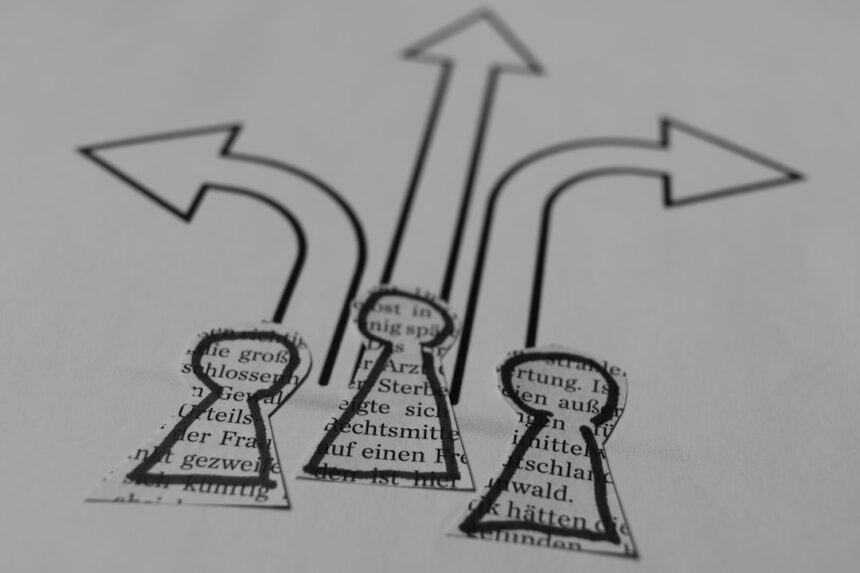
Cognitive restructuring is a psychological technique designed to help identify and change negative thought patterns that contribute to emotional distress. This method is based on the principle that thoughts directly influence feelings and behaviors. By recognizing and modifying these thoughts, individuals can improve emotional well-being and develop more effective coping strategies.
Cognitive restructuring is a core component of cognitive-behavioral therapy (CBT) and can benefit anyone seeking to enhance their mental health. Cognitive restructuring involves a systematic process of understanding how thoughts shape perception and experience. Automatic thoughts often occur in response to specific situations without conscious awareness.
By increasing awareness of these thoughts, individuals can evaluate their accuracy and replace them with more realistic and constructive alternatives. This process builds psychological resilience and enables greater control over thought patterns and emotional responses.
Key Takeaways
- Cognitive restructuring helps identify and change negative thought patterns to improve mental well-being.
- The ABC Model breaks down thoughts into Activating events, Beliefs, and Consequences for better understanding.
- Thought challenging involves a 5-step process to question and replace distorted or unhelpful thoughts.
- Using evidence and mindfulness supports replacing negative thoughts with positive, realistic alternatives.
- Consistent practice and overcoming resistance are key to integrating cognitive restructuring into daily life.
Identifying Negative Thought Patterns
The first step in cognitive restructuring is identifying the negative thought patterns that may be affecting your life. These patterns often manifest as automatic thoughts that arise in response to various situations, leading to feelings of anxiety, sadness, or frustration. To effectively challenge these thoughts, you must first become aware of them.
This awareness can be cultivated through journaling, mindfulness practices, or simply taking a moment to reflect on your thoughts throughout the day. As you begin to identify these negative thought patterns, you may notice recurring themes or specific triggers that elicit them. For instance, you might find that you often think, “I am not good enough” when faced with a challenging task or social situation.
Recognizing these patterns is crucial because it allows you to understand the underlying beliefs that contribute to your emotional responses. By shining a light on these thoughts, you can start the process of questioning their validity and exploring alternative perspectives.
Introduction to Thought Challenging Techniques

Once you have identified your negative thought patterns, the next step is to employ thought challenging techniques. These techniques are designed to help you critically evaluate the validity of your automatic thoughts and replace them with more balanced and realistic perspectives. Thought challenging can take various forms, including questioning the evidence for and against your thoughts, considering alternative explanations, and examining the potential consequences of holding onto these negative beliefs.
Engaging in thought challenging requires practice and patience, as it may feel uncomfortable at first. However, as you become more adept at this process, you will likely find it easier to navigate your thoughts and emotions. The goal is not to eliminate negative thoughts entirely but rather to create a more balanced view of yourself and your experiences.
By doing so, you can cultivate a greater sense of self-acceptance and resilience in the face of life’s challenges.
The ABC Model of Cognitive Restructuring
The ABC model is a foundational framework in cognitive restructuring that helps you understand the relationship between your thoughts, emotions, and behaviors. In this model, “A” stands for Activating Event, which refers to any situation or trigger that prompts a response from you. “B” represents Beliefs, which are the thoughts or interpretations you have about the activating event.
Finally, “C” stands for Consequences, encompassing the emotional and behavioral responses that result from your beliefs. By applying the ABC model, you can gain insight into how your beliefs shape your emotional experiences. For example, if you encounter a setback at work (the activating event), your belief might be that you are incompetent (the belief), leading to feelings of shame or anxiety (the consequences).
Understanding this connection allows you to dissect your thought processes and identify areas for change. By challenging and reframing your beliefs, you can alter the emotional consequences and foster a more positive outlook.
The 5-Step Thought Challenging Process
| Metric | Description | Typical Measurement | Relevance to Cognitive Restructuring |
|---|---|---|---|
| Frequency of Negative Thoughts | Number of negative automatic thoughts recorded per day | 5-20 thoughts/day | Helps identify the baseline for thought challenging |
| Identification Accuracy | Percentage of negative thoughts correctly identified and labeled | 70-90% | Measures skill in recognizing cognitive distortions |
| Challenge Rate | Proportion of negative thoughts actively challenged | 50-80% | Indicates engagement in cognitive restructuring |
| Belief Change Intensity | Degree of change in belief strength after challenging (scale 0-10) | 3-7 points reduction | Reflects effectiveness of thought challenging |
| Emotional Distress Reduction | Decrease in negative emotion intensity post-challenge (scale 0-10) | 2-6 points reduction | Shows impact on emotional regulation |
| Use of Alternative Thoughts | Frequency of generating balanced or positive alternative thoughts | 3-10 alternatives/day | Encourages adaptive thinking patterns |
| Session Duration | Average time spent on cognitive restructuring exercises | 20-40 minutes/session | Indicates time investment in therapy or self-practice |
To effectively challenge negative thoughts, you can follow a structured five-step process.
Once you’ve pinpointed this thought, the second step is to examine the evidence supporting and contradicting it.
This critical evaluation helps you assess whether your thought is based on facts or assumptions. The third step is to consider alternative explanations for the situation at hand. This step encourages you to broaden your perspective and recognize that there may be multiple ways to interpret an event.
The fourth step involves evaluating the potential consequences of holding onto the negative thought versus adopting a more balanced perspective. Finally, the fifth step is to replace the negative thought with a more realistic and constructive one. By following this five-step process regularly, you can develop a habit of challenging negative thoughts and fostering a healthier mindset.
Over time, this practice can lead to significant improvements in your emotional well-being and overall quality of life.
Common Cognitive Distortions and How to Challenge Them

Cognitive distortions are irrational thought patterns that can contribute to negative emotions and behaviors. Some common distortions include all-or-nothing thinking, overgeneralization, catastrophizing, and personalization. Recognizing these distortions in your thinking is essential for effective cognitive restructuring.
For instance, if you find yourself engaging in all-or-nothing thinking, where you view situations in black-and-white terms, challenge this by considering the gray areas. Ask yourself if there are instances where things are not entirely good or bad. Similarly, if you tend to overgeneralize by making sweeping conclusions based on a single event, remind yourself that one experience does not define all future outcomes.
By identifying these distortions and actively challenging them, you can cultivate a more balanced perspective on life.
Using Evidence to Challenge Negative Thoughts
One of the most effective ways to challenge negative thoughts is by examining the evidence for and against them. This process involves gathering factual information that either supports or contradicts your beliefs. For example, if you think, “I always fail,” take a moment to reflect on past successes and achievements.
By collecting evidence, you create a more objective view of your thoughts. This practice not only helps counteract negative beliefs but also reinforces a sense of self-efficacy.
When faced with self-doubt or criticism, remind yourself of the evidence that supports your capabilities and strengths. This shift in perspective can significantly impact how you approach challenges in the future.
Replacing Negative Thoughts with Positive and Realistic Ones
Once you’ve challenged your negative thoughts using evidence and alternative perspectives, it’s time to replace them with positive and realistic ones. This step involves crafting affirmations or statements that reflect a more balanced view of yourself and your circumstances. For instance, instead of thinking, “I am terrible at public speaking,” reframe it as “I am improving my public speaking skills with practice.” When creating these positive replacements, ensure they are realistic and achievable.
Overly optimistic statements may feel disingenuous or unattainable, leading to further frustration. Instead, focus on affirmations that acknowledge your efforts while remaining grounded in reality. By consistently practicing this replacement technique, you’ll gradually reshape your thought patterns and foster a more positive mindset.
Practicing Mindfulness and Self-Compassion in Thought Challenging
Incorporating mindfulness and self-compassion into your thought challenging practice can enhance its effectiveness significantly. Mindfulness encourages you to observe your thoughts without judgment, allowing you to create space between yourself and your automatic reactions. By practicing mindfulness regularly, you can develop greater awareness of your thought patterns and emotional responses.
Self-compassion complements this process by fostering kindness toward yourself during moments of struggle or self-doubt. Instead of criticizing yourself for having negative thoughts or feelings, practice self-acceptance by acknowledging that everyone experiences challenges. Treat yourself with the same compassion you would offer a friend facing similar difficulties.
This combination of mindfulness and self-compassion creates a supportive environment for cognitive restructuring and promotes emotional resilience.
Overcoming Challenges and Resistance in Cognitive Restructuring
As with any personal development journey, challenges and resistance may arise during cognitive restructuring. You might encounter moments of doubt or feel overwhelmed by persistent negative thoughts despite your efforts to challenge them. It’s essential to recognize that this process takes time and practice; setbacks are a natural part of growth.
To overcome these challenges, remind yourself of the progress you’ve made thus far and celebrate small victories along the way. Seek support from friends or mental health professionals who can provide guidance and encouragement during difficult times. Additionally, consider incorporating regular self-care practices into your routine to help manage stress and maintain motivation throughout your cognitive restructuring journey.
Integrating Cognitive Restructuring into Daily Life
To fully benefit from cognitive restructuring, it’s crucial to integrate these techniques into your daily life consistently. Start by setting aside time each day for reflection or journaling about your thoughts and experiences. This practice will help reinforce awareness of negative thought patterns while providing an opportunity for regular thought challenging.
You might also consider incorporating cognitive restructuring techniques into specific situations where negative thoughts tend to arise—such as during stressful workdays or social interactions. By actively applying these strategies in real-time scenarios, you’ll strengthen your ability to navigate challenges with resilience and confidence. In conclusion, cognitive restructuring is a valuable tool for transforming negative thought patterns into healthier perspectives.
By understanding its principles and practicing techniques such as thought challenging and mindfulness, you can cultivate emotional resilience and improve your overall well-being. Remember that this journey takes time; be patient with yourself as you work toward creating a more positive mindset in daily life.
Cognitive restructuring is a powerful technique used in cognitive-behavioral therapy to help individuals challenge and change negative thought patterns. A related article that delves deeper into this topic can be found on Unplugged Psych, which provides valuable insights and practical strategies for implementing thought challenging in everyday life. You can read more about it in their article here.
FAQs
What is cognitive restructuring?
Cognitive restructuring is a therapeutic process aimed at identifying and challenging negative or irrational thoughts. It helps individuals replace these thoughts with more balanced and constructive ones to improve emotional well-being.
What does thought challenging involve?
Thought challenging involves examining the evidence for and against a particular negative thought, questioning its accuracy, and considering alternative perspectives. This process helps reduce cognitive distortions and promotes healthier thinking patterns.
How is cognitive restructuring used in therapy?
Cognitive restructuring is commonly used in cognitive-behavioral therapy (CBT). Therapists guide clients to recognize harmful thought patterns, challenge them, and develop more adaptive ways of thinking to manage emotional difficulties and behavioral issues.
Can cognitive restructuring help with anxiety and depression?
Yes, cognitive restructuring is effective in treating anxiety and depression. By changing negative thought patterns that contribute to these conditions, individuals can experience reduced symptoms and improved mood.
Is cognitive restructuring something I can do on my own?
While cognitive restructuring is often guided by a therapist, individuals can learn and practice thought challenging techniques independently through self-help books, worksheets, or online resources to improve their thinking habits.
How long does it take to see results from cognitive restructuring?
The time frame varies depending on the individual and the severity of their issues. Some people notice improvements within a few weeks of consistent practice, while others may require longer periods of therapy.
Are there any risks associated with cognitive restructuring?
Cognitive restructuring is generally safe. However, it may bring up uncomfortable emotions as individuals confront negative thoughts. Working with a trained therapist can help manage these feelings effectively.
What are common cognitive distortions addressed in thought challenging?
Common cognitive distortions include all-or-nothing thinking, overgeneralization, catastrophizing, personalization, and mind reading. Cognitive restructuring helps identify and correct these faulty thinking patterns.
Can cognitive restructuring be combined with other treatments?
Yes, cognitive restructuring is often combined with other therapeutic approaches, medication, or lifestyle changes to provide comprehensive treatment for mental health conditions.
Where can I learn more about cognitive restructuring?
Information about cognitive restructuring can be found in psychology textbooks, reputable mental health websites, and through consultation with licensed mental health professionals.