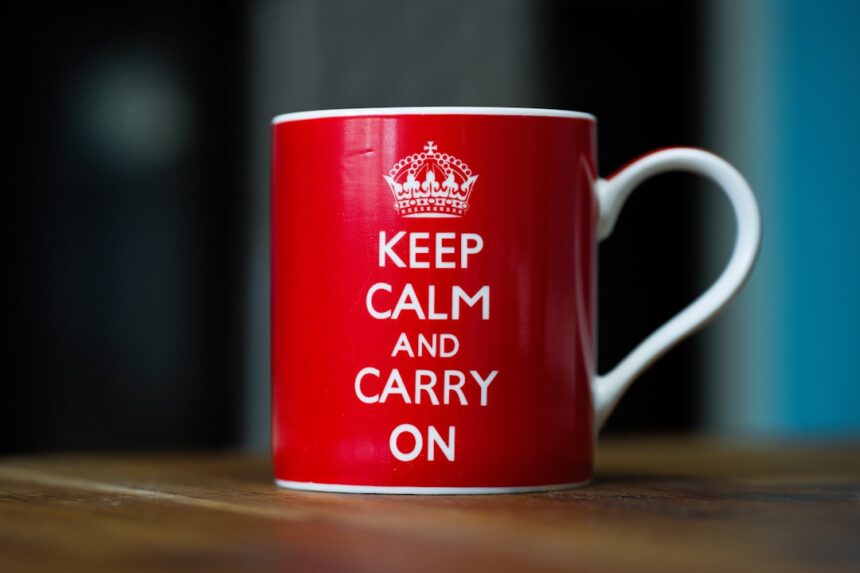
In the arena of modern existence, pressure often arrives uninvited, a gust of wind that threatens to topple even the most stable structures. You’ve likely felt its weight, that tightening in your chest, the quickening rhythm of your heart. Mastering calm is not an innate gift bestowed upon a select few; it is a skill, meticulously honed through practice and understanding. This guide aims to equip you with the strategies to navigate these turbulent waters, transforming potential overwhelm into a steady presence.
Pressure, in its essence, is a response to perceived threats or demands that exceed your current capacity to cope. It is the body’s evolutionary alarm system, designed to mobilize resources for action. However, in contemporary life, these perceived threats are often chronic and psychological, rather than immediate physical dangers. Recognizing the physiological and psychological components of pressure is the first step in managing it effectively.
The Body’s Reaction to Stress
When you encounter a pressure-inducing situation, your physiological systems spring into action. This is commonly referred to as the “fight-or-flight” response, a cascade of hormonal and neurological changes orchestrated by the sympathetic nervous system.
Adrenaline and Cortisol: The Stress Hormones
Upon sensing a threat, your adrenal glands release hormones like adrenaline (epinephrine) and cortisol. Adrenaline provides an immediate surge of energy, increasing your heart rate, blood pressure, and breathing rate. Your senses become sharper, and your muscles tense, preparing you for immediate action. Simultaneously, cortisol, often dubbed the “stress hormone,” is released to help your body manage the immediate short-term stress. It increases blood sugar, suppresses non-essential functions like digestion and reproduction, and enhances brain function in areas related to memory and attention. While these responses are crucial for survival in acute situations, chronic exposure to elevated levels of these hormones can have detrimental effects on your physical and mental health. You might experience persistent fatigue, weakened immune function, digestive issues, sleep disturbances, and an increased susceptibility to anxiety and depression.
The Autonomic Nervous System: A Tightrope Walk
Your autonomic nervous system is a crucial player in this drama. It operates largely outside of your conscious control and regulates vital involuntary functions. The sympathetic division triggers the stress response, while the parasympathetic division is responsible for the “rest-and-digest” state, promoting relaxation and recovery. When you are under pressure, the sympathetic nervous system is in overdrive, leaving the parasympathetic system struggling to regain balance. This imbalance can manifest as shallow breathing, muscle tension, and a general feeling of being on edge.
The Psychological Dimensions of Pressure
Beyond the physical toll, pressure profoundly impacts your cognitive processes and emotional state. Your thoughts can become a whirlpool of “what ifs” and self-doubt, making rational decision-making challenging.
Cognitive Distortions: Warping Your Perception
In high-pressure environments, your mind can be prone to cognitive distortions—irrational thought patterns that twist reality. You might engage in catastrophizing, imagining the worst possible outcome, or engage in all-or-nothing thinking, viewing situations in black and white without acknowledging nuance. Other common distortions include overgeneralization, where a single negative event is seen as a never-ending pattern, and personalization, where you take responsibility for events that are not entirely your fault. These distorted thoughts act as fuel to the fire of pressure, making you feel more overwhelmed and less capable.
Emotional Amplification: The Echo Chamber of Feelings
Pressure often amplifies your emotions. Fear, anxiety, frustration, and even anger can surge, making it difficult to maintain composure. When these emotions are left unchecked, they can lead to impulsive decisions or emotional outbursts. It’s like a feedback loop: the more pressure you feel, the more intense your emotions become, which in turn increases the pressure. Learning to identify and label these emotions without judgment is a critical step in preventing them from dictating your actions.
Staying calm under pressure is a crucial skill that can significantly enhance performance in high-stress situations. For those looking to develop this ability further, a related article can be found at Unplugged Psychology, which offers valuable insights and techniques to manage stress effectively. By exploring these strategies, individuals can learn how to maintain composure and make better decisions when faced with challenging circumstances.
Cultivating Mindfulness: Anchoring in the Present Moment
Mindfulness is the practice of paying attention to the present moment without judgment. It is not about emptying your mind, but about becoming aware of your thoughts, feelings, bodily sensations, and surrounding environment with gentle curiosity. In the context of pressure, mindfulness acts as an anchor, grounding you in the here and now, preventing you from being swept away by worries about the past or anxieties about the future.
Practicing Mindful Breathing
Your breath is a constant, readily available tool for self-regulation. Most individuals under pressure tend to breathe shallowly and rapidly. By consciously slowing and deepening your breath, you send a signal to your nervous system to calm down.
Diaphragmatic Breathing: The Foundation of Calm
The most effective form of mindful breathing is diaphragmatic breathing, also known as belly breathing. To practice this, place one hand on your chest and the other on your abdomen, just below your rib cage. As you inhale through your nose, feel your abdomen rise, while your chest should move minimally. As you exhale slowly through your mouth, feel your abdomen fall. Aim for a breath that is longer on the exhale than the inhale. This conscious engagement of your diaphragm stimulates the vagus nerve, a key component of the parasympathetic nervous system, promoting relaxation. Regular practice, even for a few minutes each day, can build your capacity to tap into this calming mechanism when needed.
Body Scan Meditation: Reconnecting with Your Physical Self
A body scan meditation involves systematically bringing your attention to different parts of your body, noticing any sensations without trying to change them. This practice helps you develop a greater awareness of how pressure manifests physically.
Noticing Sensations Without Judgment
Begin by lying down or sitting comfortably. Bring your attention to your toes. Simply observe any sensations present – warmth, coolness, tingling, pressure, or even a complete lack of sensation. Do not try to force any particular feeling. If your mind wanders, gently guide it back to the sensation in your toes. Gradually move your awareness up your body, to your feet, ankles, calves, knees, thighs, and so on, all the way to the crown of your head. This non-judgmental observation helps you to detach from the narrative of stress and reconnect with the present physical reality, providing a tangible respite from mental turmoil.
Mindful Observation of Thoughts
Mindfulness is not about suppressing thoughts, but about observing them as transient mental events. When pressure arises, your thoughts can become a relentless torrent. Mindful observation allows you to step back and witness this flow without getting caught in it.
The Metaphor of the River
Imagine your thoughts as leaves floating down a river. You are sitting on the riverbank, simply watching them drift by. You don’t grab them, you don’t try to push them back upstream, you just observe their journey. When a particularly insistent thought arrives, acknowledge its presence, label it (“worrying,” “planning,” “judging”), and then gently return your attention to your breath or another anchor. This practice helps you realize that you are not your thoughts; they are simply mental occurrences.
Recognizing Thought Patterns
Through consistent mindful observation, you will begin to recognize recurring thought patterns associated with pressure. This recognition is a powerful tool. For instance, you might notice a tendency to catastrophize when facing a deadline. By identifying this pattern, you can consciously choose to interrupt it before it gains momentum, substituting it with a more balanced and realistic assessment of the situation.
Strategic Preparation: Building Your Resilience Toolkit

Resilience is the ability to adapt well in the face of adversity, trauma, tragedy, threats, or significant sources of stress. It is not about avoiding challenges, but about developing the capacity to bounce back from them. Strategic preparation involves proactively building the mental and practical resources that will serve you when pressure inevitably mounts.
Proactive Planning and Organization
Many sources of pressure stem from a feeling of being unprepared or overwhelmed by tasks. Effective planning can significantly mitigate this.
Task Breakdown and Prioritization
When faced with a large or daunting task, it can feel like standing at the foot of an unclimbable mountain. The key is to break it down into smaller, manageable steps. Each step is a stepping stone, leading you progressively towards your goal. Utilize tools like to-do lists, calendars, and project management apps to map out your path. Prioritize these tasks based on urgency and importance. This methodical approach transforms a seemingly insurmountable challenge into a series of achievable actions, diminishing the sense of pressure.
Setting Realistic Expectations
Unrealistic expectations are a breeding ground for disappointment and pressure. Understand your limitations and the realities of any given situation.
The Trap of Perfectionism
Perfectionism, while sometimes appearing as a drive for excellence, can often become a significant source of pressure. Striving for unattainable perfection is like trying to build a skyscraper on a foundation of mist – it’s destined to crumble. Accepting “good enough” in situations where perfection is not essential can free up mental energy and reduce the burden of self-criticism. This doesn’t mean settling for mediocrity, but rather understanding where the pursuit of flawlessness is genuinely beneficial versus where it becomes a counterproductive drain.
Developing Coping Mechanisms
Coping mechanisms are the strategies you employ to manage stressful situations. The key is to develop a diverse range of healthy coping mechanisms that you can draw upon.
Physical Activity: Releasing Stored Tension
When you’re under pressure, your body often stores pent-up tension. Physical activity is an excellent way to release this stored energy.
The Cathartic Release of Exercise
Engaging in moderate to vigorous physical activity can act as a powerful outlet for stress. Think of it as a pressure valve. Whether it’s a brisk walk, a challenging run, a yoga session, or dancing, movement allows your body to process stress hormones and endorphins, which have mood-boosting effects. Even short bursts of activity, like taking the stairs instead of the elevator or doing a few stretches, can make a difference. The key is consistency; integrating regular physical activity into your routine builds your body’s natural resilience.
Seeking Social Support: The Strength of Connection
Humans are inherently social beings. Connection and support from others are vital for navigating difficult times.
The Power of a Listening Ear
Talking about your stressors with a trusted friend, family member, or colleague can provide immense relief. Simply verbalizing your concerns can help you gain perspective and feel less alone. They don’t necessarily need to have solutions; often, the act of being heard and validated is enough. This social support acts as a buffer, absorbing some of the impact of pressure and reminding you of your network of support.
Cognitive Restructuring: Rewiring Your Response
Cognitive restructuring involves identifying and challenging negative or unhelpful thought patterns and replacing them with more balanced and constructive ones. This is akin to recalibrating your internal compass when it’s pointing you towards overwhelm.
Identifying Negative Thought Patterns
The first step to changing your thoughts is recognizing them. This requires a degree of self-awareness and honesty.
The Inner Critic: A Constant Barrage
Many individuals under pressure grapple with an internal critic, a voice that frequently points out flaws, magnifies mistakes, and predicts failure. This inner critic can be relentless, constantly whispering doubts and criticisms. Recognizing this voice as distinct from your true self is crucial. It’s like an unwelcome guest in your mind, offering unsolicited and often inaccurate advice.
Automatic Negative Thoughts (ANTs)
Automatic Negative Thoughts, or ANTs, are spontaneous, negative thoughts that pop into your head without conscious deliberation. They are often triggered by specific situations and can occur before you even realize it. Examples include “I’m going to fail,” “I’m not good enough,” or “This is too difficult.” Identifying these ANTs is like spotting a weed in your mental garden; once identified, it can be addressed.
Challenging and Replacing Unhelpful Thoughts
Once you’ve identified negative thought patterns, the next step is to actively challenge their validity and replace them with more balanced perspectives.
Examining the Evidence
For every negative thought, ask yourself: “What evidence do I have to support this thought?” Often, you’ll find that the evidence is weak, circumstantial, or even non-existent. Conversely, ask yourself: “What evidence do I have that contradicts this thought?” This process of critically examining the evidence can dismantle the power of irrational beliefs. It’s like a detective meticulously gathering facts to build a case for a more balanced reality.
Cognitive Reframing: Seeing Things Differently
Cognitive reframing is the process of altering your perspective on a situation to make it seem less threatening or more manageable. For example, instead of viewing a challenging project as an insurmountable obstacle, you could reframe it as an opportunity for growth and skill development. This shift in perspective can fundamentally alter your emotional response and your capacity to handle the situation.
Developing Affirmations
Affirmations are positive statements designed to challenge negative beliefs and promote a more positive outlook. They are like planting seeds of confidence in your mental soil. When used consistently, affirmations can help to reprogram your subconscious mind. Examples include “I am capable of handling this,” “I can learn and adapt,” or “I am resilient.” Choose affirmations that resonate with you and repeat them regularly, especially during moments of high pressure.
Staying calm under pressure is essential for maintaining focus and making sound decisions in challenging situations. One effective strategy is to practice mindfulness techniques, which can help ground you and reduce anxiety. For more insights on managing stress and enhancing your mental resilience, you can explore this informative article on stress management. By incorporating these practices into your routine, you can improve your ability to navigate high-pressure environments with greater ease.
Practical Strategies for Immediate Relief
| Technique | Description | Effectiveness (%) | Time to Implement | Recommended Frequency |
|---|---|---|---|---|
| Deep Breathing | Slow, deep breaths to reduce heart rate and calm the mind. | 85 | 1-2 minutes | As needed |
| Mindfulness Meditation | Focusing on the present moment to reduce anxiety and stress. | 75 | 10-20 minutes | Daily |
| Positive Self-Talk | Replacing negative thoughts with positive affirmations. | 70 | Immediate | As needed |
| Physical Exercise | Engaging in physical activity to release tension and improve mood. | 80 | 20-30 minutes | 3-5 times per week |
| Preparation & Planning | Organizing tasks and anticipating challenges to reduce uncertainty. | 90 | Varies | Before stressful events |
| Progressive Muscle Relaxation | Tensing and relaxing muscle groups to reduce physical tension. | 65 | 10-15 minutes | Daily or as needed |
| Visualization | Imagining a calm and successful outcome to reduce anxiety. | 60 | 5-10 minutes | Before stressful situations |
While long-term strategies are essential for building resilience, sometimes you need immediate relief when you’re in the thick of it. These practical techniques can offer a quick respite and help you regain your equilibrium.
The Power of Sensory Engagement
Engaging your senses can be a powerful way to ground yourself in the present moment and interrupt the cycle of overwhelming thoughts.
Grounding Techniques: Anchoring Your Senses
Grounding techniques involve focusing on your immediate environment through your senses. A common one is the “5-4-3-2-1” method: identify five things you can see, four things you can touch, three things you can hear, two things you can smell, and one thing you can taste. This simple exercise pulls your attention away from internal distress and anchors you in the tangible reality around you.
Aromatherapy and Soothing Sounds
Certain scents, such as lavender or chamomile, are known for their calming properties. Keeping a small bottle of essential oil or a scented sachet can provide a subtle yet effective way to induce relaxation. Similarly, listening to calming music, nature sounds, or even white noise can create a more peaceful internal environment. Think of these as small pockets of calm you can carry with you, ready to be deployed when needed.
The Role of Pacing and Breaks
When you’re under pressure, the natural inclination can be to push harder and longer. However, strategic pacing and taking regular breaks are crucial for sustained effectiveness.
Short, Frequent Breaks: The Recharge Cycle
Just as a marathon runner doesn’t sprint the entire race, you shouldn’t expect to operate at peak intensity without respite. Schedule short, frequent breaks throughout your day. Stand up, stretch, walk around, or simply close your eyes and take a few deep breaths. These mini-recharges prevent burnout and allow your mind to reset, ultimately improving your focus and productivity when you return to your task.
Stepping Away: The Strategic Retreat
Sometimes, the most effective strategy is to temporarily step away from the situation that is causing pressure. This doesn’t mean abandoning your responsibilities, but rather creating a mental and physical distance to gain perspective. A short walk outdoors, a brief period of meditation, or simply engaging in a non-demanding activity can help you return with a clearer mind and renewed energy. This strategic retreat is not a sign of weakness, but a testament to your ability to manage your resources effectively.
In conclusion, mastering calm is a continuous journey, not a destination. It is the art of navigating the inevitable storms of life with grace and resilience. By understanding the mechanisms of pressure, cultivating mindfulness, engaging in strategic preparation, and learning to restructure your thoughts, you can transform yourself from someone who is at the mercy of pressure to someone who can harness its energy and emerge stronger. The tools and strategies outlined here are not magic cures, but rather dependable compasses and anchors, guiding you towards a more serene and effective existence. Your capacity for calm is not a fixed quantity; it is a garden you can tend, cultivate, and expand with dedicated practice and mindful intention.
FAQs
What are some effective techniques to stay calm under pressure?
Effective techniques include deep breathing exercises, mindfulness meditation, positive visualization, and breaking tasks into smaller, manageable steps. These methods help reduce stress and maintain focus.
How does staying calm under pressure benefit performance?
Staying calm improves decision-making, enhances concentration, reduces errors, and helps maintain a clear mind, all of which contribute to better overall performance in high-pressure situations.
Can physical exercise help in managing pressure?
Yes, regular physical exercise reduces stress hormones, increases endorphin levels, and improves mood, which collectively help individuals stay calm and resilient under pressure.
Is preparation important for staying calm under pressure?
Absolutely. Being well-prepared increases confidence and reduces uncertainty, making it easier to remain calm and handle pressure effectively.
How does mindset influence the ability to stay calm under pressure?
A positive and growth-oriented mindset helps individuals view pressure as a challenge rather than a threat, promoting calmness and adaptive responses during stressful situations.