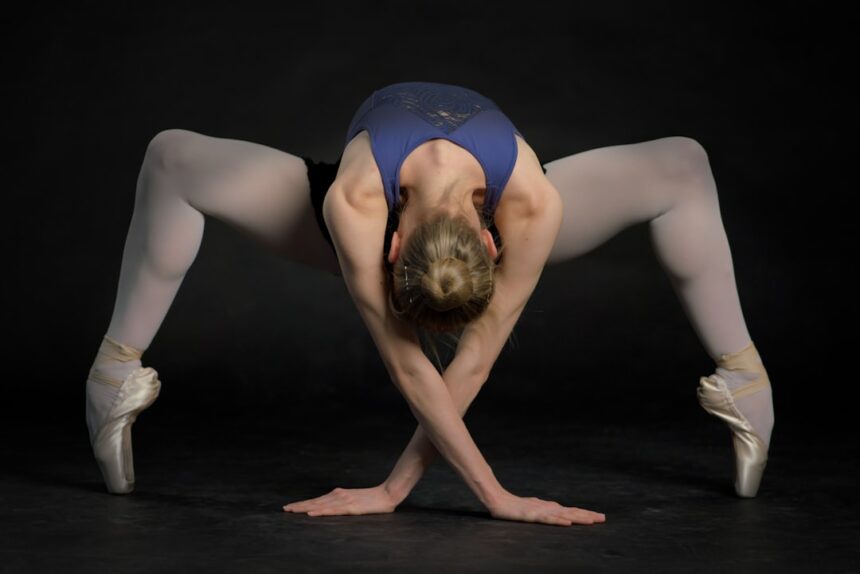
The subtle tremor, the almost imperceptible shift, the constant, low-grade instability – you know it. You feel it after a long day, creeping into your limbs, making even simple tasks feel more challenging. This is the micro wobble, a pervasive enemy of efficiency and comfort. It’s the silent drain on your energy, the unseen saboteur of your focus, and the precursor to larger issues. But what if you could find a stable ground, a foundational rock against this tide of internal instability? The answer lies not in complex exercises or expensive equipment, but in understanding and mastering a simple, yet profound geometric principle: the Posture Triangle.
Imagine your body as a structure. Like any building, its stability depends on the strength and integrity of its base. For your upright posture, this base is not a single point, but a dynamic, three-pointed configuration. This is the Posture Triangle. It’s the conceptual framework that encompasses the points of contact between your body and the surface supporting you, and the way your weight is distributed across them. Mastering this triangle is your first and most crucial step in eliminating micro wobble.
The Three Pillars of Stability
The Posture Triangle is defined by three key points: your two feet and the imaginary point of your center of gravity projected onto the ground. Think of these as the three legs of a stool. If any one of these legs is shaky, uneven, or compromised, the entire stool – your body – will wobble.
The Left Foot: Your Anchor
Your left foot, though seemingly identical to your right, plays a distinct role in your postural stability. It’s one of the primary anchors in your Posture Triangle. You might lean on it more, or less, depending on your habits. Understanding its weight distribution is key.
Assessing Left Foot Weight Distribution
When you stand, consciously try to feel the pressure under your left foot. Is it evenly distributed from the heel to the ball? Or is more weight concentrated on one side? A common imbalance is to favor the outer edge or the inner arch. This unevenness creates a tilt, forcing your body to compensate elsewhere.
Correcting Left Foot Imbalances
If you find a dominant pressure point, consciously try to redistribute the weight. Imagine spreading your toes slightly, as if they were roots seeking purchase in the soil. Feel the pressure equally across the sole, from the heel to the balls of your toes, and from the inner to the outer edge. This is not about forcing an unnatural position, but about finding a balanced engagement of the foot’s intrinsic musculature.
The Right Foot: Your Counterbalance
Similarly, your right foot is the other crucial anchor. It works in tandem with your left foot to create a stable base. Your brain constantly monitors the pressure and position of both feet, making minute adjustments to maintain equilibrium.
Assessing Right Foot Weight Distribution
Just as you did for your left, pay attention to the weight distribution under your right foot. Is it pressing down evenly? Or is there a tendency to lean more on the heel, the ball, or one side of the foot? This bidirectional monitoring is essential for subtle corrections.
Correcting Right Foot Imbalances
The process for correcting imbalances in the right foot mirrors that of the left. Focus on rooting your weight evenly. Engage the muscles of your foot to support its natural arch and to provide a reliable contact point with the ground.
The Grounded Center of Gravity: The Apex
The third point of your Posture Triangle is not a physical point of contact, but rather the projection of your body’s center of gravity onto the supporting surface. This is the apex of your stable triangle. It’s the sweet spot where your weight is balanced optimally.
Finding Your Natural Center
When you stand relaxed, your center of gravity should ideally fall somewhere between your feet. If it’s too far forward, you’ll lean; too far back, and you’ll feel you might fall. The goal is to find a position where you feel “grounded” and upright without any conscious effort to hold yourself there.
The Art of Re-centering
Micro wobble often occurs when your center of gravity drifts. This can be due to fatigue, poor posture habits, or even external forces like a slight incline. The act of re-centering involves subtly shifting your weight back towards that ideal point. It’s like adjusting the sail on a boat to catch the wind most effectively.
To effectively address the issue of micro wobble and improve overall stability, understanding the concept of the posture triangle is essential. For a deeper dive into this topic, you can refer to a related article that explores various techniques and exercises designed to enhance posture and balance. This resource provides valuable insights into how maintaining a strong posture triangle can significantly reduce micro wobble and promote better body alignment. For more information, visit this article.
The Silent Language of Weight Shift: Diagonal Tension
Your Posture Triangle is not static. It’s a dynamic interplay of pressure and force. The way weight shifts between your feet, and how your torso responds to those shifts, creates a subtle but powerful tension – a diagonal tension, if you will – that can either stabilize or destabilize you.
The Diagonal Connection: Left Heel to Right Shoulder
A fundamental diagonal connection exists from your left heel up through your body to your right shoulder. This line represents a crucial pathway for maintaining balance and stability. Think of it as a taut rope, connecting two points of your postural structure.
The Role of the Gluteals
The muscles of your glutes (your buttocks) are pivotal in managing this diagonal tension. They act as powerful stabilizers, preventing excessive tilting and ensuring that weight shifts are controlled and efficient.
Engaging Your Gluteals for Stability
When you stand, consciously engage your gluteals. This doesn’t mean clenching them tightly, but rather activating them in a way that provides a subtle firmness. This engagement helps to keep your pelvis level and your spine in a neutral alignment, supporting the diagonal tension.
The Torso’s Response: Core Engagement
Your torso, encompassing your abdomen and back muscles, is the bridge that connects the lower and upper body. Its ability to respond to weight shifts is paramount. A strong, engaged core acts like the hull of a ship, providing a stable platform against the waves of movement.
The Hollowing Technique: A Subtle Stabilization
One effective technique for core engagement is the “hollowing” of the abdomen. Imagine gently drawing your navel towards your spine. This engages the deep abdominal muscles that are crucial for postural support.
The Bracing Technique: For Active Posture
For more dynamic situations, a slight bracing of your abdominal muscles – as if you were about to be lightly punched in the stomach – can provide enhanced stability. This engages a broader range of abdominal musculature.
The Other Diagonal: Right Heel to Left Shoulder
The opposing diagonal connection, from your right heel to your left shoulder, is equally important. These two diagonals work in concert to create a balanced and resilient posture.
The Lumbar Spine’s Contribution
The lower back (lumbar spine) plays a critical role in managing the forces that travel along these diagonal lines. Its natural curves are designed to absorb shock and distribute weight.
Maintaining Lumbar Neutrality
A neutral lumbar spine is one that maintains its natural gentle inward curve. Over-arching or flattening the lower back can disrupt the Posture Triangle and lead to instability.
The Scapular Engagement
Your shoulder blades (scapulae) are not merely passive bony structures; they are active participants in posture. Proper engagement of the muscles surrounding them helps to maintain the integrity of the upper diagonal.
Retracting and Depressing Your Scapulae
A common postural fault is allowing the shoulders to round forward. Consciously retracting (pulling back) and depressing (drawing down) your shoulder blades helps to open the chest and align your upper body with the Posture Triangle.
The Feet as Sensory Organ: Proprioception and Micro-Adjustments
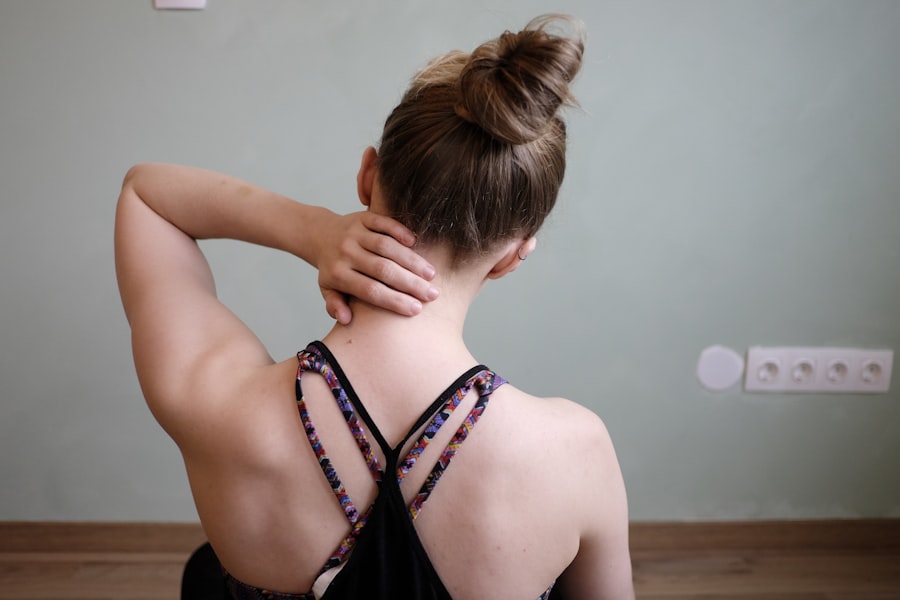
Your feet are far more than just the points of contact with the ground. They are incredibly complex sensory organs, packed with nerve endings that constantly send information to your brain about pressure, texture, and movement. This information is the bedrock of proprioception – your body’s awareness of its position in space.
The Unseen Symphony of Sensors
Within your feet lies a sophisticated network of receptors: mechanoreceptors, proprioceptors, and nociceptors. These work tirelessly to inform your brain about the state of your foundation.
Mechanoreceptors: Feeling the Ground
These receptors are sensitive to physical touch and pressure. They allow you to feel the texture of the ground, the precise point of contact, and the distribution of your weight.
The Importance of Barefoot Awareness
Spending time barefoot, especially on varied surfaces, can significantly enhance the sensitivity of your mechanoreceptors. It’s like tuning a finely-tuned instrument, making it more responsive to subtle inputs.
Proprioceptors: Knowing Your Position
These receptors specifically inform your brain about the position and movement of your joints and muscles. They are essential for maintaining balance and coordinating movement.
Developing Conscious Foot Awareness
Even when wearing shoes, you can cultivate conscious foot awareness. Periodically, check in with your feet. Are they gripping the floor? Are they supporting your weight evenly? This deliberate attention reinforces the proprioceptive feedback loop.
The Brain’s Micro-Correction Engine
Your brain uses the constant stream of proprioceptive data from your feet to make millions of tiny, unconscious adjustments every second. These are the micro-adjustments that prevent you from falling and maintain your upright posture.
The Feedback Loop: From Feet to Brain to Muscles
The process is a continuous feedback loop: feet sense pressure -> signals sent to brain -> brain processes information -> commands sent to muscles -> muscles make tiny adjustments -> feet sense new pressure.
The Impact of Footwear on Feedback
Certain types of footwear can dampen or distort this proprioceptive feedback. Thick, rigid soles, for instance, can act as a buffer, reducing the clarity of the signals reaching your brain. This can lead to less precise micro-adjustments and a greater susceptibility to micro wobble.
The Neurological “Muscle Memory” of Balance
Over time, with consistent attention to your Posture Triangle and foot awareness, your brain develops a kind of “muscle memory” for balance. This means that maintaining stability becomes more automatic and less taxing.
The Concept of “Grounding”
The feeling of being “grounded” is a direct manifestation of effective proprioception and well-functioning micro-adjustments. It suggests that your body is well-connected to the earth and securely balanced.
Beyond Static Standing: The Posture Triangle in Motion
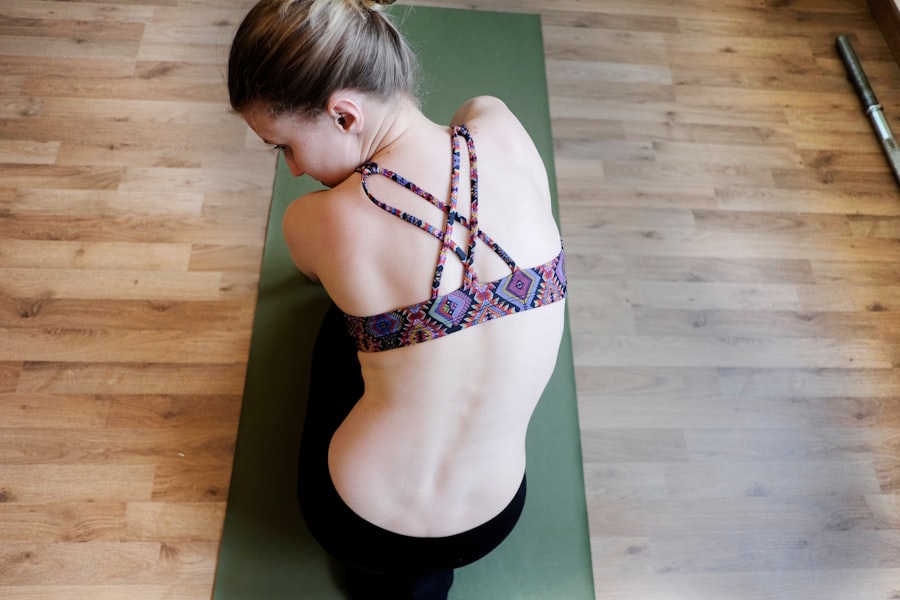
The Posture Triangle is not just relevant when you are standing still. Its principles are fundamental to maintaining stability and efficiency in all of your movements, from walking to sitting to more complex activities.
The Dynamic Nature of Movement
Every motion you make involves a continuous shifting of your center of gravity and a redistribution of weight across your base of support. A mastery of the Posture Triangle allows for smoother, more controlled transitions.
Walking: A Series of Controlled Falls
Walking is, in essence, a series of controlled falls. As you lift one foot, your weight transfers to the other. Your Posture Triangle dynamically adjusts to maintain balance throughout this process.
Heel-Strike and Toe-Off Dynamics
Pay attention to how your weight transfers through your foot during walking. A smooth heel-strike followed by a balanced roll through to a powerful toe-off, all while maintaining an engaged Posture Triangle, minimizes wasted energy and wobble.
The Importance of Arm Swing
Your arms play a crucial role in counterbalance during walking. A natural, coordinated arm swing helps to stabilize your torso and maintain the integrity of your Posture Triangle.
Sitting: The Unseen Perch
Even when sitting, your Posture Triangle is still active, albeit in a different form. Your ischial tuberosities (sit bones) and the back of your thighs become the points of contact.
The Importance of Pelvic Tilt
The tilt of your pelvis is the equivalent of the inclination of your feet when standing. An anterior tilt (forward tilt) can lead to an over-arched back, while a posterior tilt (backward tilt) can flatten your spine and create instability.
Finding Your Neutral Pelvic Position
Consciously assess your pelvic tilt when sitting. Aim for a neutral position where your sit bones are firmly on the surface, and your spine maintains its natural curves. This provides a stable base for your torso.
The Core’s Constant Vigilance
Your core muscles remain essential for maintaining an upright and stable sitting posture, even without the direct influence of gravity on your feet.
Preventing Screen-Time Slouch
The pervasive habit of slouching while using screens is a direct consequence of neglecting the principles of the Posture Triangle and core engagement. This leads to excessive spinal strain and can exacerbate micro wobble.
Advanced Applications: Sport and Activity
In any physical activity, from running to weightlifting to yoga, a strong understanding of your Posture Triangle provides a significant advantage. It allows for greater power transfer, improved balance, and reduced risk of injury.
Power Generation from the Ground Up
For activities requiring explosive power, the efficient transfer of force from the ground through your feet, up your Posture Triangle, and into the movement is paramount.
The Role of Joint Alignment
Proper alignment of your ankles, knees, and hips ensures that the forces generated by your Posture Triangle are channeled effectively, rather than being dissipated by misalignments.
Injury Prevention: The Unseen Shield
A stable Posture Triangle acts as an unconscious shield against many common injuries. By maintaining optimal balance and distributing forces evenly, you reduce undue stress on joints and muscles.
Understanding Your Biomechanics
Learning about your individual biomechanics in relation to your Posture Triangle can help you identify potential weaknesses and proactively address them.
To effectively address the issue of micro wobble, understanding the posture triangle can be incredibly beneficial. This concept emphasizes the importance of maintaining a stable base while engaging in various activities, which can significantly enhance your overall posture and balance. For further insights on this topic, you can explore a related article that delves deeper into practical techniques for improving posture and reducing instability. Discover more about these strategies by visiting this informative resource.
Practical Techniques for Mastering Your Triangle
| Metric | Description | Recommended Practice | Effect on Micro Wobble |
|---|---|---|---|
| Base of Support | Distance between feet forming the triangle base | Widen feet slightly to create a stable base | Increases stability, reduces micro wobble |
| Center of Gravity | Position of body weight within the triangle | Keep weight centered and low within the triangle | Minimizes sway and micro adjustments |
| Triangle Height | Vertical alignment from feet to head | Maintain upright posture with aligned spine | Improves balance, reduces unnecessary movement |
| Muscle Engagement | Activation of core and leg muscles | Engage core and leg muscles to stabilize posture | Prevents micro wobble by steadying the body |
| Visual Focus | Eye fixation point to aid balance | Focus on a fixed point at eye level | Enhances proprioception, reduces wobble |
Acquiring mastery of your Posture Triangle isn’t an abstract concept; it’s a skill you can cultivate through practical, consistent application. These techniques are your tools for building a more stable, efficient, and wobble-free existence.
The Daily Check-In: A Moment of Awareness
Integrate brief moments of postural awareness throughout your day. These small checks can have a cumulative, significant impact.
The Mirror Assessment: Visual Feedback
Periodically stand in front of a mirror and observe your posture. Are your shoulders rounded? Is your head jutting forward? Does one hip seem higher than the other? This visual feedback is a powerful corrective tool.
Adjusting for Symmetry
Look for any obvious asymmetries. While perfect symmetry is rare, significant imbalances can point to areas that need attention within your Posture Triangle.
The Five-Sense Grounding Exercise
Engage all your senses to connect with your foundation. What do you feel under your feet? What do you hear in your environment? What do you see around you? This mindfulness exercise anchors you in the present and to your physical being.
Focusing on the Soles of Your Feet
Dedicate a few moments to consciously feeling the pressure and sensation in the soles of your feet. Wiggle your toes. Feel the arch. Notice any tension.
Exercises for Postural Reinforcement
Certain exercises specifically target the muscle groups that support your Posture Triangle and enhance proprioception.
The Standing Heel-to-Toe Raise
This simple exercise directly challenges your balance and proprioception. Stand with your feet hip-width apart. Slowly lift your heels, rising onto the balls of your feet. Hold for a moment, then slowly lower. Then, lift your toes, balancing on your heels. Alternate between these two positions.
The Goal: Smooth Transitions
Focus on smooth, controlled movements. The goal is not to wobble precariously, but to maintain stability throughout the range of motion.
The Single-Leg Stance Challenge
Once you feel comfortable with the heel-to-toe raise, progress to a single-leg stance. Stand on one foot for as long as you can maintain good posture without excessive wobbling.
Gradually Increasing Duration
Start with short durations (10-15 seconds per leg) and gradually increase the time as your balance improves. If you feel yourself wobbling, gently place your other foot down to regain stability.
Core Activation Drills
Regularly incorporate core strengthening exercises like planks, bird-dogs, and dead bugs. These exercises build the internal scaffolding that supports your Posture Triangle.
Maintaining Proper Form Over Repetitions
Prioritize correct form over the number of repetitions. A few perfectly executed core exercises are more beneficial than many done with poor technique.
The Role of Mindful Movement Practice
Disciplines that emphasize mindful movement, such as Yoga, Tai Chi, or Pilates, are excellent avenues for internalizing the principles of the Posture Triangle.
Yoga and Body Awareness
Yoga postures demand a deep connection to your body’s alignment and balance. The emphasis on controlled breathing and mindful transitions directly translates to a finer control over your Posture Triangle.
Poses for Foot and Ankle Strength
Focus on poses that strengthen the feet and ankles, such as Warrior poses and standing balances, as these directly impact your foundational stability.
Tai Chi’s Flow and Stability
Tai Chi’s slow, deliberate movements are designed to cultivate a deep sense of rootedness and internal balance. Each posture is a mini-mastery of the Posture Triangle.
The Concept of “Rooting” in Tai Chi
The principle of “rooting” in Tai Chi directly aligns with establishing a solid, stable base, which is the essence of a well-functioning Posture Triangle.
Mastering the Posture Triangle is not a singular event, but an ongoing practice. By consistently applying these principles and techniques, you can transform your body from a collection of shifting parts into a unified, stable, and efficient whole. The micro wobble, once a constant companion, will begin to recede, replaced by a profound sense of groundedness and control. You will move through your day with greater ease, efficiency, and a subtle, unshakeable strength.
FAQs
What is the posture triangle in relation to micro wobble?
The posture triangle is a concept used to improve body stability by aligning three key points—usually the feet and the head or hips—to create a stable base. This alignment helps reduce micro wobble, which refers to small, involuntary body movements that can affect balance and posture.
How does the posture triangle help stop micro wobble?
By maintaining the posture triangle, you create a stable and balanced stance that minimizes unnecessary body movements. This stability reduces micro wobble by ensuring that your weight is evenly distributed and your muscles are engaged properly to support your posture.
What are the key points to focus on when forming the posture triangle?
Typically, the key points include the base of your feet and a point at your upper body, such as the head or hips. Ensuring these points are aligned and your body weight is centered within this triangle helps maintain balance and reduces micro wobble.
Can practicing the posture triangle improve overall posture?
Yes, regularly practicing the posture triangle can enhance your overall posture by promoting proper alignment and muscle engagement. This practice helps prevent slouching and reduces strain on muscles and joints, contributing to better posture and stability.
Is the posture triangle technique suitable for all activities?
The posture triangle technique is versatile and can be applied to various activities that require balance and stability, such as standing, walking, or exercising. However, the specific points of the triangle and the focus may vary depending on the activity and individual needs.