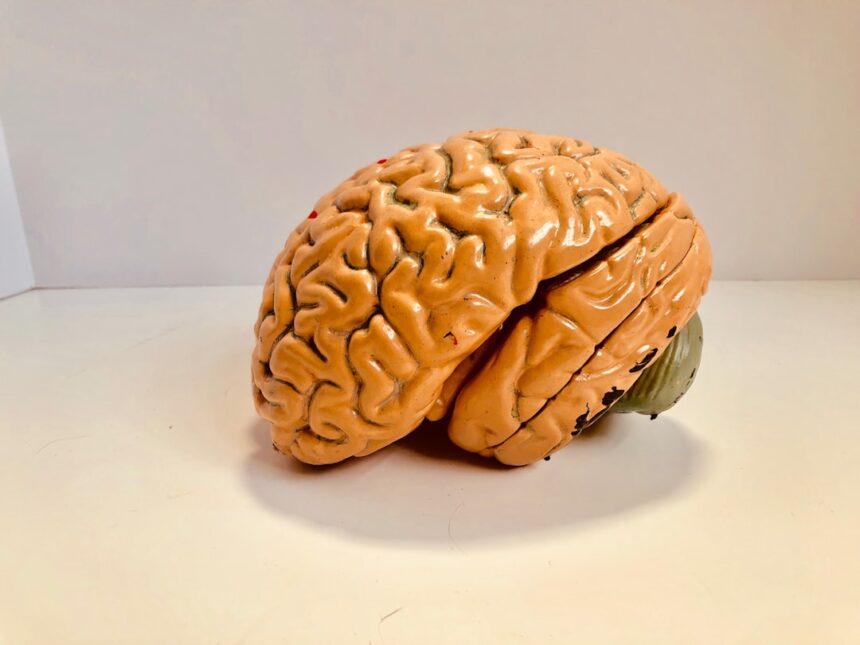
Imagine a world where thoughts and ideas could be shared directly from one mind to another, bypassing the need for spoken or written language. This concept, known as brain-to-brain communication, is no longer confined to the realm of science fiction. As neuroscience and technology advance, researchers are exploring the potential for direct neural connections that could allow individuals to communicate through their thoughts alone.
This revolutionary form of communication could transform how we interact, collaborate, and understand one another on a fundamental level. Brain-to-brain communication involves the transmission of information between brains using various methods, including electrical signals and brain-computer interfaces. The implications of this technology are vast, ranging from enhancing personal relationships to revolutionizing fields such as education and healthcare.
As you delve deeper into this fascinating subject, you will discover the speed at which these connections can occur, the factors that influence this speed, and the potential applications that could arise from faster brain-to-brain communication.
Key Takeaways
- Brain to brain communication allows for direct transmission of information between two brains
- The speed of brain to brain communication is much faster than traditional forms of communication
- Factors such as distance, technology, and individual brain activity can affect the speed of brain to brain communication
- Technology plays a crucial role in enhancing brain to brain communication, allowing for more efficient and accurate transmission
- Faster brain to brain communication has potential applications in fields such as medicine, education, and emergency response
The Speed of Brain to Brain Communication
The speed of brain-to-brain communication is a critical factor that determines its effectiveness and practicality. In essence, the quicker information can be transmitted from one brain to another, the more seamless and intuitive the communication process becomes. Current research suggests that brain-to-brain communication can occur at speeds comparable to traditional forms of communication, but with the potential for even greater efficiency as technology advances.
When you consider traditional communication methods, such as speaking or writing, there are inherent delays involved in encoding thoughts into words and then transmitting those words to another person. In contrast, brain-to-brain communication could eliminate these delays by allowing thoughts to be shared instantaneously. This immediacy could lead to a more profound understanding between individuals, as nuances and emotions could be conveyed without the limitations of language.
Factors Affecting the Speed of Brain to Brain Communication

Several factors influence the speed of brain-to-brain communication, including the technology used, the complexity of the information being transmitted, and the individual differences in brain function. The type of interface employed—whether it be invasive or non-invasive—can significantly impact how quickly signals are sent and received. For instance, invasive methods that involve implanting electrodes directly into the brain may offer faster transmission speeds compared to non-invasive techniques like EEG or fMRI.
Additionally, the complexity of the information being shared plays a crucial role in determining communication speed. Simple thoughts or commands may be transmitted more quickly than intricate ideas that require more extensive neural processing. As you explore this topic further, you will find that individual differences in cognitive processing speed and neural connectivity can also affect how efficiently information is exchanged between brains.
The Role of Technology in Enhancing Brain to Brain Communication
| Technology | Enhancements |
|---|---|
| Brain-Computer Interfaces (BCIs) | Facilitates direct communication between brains |
| Neuroimaging Techniques | Allows visualization of brain activity during communication |
| Electroencephalography (EEG) | Enables real-time monitoring of brain signals |
| Transcranial Magnetic Stimulation (TMS) | Modulates brain activity to enhance communication |
Technology is at the forefront of advancing brain-to-brain communication. Innovations in neuroscience and engineering have led to the development of sophisticated brain-computer interfaces (BCIs) that facilitate direct communication between brains. These devices can decode neural signals and translate them into actionable information, allowing for seamless interaction between individuals.
As you consider the role of technology in this field, it’s essential to recognize that advancements in artificial intelligence (AI) and machine learning are also contributing to enhancing brain-to-brain communication. AI algorithms can analyze neural data more efficiently, improving the accuracy and speed of information transfer. This synergy between neuroscience and technology holds immense promise for creating more effective communication channels that could revolutionize how we connect with one another.
Comparing Brain to Brain Communication with Other Forms of Communication
When you compare brain-to-brain communication with traditional forms of communication, several key differences emerge. Traditional methods often rely on language, which can be ambiguous and subject to misinterpretation. In contrast, brain-to-brain communication has the potential to convey thoughts and emotions with greater clarity and precision.
This direct exchange could lead to a deeper understanding between individuals, reducing misunderstandings that often arise from language barriers. Moreover, brain-to-brain communication could transcend cultural and linguistic differences, allowing people from diverse backgrounds to connect on a more profound level. Imagine being able to share your thoughts with someone who speaks a different language without any need for translation.
This capability could foster global collaboration and empathy, breaking down barriers that have historically divided societies.
The Potential Applications of Faster Brain to Brain Communication
The potential applications of faster brain-to-brain communication are vast and varied. In healthcare, for instance, this technology could enable doctors to share critical information about patients’ conditions directly with one another, leading to quicker diagnoses and more effective treatment plans. Imagine a scenario where a surgeon could instantly communicate their observations during an operation with a colleague in real-time, enhancing surgical outcomes.
In education, faster brain-to-brain communication could revolutionize how knowledge is imparted. Students could share their understanding of complex concepts directly with their peers or instructors, facilitating collaborative learning experiences that are more engaging and effective.
Challenges in Achieving Faster Brain to Brain Communication
Despite the exciting possibilities that faster brain-to-brain communication presents, several challenges must be addressed before this technology can become a reality. One significant hurdle is the complexity of accurately decoding neural signals. The human brain is an intricate network of neurons that communicate through various pathways, making it challenging to interpret thoughts consistently and reliably.
Additionally, ethical concerns surrounding privacy and consent must be considered as this technology develops. The idea of sharing thoughts directly raises questions about individual autonomy and the potential for misuse. As you reflect on these challenges, it becomes clear that careful consideration must be given to ensure that advancements in brain-to-brain communication are pursued responsibly and ethically.
The Future of Brain to Brain Communication
Looking ahead, the future of brain-to-brain communication holds immense promise. As research continues to advance our understanding of neural processes and as technology evolves, we may witness breakthroughs that enable seamless thought exchange between individuals. This evolution could lead to new forms of collaboration in various fields, from art and science to business and social interactions.
Moreover, as society becomes more interconnected through technology, the potential for global communication through direct thought exchange may reshape how we perceive relationships and community. Imagine a world where empathy is enhanced through shared experiences at a neural level—this vision may not be as far-fetched as it seems.
Ethical Considerations in Enhancing Brain to Brain Communication
As you explore the implications of enhancing brain-to-brain communication, it is crucial to consider the ethical dimensions associated with this technology. Issues surrounding privacy, consent, and potential misuse must be addressed proactively. The ability to access another person’s thoughts raises significant concerns about autonomy and individual rights.
Furthermore, there is a risk that such technology could exacerbate existing inequalities if access is limited to certain groups or individuals. Ensuring equitable access to brain-to-brain communication tools will be essential in fostering an inclusive society where everyone can benefit from these advancements.
Research and Studies on Brain to Brain Communication Speed
Numerous studies have been conducted to investigate the speed of brain-to-brain communication and its feasibility. Researchers have utilized various methodologies, including animal models and human trials, to explore how neural signals can be transmitted effectively between brains. These studies have provided valuable insights into the mechanisms underlying thought exchange and have laid the groundwork for future advancements in this field.
As you delve into this research, you will find that scientists are continually refining their techniques to improve the accuracy and speed of brain-to-brain communication. By understanding how different neural pathways function and how they can be manipulated through technology, researchers are paving the way for a future where direct thought exchange becomes a reality.
The Implications of Faster Brain to Brain Communication
In conclusion, faster brain-to-brain communication has the potential to revolutionize how we connect with one another on a fundamental level. As you reflect on the implications of this technology—ranging from enhanced personal relationships to transformative applications in healthcare and education—it becomes evident that we stand on the brink of a new era in human interaction. However, as we pursue these advancements, it is essential to navigate the ethical considerations carefully and address the challenges that lie ahead.
By fostering responsible research and development practices, we can ensure that the benefits of faster brain-to-brain communication are realized while safeguarding individual rights and promoting inclusivity in society. The journey toward this groundbreaking form of communication is just beginning, but its potential impact on humanity is profound and far-reaching.
Recent advancements in neuroscience have sparked interest in the concept of brain-to-brain communication, raising questions about its efficiency and speed. While some studies suggest that this form of communication may be slower than traditional methods, it opens up fascinating possibilities for future interactions. For a deeper understanding of the implications of such communication, you can read more in this related article on the topic at Unplugged Psych.
WATCH THIS! The Secret Science of Telepathy: Why Your Brain is Already Connected to Others
FAQs
What is brain to brain communication?
Brain to brain communication refers to the direct transmission of information from one brain to another without the use of traditional sensory or motor channels.
How does brain to brain communication work?
Brain to brain communication can be achieved through various methods such as neuroimaging, brain-computer interfaces, or non-invasive brain stimulation. These methods allow for the encoding and decoding of neural signals to facilitate communication between individuals.
Is brain to brain communication slow?
The speed of brain to brain communication can vary depending on the method used. Some studies have shown that the transmission of simple signals between brains can occur in real-time, while more complex communication may have a delay.
What are the potential applications of brain to brain communication?
Brain to brain communication has the potential to revolutionize fields such as healthcare, education, and human-computer interaction. It could enable new forms of communication for individuals with disabilities, enhance collaborative problem-solving, and even facilitate telepathic communication.
Are there any ethical considerations related to brain to brain communication?
As with any emerging technology, brain to brain communication raises ethical concerns related to privacy, consent, and the potential for misuse. It is important to consider the ethical implications and establish guidelines for the responsible development and use of this technology.