
Delving into the uncharted territories of your psyche can be a profound and transformative journey. Carl Jung, a Swiss psychiatrist and the founder of analytical psychology, presented the concept of the Shadow as a fundamental component of the unconscious mind. Integrating Jung’s shadow work techniques offers a powerful pathway to personal growth, helping you to unveil hidden aspects of yourself, both positive and negative, that you have disowned or repressed. This process isn’t about eliminating the Shadow, but rather acknowledging it, understanding its influence, and consciously integrating its energy into your holistic self.
The Jungian Shadow is not inherently evil. Rather, it represents the aspects of your personality that you consider undesirable, unacceptable, or even shameful, and have therefore pushed into your unconscious. Conversely, it can also hold positive traits that you have repressed due to societal conditioning or personal insecurity. Experience a profound spiritual awakening that transforms your perspective on life.
The Nature of Repression
From a young age, you are conditioned by your family, culture, and society to embrace certain behaviors and suppress others. These suppressed traits, whether they are expressions of anger, vulnerability, creativity, or ambition, don’t simply vanish. Instead, they recede into the Shadow, becoming an unacknowledged part of you. This repression often manifests as:
- Projections: You see your own disowned traits in others, often leading to intense dislike or admiration. For example, if you repress your own anger, you might perceive others as constantly aggressive.
- Compulsive Behaviors: Unacknowledged desires or urges seeking expression can lead to compulsive patterns or addictions.
- Self-Sabotage: The Shadow’s negative aspects can undermine your conscious efforts toward growth and success.
The Positive Shadow
It is crucial to recognize that the Shadow is not solely composed of negative attributes. You might have repressed qualities like assertiveness, boldness, creativity, or even joy because they were discouraged in your upbringing or perceived as threatening. Integrating these “golden shadows” can unlock immense potential and lead to a more vibrant and authentic existence. Imagine a powerful current flowing beneath the surface – that’s your positive Shadow, waiting to be acknowledged and harnessed.
For those interested in exploring Jungian shadow work integration techniques, a related article that delves deeper into this transformative process can be found at Unplugged Psych. This resource provides valuable insights and practical strategies for individuals seeking to understand and integrate their shadow aspects, ultimately fostering personal growth and self-awareness.
Initiating Shadow Work: Techniques and Approaches
Embarking on shadow work requires courage, self-compassion, and a willingness to confront uncomfortable truths. It’s not a quick fix but a gradual process of self-discovery and integration. Think of it as systematically peeling back layers of an onion, each revealing a new aspect beneath.
Active Imagination
Active imagination is a core Jungian technique that allows you to consciously engage with your unconscious material. It involves entering a semi-dreamlike state and observing the images, figures, and narratives that emerge.
- Dialogue with Shadow Figures: Once you identify a discernible figure or symbol representing a Shadow aspect, you can engage in a dialogue with it. Ask it questions about its purpose, its fears, its desires, and what it needs from you. This dialogue can be written down, spoken aloud, or even enacted.
- Dream Analysis: Your dreams are a rich source of raw material from the unconscious. Pay attention to recurring symbols, characters, and emotions in your dreams. Often, figures in your dreams represent aspects of your Shadow. Journaling your dreams and exploring their potential meanings can offer significant insights.
Journaling and Self-Reflection
Journaling provides a private and non-judgmental space to explore your inner world. It’s like having a dedicated scribe to record your internal landscape.
- Projection Identification: When you experience strong emotional reactions to others – intense dislike, admiration, or judgment – consider if you are projecting your own Shadow onto them. Write down what triggered your reaction and what qualities you perceive in the other person. Then, honestly ask yourself if those qualities exist within you, even if repressed.
- Exploring Disowned Traits: Make a list of qualities you dislike or judge in others and qualities you admire but feel you lack. Then, explore how these traits might manifest in your own life, perhaps in subtle or indirect ways. For example, if you judge boastful people, consider if you have a repressed desire for recognition that you’re unwilling to express.
Body Awareness and Embodiment
Your body holds a wealth of information about your emotional and psychological state. Ignoring the body can be a form of further repressing the Shadow.
- Somatic Exploration: Pay attention to physical sensations, tensions, or discomfort in your body when engaged in self-reflection. These somatic experiences can often be indicators of unacknowledged emotions or repressed memories.
- Movement and Expression: Engage in free-form movement, dance, or other forms of physical expression to allow repressed emotions and impulses to surface and be released. This can be a particularly powerful way to connect with the more primal and instinctual aspects of your Shadow.
Navigating the Challenges of Shadow Work

The journey of shadow integration is not always comfortable. It can bring up difficult emotions, painful memories, and a sense of vulnerability. It’s like unearthing buried treasure – you might encounter some dirt and debris before you reach the gleaming artifact.
Confronting Discomfort and Resistance
It’s natural to encounter resistance when delving into your Shadow. Your ego, which strives for a coherent and positive self-image, will often resist acknowledging traits it deems undesirable.
- Self-Compassion: Approach this process with immense self-compassion, not self-criticism. Understand that everyone has a Shadow, and confronting yours is a sign of strength, not weakness. Treat yourself as you would a dear friend embarking on a challenging but vital journey.
- Patience: Shadow work is a marathon, not a sprint. Be patient with yourself and the process. There will be times when you feel overwhelmed or discouraged. These are normal parts of the journey.
The Role of a Guide or Therapist
While self-guided shadow work is possible, working with a Jungian analyst or a therapist experienced in psychodynamic approaches can provide invaluable support and guidance.
- Objectivity: A therapist can offer an objective perspective, helping you to identify projections and blind spots that you might otherwise miss. They can act as a mirror, reflecting back aspects of yourself you fail to see.
- Safety and Containment: The therapeutic relationship provides a safe and contained space to explore difficult emotions and experiences that might feel overwhelming to confront alone.
Integrating the Shadow for Wholeness
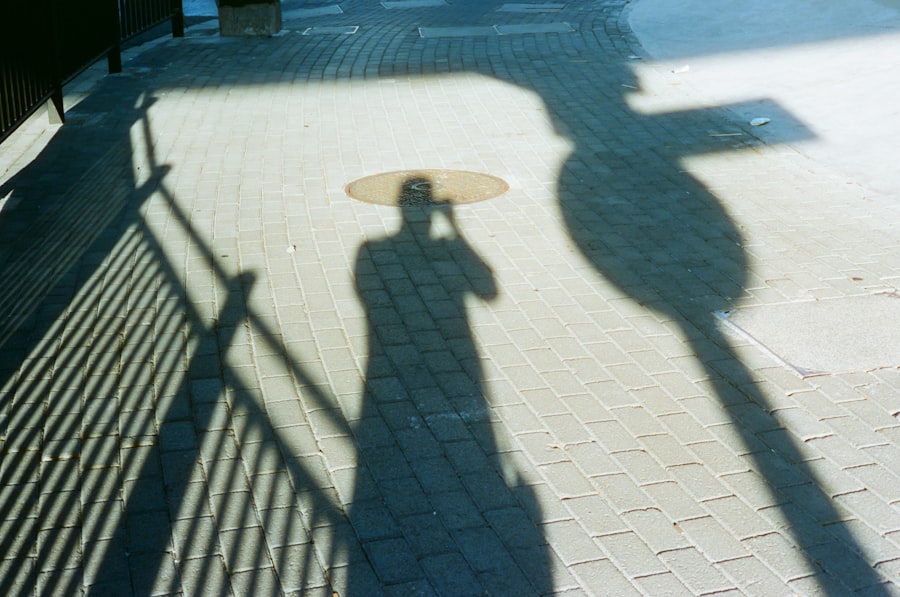
Integration is the ultimate goal of shadow work. It’s about bringing the once-disowned aspects of yourself into conscious awareness and accepting them as legitimate parts of your being. This doesn’t mean endorsing destructive behaviors, but rather understanding the underlying impulses and finding constructive ways to channel their energy. Imagine a sculptor, carefully shaping clay. Integration is not about discarding parts of the clay, but rather molding all of it into a complete form.
The Process of Assimilation
Assimilation involves consciously bringing Shadow traits into your awareness and making intentional choices about how to express or manage them.
- Conscious Choice: Once you identify a Shadow trait, you gain the power of conscious choice. You can decide whether to express it, modify its expression, or transform its energy into something more constructive. For example, if you discover a repressed rage, you can learn healthy anger management techniques instead of letting it erupt destructively.
- Reclaiming Lost Energy: By integrating repressed positive Shadow traits, you regain access to vital energy and potential that was previously locked away. You become more authentic, more creative, and more fully alive.
The Path to Authenticity and Inner Peace
Successfully integrating your Shadow leads to a profound sense of authenticity and inner peace. You are no longer expending energy suppressing parts of yourself or battling internal conflicts.
- Reduced Projections: As you become more aware of your own Shadow, your tendency to project it onto others diminishes. This leads to more genuine and less conflict-ridden relationships.
- Expanded Self-Awareness: You develop a more comprehensive and nuanced understanding of who you are, embracing both your light and dark aspects. This expanded self-awareness fosters greater self-acceptance and reduces internal judgment.
- Greater Resilience: When you’ve faced and integrated your Shadow, you develop a deeper inner strength and resilience. You are less likely to be derailed by external criticism or unexpected challenges because you are grounded in a more complete sense of self.
Integrating Jung’s shadow work techniques is a journey toward becoming a more complete and authentic individual. You are invited to embark on this profound exploration, not with fear, but with curiosity and courage. By consciously engaging with your Shadow, you unlock a deeper understanding of yourself, reclaim lost potential, and ultimately step closer to living a life of wholeness and genuine self-acceptance. The Shadow, once a source of discomfort, can become a wellspring of wisdom and a powerful catalyst for your personal evolution.
FAQs
What is Jungian shadow work?
Jungian shadow work is a psychological practice based on Carl Jung’s concept of the “shadow,” which represents the unconscious parts of the personality that an individual may reject or be unaware of. The work involves exploring and integrating these hidden aspects to achieve greater self-awareness and personal growth.
Why is shadow work important?
Shadow work is important because it helps individuals confront and understand their unconscious fears, desires, and behaviors. By integrating the shadow, people can reduce inner conflicts, improve emotional health, and develop a more authentic and balanced sense of self.
What are common techniques used in Jungian shadow work integration?
Common techniques include journaling to explore hidden thoughts and feelings, dream analysis to uncover unconscious material, active imagination to dialogue with shadow aspects, mindfulness meditation to observe inner experiences, and therapy sessions focused on self-reflection and emotional processing.
How long does it take to integrate the shadow?
The process of shadow integration varies widely among individuals and depends on factors such as personal readiness, the depth of unconscious material, and consistency in practice. It can be an ongoing journey rather than a fixed timeline.
Can shadow work be done alone, or is professional guidance necessary?
While some people engage in shadow work independently through self-reflection and journaling, professional guidance from a therapist or counselor trained in Jungian psychology can provide support, safety, and deeper insight, especially when confronting challenging emotions.
Are there any risks associated with shadow work?
Shadow work can bring up intense emotions and unresolved trauma, which may be distressing. It is important to approach the process with care, and seeking professional support is recommended if difficult feelings become overwhelming.
How does shadow work relate to personal growth?
Shadow work facilitates personal growth by helping individuals acknowledge and accept all parts of themselves, leading to increased self-awareness, emotional resilience, and healthier relationships. It promotes wholeness and authenticity.
Can shadow work improve relationships with others?
Yes, by recognizing and integrating one’s shadow, individuals often become more empathetic and less reactive, which can improve communication and reduce conflicts in relationships.
Is shadow work connected to any spiritual practices?
While shadow work originates from psychological theory, many people incorporate it into spiritual practices as a means of self-discovery and transformation. However, it is primarily a psychological process focused on inner awareness.
What resources are recommended for learning more about Jungian shadow work?
Recommended resources include books by Carl Jung such as “Psychological Types” and “Aion,” contemporary books on shadow work, workshops, online courses, and working with Jungian therapists or counselors.