You find yourself perpetually on edge, your senses heightened, scanning your environment as if danger lurks around every corner. This state, known as hypervigilance, is not a flaw in your character; it’s a deeply ingrained survival strategy, a primal alarm system that has kept humanity alive for millennia. You are experiencing a state where your brain and body are primed for threat detection, operating at an elevated level of alertness that goes beyond typical awareness.
Hypervigilance is characterized by an excessive focus on external and internal stimuli, often interpreted as potential threats. It’s like having an internal radar dish that’s always spinning at maximum speed, picking up every signal, no matter how faint. This constant scanning isn’t a conscious choice you make in the moment, but rather an automatic response, often born from past experiences where genuine threats were present. Your nervous system, having learned to associate certain cues with danger, now anticipates them even in their absence.
The Biological Underpinnings
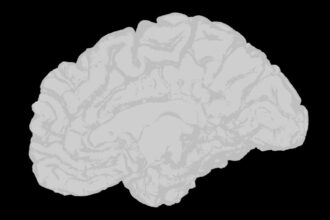
At the core of your hypervigilant state lies a complex interplay of neurological and physiological processes. The amygdala, a small almond-shaped structure deep within your brain, acts as your primary threat detector. When it perceives danger, it triggers a cascade of responses designed to prepare you for fight, flight, or freeze.
- Amygdala Activation: Your amygdala becomes highly sensitive, overreacting to stimuli that a non-hypervigilant person might dismiss as benign. It essentially sounds a false alarm more frequently.
- Adrenaline and Cortisol Release: Your adrenal glands pump out stress hormones like adrenaline and cortisol, flooding your bloodstream with chemicals that increase heart rate, sharpen senses, and boost energy. This prepares your body for immediate action.
- Sympathetic Nervous System Dominance: Your sympathetic nervous system, responsible for the “fight or flight” response, overrides your parasympathetic nervous system, which promotes rest and digestion. This keeps you in a state of constant readiness.
Psychological Manifestations
Beyond the purely biological, hypervigilance manifests in several psychological ways that you likely experience daily. These are not merely thoughts but ingrained patterns of perception and interpretation.
- Increased Startle Response: You jump at sudden noises or movements, even those that are clearly innocuous. A dropped pen might elicit a reaction usually reserved for an unexpected explosion.
- Exaggerated Fear Response: Your fear may seem disproportionate to the actual threat. A minor disagreement might feel like a life-or-death confrontation.
- Difficulty Relaxing: You find it challenging to unwind, even in safe environments. Your mind continues to race, searching for potential problems.
- Perceptual Distortions: You might misinterpret ambiguous cues as threatening, seeing malice where none exists, or danger in a benign situation. A neutral facial expression might be interpreted as hostility.
Hypervigilance, often seen as a survival strategy, can significantly impact an individual’s mental health and daily functioning. For a deeper understanding of this phenomenon and its implications, you can explore the article on the Unplugged Psych website, which discusses various psychological responses to trauma and stress. To read more about hypervigilance and its effects, visit this article.
The Roots of Hypervigilance: When Your Past Shapes Your Present
Your hypervigilance is rarely a random occurrence. It typically develops as a coping mechanism in response to prolonged or intense exposure to unpredictable, threatening, or traumatizing environments. Imagine a sapling growing in strong winds; it develops a robust root system and a flexible trunk to withstand the pressure. Your hypervigilance is a similar adaptation.
Trauma as a Catalyst
Traumatic experiences are a primary driver of hypervigilance. If you have endured physical or emotional abuse, neglect, combat exposure, natural disasters, or other life-threatening events, your brain may have adapted to anticipate similar dangers in the future. The memory of the trauma becomes a lens through which you view the world.
- Post-Traumatic Stress Disorder (PTSD): Hypervigilance is a core symptom of PTSD. Your brain, having been rewired by the trauma, remains in a perpetual state of alert, reliving the past in the present.
- Complex Trauma (C-PTSD): If you’ve experienced prolonged and repeated trauma, especially in childhood, your hypervigilance can be even more deeply ingrained. You learn to anticipate danger constantly, even from those who should provide safety.
Unpredictable Environments
Beyond overt trauma, growing up or living in consistently unpredictable environments can also foster hypervigilance. If your caregivers were inconsistent, if your home life was unstable, or if you faced constant uncertainty, your nervous system learned to be on high alert to predict and prepare for the next shift in your surroundings.
- Inconsistent Parenting: If you never knew whether you would be met with warmth or anger, you learned to constantly scan for cues to predict your caregiver’s mood.
- Chaotic Home Environments: Loud arguments, frequent moves, or financial instability can create a sense of unease, teaching you to be constantly vigilant for impending disruption.
Chronic Stress and Anxiety Disorders
While not always leading to full-blown trauma, chronic stress and certain anxiety disorders can also contribute to hypervigilance. When you’re consistently under pressure, your body’s stress response can become dysregulated, leading to a state of heightened arousal.
- Generalized Anxiety Disorder (GAD): If you constantly worry about multiple aspects of your life, you are engaged in a form of cognitive hypervigilance, scanning for potential problems and negative outcomes.
- Social Anxiety Disorder: In social situations, you might exhibit hypervigilance regarding social cues, constantly analyzing body language, tone of voice, and facial expressions for signs of judgment or disapproval.
The Double-Edged Sword: Benefits and Drawbacks of Your Constant Alertness
Like many evolutionary adaptations, hypervigilance is a double-edged sword. In genuinely dangerous situations, it can be your most powerful ally, sharpening your reactions and potentially saving your life. However, when the danger is absent, or exaggerated, it becomes a significant burden, eroding your well-being.
Adaptive Advantages
In certain contexts, the benefits of hypervigilance are undeniable. Consider a soldier in a war zone, a first responder in an emergency, or an animal in the wild.
- Enhanced Threat Detection: You are more likely to notice subtle signs of danger that others might miss, such as a change in someone’s demeanor or an unusual sound.
- Increased Reaction Time: Your body is primed for action, allowing you to respond more quickly to unexpected events.
- Survival in High-Risk Environments: In environments where threats are constant, such as abusive relationships or dangerous neighborhoods, hypervigilance can be a crucial survival mechanism.
Detrimental Consequences
While offering protection, chronic hypervigilance carries a heavy price, impacting nearly every aspect of your life. It’s like keeping a high-performance engine constantly revving at maximum RPMs – it will eventually wear down.
- Mental Exhaustion: The incessant scanning and interpreting of stimuli consume an enormous amount of mental energy, leading to chronic fatigue. Your brain is constantly working overtime.
- Physical Health Problems: The sustained release of stress hormones negatively impacts your body. You might experience chronic muscle tension, headaches, digestive issues, high blood pressure, and a weakened immune system.
- Sleep Disturbances: Your hyperactive mind finds it difficult to shut down, leading to insomnia, restless sleep, and nightmares. You remain “on guard” even when you should be resting.
- Strained Relationships: Your heightened sensitivity can lead you to misinterpret intentions, become easily agitated, or withdraw from others, damaging your interpersonal connections. Trust can be difficult to build when you are constantly scanning for betrayal.
- Reduced Quality of Life: The constant state of anxiety and fear prevents you from fully engaging with life, enjoying simple pleasures, and experiencing peace. Your world shrinks, becoming a landscape of potential threats.
Navigating Hypervigilance: Strategies for Reclaiming Your Peace
Acknowledging your hypervigilance is the first crucial step towards managing it. You are not “broken”; you are operating with an overactive defense system. The goal is not to eliminate your ability to detect danger but to recalibrate your internal alarm, teaching it the difference between a genuine threat and a harmless stimulus.
Cultivating Self-Awareness
Understanding when and why your hypervigilance flares up is powerful. Think of it as mapping your internal territory.
- Identify Triggers: Pay attention to what situations, people, or thoughts activate your hypervigilance. Is it crowded places? Certain tones of voice? The dark? Keep a journal to track these patterns.
- Observe Physical Sensations: Notice the physical manifestations of your hypervigilance – a racing heart, shallow breathing, muscle tension, stomach clenching. Recognizing these early warning signs allows you to intervene sooner.
Grounding and Mindfulness Techniques
These practices help you anchor yourself in the present moment, shifting your focus away from potential future threats.
- Deep Breathing Exercises: When you feel your hypervigilance escalating, consciously slow your breath. Inhale slowly through your nose, hold for a few seconds, then exhale slowly through your mouth. This activates your parasympathetic nervous system, signaling safety to your body.
- 5-4-3-2-1 Sensory Grounding: Systematically identify five things you can see, four things you can feel, three things you can hear, two things you can smell, and one thing you can taste. This pulls your attention away from internal anxieties and into your immediate environment.
- Mindful Observation: Choose an everyday object – a cup, a leaf, a piece of fruit – and observe it with all your senses, without judgment. Notice its color, texture, shape, and even its history. This trains your attention to focus on the present.
Hypervigilance, often seen as a survival strategy, can significantly impact an individual’s daily life and mental health. This heightened state of awareness is frequently a response to trauma, where the mind remains alert to potential threats. For those interested in exploring this topic further, a related article discusses the psychological implications and coping mechanisms associated with hypervigilance. You can read more about it in this insightful piece on unpluggedpsych.com, which delves into the nuances of how such survival strategies manifest in various situations. Understanding these dynamics can be crucial for both individuals experiencing hypervigilance and those supporting them.
Seeking Professional Support: When You Need a Guide
| Metric | Description | Typical Range/Value | Relevance to Hypervigilance |
|---|---|---|---|
| Heart Rate (bpm) | Number of heartbeats per minute | 60-100 (normal), 90-120 (hypervigilant) | Elevated heart rate indicates heightened arousal and readiness |
| Startle Response Time (ms) | Time taken to react to sudden stimuli | 150-250 ms (normal), 100-150 ms (hypervigilant) | Faster response times reflect increased alertness |
| Attention Focus Duration (minutes) | Length of sustained attention on environment | 20-40 min (normal), 45-60 min (hypervigilant) | Longer focus helps detect threats quickly |
| Sleep Quality (hours) | Average hours of restful sleep per night | 7-9 hours (normal), 4-6 hours (hypervigilant) | Reduced sleep due to constant alertness |
| Cortisol Levels (µg/dL) | Stress hormone concentration in blood | 6-23 µg/dL (normal), 20-35 µg/dL (hypervigilant) | Elevated cortisol indicates chronic stress response |
| Environmental Scanning Frequency (per hour) | Number of times environment is visually scanned | 5-10 times (normal), 15-25 times (hypervigilant) | Increased scanning to detect potential threats |
While self-help strategies are valuable, you may find that your hypervigilance is too deeply entrenched to manage alone. In these cases, professional intervention can provide the necessary tools and guidance to rewire your nervous system.
Therapy Modalities
Several therapeutic approaches are highly effective in addressing hypervigilance, particularly when it stems from trauma.
- Cognitive Behavioral Therapy (CBT): CBT helps you identify and challenge the distorted thought patterns that fuel your hypervigilance. You learn to reframe catastrophic interpretations and develop more balanced perspectives.
- Eye Movement Desensitization and Reprocessing (EMDR): This therapy is particularly effective for trauma-related hypervigilance. It helps to reprocess distressing memories, reducing their emotional intensity and impact on your present-day responses.
- Somatic Experiencing (SE): SE focuses on releasing stored trauma from the body. It helps you become more aware of your bodily sensations and gently guides you through “discharge” of activated energy, teaching your nervous system to self-regulate.
- Dialectical Behavior Therapy (DBT): DBT offers practical skills for emotion regulation, distress tolerance, interpersonal effectiveness, and mindfulness, all of which can help you manage hypervigilant responses.
Medications
In some cases, medication may be a helpful adjunct to therapy, particularly if anxiety or depression are significantly impacting your ability to function.
- Anti-Anxiety Medications: Benzodiazepines can provide short-term relief from intense anxiety, but are typically not recommended for long-term use due to their addictive potential.
- Antidepressants: Selective Serotonin Reuptake Inhibitors (SSRIs) and Serotonin-Norepinephrine Reuptake Inhibitors (SNRIs) can help manage chronic anxiety and associated symptoms, often by regulating neurotransmitter levels in the brain. It’s crucial to discuss the risks and benefits with a qualified medical professional.
Your hypervigilance, while challenging, is a testament to your resilience and your body’s enduring capacity to protect you. By understanding its origins, recognizing its manifestations, and implementing strategies for management, you can gradually learn to quiet your internal alarm system, allowing yourself to experience greater peace, safety, and engagement with your life. You are not destined to live in a perpetual state of alert; you can learn to trust your environment and your own capacity for ease.

▶️ WARNING: Your “Empathy” Is Actually A Fawn Response
FAQs
What is hypervigilance as a survival strategy?
Hypervigilance is a state of heightened alertness and increased sensitivity to potential threats in the environment. As a survival strategy, it helps individuals detect danger quickly and respond appropriately to protect themselves from harm.
What causes hypervigilance to develop?
Hypervigilance often develops as a response to trauma, chronic stress, or experiences of danger. It is a coping mechanism that the brain adopts to stay constantly alert in order to avoid future threats.
How does hypervigilance affect a person’s daily life?
Hypervigilance can lead to difficulty concentrating, increased anxiety, irritability, and trouble relaxing. It may cause individuals to be easily startled or feel constantly on edge, which can interfere with social interactions and overall well-being.
Is hypervigilance always harmful?
While hypervigilance can be beneficial in dangerous situations by enhancing awareness, chronic hypervigilance can be harmful. It may contribute to mental health issues such as post-traumatic stress disorder (PTSD), anxiety disorders, and sleep disturbances.
Can hypervigilance be treated or managed?
Yes, hypervigilance can be managed through various therapeutic approaches, including cognitive-behavioral therapy (CBT), mindfulness techniques, and sometimes medication. Treatment focuses on reducing anxiety, improving coping skills, and helping individuals feel safe.