You stand at a crossroads, a modern individual navigating the complexities of the 21st century. You wrestle with modern anxieties, persistent stress, and a sense of disconnect that often leaves you feeling adrift. You might find yourself searching for solutions in self-help books, therapy sessions, or the latest wellness trends, all of which offer valuable insights. However, an enduring wellspring of wisdom, a reservoir of solace and strength, lies not in the contemporary but in the echoes of your past: your ancestral practices. This exploration delves into how you can tap into these traditions for personal healing and a deeper understanding of yourself.
Your ancestors were not simply historical figures; they were individuals who faced their own sets of challenges, developed coping mechanisms, and cultivated ways of life that resonated with the natural world and the cycles of existence. Their practices, honed over generations, were often deeply intertwined with their environment, their communities, and their understanding of the spiritual and physical realms. To engage with these practices is to connect with a lineage of resilience, wisdom, and belonging that can offer profound personal healing.
The Historical Context of Ancestral Knowledge
Consider the vast tapestry of human history. For millennia, before the advent of modern science and technology, human societies relied on accumulated knowledge passed down through oral traditions, rituals, and communal activities. This knowledge encompassed everything from agricultural techniques and medicinal remedies to storytelling, spiritual beliefs, and conflict resolution. These were not static doctrines but dynamic systems that evolved to meet the changing needs of their practitioners.
The Oral Tradition as a Living Library
Think of the oral tradition as a living library, where stories, songs, and proverbs served as repositories of practical knowledge and cultural memory. These narratives were not mere entertainment; they often contained encoded instructions for survival, ethical guidelines, and explanations for the world around them. When you hear a traditional story, you are not just listening to a tale; you are engaging with the accumulated wisdom of those who came before you, their triumphs and their failures woven into the narrative.
Ritual and Ceremony as Collective Anchors
Rituals and ceremonies acted as communal anchors, providing structure, meaning, and a sense of shared identity. Births, deaths, harvests, and seasonal changes were often marked by specific rites that connected individuals to their community and the larger cosmic order. These practices offered a framework for processing life transitions, fostering social cohesion, and imparting a sense of purpose. Imagine a community gathering for a harvest festival; the shared effort and celebration reinforce bonds and acknowledge the interconnectedness of life.
The Modern Disconnect and the Craving for Belonging
In many contemporary societies, the rapid pace of change has led to a fragmentation of traditional social structures and a weakening of intergenerational ties. This can result in a feeling of isolation, a sense of being untethered from your roots. The constant influx of information and the emphasis on individualism can sometimes leave you feeling like a solitary ship on a vast ocean, searching for a guiding star. Ancestral practices offer that lost star, a beacon of connection to something larger and more enduring than the fleeting present.
The Impact of Urbanization and Globalization
The mass migration to urban centers and the pervasive influence of global culture have often diluted or eradicated local traditions. While offering new opportunities, these shifts can also lead to a loss of cultural identity and a diminished sense of place. The homogenization of experiences can leave you feeling like a cog in a larger machine, yearning for the unique texture of your heritage.
The Psychological Toll of Cultural Dislocation
Experiencing cultural dislocation can manifest in various psychological challenges, including anxiety, depression, and a lack of self-esteem. When you are stripped of your cultural context, you can lose a vital part of your identity, leaving a void that is difficult to fill. This is where the work of reconnecting with your ancestral practices can begin, like tending to a neglected garden, patiently nurturing dormant seeds back to life.
Ancestral healing practices have gained significant attention in recent years as individuals seek to connect with their roots and address generational trauma. For those interested in exploring this topic further, a related article can be found at Unplugged Psych, which delves into the psychological benefits of understanding and integrating ancestral wisdom into modern therapeutic practices. This resource offers valuable insights into how these ancient traditions can foster healing and personal growth in today’s fast-paced world.
Unearthing Your Heritage: Practical Approaches to Ancestral Healing
Embarking on a journey to reconnect with your ancestral practices is not about romanticizing the past or discarding your present. It is about integrating the wisdom of your forebears into your contemporary life, creating a richer, more grounded existence for yourself. This involves active engagement, learning, and a willingness to experiment.
Research and Exploration: Becoming an Unearthing Archaeologist
Your journey begins with curiosity. You are an archaeologist of your own lineage, digging through the layers of time to uncover the artifacts of your heritage. This might involve delving into historical records, speaking with older relatives, or exploring cultural archives.
Genealogy and Family History
Tracing your family tree is a fundamental step. This can reveal not only names and dates but also migration patterns, occupations, and the contexts in which your ancestors lived. Websites, local historical societies, and even simple conversations can become your excavation tools. Each discovered branch, each fleshed-out ancestor, adds another thread to the intricate weave of your identity.
Local and Regional Traditions
Beyond your immediate family, explore the traditions of the regions and communities from which your ancestors hailed. Were there specific festivals, herbal remedies, or storytelling styles prevalent in those areas? These might offer a broader understanding of the cultural currents that shaped your lineage. Think of these as tributaries feeding into the river of your ancestry.
Engaging with Tangible Practices: Hands-On Connection
The most profound healing often comes from direct engagement with ancestral practices. These are not abstract concepts but actionable steps that can be integrated into your daily life.
Herbalism and Traditional Medicine
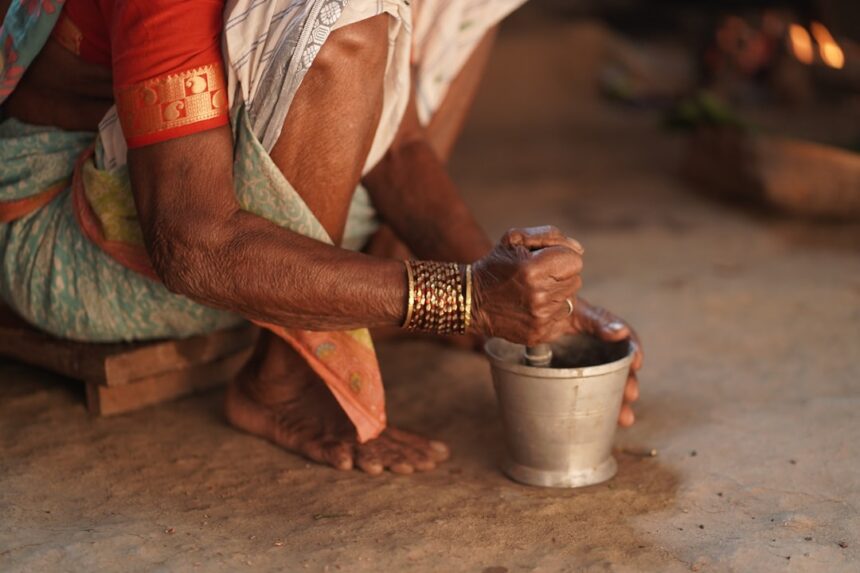
Many cultures possess rich traditions of herbalism, utilizing the healing properties of plants. Learning about traditional remedies, understanding the purpose behind their use, and perhaps even cultivating some of these plants can foster a deep connection to the earth and a practical approach to well-being. Imagine the subtle hum of life in a garden, a connection to generations who also found solace and healing in its bounty.
Identifying Culturally Relevant Herbs
Research which herbs were historically significant in the regions of your ancestors. Understand their traditional uses for ailments, spiritual purposes, or daily nourishment. This is not about replacing modern medicine but about recognizing the historical intelligence embedded in nature.
Sustainable Harvesting and Preparation
If you choose to work with herbs, learn about responsible harvesting practices to ensure their continued availability and to honor the plants themselves. Understanding traditional preparation methods, such as tinctures, salves, or teas, allows you to engage with these remedies in their authentic forms.
Culinary Traditions and Ancestral Foods
Food is a powerful connector to our past. The dishes your ancestors prepared not only sustained them but also reflected their environment, their values, and their celebrations. Recreating these meals can be a deeply nourishing experience, a direct taste of your heritage.
Understanding the Nutritional Wisdom
Many traditional diets were inherently balanced and nutrient-rich, often utilizing whole, unprocessed ingredients. Studying these culinary traditions can offer insights into healthy eating patterns that have stood the test of time.
The Act of Cooking and Sharing
The act of preparing ancestral meals, often using traditional techniques, can be a meditative and grounding experience. Sharing these meals with others can foster a sense of community and transmit cultural knowledge. It’s like passing a torch, your hands warmed by the flame of generations.
Embodied Practices: Movement and Ritual
The body holds memory and wisdom. Many ancestral traditions incorporated specific forms of movement, dance, or ritualistic action that promoted physical and emotional well-being.
Traditional Dance and Movement Forms
Explore indigenous dances or traditional movement practices associated with your ancestry. These are not just physical exercises but often carry spiritual or storytelling elements that can unlock emotional expression and release. Think of each movement as a word in an ancient language spoken by your body.
Creation of Personal Rituals
You can adapt or create personal rituals inspired by ancestral practices. This might involve daily moments of gratitude, specific ways of marking transitions, or regular practices that honor your lineage. These are personal sanctuaries you build within the architecture of your life.
The Psychological and Emotional Landscape of Ancestral Healing
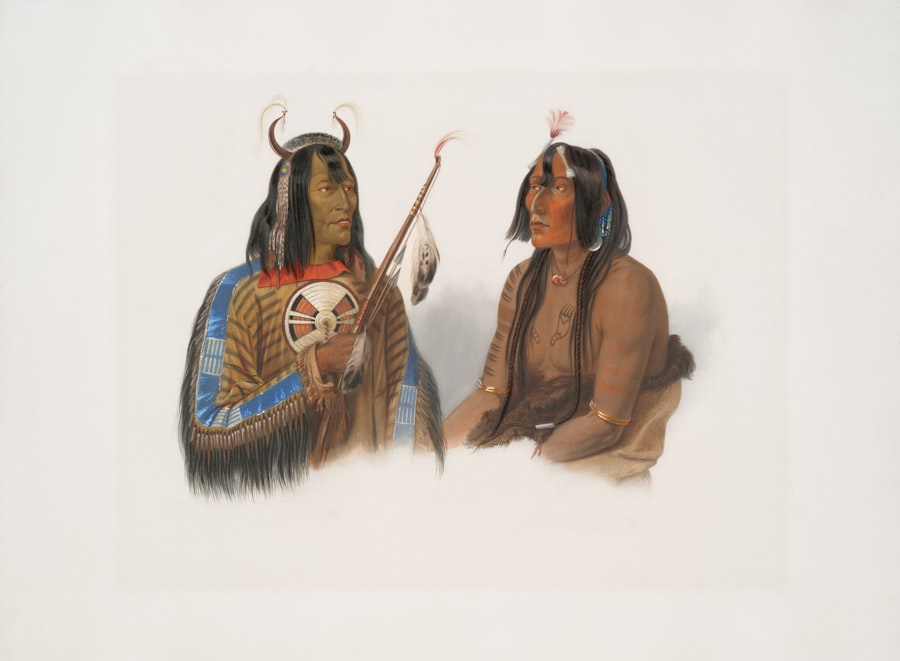
The benefits of engaging with ancestral practices extend beyond the practical; they deeply impact your psychological and emotional well-being, acting as a balm for the modern soul.
Cultivating a Sense of Identity and Belonging
One of the most significant impacts of reconnecting with your ancestry is the strengthening of your sense of identity. When you understand where you come from, you gain a clearer picture of who you are. This fosters a profound sense of belonging, anchoring you in a lineage that stretches back through time. Like a tree with deep roots, you become more resilient in the face of storms.
Bridging Generational Gaps
Understanding your ancestors’ lives and challenges can provide context for your own experiences, fostering empathy and self-compassion. It allows you to see that the struggles you face are not unique but part of a larger human narrative. You realize you are not walking this path alone, but as part of a long procession.
Counteracting Feelings of Isolation
In an increasingly individualistic world, ancestral practices offer a powerful antidote to feelings of isolation. By connecting with a collective past, you tap into a sense of communal support and shared history that can combat loneliness and nurture a feeling of being part of something bigger. You are a single note in a grand symphony, contributing to its richness.
Fostering Resilience and Emotional Regulation
Ancestral practices often provided individuals with robust mechanisms for coping with adversity and regulating emotions, knowledge that remains highly relevant today.
Learning from Ancestral Coping Strategies
By studying how your ancestors navigated difficult times, you can glean valuable insights into effective coping strategies. These might involve specific rituals for grief, methods for stress reduction, or philosophies that promoted acceptance and perseverance. You are inheriting a toolkit honed by experience.
Grounding and Mindfulness Through Tradition
Many ancestral practices inherently promote grounding and mindfulness. Ritualistic actions, connection to nature, and storytelling can bring you into the present moment, reducing rumination and anxiety. Imagine the steady rhythm of a heartbeat, a constant reminder of your aliveness.
Reclaiming and Honoring Your Narratives
Your ancestors’ stories are part of your own narrative. By learning, sharing, and honoring these stories, you reclaim a vital part of your heritage and contribute to its continued existence.
The Power of Storytelling for Healing
Sharing ancestral stories can be a cathartic experience, allowing you to process your own experiences within a larger context. It can also be a way of honoring those who came before you and ensuring their memories are not lost. Each story told is a ember rekindled.
Integrating Past Narratives into Present Self-Understanding
By consciously integrating the narratives of your ancestors into your understanding of yourself, you can challenge limiting beliefs and foster a more positive self-image. It’s like adding new colors to your personal palette, creating a more vibrant portrait of who you are.
Addressing Potential Challenges and Ethical Considerations
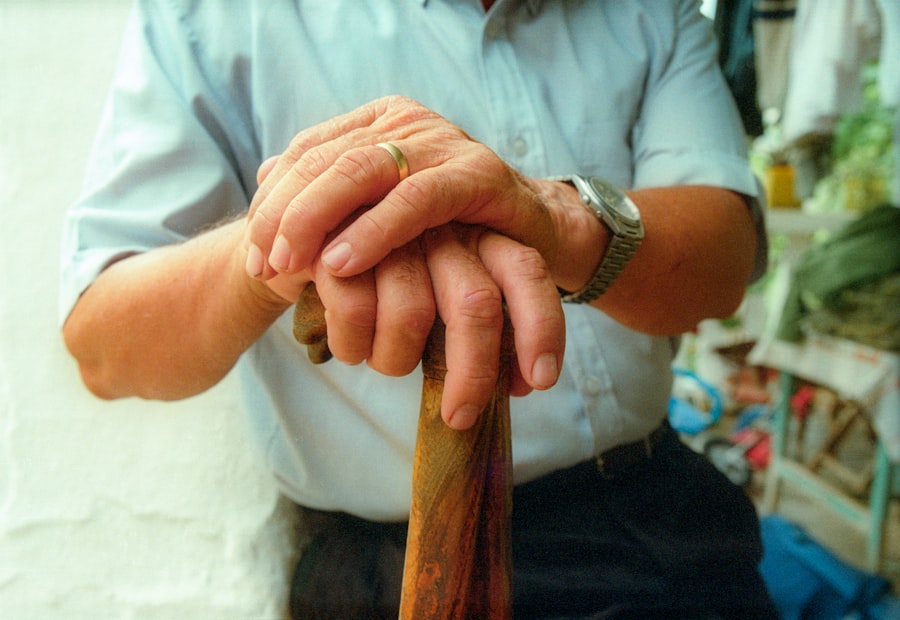
While the pursuit of ancestral healing can be deeply rewarding, it is important to approach it with awareness and sensitivity. Not all ancestral practices are inherently beneficial, and ethical considerations are paramount.
Discernment and Critical Evaluation
It is crucial to approach ancestral practices with discernment. Not every tradition is a source of unadulterated wisdom. Some practices may have been born out of necessity in specific historical circumstances and may not be appropriate or beneficial in your current context. A discerning mind acts as a filter, separating the valuable from the potentially harmful.
Distinguishing Between Beneficial and Harmful Practices
Engage in critical evaluation of the practices you encounter. Does a particular practice promote harm, subjugation, or discrimination? If so, it is essential to reject it, regardless of its historical origin. Your ethical compass must guide your exploration.
Avoiding Cultural Appropriation
Be mindful of the origins of practices and avoid appropriating them without understanding or respect. Engage with traditions in a way that honors their creators and context. True appreciation involves learning, respecting, and, where appropriate, building upon rather than simply taking.
The Role of Sacredness and Spirituality
Many ancestral practices are intertwined with spiritual beliefs and sacred principles. Approaching these with reverence and an understanding of their spiritual significance is crucial for genuine engagement.
Respecting Sacred Knowledge and Beliefs
When engaging with ancestral spiritual practices, approach them with humility and respect for the beliefs and worldview of their originators. Avoid treating sacred knowledge as mere curiosity or entertainment.
The Nuances of Spiritual Reconnection
Spiritual reconnection through ancestral practices can be a deeply personal journey. It may involve re-engaging with or developing new spiritual understandings that resonate with your lineage. This is a delicate dance between the inherited and the discovered.
Navigating the Emotional Terrain of Discovery
Unearthing your ancestry can sometimes unearth difficult or uncomfortable truths. Be prepared for this emotional landscape.
Confronting Difficult Histories and Trauma
Your ancestors may have experienced significant trauma, oppression, or hardship. Be prepared to confront these realities with compassion and a focus on healing, both for yourself and for the continuation of their legacy. This is about acknowledging the shadows as well as the light.
Seeking Support When Needed
If your exploration uncovers deeply troubling aspects of your ancestry or triggers intense emotional responses, do not hesitate to seek professional support from therapists or counselors who are sensitive to issues of cultural heritage and intergenerational trauma.
Ancestral healing practices have gained significant attention in recent years as individuals seek to reconnect with their roots and address generational trauma. These practices often involve rituals, storytelling, and meditation to honor one’s ancestors and heal familial wounds. For those interested in exploring this topic further, a related article can provide deeper insights into the various methods and benefits of ancestral healing. You can read more about it in this informative piece on Unplugged Psych, which delves into the transformative power of these ancient traditions.
Integrating Ancestral Wisdom into the Modern Fabric of Your Life
| Practice | Region/Culture | Purpose | Common Methods | Estimated Duration |
|---|---|---|---|---|
| Ancestor Veneration | East Asia (China, Japan, Korea) | Honor ancestors, seek guidance and blessings | Offerings, prayers, incense burning | Ongoing, often daily or during festivals |
| Shamanic Healing | Indigenous Americas, Siberia | Spiritual cleansing, connecting with ancestral spirits | Drumming, chanting, trance journeys | 1-3 hours per session |
| Ritual Cleansing (Limpieza) | Latin America | Remove negative energy passed from ancestors | Herbal baths, smoke cleansing (sage, copal) | 30 minutes to 1 hour |
| Family Constellations Therapy | Western Europe (Germany) | Resolve inherited family trauma | Group sessions, role-playing, guided visualization | 2-4 hours per session |
| Dream Incubation | Ancient Egypt, Indigenous cultures | Receive messages from ancestors | Pre-sleep rituals, meditation, dream journaling | Overnight |
The ultimate goal of engaging with ancestral practices is not to live in the past but to enrich your present and inform your future. This is about weaving the strong threads of your heritage into the vibrant tapestry of your modern existence.
Creating a Personalized Toolkit for Well-being
Your journey into ancestral practices is ultimately about building a personalized toolkit that supports your overall well-being. This is not about rigidly adhering to every ancient custom but about selecting and adapting practices that resonate with you and serve your needs. Imagine cura ting a personal alchemy lab, mixing and matching elements for your own unique potion of vitality.
Adapting Traditions to Contemporary Life
Recognize that some traditional practices may need adaptation to fit your modern lifestyle and social context. The spirit and intention behind the practice are often more important than its literal execution. Think of it as translating an ancient language into a modern dialect.
Finding Balance Between Ancestral and Modern Approaches
The goal is not to reject modern advancements or knowledge but to find a harmonious balance between ancestral wisdom and contemporary understanding. This integration can lead to a more holistic and effective approach to health and well-being. It is about having both feet firmly planted in the present while drawing strength from the roots of the past.
The Ongoing Practice of Connection
Reconnecting with your ancestry is not a one-time event but an ongoing practice. Like tending to a relationship, it requires continuous attention, learning, and engagement.
Cultivating a Daily or Weekly Practice
Integrate elements of your chosen ancestral practices into your daily or weekly routine. This could be a moment of quiet reflection, a traditional meal, or a simple ritual of gratitude. Consistency fosters deeper connection.
Passing on the Legacy
Consider how you can pass on the wisdom and practices you discover to future generations. This is a powerful way to honor your ancestors and ensure that their legacy continues to thrive. You become a bridge, connecting the past to the future.
The Transformative Potential of Reconnection
By consciously engaging with your ancestral practices, you unlock a profound capacity for healing, resilience, and self-understanding. You move from feeling like a solitary entity to a vital part of a continuous stream of life, imbued with the strength, wisdom, and love of those who came before you. This is not just about personal betterment; it is about reclaiming a fundamental aspect of your humanity. You are invited to become the mindful custodian of a precious inheritance, one that offers profound solace and enduring strength.
FAQs
What are ancestral healing practices?
Ancestral healing practices are traditional methods used to address emotional, spiritual, and physical issues by connecting with and honoring one’s ancestors. These practices often involve rituals, ceremonies, meditation, and storytelling to restore balance and promote well-being.
Which cultures commonly use ancestral healing practices?
Ancestral healing practices are found in many cultures worldwide, including Indigenous communities in Africa, the Americas, Asia, and Oceania. Examples include African ancestor veneration, Native American rituals, and Asian ancestral worship traditions.
What is the purpose of ancestral healing?
The purpose of ancestral healing is to resolve inherited traumas, strengthen family bonds, and gain guidance from ancestors. It aims to heal intergenerational wounds and promote personal and collective harmony.
Are ancestral healing practices recognized by modern medicine?
While ancestral healing practices are not typically part of conventional Western medicine, some aspects are acknowledged in holistic and integrative health approaches. Research on their psychological and social benefits is ongoing, but they are primarily considered complementary therapies.
How can someone begin practicing ancestral healing?
To begin ancestral healing, individuals often start by learning about their family history, engaging in reflective practices like meditation or journaling, and participating in cultural rituals or ceremonies. Consulting with knowledgeable elders or practitioners can also provide guidance and support.