
Your inner child is not a literal child residing within your psyche, but rather a metaphor for the unprocessed emotions, unmet needs, and formative experiences from your childhood that continue to influence your adult life. This internal landscape holds fragments of who you were – your joys, your fears, your vulnerabilities, and your dreams. These early experiences, particularly those tied to your primary caregivers, shape your understanding of yourself, your relationships, and the world around you. When these formative years are marked by significant stress, neglect, or trauma, the inner child can carry a burden of pain that manifests in adult behaviors and emotional patterns.
The Genesis of the Inner Child
The concept of the inner child draws from psychological theories that emphasize the lasting impact of early development. Developmental psychologists, such as Erik Erikson, identified distinct stages of psychosocial development, highlighting the critical nature of early trust, autonomy, initiative, and industry. Experiences within these stages, whether positive or negative, lay the foundation for your sense of self.
Early Attachment Styles and Their Echoes
Your earliest relationships, primarily with your parents or primary caregivers, establish your attachment style. Secure attachment, characterized by consistent responsiveness and availability, fosters a sense of safety and worthiness. In contrast, insecure attachment styles – anxious-preoccupied, dismissive-avoidant, and fearful-avoidant – arise from inconsistent or unreliable caregiving, leading to a persistent inner unease and a deep-seated belief that your needs may not be met or are even unwelcome. These early patterns act as blueprints for your adult relationships, often unconsciously drawing you to situations and people that mirror your childhood experiences.
The Scars of Unmet Needs
Every child has fundamental needs for love, validation, safety, and belonging. When these needs are consistently unmet, a child may develop coping mechanisms that become ingrained patterns in adulthood. Perhaps you learned to be overly agreeable to gain approval, or you became hypervigilant to anticipate potential threats. These “childhood survival skills”, though adaptive at the time, can hinder your ability to form healthy relationships and experience genuine emotional well-being as an adult.
Healing the inner child is a profound journey that can lead to personal growth and emotional resilience, especially when approached without the influence of narcissism. A related article that delves into this topic is available at Unplugged Psych, which offers insights on nurturing one’s inner self while maintaining healthy boundaries. For more information, you can read the article here: Healing the Inner Child Without Narcissism.
Recognizing the Manifestations of the Inner Child
The presence of an unhealed inner child is often revealed through recurring patterns of behavior and emotional responses that seem disproportionate to the current situation. These are not deliberate attempts to manipulate or deceive, but rather the automatic reactions of a younger self seeking to protect itself or find what it once lacked.
The Voice of Hurt: Triggers and Reactions
Certain situations, words, or even smells can act as powerful triggers, transporting you back to the emotional state of your inner child. A perceived criticism, for example, might elicit a defensive storm in an adult who, as a child, felt constantly judged. Similarly, a feeling of abandonment, even in a minor disagreement, might unleash a cascade of anxiety for someone whose childhood was marked by instability.
The Perfectionism Trap
A pervasive drive for perfectionism can be a sign of an inner child seeking external validation. If your childhood was characterized by conditional love – affection only granted when you achieved certain standards – you might carry this pressure into adulthood, believing your worth is contingent on being flawless. This can lead to procrastination, fear of failure, and an inability to accept imperfection in yourself or others.
The People-Pleasing Pendulum
The chronic need to please others, often at the expense of your own needs and desires, is another hallmark of an unhealed inner child. If you learned that your value or safety depended on being agreeable and avoiding conflict, you may find yourself constantly bending to the will of others, fearing rejection or disapproval if you assert yourself.
The Shadow of Self-Doubt
Deep-seated self-doubt, a persistent feeling of inadequacy, or imposter syndrome can stem from childhood experiences of being overlooked, belittled, or told you were not good enough. Your inner child may still believe these messages, making it difficult for you to recognize your strengths and accomplishments.
Embracing Self-Care: A Journey of Nurturing
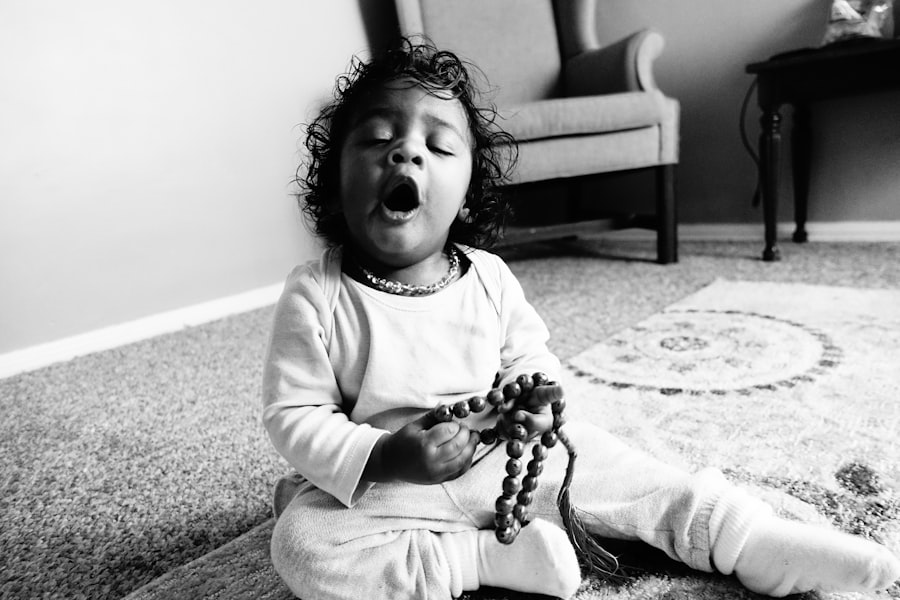
Self-care, when approached with an awareness of the inner child, transcends mere indulgence or pampering. It becomes an intentional act of meeting the emotional needs that were not fully satisfied in childhood, fostering a sense of safety, acceptance, and love for yourself. This is not about self-pity, but about compassionate self-acknowledgment.
The Foundation of Compassion and Acceptance
At the heart of healing the inner child lies the practice of self-compassion. This involves treating yourself with the same kindness, understanding, and patience you would offer to a dear friend, especially when you stumble or feel vulnerable. It means acknowledging that you are human, imperfect, and deserving of love, regardless of your achievements.
Validating Your Feelings
The inner child often carries a backlog of unexpressed emotions – sadness, anger, fear, shame. Validating these feelings, rather than dismissing them as childish or irrational, is a crucial step. This involves acknowledging that your emotions are real and have a source, even if that source is in the past. Think of it as creating a safe harbor for your emotional storms.
Meeting Unmet Needs with Present-Day Resources
Once you identify the unmet needs of your inner child, you can begin to address them in your adult life. If your inner child craved consistent attention, you can commit to scheduling regular self-reflection or mindfulness practices. If safety was a concern, you can create a secure and comforting physical environment for yourself. This is about proactively providing yourself with what you lacked.
The Gentle Art of Soothing
Soothing the inner child involves responding to your present-day distress with mindful presence and calming techniques. This is about teaching your nervous system that it is now safe to relax and be vulnerable.
Mindfulness and Grounding Techniques
Mindfulness practices, such as deep breathing, meditation, or body scans, can help you become more aware of your present-moment experience without judgment. Grounding techniques, like focusing on your five senses, can pull you out of a spiral of distressing thoughts and anchor you in the present reality. These techniques act as a gentle hand guiding your inner child back to the safety of the present.
Creative Expression as a Release Valve
Engaging in creative activities can provide a powerful outlet for the emotions and experiences of your inner child. Whether it’s journaling, painting, dancing, or playing music, these forms of expression allow for the non-verbal release of pent-up feelings and can offer new insights into your inner world.
Distinguishing Self-Care from Narcissism
It is crucial to differentiate genuine self-care aimed at healing the inner child from the self-absorption and grandiosity often associated with narcissism. While both may involve a focus on the self, their underlying motivations and impacts are fundamentally different.
The Root of the Matter: Motivation and Intent
The core distinction lies in motivation. Self-care for the inner child arises from a place of vulnerability, a desire for healing, and a recognition of shared humanity. It is about self-nurturing to achieve greater well-being and capacity for authentic connection. Narcissism, conversely, stems from a fragile ego, a desperate need for admiration, and a profound lack of empathy.
Self-Care: A Foundation for Connection
When you engage in self-care rooted in inner child work, the ultimate aim is to become more present, emotionally available, and capable of forming deeper, more authentic connections with others. You are strengthening your own foundation so you can offer more to the world.
Narcissism: A Shield of Grandiosity
Narcissistic self-care, if it can be called that, is often characterized by an emphasis on external validation, self-aggrandizement, and a disregard for the needs and feelings of others. It is a performance designed to maintain a carefully constructed image, not a genuine act of self-nurturing or a pathway to connection.
The Impact on Relationships
The outward manifestations of self-care and narcissism also differ significantly. Healthy self-care enriches your relationships, while narcissistic behavior erodes them.
Empathy and Reciprocity in Self-Care
As you heal your inner child, your capacity for empathy often grows. You become more attuned to the emotions of others because you have learned to attune to your own. This allows for reciprocal relationships built on mutual respect and understanding.
The Narcissistic Exploitation of Others
In contrast, individuals with narcissistic tendencies often view others as chess pieces in their own game, to be manipulated for personal gain. Their “self-care” often involves demanding others cater to their needs while offering little in return, leading to imbalanced and ultimately damaging relationships.
Healing the inner child is a vital process for personal growth and emotional well-being, especially for those who have experienced the effects of narcissism in their lives. A related article that delves into this topic can be found on Unplugged Psych, which offers insightful strategies for nurturing your inner self without the influence of narcissistic patterns. By exploring the concepts presented in this article, individuals can learn to reconnect with their authentic emotions and foster a healthier relationship with themselves.
Practical Approaches to Inner Child Healing
| Metric | Description | Measurement Method | Target Outcome |
|---|---|---|---|
| Self-Compassion Level | Degree of kindness and understanding towards oneself | Self-Compassion Scale (SCS) questionnaire | Increase in self-compassion scores without self-centeredness |
| Emotional Awareness | Ability to recognize and accept inner child emotions | Emotional Awareness Questionnaire (EAQ) | Improved emotional recognition and regulation |
| Boundary Setting | Capacity to establish healthy interpersonal boundaries | Self-report boundary assessment | Consistent and respectful boundary maintenance |
| Empathy Towards Others | Ability to understand and share feelings of others | Interpersonal Reactivity Index (IRI) | High empathy without narcissistic traits |
| Self-Reflection Frequency | Regularity of introspective practices | Journaling logs or self-report | Consistent self-reflection fostering growth |
| Reduction in Narcissistic Traits | Decrease in behaviors such as entitlement and lack of empathy | Narcissistic Personality Inventory (NPI) | Lower scores indicating healthier self-concept |
| Inner Child Connection | Quality of relationship with one’s inner child | Therapeutic assessment and self-report | Authentic nurturing without self-absorption |
Healing the inner child is an ongoing process, not a destination. It involves consistent effort, self-awareness, and a willingness to explore your inner landscape with courage and compassion.
Journaling as an Inner Dialogue
Journaling provides a safe and private space to converse with your inner child. You can write letters to your younger self, acknowledging past hurts and offering the comfort and reassurance you needed then. You can also explore recurring thoughts and feelings, tracing their origins back to childhood experiences. This is like holding a lamp in the dark corners of your past.
Unpacking Childhood Memories
Delving into significant childhood memories can be challenging but is often necessary for healing. This does not require reliving trauma in a destructive way, but rather approaching these memories with a present-day perspective, acknowledging the child’s experience and offering adult support.
Identifying Core Beliefs
Through journaling and reflection, you can uncover the core beliefs about yourself and the world that were formed in childhood. For instance, you might discover a belief that you are unlovable, or that the world is inherently dangerous. Once identified, these beliefs can be challenged and reframed.
Archetypal Work and Symbolic Exploration
Often, the inner child’s unexpressed needs and emotions can be understood through symbolic language and archetypal imagery. This can be explored through various methods, offering alternative pathways to understanding.
Sandplay Therapy and Figurative Representation
Therapeutic approaches like sandplay therapy allow individuals to create miniature worlds using sand and figurines, visually representing their inner landscape and resolving conflicts non-verbally. This can be a powerful way for the inner child to communicate without words.
Dream Analysis as a Window to the Subconscious
Dreams are often considered the language of the subconscious, and exploring them can offer valuable insights into the unmet needs and suppressed emotions of your inner child. Analyzing recurring symbols or themes in your dreams can reveal underlying patterns of longing or fear.
Setting Healthy Boundaries
Establishing and maintaining healthy boundaries is a vital component of both self-care and protecting your inner child from further harm. This means learning to say no, prioritizing your needs, and communicating your limits assertively.
The Art of Saying “No”
Learning to decline requests that overextend you or compromise your well-being is not selfish; it is an act of self-preservation. It signals to yourself and others that your time, energy, and emotional resources are valuable.
Assertive Communication Skills
Developing assertive communication skills allows you to express your needs, feelings, and opinions directly and respectfully, without resorting to aggression or passivity. This empowers you to advocate for yourself and your inner child’s needs.
The Cultivation of a Reintegrated Self
Healing the inner child is ultimately about reintegration – bringing the fragmented parts of yourself into a cohesive and harmonious whole. This leads to a more authentic, resilient, and emotionally intelligent adult.
Embracing Wholeness and Authenticity
As you integrate your inner child, you begin to shed the masks and personas you may have adopted to cope with past hurts. This allows for a more genuine expression of your true self, embracing both your strengths and your vulnerabilities.
The Power of Vulnerability
Vulnerability is not weakness; it is the doorway to intimacy and connection. When you can embrace your imperfections and share them authentically, you create space for others to do the same, fostering deeper and more meaningful relationships.
Living from a Place of Inner Security
With a healed inner child, you cultivate a sense of inner security that is not dependent on external validation or circumstances. This inner resilience allows you to navigate life’s challenges with greater equanimity and a more profound sense of self-worth.
The Ripple Effect on External Relationships
The internal work of healing your inner child inevitably transforms your external relationships. You become a more compassionate partner, a more understanding friend, and a more present individual in all your interactions.
Fostering Deeper Connections
By tending to your own emotional needs, you develop a greater capacity to understand and support the needs of others. This leads to relationships built on mutual respect, empathy, and genuine connection.
Contributing to a More Compassionate World
Ultimately, the journey of healing the inner child contributes to a more compassionate and understanding world. As more individuals embrace self-care and emotional integration, the collective ripple effect extends outwards, fostering greater empathy and connection among us all.
FAQs
What does healing the inner child mean?
Healing the inner child refers to the process of addressing and resolving past emotional wounds and unmet needs from childhood. It involves acknowledging and nurturing the vulnerable parts of oneself to promote emotional well-being and personal growth.
How can healing the inner child be done without fostering narcissism?
Healing the inner child without fostering narcissism involves focusing on self-compassion, empathy, and realistic self-awareness rather than self-centeredness. It requires balancing self-care with humility and maintaining healthy relationships by recognizing others’ needs alongside one’s own.
What are common signs that indicate a need to heal the inner child?
Common signs include recurring feelings of abandonment, low self-esteem, difficulty trusting others, emotional triggers linked to childhood experiences, and patterns of self-sabotage or unhealthy relationships.
What techniques are commonly used in inner child healing?
Techniques include guided visualization, journaling, therapy (such as cognitive-behavioral therapy or inner child work), mindfulness practices, and expressive arts. These methods help individuals connect with and nurture their inner child in a safe and constructive way.
Can healing the inner child improve mental health?
Yes, healing the inner child can lead to improved mental health by reducing emotional distress, enhancing self-esteem, fostering healthier relationships, and promoting emotional resilience. It helps individuals process past trauma and develop healthier coping mechanisms.