
You stand at a crossroads in your understanding of human connection. The concept of empathy, often relegated to the realm of soft skills or innate disposition, is more akin to a muscle you can train, a system you can optimize. This optimization becomes particularly potent when intertwined with the principle of urgency. You’re not merely discussing a feeling; you’re exploring a strategic advantage, a means to accelerate understanding and foster impactful interaction.
Empathy, often misunderstood as simply feeling someone else’s emotions, is a multifaceted construct. You can dissect it into various components, each trainable and essential for its effective application.
Cognitive Empathy: Stepping into Their Mind
Cognitive empathy, also known as perspective-taking, involves your ability to intellectually understand another person’s thoughts, feelings, and intentions. It’s like a mental simulation where you construct a model of their internal world. You don’t necessarily feel what they feel, but you grasp why they might feel it. This is crucial for predicting behavior and formulating effective responses.
- Information Gathering: To develop cognitive empathy, you must actively seek data. This involves paying close attention to verbal cues, body language, and the context of a situation. You’re not just hearing words; you’re interpreting their underlying meaning and personal significance.
- Hypothesis Testing: Once you have information, you form hypotheses about their motivations and emotional state. You then test these hypotheses through further observation and, if appropriate, gentle questioning. You’re constantly refining your mental model.
- Avoiding Assumptions: A significant pitfall in cognitive empathy is the tendency to project your own beliefs and experiences onto others. You must consciously work to disengage your own biases and genuinely attempt to see the world from their unique vantage point.
Emotional Empathy: Feeling Their Resonance
Emotional empathy, or affective empathy, involves your capacity to share or resonate with another person’s emotions. This is the aspect often associated with the “feeling what they feel” cliché, but it’s more nuanced. It’s not about becoming them; it’s about experiencing a sympathetic emotional response.
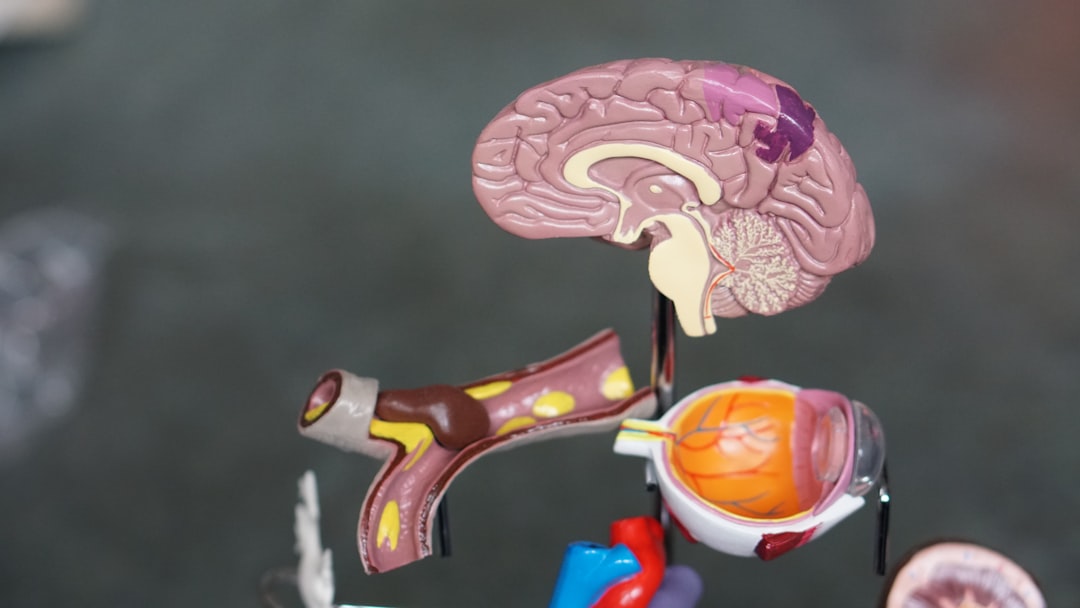
- Mirror Neuron Systems: Your brain possesses mirror neurons that fire both when you perform an action and when you observe someone else performing the same action. Similarly, these systems are implicated in your emotional responses to others, contributing to the experience of emotional resonance.
- Distinguishing Contagion from Empathy: It’s vital to differentiate emotional empathy from emotional contagion. Contagion is when you passively absorb another person’s emotion, often without fully understanding its source or context. Emotional empathy, in contrast, involves a conscious, directed attunement. You feel with them, not just like them.
- Regulating Your Own Emotions: To effectively engage in emotional empathy, you must possess a degree of emotional self-regulation. If you are overwhelmed by another person’s distress, you become less effective at providing support or understanding. You need to maintain a capacity for thoughtful response.
Compassionate Empathy: The Call to Action
Compassionate empathy, sometimes called empathic concern, goes beyond understanding and feeling. It adds the element of desire to help. It’s where empathy transforms into prosocial behavior. You recognize their suffering or need, you resonate with it, and you are moved to alleviate it.
- Motivational Component: This aspect of empathy fuels your drive to make a positive difference. It’s the engine that propels you from passive observation to active intervention.
- Ethical Implications: Compassionate empathy is deeply intertwined with ethical considerations. It encourages you to consider the well-being of others and to act in ways that promote their flourishing.
- Problem-Solving Focus: When compassionate empathy is engaged, your mind naturally shifts towards problem-solving. You’re not just acknowledging a difficult situation; you’re seeking solutions and pathways to improvement.
In exploring the intricate relationship between urgency and empathy, a compelling article titled “The Psychology of Urgency: How It Hacks Our Empathy” delves into the ways in which time-sensitive situations can manipulate our emotional responses. This piece highlights how marketers and communicators often leverage urgency to elicit a stronger empathetic reaction from their audience, prompting them to act quickly. For a deeper understanding of this phenomenon, you can read the article here: The Psychology of Urgency: How It Hacks Our Empathy.
The Catalyst of Urgency: Why Now Matters
Integrating urgency into your empathic practice elevates its effectiveness from a passive understanding to an impactful force. Urgency, in this context, is not about frantic haste, but about recognizing the time-sensitive nature of opportunities for connection and assistance. It’s about seizing the moment.
The Fleeting Window of Vulnerability
People are often most receptive to empathy and support during periods of vulnerability or crisis. This period, however, is often fleeting. The longer you wait, the more likely the window closes, leaving the individual to cope alone or seek help elsewhere.
- The Psychological Impact of Delay: When someone is in distress, delays in receiving understanding or support can exacerbate their feelings of isolation or hopelessness. Your timely intervention can significantly alter their experience.
- Building Trust in the Moment: A rapid, genuine empathic response in a time of need builds trust more effectively than a delayed, albeit well-intentioned, gesture. It demonstrates your commitment and presence.
- Preventing Escalation: Addressing issues with urgency can prevent them from escalating. A small problem, met with prompt empathy, might be resolved quickly, whereas neglect can allow it to fester and grow.
Bridging the Empathy Gap with Speed
The empathy gap refers to the disparity between your perception of someone’s situation and their actual experience. Urgency can help you close this gap more quickly, accelerating your understanding and response.
- Real-time Feedback Loops: Engaging with urgency often necessitates being present in real-time, allowing for immediate feedback and iterative refinement of your empathic understanding.
- Minimizing Cognitive Dissonance: When you observe someone in need and delay your empathic response, you can experience cognitive dissonance – a mental discomfort arising from holding conflicting beliefs or performing an action that goes against your values. Prompt action alleviates this.
- Opportunity for Co-Creation: When you respond with urgency, you create an opportunity for co-creation of solutions or understanding. You and the other person embark on a shared journey towards resolution.
Practical Applications of Urgent Empathy

Implementing urgent empathy is not an abstract endeavor; it has tangible applications in various aspects of your life, from personal relationships to professional environments.
In Personal Relationships: Nurturing Bonds
Your personal relationships thrive on timely understanding and support. Urgent empathy ensures that moments of connection are not missed.
- Active Listening in Crisis: When a loved one shares a problem, your urgent empathic response involves dropping distractions, making eye contact, and offering full, undivided attention. You’re not just hearing; you’re absorbing.
- Prompt Validation: Often, what people need most urgently is validation of their feelings. Even if you don’t have a solution, acknowledging and affirming their emotional state immediately can provide immense comfort.
- Responsive Support: If a friend expresses a need for assistance, an urgent empathic response means assessing your capacity and offering help promptly, rather than delaying or making vague promises.
In Professional Settings: Driving Collaboration and Productivity
In the workplace, urgent empathy fosters better teamwork, improves communication, and boosts overall productivity. It transforms reactive responses into proactive engagement.
- Addressing Team Member Concerns: When a team member expresses a challenge or frustration, an urgent empathic leader listens, acknowledges their perspective, and collaboratively seeks solutions, rather than dismissing or delaying.
- Customer Service Excellence: In customer interactions, urgent empathy translates to swiftly understanding customer pain points and actively working towards a resolution. The speed of accurate resolution is often as important as the resolution itself.
- Conflict Resolution: During workplace conflicts, urgent empathy involves facilitating communication sessions where all parties feel heard and understood without undue delay, preventing grievances from festering.
Overcoming Obstacles to Urgent Empathy

Despite its clear benefits, you may encounter several obstacles when attempting to practice urgent empathy. Recognizing these hurdles is the first step towards overcoming them.
The Tyranny of Your Own Agenda
Often, your internal priorities and current tasks can overshadow the immediate needs of others, leading you to deprioritize empathic responses.
- Mindfulness and Prioritization: You must consciously cultivate mindfulness of when opportunities for empathy arise. This requires a willingness to temporarily shift your focus from your immediate tasks.
- Boundary Setting: While urgent empathy is important, it’s also crucial to set healthy boundaries. You cannot always drop everything, but you can communicate your current limitations and propose an alternative, prompt solution.
- Delegation and Support Structures: In professional contexts, if you are genuinely unable to provide an urgent empathic response, consider whether you can delegate or direct the individual to someone who can, ensuring their needs are still met promptly.
Fear of Emotional Overwhelm
Engaging in emotional empathy, especially with urgency, can be taxing. You might subconsciously shy away from it to protect yourself from emotional fatigue.
- Emotional Regulation Techniques: Practice mindfulness, deep breathing, and other emotional regulation techniques. These tools empower you to engage with difficult emotions without becoming consumed by them.
- Self-Compassion: Remember that you are also a human being with emotional limits. Practice self-compassion. After a particularly demanding empathic interaction, allow yourself time to decompress and recharge.
- Seek Support for Yourself: If you frequently find yourself overwhelmed by empathic engagement, consider seeking support from a therapist or counselor who can help you develop coping strategies.
Lack of Practical Skills
Sometimes, the hindrance isn’t a lack of willingness, but a deficit in the practical skills required for effective and urgent empathic communication.
- Training and Development: Actively seek out training in communication, active listening, and conflict resolution. These skills are fundamental to expressing empathy effectively and promptly.
- Role-Playing and Practice: Engage in role-playing exercises to practice navigating difficult conversations or responding to challenging situations with empathy. The more you practice, the more natural and urgent your responses will become.
- Seeking Feedback: Ask trusted colleagues or friends for honest feedback on your empathic communication style. Constructive criticism can highlight areas for improvement in your timely and effective expression of empathy.
In exploring the intricate relationship between urgency and empathy, one can gain valuable insights from a related article that discusses how time constraints can manipulate emotional responses. This phenomenon is particularly evident in marketing strategies where a sense of urgency is created to prompt immediate action from consumers. For a deeper understanding of this concept, you can read more about it in the article on Unplugged Psychology, which delves into the psychological mechanisms behind urgency and its impact on our empathetic responses.
The Long-Term Returns of Urgent Empathy
| Metric | Description | Example | Impact on Empathy |
|---|---|---|---|
| Response Time Pressure | Creating a sense that immediate action is required | “Act now! Only 10 minutes left to help.” | Increases emotional engagement by triggering fear of missing out |
| Limited Availability | Implying scarcity to prompt quick decisions | “Only 3 spots left to support this cause.” | Heightens perceived importance, boosting empathetic response |
| Emotional Storytelling with Deadlines | Sharing urgent personal stories with time constraints | “This child needs surgery within 24 hours.” | Amplifies urgency, making empathy feel more immediate and necessary |
| Countdown Timers | Visual timers showing time left to act | Timer counting down from 1 hour on donation page | Creates pressure that can intensify empathetic impulses |
| Urgent Language Usage | Words like “urgent,” “emergency,” “now” | “Emergency relief needed now!” | Triggers quick emotional response, enhancing empathy |
While the immediate benefits of urgent empathy are compelling, such as improved relationships and problem resolution, the long-term returns are even more profound. You are not just addressing individual instances; you are cultivating a culture.
Fostering a Culture of Responsiveness and Care
When you consistently practice urgent empathy, you set a precedent. Others observe your behavior and are more likely to emulate it, thereby fostering a broader culture of responsiveness and care within your social or professional circles.
- Role Modeling: Your actions serve as a powerful example. When you prioritize prompt, empathic responses, you demonstrate the value of this approach to others.
- Increased Psychological Safety: In environments where urgent empathy is prevalent, individuals feel safer expressing their concerns, knowing they will be heard and supported without undue delay. This psychological safety is crucial for innovation and growth.
- Enhanced Reputation: As an individual, your reputation for being a responsive and empathic person will grow, attracting stronger relationships and opportunities for collaboration.
Building Resilience and Stronger Networks
Urgent empathy doesn’t just solve immediate problems; it fortifies relationships and strengthens the collective resilience of networks.
- Deeper Connections: Relationships built on consistent, timely empathy are more robust and enduring. The knowing that you will be there in a moment of need creates a profound sense of security.
- Mutual Support Systems: When you extend urgent empathy, you are more likely to receive it in return. This mutual exchange creates powerful support systems that can withstand challenges.
- Systemic Problem Solving: In organizations, a culture of urgent empathy can lead to more efficient and effective systemic problem-solving. Issues are identified and addressed quickly, preventing them from becoming deeply entrenched.
In essence, you are not merely “hacking” empathy in the sense of finding a shortcut, but rather optimizing its delivery and impact through the strategic application of urgency. You are moving beyond passive understanding to active, timely, and transformative engagement. The power lies not just in your capacity to feel, but in your readiness to act when it matters most. Embrace this, and you will find your connections deepened, your influence amplified, and your capacity for positive impact significantly expanded.
WARNING: Your Empathy Is a Biological Glitch (And They Know It)
FAQs
What does it mean to use urgency to hack empathy?
Using urgency to hack empathy refers to creating a sense of immediate need or crisis to elicit a quick emotional response from people. This tactic leverages the natural human tendency to react strongly to urgent situations, often bypassing critical thinking and encouraging rapid decisions based on empathy.
Why is urgency effective in influencing people’s emotions?
Urgency triggers the brain’s fight-or-flight response, heightening emotional sensitivity and reducing the ability to analyze situations calmly. This heightened emotional state makes individuals more likely to respond empathetically and take action quickly, sometimes without fully considering the context or consequences.
In what contexts is urgency commonly used to hack empathy?
Urgency is often used in marketing, fundraising, political campaigns, and social media to prompt immediate support or action. For example, charities may highlight urgent crises to encourage donations, or advertisers might use limited-time offers to drive quick purchases by appealing to empathetic concerns.
Can using urgency to hack empathy have negative consequences?
Yes, overusing or manipulating urgency can lead to emotional fatigue, skepticism, and reduced trust. When people feel repeatedly pressured or manipulated, they may become desensitized or cynical, which can undermine genuine empathetic responses and long-term engagement.
How can individuals protect themselves from being manipulated by urgency-based appeals?
Individuals can protect themselves by pausing to assess the situation critically, verifying information from reliable sources, and considering whether the urgency is justified. Developing awareness of emotional triggers and practicing mindful decision-making can help prevent impulsive reactions driven solely by urgent appeals.