
Here are your guidelines for spiritual awakening, framed as clinical protocols, presented in a factual, second-person perspective, ready for your perusal.
Before embarking on the profound journey of spiritual awakening, it is crucial to establish a baseline and prepare the ground. Think of this phase as a meticulous soil analysis before planting a delicate seed; understanding the existing conditions ensures optimal growth. This involves a multi-faceted assessment, looking at your current mental, emotional, physical, and social environment. Without this foundational understanding, the transformative energies of awakening can be akin to a powerful current in an unnavigated river – potentially overwhelming rather than guiding.
Holistic Health Evaluation
Your physical vessel is the primary vehicle for your spiritual journey. Therefore, a comprehensive medical evaluation is not merely recommended; it is a foundational requirement. This assessment goes beyond addressing acute illnesses.
Cardiovascular Health Check
The heart, both anatomically and metaphorically, is central. Elevated heart rate, blood pressure irregularities, or underlying cardiac conditions can be exacerbated by the intense energetic shifts associated with awakening. You need to ensure your physical heart can withstand the energetic pressures. Consult with a cardiologist to identify any pre-existing vulnerabilities or concerns. This is about building a resilient engine for the journey ahead.
Neurological and Endocrine System Scans
The brain and hormonal systems are the command centers of your being. Sudden shifts in perception, unusual sensory experiences, or profound emotional fluctuations often have a tangible neurological or endocrine component. Understanding the baseline function of these systems allows for the differentiation between potentially significant medical issues and the novel experiences of awakening. Regular check-ups with a neurologist and endocrinologist can help monitor for any anomalies. This acts as a fine-tuning of your internal instruments.
Nutritional and Sleep Pattern Analysis
Your diet and sleep are fundamental to your energetic regulation. Poor nutrition can lead to imbalances that mimic or amplify the disorienting aspects of awakening, while inadequate sleep degrades your capacity to process complex internal shifts. A registered dietitian can help you optimize your intake for sustained energy and mental clarity. Likewise, a sleep specialist can address any underlying sleep disorders that might impede this crucial restorative process. Think of sleep as the nightly data processing and repair cycle for your inner operating system.
Psychological and Emotional Screening
The mind is often the most deeply impacted domain during spiritual awakening. A thorough psychological screening serves to identify existing patterns that might complicate or enhance the awakening process. This is not about diagnosing pathology, but about understanding the architecture of your current mental landscape.
Baseline Mental Health Assessment
Before diving into the depths, it’s essential to understand the surface conditions. This includes evaluating for pre-existing conditions such as anxiety disorders, depression, or trauma. While awakening can certainly address these, a sudden intensification without proper support can be detrimental. A clinical psychologist can help you understand your current coping mechanisms and identify any areas that might require additional therapeutic support. This is like mapping your existing psychological terrain before venturing into uncharted territories.
Emotional Regulation Capacity Evaluation
Spiritual awakening often brings forth a tidal wave of emotions. Assessing your current capacity to regulate these emotions is paramount. Do you tend to suppress, explode, or effectively process your feelings? This evaluation will help you develop strategies for navigating intense emotional flux without becoming overwhelmed. Techniques such as mindfulness, journaling, and somatic experiencing can be recommended. This is about building emotional buoyancy in sometimes turbulent waters.
Identification of Attachment Styles and Core Beliefs
Your attachment styles, formed in early life, and your deeply ingrained core beliefs often act as the fundamental programming for your interactions with yourself and the world. Awakening can challenge these deeply held structures. Understanding them upfront allows for a more conscious dismantling or integration, rather than a chaotic shattering. This involves introspective work, possibly guided by a therapist, to uncover these foundational elements.
Social and Environmental Contextualization
Your awakening does not occur in a vacuum. The social and environmental factors surrounding you play a significant role in how you experience and integrate these shifts.
Support System Assessment
Inquire about the strength and nature of your social support network. Do you have individuals in your life who are understanding, compassionate, and open to unconventional experiences? A robust support system can act as an anchor during periods of disorientation. Conversely, isolating yourself or being surrounded by disbelief can be detrimental. Identifying potential allies and communicating your needs is a vital step. This is about ensuring you have a reliable safety net.
Environmental Stressors and Resources
Consider the external pressures and resources in your daily life. Are you currently in a high-stress job, a volatile relationship, or an environment that feels chronically draining? Identifying these elements allows for the development of strategies to mitigate their impact. Conversely, identifying environments that feel nurturing and supportive can be leveraged. This might involve suggesting a temporary reduction in demanding work, seeking a more peaceful living situation, or consciously seeking out nature. This is about creating a conducive external habitat for your internal blossoming.
For those interested in exploring the intersection of clinical protocols and spiritual awakening, a valuable resource can be found in the article on Unplugged Psych. This article delves into various methodologies and therapeutic approaches that facilitate spiritual growth while maintaining a clinical framework. To read more about these innovative practices, visit the following link: Unplugged Psych.
The Entry Point: Initiating Transformative Practices
Once a thorough assessment has been completed, the next phase involves the careful introduction of practices designed to initiate and guide the awakening process. This is not about forcing a transformation, but rather about creating fertile ground for natural unfolding, like gently coaxing a bud to open. These protocols emphasize a gradual, integrated approach, respecting the individual’s pace and capacity.
Mindful Presence and Embodiment
Cultivating awareness of the present moment and the physical sensations within your body are cornerstones of awakening. These practices anchor you to reality while simultaneously opening you to subtler energetic flows.
Body Scan Meditations
Through regular body scan meditations, you learn to systematically bring awareness to different parts of your body, noticing sensations without judgment. This practice enhances interoception – your awareness of your internal bodily states – which is crucial for recognizing and interpreting energetic shifts. This is like learning to read the internal barometer of your being.
Centering and Grounding Exercises
When energetic shifts become disorienting, grounding exercises become an invaluable tool. Techniques like visualization of roots extending from your feet into the earth, or focusing on the sensation of your feet on the ground, can help you regain a sense of stability. Centering involves finding your core essence, often through focused breathwork or a gentle mental focus on your core. This is your internal north star, guiding you back to your center.
Gentle Somatic Movement
Practices like gentle yoga, Tai Chi, or Qigong encourage a harmonious flow of energy throughout the body. These movements are not about strenuous exercise but about releasing energetic blockages and fostering a greater sense of somatic awareness. They help you to become more attuned to the subtle energetic currents that underpin your physical and emotional states. This is like learning to dance with the subtle energies that course through you.
Cultivating Inner Silence and Stillness
The modern world is a cacophony of external stimuli. Awakening often requires a willingness to step away from this noise and cultivate inner stillness, creating space for deeper insights to emerge.
Structured Meditation Periods
Regular, dedicated meditation periods are essential. These can range from short, daily practices of 5-10 minutes to longer, more immersive sessions. The key is consistency and finding a style that resonates with you, whether it’s Vipassana, loving-kindness, or silent observation. This is about creating intentional pauses in the relentless stream of thought.
Nature Immersion and Quiet contemplation
Spending time in natural environments can significantly aid in quieting the mind and fostering a sense of connection. The inherent stillness and rhythms of nature act as a powerful balm to an overstimulated nervous system. Encourage periods of unstructured, contemplative time in natural settings. This provides a mirroring of the inner quiet you are cultivating.
Digital Detox and Sensory Minimization
Consciously reducing exposure to digital media, artificial lights, and loud environments can be profoundly beneficial. This sensory minimization allows your nervous system to downregulate and creates space for subtler perceptions to arise. This isn’t about complete isolation, but about intentional periods of reduced sensory input. This is akin to dimming the lights to see the stars more clearly.
Intentional Inquiry and Self-Reflection
Awakening often prompts profound questions about the nature of reality, the self, and purpose. Structured inquiry and self-reflection provide a framework for exploring these questions constructively.
Journaling Prompts for Exploration
Provide specific journaling prompts designed to explore emerging perceptions, emotional shifts, and intuitive insights. For example: “What is my deepest fear about this unfolding awareness?” or “Where do I feel a sense of expansion or contraction in my body right now?” This encourages active engagement with the awakening process. This is like using a compass to navigate your inner landscape.
Contemplative Questioning Techniques
Introduce methods like Socratic questioning applied to one’s own beliefs and experiences. Instead of blindly accepting new understandings, encourage a process of gentle inquiry. For example, if a new belief arises, ask: “What evidence do I have for this belief?” or “What are the potential implications if this belief is true?” This fosters critical yet open-minded exploration. This is like a skilled detective examining all the evidence before reaching a conclusion.
Dream Analysis and Symbol Interpretation
Dreams are fertile ground for subconscious exploration during awakening. Encourage the practice of dream journaling and a curious, non-judgmental approach to interpreting symbols. This can offer profound insights into unconscious patterns and emerging energetic states. This is like deciphering ancient hieroglyphs that reveal hidden messages from your inner depths.
Navigating the Currents: Managing Transformative Energies
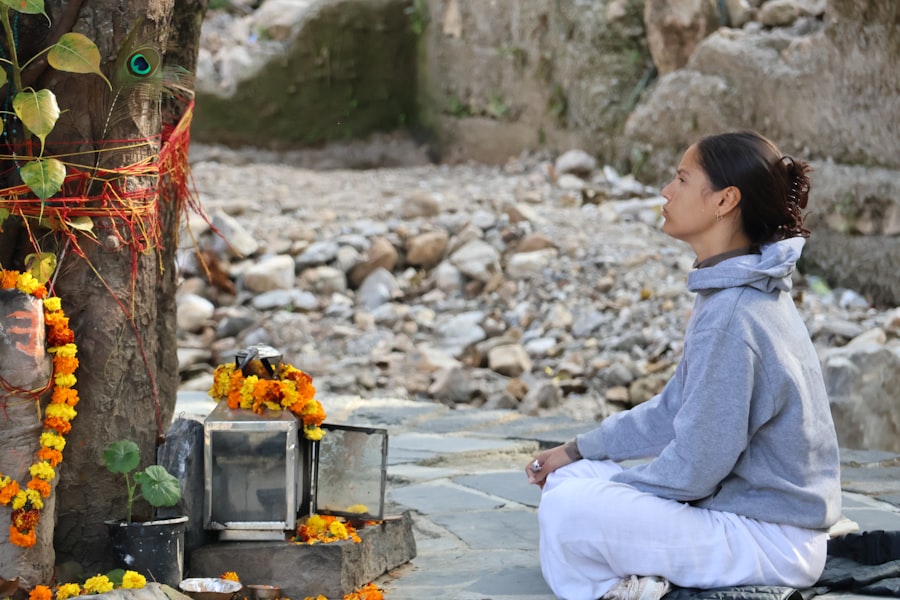
As awakening progresses, you will likely encounter periods of intense energetic flux. These can manifest as shifts in consciousness, heightened senses, or profound emotional releases. Learning to navigate these currents with skill and resilience is paramount to avoid feeling adrift. This phase is about developing an inner compass and robust sea legs for the transformative voyage.
Energetic Hygiene and Regulation Techniques
Just as physical hygiene prevents illness, energetic hygiene helps maintain balance and prevent energetic overwhelm during awakening. Establishing routines for clearing and grounding your energy field is essential.
Energetic Clearing Practices
Introduce practices designed to release stagnant or discordant energies from your personal energetic field. This can include visualization of light clearing your aura, smudging with traditional herbs (where culturally appropriate and safe), or sound baths. The goal is to prevent energetic debris from accumulating and clouding your awareness. This is like sweeping the dust from your inner windows.
Soul Retrieval and Integration Exercises
Periods of intense emotional release or perceived fragmentation can occur. Exercises focused on “soul retrieval” (a term often used metaphorically in this context, referring to the reintegration of dissociated parts of the self) can be beneficial. This might involve guided visualizations to call back lost parts of your energy or essence, or therapeutic work aimed at integrating fragmented aspects of the personality. This is about weaving the scattered threads of your being back into a cohesive tapestry.
Chakra Balancing and Energy Flow Activation
Understanding and working with the body’s energy centers (chakras) can be a powerful tool for regulation. Guided meditations or practices aimed at balancing and activating these centers can help harmonise the flow of life force energy. This facilitates smoother energetic transitions and helps resolve blockages that might be causing discomfort or distress. This is like ensuring all the rivers in a watershed are flowing freely and in sync.
Emotional Processing and Release Strategies
Spiritual awakening often brings suppressed emotions to the surface. Developing healthy strategies for processing and releasing these emotions is crucial for preventing emotional stagnation or overwhelm.
Cathartic Release Techniques
When emotions arise, the aim is not to suppress them but to process them in a safe and contained manner. This could involve techniques like conscious crying, therapeutic movement aimed at expressing pent-up energy, or vocalization exercises. The key is to allow the emotion to move through you without getting stuck. This is like allowing a dam to release its stored water in a controlled manner.
Acceptance and Non-Attachment Practices
Cultivate a stance of acceptance towards all emotional experiences, recognizing them as transient visitors rather than permanent residents. Practices like mindfulness of emotions, where you observe feelings arise and pass without identifying with them, are invaluable. Learning to detach from the narrative surrounding emotions can significantly reduce their impact. This is like watching clouds drift across the sky, acknowledging their presence without trying to hold onto them.
Somatic Emotion Regulation Work
Engaging with the body’s wisdom in processing emotions is vital. Somatic experiencing and other body-centered therapies can help release deep-seated emotional and energetic imprints held within the physical form. This encourages the body to release what the mind might not be able to consciously process. This is like unlocking compressed files of emotional information held within your cellular memory.
Integration of Perceptual Shifts
Awakening often involves altered perceptions of reality, self, and others. The challenge lies in integrating these new understandings into your daily life without losing your grounding.
Cognitive Reframing and Belief Restructuring
As old beliefs are challenged, new perspectives emerge. This phase involves consciously reframing limiting beliefs and restructuring core convictions to align with your evolving understanding. Therapies focused on cognitive behavioral modification can be adapted for this purpose. This is like updating the software of your mind to accommodate new operating systems.
Developing New Metaphors and Language
Your existing language and metaphors may no longer adequately describe your experiences. Encourage the exploration and development of new ways of understanding and communicating these profound shifts. This might involve finding new analogies or even coining new terms to express your evolving reality. This is like developing a new vocabulary to describe a newly discovered universe.
Grounding in Daily Life Activities
The insights gained during awakening need to be embodied and lived. Encourage the conscious application of new awareness and understanding into everyday activities, from mundane chores to interpersonal interactions. This ensures that awakening remains a living, breathing aspect of your life, not an ephemeral experience. This is like planting the seeds of your awakening into the soil of your everyday existence.
Sustaining the Light: Long-Term Integration and Growth

Spiritual awakening is not a destination but an ongoing process. The principles and practices initiated in earlier phases must be sustained and adapted for long-term integration and continued growth. This is like tending a garden, ensuring it continues to flourish and bear fruit long after the initial planting.
Embodiment of Wisdom and Compassion
The ultimate aim of awakening is not just intellectual understanding but the embodiment of wisdom and compassion in everyday life. This involves translating the insights gained into tangible actions and cultivating a heart of understanding for oneself and others.
Mindful Action and Ethical Living
Encourage the consistent practice of mindful decision-making and ethical conduct. As your understanding deepens, so too should your capacity for acting from a place of integrity and awareness. This involves considering the impact of your actions on yourself and the wider web of existence. This is like aligning your actions with the truth you have discovered within.
Cultivating Deep Empathy and Forgiveness
Awakening often brings a profound understanding of interconnectedness, fostering deep empathy for all beings. Practices aimed at cultivating forgiveness, both for yourself and others, are essential for releasing residual energetic blockages and fostering harmonious relationships. This is about seeing the shared humanity and vulnerability in all beings.
Contribution and Service to Others
Many individuals who undergo spiritual awakening feel a natural inclination to contribute to the well-being of others. Exploring avenues for service that align with your evolving gifts and passions can be a deeply fulfilling aspect of this phase. This is like allowing your inner light to illuminate the paths of others.
Continuous Learning and Evolutionary Practices
The spiritual path is one of perpetual learning and evolution. Maintaining an attitude of curiosity and openness to new insights and practices is vital for sustained growth.
Ongoing Study and Exploration
Encourage continued exploration of wisdom traditions, philosophical inquiries, and scientific research that resonate with your evolving understanding. This can involve reading, attending workshops, or engaging in contemplative dialogues. This is like continuously charting the vast ocean of knowledge and wisdom.
Deepening Meditation and Mindfulness Practices
As you integrate new levels of awareness, your meditation and mindfulness practices may deepen and transform. Encourage consistent engagement with these practices to refine your focus, enhance your inner stillness, and continue to explore the subtler dimensions of consciousness. This is like regularly tending to the wellspring of your inner peace.
Embracing New Challenges and Perceptions
View challenges not as obstacles, but as opportunities for further growth and integration. Be open to new perspectives, even those that initially seem to contradict your current understanding. This willingness to be a perpetual student is the hallmark of sustainable awakening. This is like welcoming new horizons with an open heart and mind, ready to explore what lies beyond.
Cultivating Resilience and Self-Compassion
The journey of spiritual awakening can present its share of challenges. Developing resilience and unwavering self-compassion is crucial for navigating these periods with grace and fortitude.
Self-Compassion Practices
Actively cultivate self-compassion through mindful self-talk, acknowledging your struggles, and offering yourself the same kindness and understanding you would offer a dear friend. This is about recognizing your inherent worthiness, regardless of your journey’s progression. This is like offering yourself a gentle hand to hold during difficult times.
Building Inner Resilience and Adaptability
Resilience is the capacity to bounce back from adversity. This can be cultivated through practices that strengthen your inner core, promote emotional regulation, and foster a belief in your ability to overcome challenges. This is about developing an inner spring that allows you to rebound from life’s pressures.
Seeking Professional Guidance When Needed
Recognize that professional guidance is a sign of strength, not weakness. If you encounter periods of significant distress, disorientation, or feel stuck, do not hesitate to seek support from qualified therapists, counselors, or spiritual mentors who can provide tailored assistance. This is like knowing when to consult a seasoned navigator to help chart a safe course.
In exploring the intersection of spirituality and mental health, many practitioners are beginning to recognize the importance of clinical protocols for spiritual awakening. A valuable resource on this topic can be found in an insightful article that discusses various approaches to integrating spiritual practices into therapeutic settings. For those interested in deepening their understanding, this article can be accessed through this link, which offers a comprehensive overview of how spiritual awakening can be approached within a clinical framework.
Integration into Daily Life: The Embodied Awakening
| Protocol Name | Description | Key Components | Duration | Measured Outcomes | Clinical Setting |
|---|---|---|---|---|---|
| Mindfulness-Based Spiritual Awakening (MBSA) | A structured program integrating mindfulness meditation with spiritual teachings to promote awakening. | Guided meditation, reflective journaling, group discussions | 8 weeks | Increased spiritual well-being, reduced anxiety, enhanced self-awareness | Outpatient clinics, wellness centers |
| Transpersonal Psychotherapy Protocol | Therapeutic approach focusing on spiritual experiences and consciousness expansion. | Psychotherapy sessions, breathwork, visualization exercises | 12 sessions (weekly) | Improved emotional regulation, spiritual insight, decreased depression symptoms | Private practice, mental health clinics |
| Ketamine-Assisted Spiritual Awakening Therapy | Use of ketamine in controlled settings to facilitate spiritual experiences and awakening. | Ketamine administration, preparatory counseling, integration therapy | 4-6 sessions over 2 months | Enhanced spiritual connectedness, reduced PTSD symptoms, increased mindfulness | Specialized clinics, research hospitals |
| Yoga and Meditation Protocol for Spiritual Growth | Combines physical postures and meditation to foster spiritual awakening. | Asanas, pranayama, guided meditation, spiritual teachings | Daily practice recommended, 12-week program | Improved spiritual well-being, stress reduction, increased vitality | Yoga studios, holistic health centers |
| Shamanic Healing Sessions | Traditional shamanic practices aimed at spiritual awakening and healing. | Drumming, journeying, ritual ceremonies | Variable; typically 1-3 sessions | Heightened spiritual awareness, emotional release, personal insight | Alternative healing centers, private sessions |
The ultimate goal of these clinical protocols is not to create disembodied mystics, but individuals who can integrate profound spiritual insights into the fabric of their everyday lives. True awakening is recognized not by pronouncements of enlightenment, but by the quiet, consistent unfolding of wisdom, compassion, and mindful presence in all aspects of existence.
Harmonizing Inner and Outer Worlds
This phase focuses on bridging the perceived gap between your inner spiritual experience and your outer, material reality. It’s about living your spiritual truth in the world, rather than retreating from it.
Mindful Relationships and Communication
Extend the principles of mindful awareness and compassionate inquiry into your interpersonal relationships. Practice active listening, speak with authenticity and kindness, and strive to understand the underlying experiences of others. This is about bringing your awakening into your interactions, creating more profound and connected relationships. This is like weaving the threads of your inner peace into the tapestry of your social connections.
Aligning Work and Life Purpose
Explore how your awakened perspective can inform your career choices and daily activities. Seek opportunities to align your work with your values and talents, fostering a sense of purpose and fulfillment. This is about finding meaningful ways to express your evolved consciousness through your contributions to the world. This is like allowing the colors of your inner truth to enrich the canvas of your professional life.
Cultivating a Sacred Everyday
Recognize the sacredness inherent in ordinary moments. This involves bringing mindfulness and appreciation to mundane tasks, transforming them into opportunities for presence and gratitude. This is about seeing the divine spark in the everyday, infusing your routine with wonder. This is like finding the extraordinary within the ordinary, turning the mundane into a meditative practice.
Continuous Integration and Living Your Truth
Awakening is an ongoing journey of integration. The more you embody your truth, the more seamlessly it will weave itself into the tapestry of your life.
Embodiment as the Ultimate Practice
The most potent practice is the consistent embodiment of your awakened state. This is not about intellectual assent, but about living from the core of your truth in every moment. This is the culmination of all the previous stages, where your inner transformation naturally radiates outwards. This is where the seed blossoms fully, bearing fruit in the world.
Sharing Your Light Authentically
As you integrate your awakening, you may feel a natural inclination to share your insights and experiences with others. Do so authentically and without agenda, allowing your presence and inherent wisdom to be the offering. This is about radiating your light without needing to impose it on others. This is like the steady, unwavering glow of a lighthouse, guiding others without seeking to control their journey.
Embracing the Evolution of Self
Understand that the self is not static but in a constant state of evolution. Embrace this ongoing process of becoming with curiosity, courage, and unwavering self-compassion. This journey is a continuous unfolding, and each stage offers unique opportunities for growth and deeper understanding. This is like embracing the journey of a river, constantly flowing, transforming, and carving new paths forward.

WATCH NOW ▶️ SHOCKING: Why Your World Suddenly Feels Like a Set
FAQs
What are clinical protocols for spiritual awakening?
Clinical protocols for spiritual awakening are structured guidelines used by healthcare professionals to support individuals undergoing spiritual experiences. These protocols aim to ensure safety, provide appropriate care, and integrate spiritual insights into overall mental and physical health.
Who can benefit from clinical protocols for spiritual awakening?
Individuals experiencing intense spiritual awakenings, including those with sudden shifts in consciousness or profound psychological changes, can benefit. These protocols help differentiate between spiritual experiences and mental health conditions, ensuring proper treatment and support.
What components are typically included in these clinical protocols?
Protocols often include assessment tools to evaluate the individual’s mental and spiritual state, therapeutic interventions tailored to spiritual experiences, guidelines for crisis management, and recommendations for integrating spiritual practices with conventional medical care.
Are clinical protocols for spiritual awakening widely accepted in medical practice?
While interest in integrating spirituality and healthcare is growing, clinical protocols for spiritual awakening are still emerging and may not be universally adopted. Acceptance varies depending on the healthcare setting, practitioner training, and cultural context.
How do clinical protocols address the distinction between spiritual awakening and mental illness?
Protocols emphasize thorough assessment to distinguish spiritual experiences from psychiatric disorders. They consider the individual’s cultural background, symptom duration, and impact on functioning, ensuring that spiritual awakenings are supported without overlooking potential mental health issues.