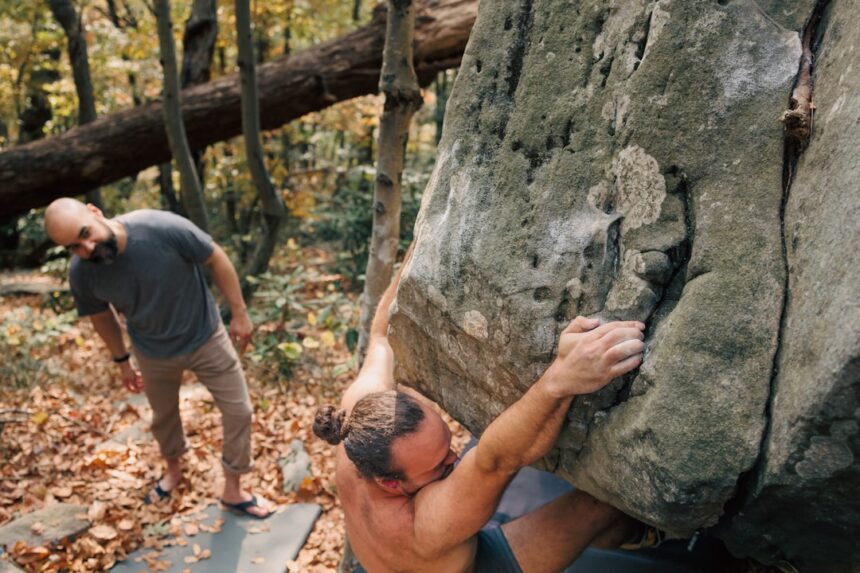
Grounding exercises are evidence-based techniques that help individuals focus on the present moment during periods of stress, anxiety, or emotional distress. These methods work by engaging the senses and redirecting attention from overwhelming thoughts or feelings to immediate physical sensations and environmental awareness. Research indicates that grounding techniques activate the parasympathetic nervous system, which promotes relaxation and reduces the body’s stress response.
Common grounding methods include the 5-4-3-2-1 technique (identifying five things you can see, four you can touch, three you can hear, two you can smell, and one you can taste), deep breathing exercises, and progressive muscle relaxation. These practices are particularly effective for managing acute anxiety episodes, panic attacks, and symptoms of post-traumatic stress disorder (PTSD). Mental health professionals frequently incorporate grounding exercises into treatment plans for anxiety disorders, trauma recovery, and mindfulness-based interventions.
The techniques can be performed anywhere and require no special equipment, making them accessible tools for immediate stress management and emotional regulation.
Key Takeaways
- Grounding exercises help anchor you in the present moment, reducing stress and anxiety.
- Techniques include deep breathing, mindfulness meditation, muscle relaxation, and sensory awareness.
- Visualization and affirmations can enhance the effectiveness of grounding practices.
- Incorporating movement, like walking or stretching, supports physical and mental grounding.
- Regular practice and integrating grounding exercises into daily routines improve emotional resilience.
The Benefits of Grounding Exercises
Engaging in grounding exercises offers a multitude of benefits that can enhance your overall mental health. One of the most significant advantages is the reduction of anxiety and stress levels. When you practice grounding techniques, you create a mental space that allows you to step back from overwhelming emotions.
This can lead to a decrease in feelings of panic and an increase in your ability to cope with challenging situations. As you become more adept at grounding yourself, you may find that your resilience in the face of stress improves significantly. In addition to alleviating anxiety, grounding exercises can also enhance your focus and concentration.
When your mind is racing with worries or distractions, it can be challenging to stay present and engaged in your daily activities. Grounding techniques help you center your thoughts, allowing you to approach tasks with greater clarity and intention. This heightened focus can lead to improved productivity and a more fulfilling experience in both personal and professional settings.
Ultimately, the benefits of grounding extend beyond immediate relief; they contribute to long-term emotional stability and well-being.
How to Practice Grounding Exercises

Practicing grounding exercises can be as simple as taking a moment to pause and reconnect with your surroundings. One effective method is to engage your senses actively. For instance, you might take a few moments to observe the colors, shapes, and textures around you.
By focusing on what you see, hear, smell, and feel, you can draw your attention away from anxious thoughts and immerse yourself in the present moment. This sensory engagement not only calms your mind but also reinforces your connection to the world around you. Another way to practice grounding is through physical movement.
As you move, pay attention to how your body feels—notice the sensations in your muscles and joints. This awareness can ground you in your physical self, making it easier to let go of intrusive thoughts.
Whether you choose to sit quietly or engage in movement, the key is to find what resonates with you and incorporate it into your routine.
Deep Breathing Techniques
Deep breathing techniques are among the most accessible grounding exercises available to you. When you focus on your breath, you create a natural rhythm that calms both your mind and body. To practice deep breathing, find a comfortable position—whether sitting or lying down—and take a slow, deep breath in through your nose.
Allow your abdomen to expand fully as you fill your lungs with air. Hold this breath for a moment before exhaling slowly through your mouth. Repeat this process several times, allowing each breath to bring you deeper into relaxation.
As you engage in deep breathing, pay attention to how it feels in your body. Notice the rise and fall of your chest and abdomen, and let go of any tension with each exhale. This technique not only helps ground you but also activates the body’s relaxation response, reducing stress hormones and promoting a sense of calm.
Over time, incorporating deep breathing into your daily routine can enhance your overall emotional resilience and provide a powerful tool for managing anxiety.
Mindfulness Meditation
| Exercise Name | Duration | Purpose | Key Steps | Effectiveness Rating (1-5) |
|---|---|---|---|---|
| 5-4-3-2-1 Sensory Exercise | 2-3 minutes | Focus attention on present moment | Identify 5 things you see, 4 you feel, 3 you hear, 2 you smell, 1 you taste | 4.5 |
| Deep Breathing with Counting | 1-2 minutes | Reduce anxiety and increase calmness | Inhale for 4 seconds, hold for 4, exhale for 4, repeat | 4.2 |
| Body Scan Micro Exercise | 3 minutes | Increase body awareness and relaxation | Focus attention sequentially on different body parts | 4.0 |
| Grounding Object Focus | 1-2 minutes | Anchor attention to a physical object | Hold and describe an object in detail using senses | 3.8 |
| Mindful Walking | 3-5 minutes | Connect with surroundings and body movement | Walk slowly, noticing each step and breath | 4.3 |
Mindfulness meditation is another effective grounding exercise that encourages you to be fully present in the moment without judgment. To practice mindfulness meditation, find a quiet space where you can sit comfortably without distractions. Close your eyes gently and bring your attention to your breath.
Notice the sensation of the air entering and leaving your body, allowing thoughts to come and go without engaging with them. If your mind wanders, gently guide it back to the breath. This practice cultivates awareness not only of your breath but also of your thoughts and feelings as they arise.
By observing them without attachment, you create distance from anxiety-provoking thoughts, allowing them to pass like clouds in the sky. Regular mindfulness meditation can enhance your ability to stay grounded during challenging moments, fostering a sense of inner peace that permeates other areas of your life.
Progressive Muscle Relaxation
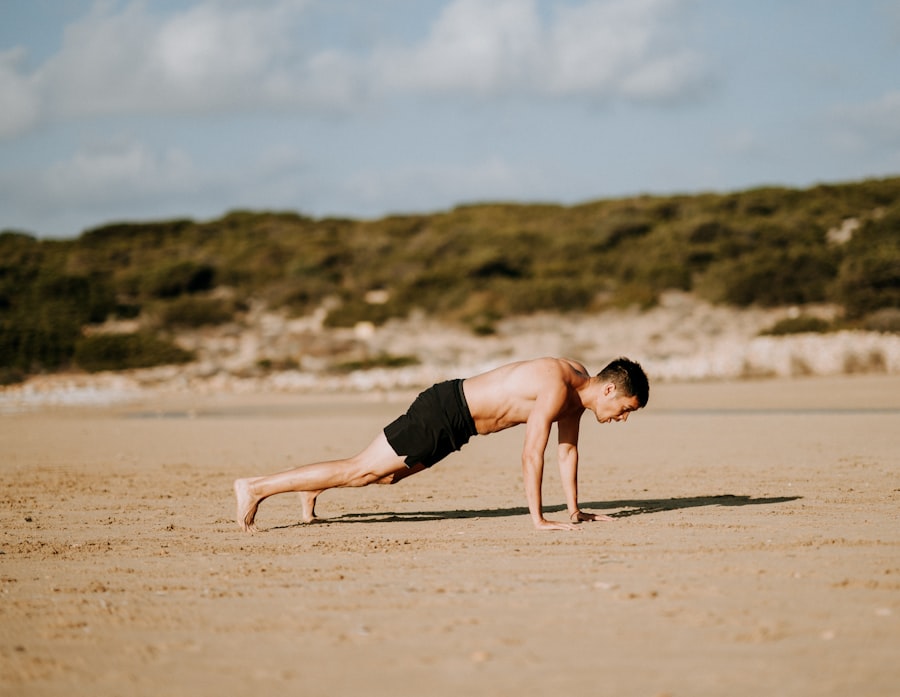
Progressive muscle relaxation (PMR) is a technique that involves systematically tensing and relaxing different muscle groups throughout your body. This practice helps you become more aware of physical tension and promotes relaxation by encouraging the release of stress stored in your muscles. To begin PMR, find a comfortable position and start with your feet—tense the muscles for a few seconds before releasing them completely.
Move up through your body—calves, thighs, abdomen, arms, shoulders, and face—tensing each group before letting go. As you progress through each muscle group, pay attention to the contrast between tension and relaxation. This heightened awareness can help ground you in your body while also providing insight into where you may be holding stress.
PMR not only serves as an effective grounding exercise but also promotes overall physical relaxation, making it an excellent addition to your self-care routine.
Visualization Techniques
Visualization techniques involve creating mental images that evoke feelings of calmness and safety. This grounding exercise allows you to escape from overwhelming thoughts by immersing yourself in a peaceful mental landscape. To practice visualization, find a quiet space where you can sit comfortably with your eyes closed.
Imagine a serene place—perhaps a beach, forest, or garden—where you feel completely at ease. As you visualize this setting, engage all of your senses: picture the colors around you, hear the sounds of nature, feel the warmth of the sun on your skin or the cool breeze against your face. Allow yourself to fully immerse in this experience for several minutes.
Visualization not only helps ground you but also serves as a powerful tool for reducing anxiety and promoting relaxation.
Sensory Grounding Techniques
Sensory grounding techniques involve using your senses to anchor yourself in the present moment. These exercises can be particularly effective when you’re feeling overwhelmed or disconnected from reality. One simple method is the “5-4-3-2-1” technique: identify five things you can see around you, four things you can touch or feel, three things you can hear, two things you can smell, and one thing you can taste.
This exercise engages multiple senses simultaneously, helping redirect your focus away from distressing thoughts. Another sensory technique involves carrying small objects that evoke positive feelings or memories—such as a smooth stone or a piece of fabric with a comforting texture. Whenever you’re feeling anxious or overwhelmed, take out this object and focus on its texture, weight, and temperature.
Engaging with these sensory experiences can ground you in the present moment while providing comfort during challenging times.
Using Affirmations for Grounding
Affirmations are positive statements that can help shift your mindset and reinforce feelings of safety and stability. When practiced regularly, affirmations can serve as powerful grounding tools during moments of anxiety or self-doubt. To use affirmations effectively, choose statements that resonate with you personally—such as “I am safe,” “I am grounded,” or “I am capable.” Repeat these affirmations silently or aloud during moments of stress.
Incorporating affirmations into your daily routine can create a sense of empowerment and resilience over time. You might choose to write them down in a journal or display them where you’ll see them regularly—such as on sticky notes around your home or workspace. By consistently affirming positive beliefs about yourself and your ability to cope with challenges, you’ll cultivate a stronger sense of grounding that supports emotional well-being.
Incorporating Movement into Grounding Exercises
Movement is an essential aspect of grounding exercises that often gets overlooked. Engaging in physical activity not only helps release pent-up energy but also connects you more deeply with your body. Activities such as yoga, tai chi, or even simple stretching can serve as effective grounding practices by promoting mindfulness through movement.
As you move through different poses or sequences, focus on how each movement feels within your body—this awareness helps anchor you in the present moment. You might also consider incorporating rhythmic movements into your routine—such as walking or dancing—to further enhance grounding effects. The repetitive nature of these activities allows for a meditative quality that encourages mindfulness while promoting physical well-being.
By finding ways to integrate movement into your grounding exercises, you’ll create a holistic approach that nurtures both body and mind.
Tips for Incorporating Grounding Exercises into Your Daily Routine
Incorporating grounding exercises into your daily routine doesn’t have to be overwhelming; small changes can make a significant impact on your overall well-being. Start by setting aside just a few minutes each day for grounding practices—whether it’s deep breathing before bed or mindfulness meditation during lunch breaks. Consistency is key; by making these practices part of your daily life, you’ll gradually build resilience against stressors.
Consider creating reminders for yourself throughout the day—set alarms on your phone or leave sticky notes in visible places with prompts for grounding exercises like “Take three deep breaths” or “Engage in sensory awareness.” Additionally, find ways to integrate grounding techniques into existing routines; for example, practice mindfulness while washing dishes or use affirmations during morning commutes. By prioritizing grounding exercises within your daily life, you’ll cultivate greater emotional stability and resilience over time—empowering yourself to navigate challenges with confidence and ease.
Micro grounding exercises can be an effective way to enhance mindfulness and reduce anxiety in daily life. For those interested in exploring this topic further, a related article can be found on Unplugged Psych, which delves into various techniques and their benefits. You can read more about it in this article: Micro Grounding Techniques.
FAQs
What are micro grounding exercises?
Micro grounding exercises are brief, simple techniques designed to help individuals quickly regain focus and calm by connecting with the present moment. They often involve sensory awareness, breathing, or physical movements.
How do micro grounding exercises work?
These exercises work by redirecting attention away from distressing thoughts or feelings and toward immediate sensory experiences or bodily sensations, which can reduce anxiety and increase mindfulness.
When should I use micro grounding exercises?
Micro grounding exercises can be used anytime you feel overwhelmed, anxious, or disconnected. They are especially helpful during moments of stress, panic, or when you need to improve concentration.
Can micro grounding exercises help with anxiety?
Yes, micro grounding exercises are effective tools for managing anxiety. By focusing on the present moment, they can interrupt anxious thought patterns and promote a sense of calm.
Are micro grounding exercises suitable for everyone?
Generally, yes. Micro grounding exercises are simple and adaptable, making them accessible for people of all ages and backgrounds. However, individuals with specific mental health conditions should consult a healthcare professional for personalized advice.
How long do micro grounding exercises take?
Most micro grounding exercises take only a few seconds to a couple of minutes, making them easy to incorporate into daily routines or stressful situations.
Can micro grounding exercises be combined with other therapies?
Yes, micro grounding exercises can complement other therapeutic approaches such as cognitive-behavioral therapy (CBT), meditation, or medication, enhancing overall mental health management.
Do I need any special equipment to perform micro grounding exercises?
No special equipment is required. These exercises typically use your senses, breathing, or simple movements, making them convenient to perform anywhere.
Where can I learn more about micro grounding exercises?
Information about micro grounding exercises can be found in mental health resources, self-help books, online articles, and through guidance from mental health professionals.