
Grounding exercises are evidence-based techniques designed to help individuals manage stress, anxiety, and emotional overwhelm by redirecting attention to the present moment. These practices work by engaging the senses and focusing awareness on immediate physical sensations or environmental stimuli, which can interrupt cycles of anxious thoughts or dissociative episodes. Research indicates that grounding techniques activate the parasympathetic nervous system, promoting relaxation and reducing cortisol levels.
These exercises can be categorized into physical, mental, and sensory approaches. Physical grounding involves activities such as deep breathing, progressive muscle relaxation, or feeling one’s feet on the ground. Mental grounding includes techniques like counting exercises, naming objects in the environment, or reciting factual information.
Sensory grounding engages the five senses through methods such as holding ice cubes, listening to specific sounds, or focusing on textures. Clinical studies have demonstrated the effectiveness of grounding exercises in treating various conditions, including post-traumatic stress disorder, generalized anxiety disorder, and panic attacks. These techniques are commonly incorporated into therapeutic approaches such as cognitive-behavioral therapy and mindfulness-based interventions.
The accessibility and simplicity of grounding exercises make them practical tools for immediate stress relief and long-term emotional regulation.
Key Takeaways
- Grounding exercises use sensory and mindfulness techniques to help manage stress and anxiety.
- Scientific research supports grounding as an effective method to reduce emotional distress.
- Techniques include sensory focus, breathing exercises, movement, and mindfulness practices.
- Regular practice of grounding exercises can improve emotional regulation and overall well-being.
- Choosing the right grounding method depends on individual preferences and specific stress triggers.
The Science Behind Grounding Techniques
Grounding techniques are rooted in psychological principles that emphasize the importance of mindfulness and body awareness. Research has shown that when you engage in grounding exercises, you activate the parasympathetic nervous system, which is responsible for promoting relaxation and reducing stress. This physiological response can help lower your heart rate and blood pressure, creating a sense of calm that permeates your entire being.
Moreover, grounding exercises can help mitigate the effects of anxiety and depression by redirecting your focus away from distressing thoughts. When you practice grounding, you engage your senses and become more aware of your surroundings, which can interrupt negative thought patterns. This shift in focus not only helps you feel more present but also encourages a greater appreciation for the world around you.
By understanding the science behind these techniques, you can better appreciate their potential to enhance your mental health.
How Grounding Exercises Can Help with Stress Relief

You may have noticed that stress can manifest in various ways—physical tension, racing thoughts, or emotional overwhelm. Grounding exercises provide a practical toolkit for managing these symptoms effectively. By anchoring yourself in the present moment, you can create a buffer against the stressors that life throws your way.
This practice allows you to step back from overwhelming feelings and regain a sense of control over your emotional landscape. Additionally, grounding exercises can foster resilience by helping you develop a greater awareness of your thoughts and feelings. When you practice these techniques regularly, you may find it easier to recognize when stress is creeping in and respond proactively rather than reactively.
This heightened awareness can empower you to make healthier choices in moments of stress, ultimately leading to improved emotional regulation and overall well-being.
Evidence-Based Grounding Techniques
There are numerous evidence-based grounding techniques that you can incorporate into your daily routine. One popular method is the “5-4-3-2-1” technique, which encourages you to engage your senses to bring yourself back to the present moment. You start by identifying five things you can see, four things you can touch, three things you can hear, two things you can smell, and one thing you can taste.
This exercise not only distracts you from distressing thoughts but also helps you reconnect with your environment. Another effective technique is visualization, where you imagine a safe and calming place. This could be a serene beach, a quiet forest, or any location that brings you peace.
As you visualize this space, focus on the details—the colors, sounds, and sensations associated with it. Research has shown that visualization can significantly reduce anxiety levels and promote relaxation, making it an excellent grounding exercise for those moments when stress feels overwhelming.
Mindfulness-Based Grounding Exercises
| Exercise | Description | Evidence Level | Common Uses | Duration | Effectiveness Rating (1-5) |
|---|---|---|---|---|---|
| 5-4-3-2-1 Technique | Identify 5 things you see, 4 things you feel, 3 things you hear, 2 things you smell, and 1 thing you taste. | High | Anxiety, Panic Attacks, PTSD | 2-5 minutes | 4.5 |
| Deep Breathing | Slow, controlled breathing focusing on inhaling and exhaling deeply. | High | Stress Reduction, Anxiety, PTSD | 3-10 minutes | 4.7 |
| Body Scan | Focus attention sequentially on different parts of the body to notice sensations. | Moderate | Mindfulness, Anxiety, Stress | 5-15 minutes | 4.0 |
| Grounding Object | Hold or touch a physical object to bring attention to the present moment. | Moderate | Anxiety, PTSD, Dissociation | 1-3 minutes | 3.8 |
| Progressive Muscle Relaxation | Tense and then relax muscle groups to reduce physical tension. | High | Anxiety, Stress, Insomnia | 10-20 minutes | 4.3 |
Mindfulness-based grounding exercises are designed to cultivate awareness and presence in your daily life. One such exercise is mindful walking, where you focus on each step as you walk. Pay attention to the sensation of your feet touching the ground, the rhythm of your breath, and the sights and sounds around you.
This practice not only grounds you but also encourages a deeper connection with your body and surroundings. Another mindfulness technique is body scanning, where you mentally check in with different parts of your body to release tension and promote relaxation. Start at the top of your head and work your way down to your toes, noticing any areas of tightness or discomfort.
As you breathe deeply into these areas, visualize tension melting away. This practice not only helps ground you but also enhances your body awareness and promotes overall relaxation.
Sensory-Based Grounding Exercises
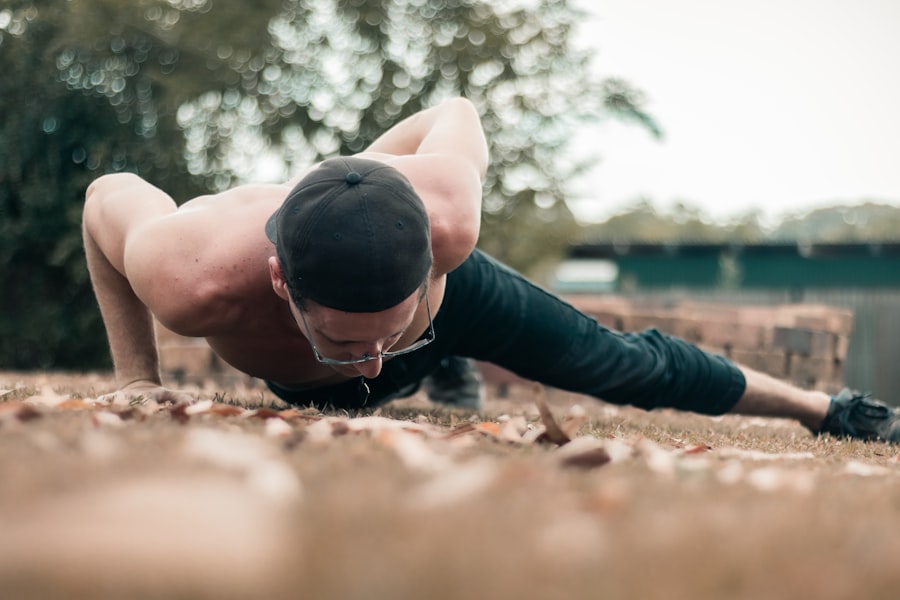
Sensory-based grounding exercises engage your senses to help anchor you in the present moment. One effective method is using tactile objects—such as a stress ball or textured fabric—to stimulate your sense of touch. As you hold or manipulate these objects, focus on their texture, temperature, and weight.
This sensory engagement can help distract your mind from stressors while promoting a sense of calm. Another sensory technique involves aromatherapy. Scents have a powerful impact on our emotions and can evoke memories or feelings of comfort.
You might consider using essential oils like lavender or chamomile to create a calming atmosphere. Simply inhaling these scents while taking deep breaths can ground you in the present moment and alleviate feelings of anxiety or stress.
Breathing and Relaxation Techniques for Grounding
Breathing techniques are among the most effective grounding exercises available to you. One popular method is deep diaphragmatic breathing, where you inhale deeply through your nose, allowing your abdomen to expand fully before exhaling slowly through your mouth. This practice not only calms your nervous system but also helps center your thoughts and emotions.
Progressive muscle relaxation is another effective technique that combines breathing with physical relaxation. As you breathe deeply, systematically tense and then relax each muscle group in your body, starting from your toes and working up to your head. This exercise not only promotes relaxation but also helps release built-up tension that may be contributing to your stress levels.
Movement-Based Grounding Exercises
Movement-based grounding exercises can be particularly beneficial for those who find it challenging to sit still during moments of stress. Engaging in physical activity—whether it’s yoga, dancing, or simply stretching—can help release pent-up energy and promote relaxation. As you move your body, focus on how it feels in space; this awareness can ground you in the present moment.
Another effective movement-based technique is mindful stretching. Take a few moments to stretch different parts of your body while paying attention to how each movement feels. As you stretch, breathe deeply and visualize any tension melting away with each exhale.
This practice not only helps ground you but also enhances flexibility and promotes overall physical well-being.
Incorporating Grounding Exercises into Daily Life
Incorporating grounding exercises into your daily life doesn’t have to be complicated or time-consuming. You might start by setting aside just a few minutes each day for mindfulness practices or sensory engagement. Consider creating a routine that includes grounding techniques during specific times—such as before work or before bed—to help establish consistency.
You could also integrate grounding exercises into everyday activities. For instance, while waiting in line or sitting at your desk, take a moment to practice deep breathing or engage in the 5-4-3-2-1 technique. By weaving these practices into your daily life, you’ll cultivate a greater sense of presence and resilience against stressors as they arise.
Tips for Choosing the Right Grounding Technique
Choosing the right grounding technique for yourself may require some experimentation. Consider what resonates most with you—whether it’s mindfulness practices, sensory engagement, or movement-based exercises—and start there. You might find it helpful to keep a journal to track which techniques work best for different situations or emotions.
Additionally, be open to adapting techniques based on your needs at any given moment. Some days may call for more active grounding methods like movement or stretching, while others may benefit from quieter practices like visualization or deep breathing. Trust yourself to explore various options until you find what feels most effective for managing stress in your life.
The Benefits of Grounding Exercises for Stress Relief
Grounding exercises offer a wealth of benefits for stress relief and emotional well-being. By anchoring yourself in the present moment through various techniques—whether mindfulness-based practices or sensory engagement—you can cultivate resilience against life’s challenges. These exercises empower you to take control of your emotional landscape and foster a greater sense of peace amidst chaos.
As you explore different grounding techniques and incorporate them into your daily routine, you’ll likely discover newfound clarity and calmness in your life. Embracing these practices not only enhances your ability to manage stress but also enriches your overall quality of life by promoting mindfulness and self-awareness. Ultimately, grounding exercises serve as invaluable tools for navigating the complexities of modern living while nurturing your mental health.
For those interested in exploring evidence-based grounding exercises, a valuable resource can be found in the article on Unplugged Psych. This article provides insights into various techniques that can help individuals manage anxiety and stress effectively.