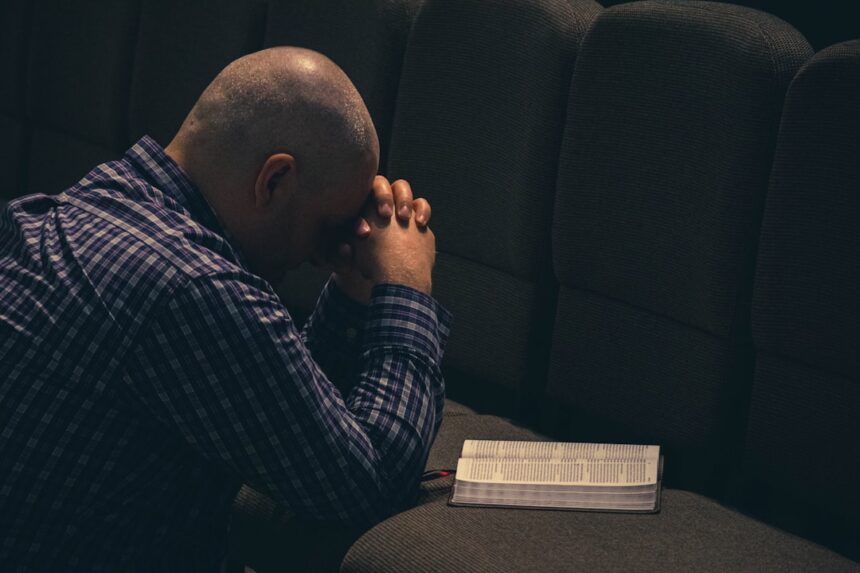
A spiritual crisis can feel like a profound upheaval in your life, often leaving you questioning your beliefs, values, and purpose. It may arise from significant life changes, such as the loss of a loved one, a major life transition, or even a deep-seated feeling of disconnection from yourself and the world around you. During this tumultuous time, you might find yourself grappling with existential questions that seem to have no clear answers.
This period of uncertainty can be disorienting, but it also presents an opportunity for growth and transformation. As you navigate through a spiritual crisis, it’s essential to recognize that this experience is not inherently negative. Instead, it can serve as a catalyst for deeper self-exploration and understanding.
You may find that the discomfort you feel is a signal urging you to reassess your beliefs and values. This process can lead to a more authentic and fulfilling life, as you begin to align your actions with your true self. Embracing this crisis as a natural part of your spiritual journey can help you cultivate resilience and openness to new possibilities.
Key Takeaways
- Spiritual crises involve deep inner turmoil but can lead to personal growth and transformation.
- Recognizing signs like confusion, anxiety, and loss of meaning is crucial for addressing spiritual struggles.
- Support from trusted guides, mindfulness, meditation, and reconnecting with nature aid in healing.
- Embracing self-compassion, forgiveness, and letting go of guilt fosters emotional and spiritual recovery.
- Cultivating gratitude, acceptance, and a nurturing environment helps find renewed purpose and peace.
Recognizing the Signs of Spiritual Crisis
Identifying the signs of a spiritual crisis is crucial for addressing the underlying issues that may be affecting your well-being. You might notice feelings of confusion or disillusionment creeping into your daily life. Perhaps you feel disconnected from your sense of purpose or experience a lack of motivation to engage in activities that once brought you joy.
These feelings can manifest as anxiety, depression, or even physical symptoms like fatigue or restlessness. Acknowledging these signs is the first step toward understanding what you are going through. Another common indicator of a spiritual crisis is a sense of isolation or loneliness.
You may feel as though no one around you understands your struggles or that your beliefs are at odds with those of your friends and family. This disconnect can lead to feelings of alienation, making it even more challenging to navigate your spiritual journey. Recognizing these signs allows you to take proactive steps toward healing and reconnecting with yourself and others, ultimately guiding you toward a more fulfilling spiritual path.
Seeking Support and Guidance

When faced with a spiritual crisis, seeking support and guidance can be invaluable. You don’t have to navigate this journey alone; reaching out to trusted friends, family members, or spiritual mentors can provide you with the encouragement and perspective you need. Sharing your thoughts and feelings with someone who understands can help alleviate the burden of isolation and foster a sense of connection.
It’s important to surround yourself with individuals who are open-minded and compassionate, as their support can be instrumental in your healing process. In addition to personal connections, consider exploring professional support options such as therapy or counseling. Many therapists specialize in spiritual issues and can help you work through your feelings of confusion and disconnection.
Engaging in group therapy or support groups focused on spirituality can also provide a sense of community and shared experience. By seeking guidance from various sources, you can gain insights that may help illuminate your path forward during this challenging time.
Practicing Mindfulness and Meditation
| Metric | Description | Typical Range | Benefits |
|---|---|---|---|
| Session Duration | Length of each mindfulness or meditation session | 5 – 60 minutes | Longer sessions can deepen relaxation and focus |
| Frequency | Number of sessions per week | 3 – 7 times per week | Consistent practice improves stress management |
| Stress Reduction | Decrease in perceived stress levels | 10% – 40% reduction after 8 weeks | Improves emotional regulation and resilience |
| Heart Rate Variability (HRV) | Measure of autonomic nervous system balance | Increase by 5 – 15 ms after regular practice | Indicates improved relaxation response |
| Mindfulness Score | Self-reported mindfulness scale (e.g., MAAS) | Increase by 10% – 30% after 8 weeks | Reflects enhanced present-moment awareness |
| Sleep Quality | Improvement in sleep measured by questionnaires | 10% – 25% improvement in sleep quality | Supports better rest and recovery |
| Anxiety Levels | Reduction in anxiety symptoms (e.g., GAD-7 score) | 15% – 35% reduction after 8 weeks | Promotes calmness and reduces worry |
Incorporating mindfulness and meditation into your daily routine can be a powerful tool for navigating a spiritual crisis. These practices encourage you to cultivate awareness of your thoughts and feelings without judgment, allowing you to observe your inner landscape with curiosity rather than fear. By dedicating time each day to sit in stillness, you create space for reflection and self-discovery.
This practice can help ground you amidst the chaos of your emotions and provide clarity on the issues at hand. Meditation can also serve as a means of connecting with your inner self on a deeper level. As you engage in this practice, you may find that insights arise naturally, guiding you toward understanding the root causes of your spiritual crisis.
Whether through guided meditations, breathwork, or simply sitting in silence, these moments of introspection can foster a sense of peace and acceptance. Over time, you may notice that mindfulness helps you develop resilience against the challenges that arise during this transformative period.
Reconnecting with Nature
Nature has an incredible ability to heal and restore our spirits, making it an essential component of navigating a spiritual crisis. Spending time outdoors allows you to reconnect with the world around you and gain perspective on your own struggles. Whether it’s taking a walk in the park, hiking in the mountains, or simply sitting by a body of water, immersing yourself in nature can provide solace and clarity.
The sights, sounds, and smells of the natural world can ground you in the present moment, helping to alleviate feelings of anxiety or overwhelm. As you engage with nature, consider practicing mindfulness by observing the beauty around you. Pay attention to the colors of the leaves, the sound of birds singing, or the feeling of the wind on your skin.
This practice not only enhances your connection to nature but also encourages gratitude for the simple joys in life. By fostering this connection, you may find that your spiritual crisis begins to shift into an opportunity for growth and renewal.
Exploring Different Spiritual Practices

During a spiritual crisis, exploring different spiritual practices can be an enriching way to discover what resonates with you on a deeper level. You might find yourself drawn to various traditions or philosophies that offer new perspectives on life’s challenges. Whether it’s exploring yoga, engaging in rituals from different cultures, or studying philosophical texts, immersing yourself in diverse practices can help broaden your understanding of spirituality.
As you experiment with different approaches, pay attention to how each practice makes you feel. Some may resonate deeply with your soul, while others may not feel aligned with your beliefs. This exploration is not about finding the “right” path but rather about discovering what nurtures your spirit during this time of uncertainty.
Embrace the journey as an opportunity for self-discovery and growth, allowing yourself the freedom to explore without judgment.
Letting Go of Guilt and Shame
A spiritual crisis often brings up feelings of guilt and shame related to past choices or perceived failures. It’s essential to recognize that these emotions are common during times of upheaval but can hinder your healing process if left unaddressed. Allowing yourself to feel these emotions without judgment is crucial; they are part of being human.
Acknowledge that everyone makes mistakes and experiences moments of doubt along their spiritual journey. Letting go of guilt and shame involves practicing self-forgiveness and compassion. Remind yourself that growth often comes from facing challenges head-on and learning from them.
Instead of dwelling on past decisions, focus on how they have shaped who you are today. By releasing these burdens, you create space for healing and transformation, allowing yourself to move forward with greater clarity and purpose.
Embracing Self-Compassion and Forgiveness
Self-compassion is a vital aspect of navigating a spiritual crisis. It involves treating yourself with kindness and understanding during difficult times rather than being overly critical or harsh. When faced with challenges, remind yourself that it’s okay to struggle; everyone experiences moments of doubt and confusion on their journey.
Embracing self-compassion allows you to acknowledge your feelings without judgment, fostering an environment where healing can take place. Forgiveness is another essential component of this process—both forgiving yourself for past mistakes and extending forgiveness to others who may have hurt you. Holding onto resentment or anger only serves to weigh you down further during this challenging time.
By letting go of these negative emotions, you free yourself from their grip and open up space for healing and growth. Embracing self-compassion and forgiveness empowers you to move forward with renewed strength and resilience.
Finding Meaning and Purpose
A spiritual crisis often prompts deep introspection regarding meaning and purpose in life. As you navigate this challenging period, take time to reflect on what truly matters to you. Consider what brings you joy, fulfillment, and a sense of connection to something greater than yourself.
Engaging in activities that align with your values can help reignite your passion for life and provide clarity on your path forward. Finding meaning may also involve exploring how your experiences—both positive and negative—have shaped who you are today. Reflect on the lessons learned from past challenges and how they have contributed to your growth as an individual.
By recognizing the significance behind these experiences, you can cultivate a deeper understanding of your purpose in life, ultimately guiding you toward a more fulfilling existence.
Cultivating Gratitude and Acceptance
Cultivating gratitude during a spiritual crisis can be transformative in shifting your perspective from one of despair to one of hope. Practicing gratitude involves acknowledging the positive aspects of your life—even amidst challenges—and recognizing the lessons they bring. Consider keeping a gratitude journal where you write down things you appreciate each day; this simple practice can help rewire your brain to focus on abundance rather than scarcity.
Acceptance is equally important during this time; it involves embracing where you are on your journey without resistance or judgment. Accepting your current situation allows you to let go of the need for control over outcomes while fostering trust in the process of life itself. By cultivating gratitude and acceptance together, you create a powerful foundation for healing that encourages resilience as you navigate through this transformative period.
Creating a Supportive and Nurturing Environment
Finally, creating a supportive and nurturing environment is essential for navigating a spiritual crisis effectively. Surround yourself with people who uplift and inspire you—those who encourage open dialogue about spirituality without judgment or criticism. Seek out communities that resonate with your beliefs or interests; whether online or in-person gatherings focused on spirituality can provide valuable connections during this time.
Additionally, consider how your physical space impacts your emotional well-being. Create an environment that feels safe and nurturing by decluttering areas that may feel overwhelming or chaotic. Incorporate elements that bring you peace—such as plants, calming colors, or meaningful artwork—into your surroundings.
By intentionally crafting an environment that supports your healing journey, you empower yourself to embrace transformation with open arms. In conclusion, navigating a spiritual crisis is undoubtedly challenging but also offers profound opportunities for growth and self-discovery. By understanding the nature of this experience, recognizing its signs, seeking support, practicing mindfulness, reconnecting with nature, exploring diverse practices, letting go of guilt and shame, embracing self-compassion, finding meaning, cultivating gratitude, and creating a nurturing environment—you can emerge from this period stronger than before.
Remember that every step taken on this journey contributes to your evolution as an individual; embrace it wholeheartedly as part of your unique path toward enlightenment.
If you are navigating a spiritual crisis and seeking guidance on recovery, you may find valuable insights in the article available on Unplugged Psych. This resource offers practical strategies and support for individuals facing such challenges. To explore this further, you can read the article here: Unplugged Psych.
WATCH THIS! The Dark Night of the Soul: A Psychological Roadmap to Spiritual Awakening
FAQs
What is a spiritual crisis?
A spiritual crisis, also known as a spiritual emergency, is a period of intense inner turmoil and confusion related to one’s spiritual beliefs or experiences. It can involve feelings of disconnection, existential questioning, or profound changes in perception and understanding of life and self.
What are common signs of a spiritual crisis?
Common signs include feelings of anxiety, depression, confusion, loss of meaning or purpose, intense questioning of beliefs, altered states of consciousness, and a sense of isolation or alienation from others.
How does a spiritual crisis differ from a mental health crisis?
While a spiritual crisis involves challenges related to spiritual beliefs and experiences, a mental health crisis primarily concerns psychological or psychiatric symptoms. However, the two can overlap, and it is important to assess both spiritual and mental health aspects for appropriate support.
What are effective ways to recover from a spiritual crisis?
Recovery often involves seeking support from trusted spiritual advisors, mental health professionals, or support groups. Practices such as meditation, mindfulness, journaling, and self-reflection can help. It is also important to allow time for healing and to integrate new insights gradually.
Can professional help assist in spiritual crisis recovery?
Yes, professionals such as therapists trained in spiritual issues, counselors, or clergy can provide guidance and support. They can help individuals navigate their experiences safely and develop coping strategies.
Is a spiritual crisis always negative?
Not necessarily. While it can be distressing, a spiritual crisis can also lead to personal growth, deeper understanding, and transformation when managed effectively.
How long does a spiritual crisis typically last?
The duration varies widely depending on the individual and circumstances. It can last from weeks to months or even longer. Recovery is a personal process without a fixed timeline.
Are there any risks associated with a spiritual crisis?
If unaddressed, a spiritual crisis can lead to severe emotional distress, social withdrawal, or worsening mental health conditions. It is important to seek appropriate support to minimize risks.
Can spiritual practices help prevent a spiritual crisis?
Regular spiritual practices such as meditation, prayer, or community involvement can promote resilience and self-awareness, potentially reducing the likelihood or severity of a spiritual crisis.
Where can someone find resources for spiritual crisis recovery?
Resources include mental health professionals specializing in spirituality, spiritual counselors, support groups, books on spiritual emergencies, and online communities focused on spiritual growth and healing.