
Leaving a cult can be one of the most traumatic experiences a person can endure. You may find yourself grappling with a whirlwind of emotions, including confusion, fear, and even guilt. The environment you were once a part of often instilled a sense of belonging and purpose, making the transition to the outside world feel overwhelmingly isolating.
You might struggle to comprehend the extent of the manipulation and control you experienced, which can lead to feelings of betrayal and anger. Understanding this trauma is crucial, as it allows you to acknowledge your experiences and begin the healing process. The psychological impact of cult involvement can be profound.
The indoctrination often involves a complete overhaul of your belief system, which can leave you feeling lost and disoriented once you step away. Recognizing that these feelings are valid is an essential first step in your journey toward recovery.
It’s important to give yourself permission to feel the weight of this trauma, as it is a natural response to such a significant life change.
Key Takeaways
- Leaving a cult involves significant trauma that requires understanding and careful emotional processing.
- Professional support and reconnecting with loved ones are crucial steps in healing and rebuilding trust.
- Exploring new beliefs and engaging in self-care help foster personal growth and spiritual renewal.
- Establishing boundaries and processing grief are essential for asserting independence and emotional recovery.
- Building a supportive community and finding new purpose aid in creating a meaningful life post-cult.
Recognizing the Need for Decompression
After leaving a cult, you might find that your mind is racing with thoughts and emotions that are difficult to process. This is where the concept of decompression comes into play. You may need time to step back from the chaos of your previous life and allow yourself to breathe.
This period of decompression is vital for regaining your sense of self and understanding who you are outside of the cult’s influence. It’s essential to create a safe space for yourself where you can reflect on your experiences without judgment. During this time, you might want to engage in activities that promote relaxation and mindfulness.
Whether it’s journaling, meditating, or simply spending time in nature, these practices can help you ground yourself and begin to untangle the complex emotions you’re experiencing. Recognizing the need for this decompression phase is not a sign of weakness; rather, it’s an acknowledgment that healing takes time and that you deserve to prioritize your well-being.
Seeking Professional Help and Support
As you navigate the aftermath of leaving a cult, seeking professional help can be an invaluable step in your healing journey. You may find that talking to a therapist who specializes in trauma or cult recovery can provide you with the tools and support necessary to process your experiences. A trained professional can help you unpack the layers of trauma and guide you through the emotional turmoil that often accompanies such a significant life change.
In addition to therapy, consider joining support groups where you can connect with others who have had similar experiences. Sharing your story with those who understand can foster a sense of community and validation. You might find comfort in knowing that you are not alone in your struggles, and that others have successfully navigated the path to recovery.
Seeking help is not only a courageous step but also an essential part of reclaiming your life.
Reconnecting with Family and Friends
Rebuilding relationships with family and friends after leaving a cult can be both rewarding and challenging. You may feel apprehensive about reaching out, fearing judgment or misunderstanding from those who have not shared your experiences. However, reconnecting with loved ones can provide a crucial support system as you navigate this new chapter in your life.
It’s important to approach these relationships with honesty and openness, allowing others to understand what you’ve been through. You might find that some relationships are easier to mend than others. Some family members may be eager to welcome you back with open arms, while others may need time to process your departure from the cult.
Be patient with yourself and with them as you work toward rebuilding trust and connection. Engaging in meaningful conversations and sharing your journey can help bridge the gap that may have formed during your time away.
Exploring New Belief Systems and Spiritual Practices
| Metric | Description | Typical Range/Value | Notes |
|---|---|---|---|
| Duration of Decompression | Time taken to emotionally and mentally adjust after leaving a cult | 6 months to 2 years | Varies based on individual and cult intensity |
| Psychological Symptoms | Common mental health issues experienced post-exit | Depression (30-60%), Anxiety (40-70%), PTSD (20-50%) | Symptoms may fluctuate during decompression |
| Social Reintegration | Ability to rebuild relationships and social networks | 50-80% report difficulty initially | Support groups improve outcomes |
| Therapy Engagement | Percentage of ex-members seeking professional help | 40-65% | Higher rates linked to better recovery |
| Identity Reconstruction | Process of redefining self outside cult beliefs | Typically begins within 3-6 months post-exit | May take several years for full integration |
| Relapse Rate | Returning to cult or similar groups | 5-15% | Lower with strong support systems |
After leaving a cult, you may feel a strong desire to explore new belief systems or spiritual practices that resonate with your values and experiences. This exploration can be an empowering way to reclaim your autonomy and redefine your understanding of spirituality. You might find solace in practices such as meditation, yoga, or even exploring different religious traditions that align more closely with your personal beliefs.
As you delve into new spiritual avenues, allow yourself the freedom to question and seek answers without the pressure of dogma or strict guidelines. This journey is about discovering what feels authentic to you rather than adhering to someone else’s beliefs. Embrace the opportunity to learn from various philosophies and practices, as this exploration can lead to profound personal growth and a deeper understanding of yourself.
Engaging in Self-Care and Healing Activities
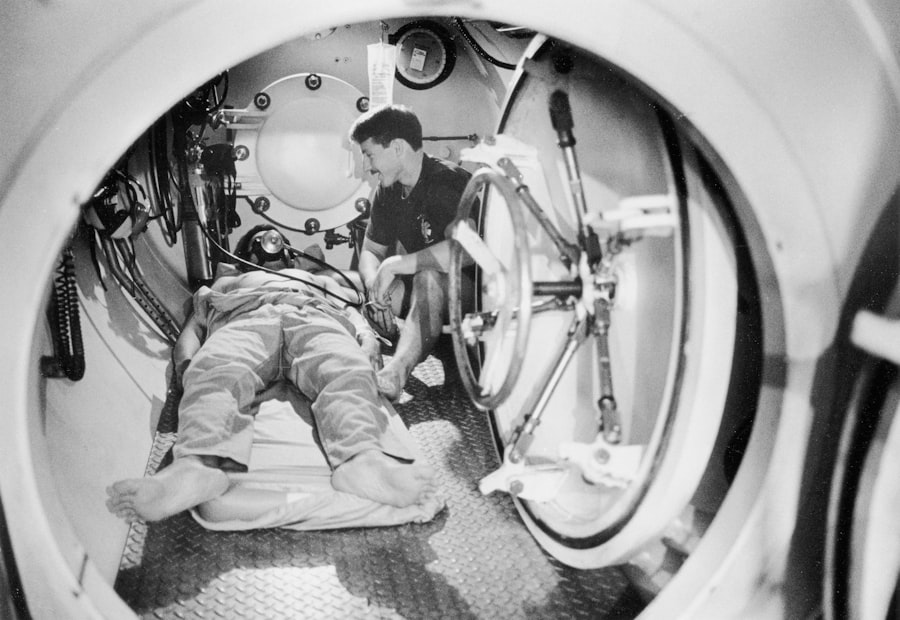
Self-care becomes paramount as you embark on your healing journey after leaving a cult. You may find that prioritizing your physical, emotional, and mental well-being is essential for rebuilding your life. Engaging in activities that bring you joy and relaxation can help counteract the stress and trauma you’ve experienced.
Whether it’s taking long walks, practicing art, or indulging in hobbies that ignite your passion, these moments of self-care are vital for nurturing your spirit. Additionally, consider incorporating mindfulness practices into your daily routine. Techniques such as deep breathing exercises or guided meditations can help center your thoughts and alleviate anxiety.
You might also explore holistic approaches like acupuncture or aromatherapy, which can promote relaxation and healing on multiple levels. Remember that self-care is not selfish; it’s an essential component of reclaiming your life and fostering resilience.
Establishing Boundaries and Asserting Independence
One of the most empowering aspects of leaving a cult is the opportunity to establish boundaries and assert your independence. You may have spent years living under strict rules and expectations, making it crucial to redefine what is acceptable for you moving forward. Learning to say no and setting limits on what you will tolerate from others is an essential skill that will serve you well in all areas of life.
As you navigate this process, it’s important to communicate your needs clearly and confidently. You might find it helpful to practice assertiveness techniques, which can empower you to express yourself without fear of judgment or backlash. Establishing boundaries not only protects your well-being but also fosters healthier relationships with those around you.
Embracing your independence allows you to reclaim control over your life and decisions.
Processing Grief and Loss
Leaving a cult often involves experiencing profound grief and loss—not just for the community you left behind but also for the identity you once held. You may find yourself mourning the relationships that were formed within the cult, as well as the dreams and aspirations that were tied to that life. Acknowledging this grief is an important part of the healing process; it allows you to honor what was while also making space for new beginnings.
You might consider engaging in rituals or activities that help you process this grief. Writing letters to those you’ve lost or creating memorials for aspects of your past can provide an outlet for expressing your feelings. Allow yourself to feel sadness without judgment; it’s a natural response to loss.
By processing these emotions, you pave the way for healing and growth as you move forward.
Embracing Personal Growth and Development
As you navigate life after leaving a cult, embracing personal growth becomes an integral part of your journey. You may discover newfound interests or passions that were suppressed during your time in the cult, providing opportunities for exploration and self-discovery. This phase is about reclaiming your identity and recognizing that you have the power to shape your future.
Consider setting personal goals that align with your values and aspirations. Whether it’s pursuing education, developing new skills, or engaging in creative endeavors, these pursuits can foster a sense of accomplishment and purpose. Embracing personal growth also means being open to change; allow yourself to evolve as you learn more about who you are outside of the cult’s influence.
Building a Supportive Community
Creating a supportive community is essential as you transition into life after leaving a cult. Surrounding yourself with individuals who understand your experiences can provide comfort and validation during this challenging time. You might seek out local support groups or online communities where members share similar backgrounds; these connections can foster a sense of belonging that may have been lost.
In addition to finding support among peers, consider nurturing relationships with individuals who inspire and uplift you. Engaging with mentors or friends who encourage personal growth can help reinforce positive changes in your life. Building this supportive network not only aids in your recovery but also enriches your life with meaningful connections.
Finding Meaning and Purpose After Leaving a Cult
Ultimately, finding meaning and purpose after leaving a cult is about rediscovering what truly matters to you. You may feel compelled to contribute positively to society or advocate for others who have experienced similar situations. This newfound sense of purpose can be incredibly empowering as it allows you to channel your experiences into something meaningful.
Take time to reflect on what brings you joy and fulfillment; whether it’s volunteering, pursuing creative projects, or engaging in activism, these pursuits can help anchor you in a sense of purpose. Embracing this journey toward meaning not only aids in your healing but also allows you to create a life that aligns with your values—one that celebrates resilience, growth, and authenticity as you move forward into a brighter future.
Decompressing after leaving a cult can be a challenging and emotional journey, as individuals often need to navigate the complexities of their experiences and rebuild their identities. For those seeking guidance and support during this transition, the article on