
When you think about cults, the first images that may come to mind are those of extreme beliefs and isolated communities. However, the true impact of cults on survivors is far more complex and profound. Cults often employ manipulative tactics that can lead to long-lasting psychological scars.
As a survivor, you may find yourself grappling with feelings of confusion, betrayal, and loss. The emotional and mental toll can be overwhelming, as cults frequently exploit vulnerabilities, creating an environment where you may have felt trapped and powerless. Understanding this impact is the first step toward healing.
The aftermath of cult involvement can manifest in various ways. You might experience anxiety, depression, or even post-traumatic stress disorder (PTSD). The indoctrination process often strips away your sense of self, leaving you questioning your beliefs and values.
This disorientation can make it challenging to reintegrate into society. You may feel alienated from friends and family who cannot comprehend your experiences. Recognizing these feelings as valid is crucial; they are part of the journey you must navigate as you seek to reclaim your life.
Key Takeaways
- Cult survivors face deep trauma and manipulation that impact their identity and relationships.
- Recovery involves therapy, community support, and rebuilding self-worth and autonomy.
- Overcoming guilt, shame, and spiritual abuse is crucial for healing and reclaiming personal beliefs.
- Education, advocacy, and sharing success stories empower survivors and promote resilience.
- Access to specialized resources and organizations provides hope and guidance for creating a meaningful new life.
The Journey to Recovery: Overcoming Trauma and Manipulation
Embarking on the journey to recovery is a deeply personal experience that requires courage and resilience. You may find that the first step involves acknowledging the trauma you endured while in the cult. This acknowledgment can be painful, but it is essential for healing.
You might need to confront the manipulation tactics used against you, such as gaslighting or emotional coercion. Understanding how these tactics affected your perception of reality can empower you to reclaim your narrative. As you progress on this journey, it’s important to remember that recovery is not linear.
There will be ups and downs, moments of clarity followed by periods of doubt. You may find solace in journaling or creative expression as a means to process your emotions. Engaging in self-reflection can help you identify triggers and develop coping strategies.
Surrounding yourself with supportive individuals who understand your journey can also provide a sense of belonging and validation as you work through the complexities of your experience.
Finding Support: The Importance of Therapy and Community

Finding support is a critical component of your recovery process. Therapy can offer a safe space for you to explore your feelings and experiences without judgment. A trained therapist who specializes in trauma or cult recovery can help you navigate the intricacies of your emotions and provide tools for coping with anxiety and depression.
You may find that discussing your experiences in therapy allows you to process feelings that have been buried for years, leading to breakthroughs in understanding yourself.
Sharing your story with others who have walked a similar path can foster a sense of camaraderie and understanding.
Support groups, whether in-person or online, provide a platform for you to express your feelings openly and receive encouragement from those who truly understand the challenges you face. Building these connections can help combat feelings of isolation and reinforce the idea that you are not alone in your journey.
Reclaiming Identity: Rediscovering Self-worth and Autonomy
| Metric | Description | Measurement Method | Typical Range | Significance |
|---|---|---|---|---|
| Self-Worth Score | Assessment of an individual’s perceived value and self-esteem | Validated psychological scales (e.g., Rosenberg Self-Esteem Scale) | 0 – 30 (higher is better) | Indicates level of confidence and positive self-regard |
| Autonomy Index | Degree of perceived control over personal decisions and life choices | Self-report questionnaires measuring autonomy and independence | 1 – 7 (Likert scale) | Reflects ability to act according to own values and desires |
| Identity Clarity | Clarity and stability of one’s sense of self | Identity Clarity Scale or similar psychometric tools | Low, Moderate, High | Higher clarity correlates with better mental health and decision-making |
| Resilience Level | Capacity to recover from setbacks and maintain self-worth | Resilience scales such as the Connor-Davidson Resilience Scale | 0 – 100 (higher is better) | Supports sustained autonomy and identity reclamation |
| Social Support Score | Perceived availability and quality of social support | Social Support Questionnaires or surveys | Low, Medium, High | Enhances self-worth and facilitates autonomy |
Reclaiming your identity after leaving a cult is a vital aspect of your healing journey. Cults often strip away individual autonomy, leaving you feeling like a mere extension of the group’s beliefs and values. As you begin to rediscover who you are outside of that environment, it’s essential to engage in activities that promote self-exploration.
You might consider trying new hobbies, pursuing education, or even traveling to places that inspire you. These experiences can help you reconnect with your passions and interests. Self-worth is another crucial element in this process.
You may have internalized negative beliefs about yourself during your time in the cult, leading to feelings of unworthiness or shame. Challenging these beliefs is essential for rebuilding your self-esteem. Practicing self-compassion and affirming your worthiness can be transformative.
Surrounding yourself with positive influences—people who uplift and encourage you—can also reinforce your sense of value as you navigate this new chapter in your life.
Coping with Guilt and Shame: Breaking Free from Manipulative Tactics
Cults often instill feelings of guilt and shame as a means of control, making it difficult for survivors like you to break free from these emotional chains. You may find yourself grappling with guilt over leaving the group or shame for having been manipulated in the first place. Recognizing that these feelings are a product of the cult’s tactics is essential for breaking free from their grip.
It’s important to remind yourself that you were not at fault; manipulation thrives on exploiting vulnerabilities. To cope with guilt and shame, consider engaging in practices that promote self-forgiveness and acceptance. This might involve writing letters to yourself expressing compassion for the choices you made during your time in the cult.
You could also explore mindfulness techniques that help ground you in the present moment, allowing you to release negative emotions tied to the past. By actively working to dismantle these feelings, you can reclaim your power and move forward with a renewed sense of self.
Navigating Relationships: Rebuilding Trust and Connection
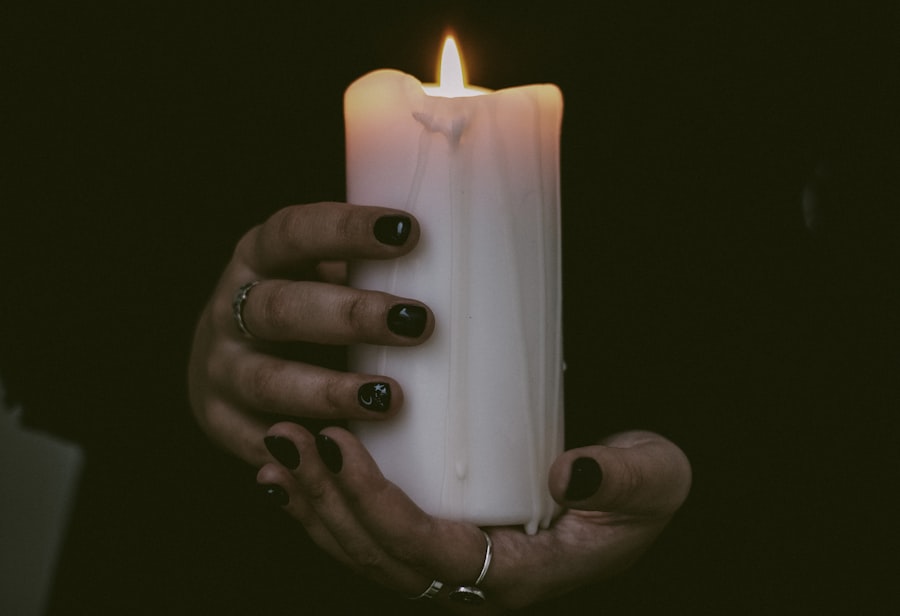
Rebuilding relationships after leaving a cult can be one of the most challenging aspects of recovery. You may find it difficult to trust others due to past betrayals or manipulation. It’s essential to approach new relationships with patience and an open heart while also setting healthy boundaries to protect yourself.
Start by reconnecting with friends or family members who supported you before your involvement in the cult; their familiarity can provide a sense of safety as you navigate this new terrain. As you begin to form new connections, consider seeking out individuals who share similar interests or values. Engaging in community activities or support groups can help foster relationships built on mutual understanding and respect.
Remember that rebuilding trust takes time; allow yourself the grace to take small steps toward vulnerability without rushing into deep connections too quickly.
Healing from Spiritual Abuse: Reconnecting with Personal Beliefs
Spiritual abuse is a common experience among cult survivors, often leading to deep-seated confusion about personal beliefs and spirituality. You may find yourself questioning everything you once held dear, struggling to differentiate between genuine beliefs and those imposed upon you by the cult. This process of reevaluation is crucial for healing; it allows you to explore what spirituality means to you outside the confines of manipulation.
To reconnect with your personal beliefs, consider exploring various spiritual practices or philosophies without judgment. This might involve reading books on spirituality, attending workshops, or simply spending time in nature reflecting on what resonates with you. Allow yourself the freedom to explore different paths without feeling pressured to conform to any specific ideology.
Embracing this exploration can lead to a more authentic understanding of your spirituality, one that empowers rather than confines.
Embracing Resilience: Cult Survivor Success Stories
As you navigate your recovery journey, it can be incredibly inspiring to hear success stories from other cult survivors who have emerged stronger on the other side. These narratives often highlight resilience—the ability to rise above adversity and reclaim one’s life after trauma. You may find comfort in knowing that others have faced similar challenges and have successfully rebuilt their lives through determination and support.
Embracing resilience means recognizing your own strength as well. Celebrate small victories along the way, whether it’s overcoming a fear or achieving a personal goal. Each step forward is a testament to your courage and commitment to healing.
The Role of Education and Advocacy in Cult Survivor Recovery
Education plays a pivotal role in the recovery process for cult survivors like yourself. Understanding the psychological tactics used by cults can empower you to recognize red flags in future relationships or organizations. Knowledge equips you with tools to protect yourself from manipulation while fostering critical thinking skills that enhance your decision-making abilities.
Advocacy is another powerful avenue for healing; by raising awareness about cults and their impact on individuals, you contribute to a broader understanding of these issues within society. Engaging in advocacy work—whether through writing articles, participating in workshops, or collaborating with organizations focused on cult recovery—can provide a sense of purpose as you channel your experiences into positive change.
Creating a New Path: Finding Purpose and Meaning after Cults
After leaving a cult, creating a new path for yourself is essential for moving forward with purpose and meaning. You may find it helpful to reflect on what truly matters to you—your passions, values, and aspirations outside the confines of the cult’s influence. Setting goals that align with these newfound insights can provide direction as you navigate this uncharted territory.
Consider exploring opportunities for personal growth through education or career development that resonate with your interests. Volunteering for causes close to your heart can also foster a sense of fulfillment while allowing you to connect with others who share similar values. By actively engaging in pursuits that bring joy and meaning into your life, you create a foundation for a brighter future.
Offering Hope: Resources and Organizations for Cult Survivors
As you continue on your journey toward healing, it’s important to know that resources are available to support you along the way. Numerous organizations specialize in helping cult survivors navigate their recovery process through counseling services, support groups, and educational materials tailored specifically for those who have experienced similar trauma. Connecting with these resources can provide invaluable guidance as you work through challenges unique to cult recovery.
Whether it’s finding a therapist experienced in trauma work or joining an online community where survivors share their stories, these connections offer hope and reassurance that healing is possible. Remember that reaching out for help is not a sign of weakness; rather, it demonstrates strength as you take proactive steps toward reclaiming your life after such profound experiences. In conclusion, navigating life after leaving a cult is undoubtedly challenging but also filled with opportunities for growth and transformation.
By understanding the impact of cults on survivors, seeking support, reclaiming identity, coping with guilt, rebuilding relationships, healing from spiritual abuse, embracing resilience, advocating for awareness, creating new paths forward, and utilizing available resources—you are taking significant strides toward reclaiming your life and finding hope beyond trauma.
For those interested in exploring the journeys of cult survivor recovery, a compelling resource can be found in the article on Unplugged Psych, which delves into various personal stories and therapeutic approaches to healing. You can read more about these inspiring narratives by visiting Unplugged Psych.
WATCH THIS 🛑 The Guru Trap: How Charisma Hacks Your Brain Into Blind Belief
FAQs
What is a cult survivor recovery story?
A cult survivor recovery story is a personal account shared by someone who has left a cult and describes their experiences during and after their time in the group. These stories often focus on the challenges of leaving the cult, the psychological and emotional impact, and the process of healing and rebuilding their life.
Why are cult survivor recovery stories important?
These stories provide insight into the dynamics of cults and the impact they have on individuals. They help raise awareness about the dangers of cults, offer support and hope to others who may be in similar situations, and contribute to research and understanding of recovery processes.
What common challenges do cult survivors face during recovery?
Cult survivors often face challenges such as trauma, loss of relationships, identity confusion, distrust of others, and difficulty reintegrating into society. They may also struggle with mental health issues like anxiety, depression, and PTSD.
How do cult survivors typically find support during recovery?
Survivors often seek support through therapy, support groups specifically for cult survivors, trusted friends and family, and organizations dedicated to helping individuals leave and recover from cults.
Can recovery from cult involvement be complete?
Recovery is a highly individual process. Many survivors achieve significant healing and lead fulfilling lives, but some may continue to deal with long-term effects. Ongoing support and professional help can improve outcomes.
Are there professional resources available for cult survivors?
Yes, there are mental health professionals, counselors, and organizations that specialize in cult recovery. These resources provide counseling, education, and support tailored to the unique needs of cult survivors.
What role do survivor stories play in prevention?
Survivor stories can educate the public about the warning signs of cults and manipulative groups, helping individuals recognize and avoid potentially harmful situations before becoming involved.
Is it common for cult survivors to share their stories publicly?
Many survivors choose to share their stories publicly to raise awareness and help others, though some may prefer privacy due to the sensitive nature of their experiences. Sharing can be a part of the healing process for some individuals.