
Depersonalization is a psychological condition characterized by a sense of detachment from one’s thoughts, emotions, and identity. Individuals experiencing depersonalization often report feeling disconnected from themselves, as if observing their lives from an external perspective. This dissociative state can create significant distress, generating confusion and heightened anxiety.
Many individuals with depersonalization question their perception of reality, which can further exacerbate their psychological distress. Multiple factors can precipitate depersonalization episodes, including acute or chronic stress, traumatic experiences, and certain psychiatric disorders. Depersonalization frequently occurs comorbidly with anxiety disorders and depression, potentially creating a self-reinforcing cycle of symptoms.
Common manifestations include feeling as though one is in a dreamlike state or experiencing a disconnection from one’s physical body. While these sensations can be disturbing, depersonalization represents a recognized psychological response to overwhelming circumstances. Identifying and understanding depersonalization constitutes an important step toward developing appropriate coping strategies and regaining psychological equilibrium.
Key Takeaways
- Depersonalization involves feeling detached from oneself, often causing distress and confusion.
- Meditation and mindfulness can help bring clarity and reduce symptoms of depersonalization.
- Creating a safe, comfortable environment is essential for effective meditation practice.
- Breathing exercises and specific meditation techniques support grounding and self-awareness.
- Consistent practice and professional support are important for managing depersonalization effectively.
Recognizing Symptoms of Depersonalization
Recognizing the symptoms of depersonalization is the first step toward addressing the issue effectively. You may experience a range of sensations, including feeling disconnected from your body or thoughts, as if you are watching yourself from outside. This can manifest as a sense of unreality, where familiar surroundings seem strange or distorted.
You might also notice that your emotions feel muted or absent, making it challenging to connect with others or even with yourself. These symptoms can vary in intensity and duration, sometimes lasting for just a few moments while at other times persisting for days or weeks. In addition to these core symptoms, you may also experience cognitive difficulties, such as trouble concentrating or remembering details.
This can lead to frustration and exacerbate feelings of anxiety or depression. It’s essential to pay attention to these signs and acknowledge them without judgment. By recognizing the symptoms of depersonalization, you empower yourself to seek help and explore coping strategies that can alleviate the distress associated with this condition.
The Role of Meditation in Depersonalization
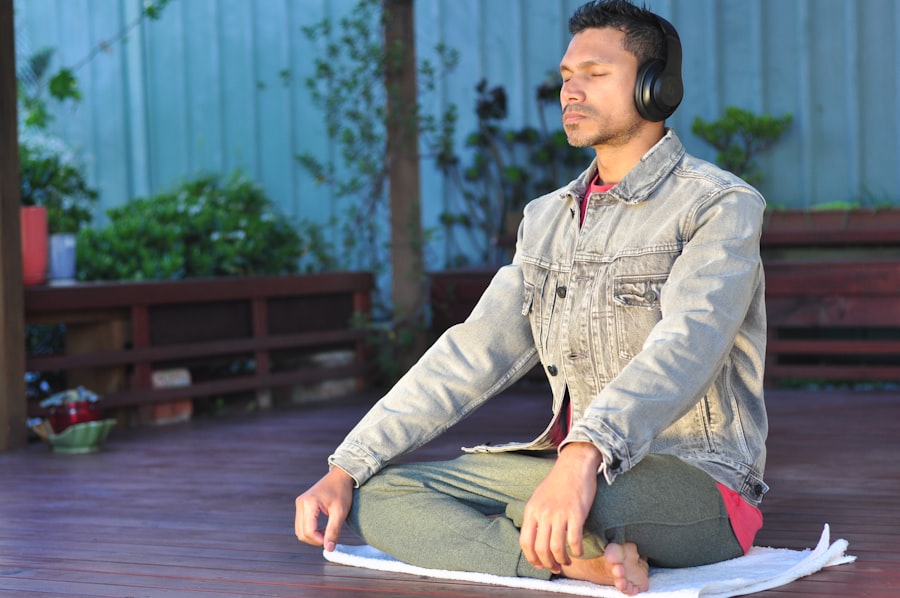
Meditation has emerged as a powerful tool for managing various mental health challenges, including depersonalization. When you engage in meditation, you create a space for self-reflection and mindfulness that can help ground you in the present moment. This practice encourages you to observe your thoughts and feelings without judgment, fostering a sense of acceptance and understanding.
By incorporating meditation into your routine, you may find that it becomes easier to reconnect with your sense of self and diminish the feelings of detachment that characterize depersonalization. Moreover, meditation can help reduce the anxiety and stress that often accompany depersonalization.
The calming effects of meditation can create a sanctuary within yourself, allowing you to explore your thoughts and emotions in a safe environment. This process not only aids in alleviating symptoms but also promotes overall mental well-being.
How Meditation Can Bring Clarity
Meditation serves as a powerful tool for bringing clarity to your mind and emotions. When you practice meditation regularly, you cultivate a heightened awareness of your thoughts and feelings, allowing you to observe them without becoming overwhelmed. This clarity can be particularly beneficial for those experiencing depersonalization, as it helps you differentiate between your true self and the distorted perceptions that may arise during episodes of detachment.
By fostering this awareness, meditation empowers you to reclaim your identity and navigate the complexities of your emotional landscape.
As you focus on your breath or engage in mindful observation, you may find that the sensations of disconnection begin to diminish.
This reconnection with your physical self can provide a sense of grounding that counteracts the feelings of unreality associated with depersonalization. Over time, this practice can lead to greater emotional resilience and an enhanced ability to cope with stressors that may trigger episodes of detachment.
Techniques for Depersonalization Meditation Practice
| Metric | Description | Typical Range | Measurement Method | Notes |
|---|---|---|---|---|
| Frequency of Practice | Number of meditation sessions per week | 3-7 sessions/week | Self-report diary or app tracking | Consistency linked to symptom improvement |
| Session Duration | Length of each meditation session | 10-30 minutes | Self-report or timer | Longer sessions may deepen practice |
| Depersonalization Severity Score | Level of depersonalization symptoms | 0-100 (lower is better) | Cambridge Depersonalization Scale (CDS) | Scores typically decrease with effective practice |
| Mindfulness Level | Degree of present-moment awareness | 0-100 (higher is better) | Five Facet Mindfulness Questionnaire (FFMQ) | Higher mindfulness correlates with symptom reduction |
| Emotional Regulation | Ability to manage emotional responses | Low to High | Difficulties in Emotion Regulation Scale (DERS) | Improves with meditation practice |
| Stress Level | Perceived stress intensity | Low to High | Perceived Stress Scale (PSS) | Often reduced after meditation sessions |
| Physiological Measures | Heart rate variability (HRV) as stress indicator | Varies by individual | Wearable HRV monitors | Higher HRV indicates better autonomic balance |
When it comes to meditation techniques specifically tailored for managing depersonalization, there are several approaches you can explore. One effective method is guided meditation, where you listen to a recording or follow along with an instructor who leads you through visualization exercises designed to promote relaxation and self-awareness. This structured approach can be particularly helpful if you find it challenging to meditate on your own due to feelings of disconnection.
Another technique is body scan meditation, which involves systematically focusing on different parts of your body while observing any sensations or feelings that arise. This practice encourages you to reconnect with your physical self and fosters a sense of presence in the moment. You might also consider incorporating loving-kindness meditation into your routine, which involves sending positive thoughts and intentions toward yourself and others.
This technique can help cultivate self-compassion and reduce feelings of isolation often associated with depersonalization.
Creating a Safe and Comfortable Space for Meditation

Creating a safe and comfortable space for meditation is essential for fostering a conducive environment for practice. You might start by selecting a quiet area in your home where you feel at ease and free from distractions. Consider using soft lighting or candles to create a calming atmosphere that invites relaxation.
Surrounding yourself with comforting items such as cushions or blankets can also enhance your experience, making it easier for you to settle into your practice. In addition to physical comfort, it’s important to cultivate an emotional sense of safety during meditation. You may want to set an intention for your practice, reminding yourself that this is a time for self-exploration and healing.
Allow yourself to let go of any expectations or judgments about how the meditation should unfold. By creating an environment that feels safe both physically and emotionally, you empower yourself to engage more fully in the practice and explore the depths of your experience with depersonalization.
Incorporating Mindfulness into Meditation Practice
Incorporating mindfulness into your meditation practice can significantly enhance its effectiveness in addressing depersonalization. Mindfulness involves paying attention to the present moment without judgment, allowing you to observe your thoughts and feelings as they arise. By integrating mindfulness into your meditation sessions, you cultivate a greater awareness of your internal experiences, which can help ground you during episodes of detachment.
One way to practice mindfulness during meditation is by focusing on your breath. As you inhale and exhale, pay attention to the sensations in your body—the rise and fall of your chest, the feeling of air entering and leaving your nostrils. If thoughts about past experiences or future worries arise, gently acknowledge them without getting caught up in their narrative.
This practice encourages acceptance and helps create distance between yourself and the sensations associated with depersonalization.
Breathing Exercises for Depersonalization Meditation
Breathing exercises are an integral part of meditation practice, especially when addressing depersonalization. Focusing on your breath can help anchor you in the present moment and provide a sense of stability amidst feelings of disconnection. One effective technique is deep diaphragmatic breathing, where you inhale deeply through your nose, allowing your abdomen to expand fully before exhaling slowly through your mouth.
This method not only calms the nervous system but also promotes relaxation throughout the body. Another beneficial breathing exercise is the 4-7-8 technique, which involves inhaling for four counts, holding the breath for seven counts, and exhaling for eight counts. This rhythmic pattern can help regulate your heart rate and reduce anxiety levels, making it easier for you to manage symptoms of depersonalization during meditation sessions.
By incorporating these breathing exercises into your practice, you create a powerful tool for grounding yourself in moments of distress.
Overcoming Challenges in Depersonalization Meditation
While meditation can be an effective tool for managing depersonalization, it’s not uncommon to encounter challenges along the way. You may find it difficult to quiet your mind or feel overwhelmed by intrusive thoughts during practice. It’s essential to approach these challenges with compassion and patience toward yourself.
Remember that meditation is a skill that takes time to develop; it’s perfectly normal to experience ups and downs throughout your journey. If you find yourself struggling during meditation sessions, consider adjusting your approach. You might experiment with shorter sessions or different techniques until you discover what resonates best with you.
Additionally, seeking support from guided meditations or joining a meditation group can provide encouragement and motivation as you navigate these challenges together with others who share similar experiences.
Maintaining a Regular Depersonalization Meditation Practice
Establishing a regular meditation practice is key to reaping its benefits in managing depersonalization effectively. Consistency allows you to build familiarity with the techniques and develop a deeper connection with yourself over time. You might start by setting aside just a few minutes each day for meditation, gradually increasing the duration as you become more comfortable with the practice.
Creating a routine around your meditation sessions can also enhance commitment. Consider designating specific times during the day when you will meditate—perhaps first thing in the morning or before bed—to help integrate it into your daily life seamlessly. By prioritizing this practice and making it a non-negotiable part of your routine, you empower yourself to cultivate resilience against the challenges posed by depersonalization.
Seeking Professional Help for Depersonalization
While meditation can be an effective tool for managing depersonalization, it’s important to recognize when professional help may be necessary. If you find that symptoms persist or worsen despite your efforts to cope through meditation and self-care practices, seeking guidance from a mental health professional is crucial. Therapists trained in cognitive-behavioral therapy (CBT) or other therapeutic modalities can provide valuable support tailored specifically to address depersonalization.
In addition to therapy, medication may also be an option worth exploring if symptoms significantly impact your daily life. A mental health professional can help assess whether medication could be beneficial in conjunction with mindfulness practices like meditation. Remember that seeking help is not a sign of weakness; rather, it demonstrates strength and commitment toward reclaiming control over your mental well-being.
In conclusion, understanding depersonalization is essential for navigating its complexities effectively. By recognizing symptoms, incorporating meditation practices into your routine, creating safe spaces for reflection, and seeking professional support when needed, you empower yourself on the journey toward healing and self-discovery.
Depersonalization meditation practice can be a transformative experience for those seeking to reconnect with their sense of self. For further insights into the benefits and techniques of meditation, you can explore this related article on Unplugged Psych, which delves into various mindfulness practices that can enhance your mental well-being. Check it out here: Unplugged Psych – Sample Page.
WATCH THIS 🛑 Depersonalization: Why 50% of People Feel ‘Unreal’ (And How to Fix It)
FAQs
What is depersonalization meditation practice?
Depersonalization meditation practice involves using meditation techniques to address feelings of depersonalization, a dissociative symptom where individuals feel detached from their own body or thoughts. The practice aims to increase mindfulness and grounding to help reduce these sensations.
How does meditation help with depersonalization?
Meditation helps by promoting mindfulness, which encourages individuals to observe their thoughts and sensations without judgment. This can reduce anxiety and increase a sense of presence, potentially alleviating feelings of detachment associated with depersonalization.
Is depersonalization meditation practice suitable for everyone?
While meditation can be beneficial for many, individuals experiencing severe depersonalization or other mental health conditions should consult a healthcare professional before starting meditation practices, as some techniques may initially increase anxiety or dissociative symptoms.
What types of meditation are commonly used for depersonalization?
Mindfulness meditation, grounding exercises, and body scan meditations are commonly used to help individuals reconnect with their physical sensations and present moment awareness, which can be helpful in managing depersonalization symptoms.
How often should one practice meditation for depersonalization?
Consistency is key; practicing meditation daily or several times a week for 10-20 minutes can be effective. However, the optimal frequency may vary depending on individual needs and should be adjusted accordingly.
Can meditation alone cure depersonalization?
Meditation can be a helpful tool in managing depersonalization symptoms but is not a standalone cure. It is often most effective when combined with professional treatment such as therapy or medication prescribed by a healthcare provider.
Are there any risks associated with depersonalization meditation practice?
Some individuals may experience increased anxiety or dissociation during meditation. It is important to start slowly, use guided meditations, and seek professional guidance if symptoms worsen.
Where can I find guided meditations for depersonalization?
Guided meditations for depersonalization can be found on meditation apps, mental health websites, and platforms like YouTube. It is advisable to choose meditations led by qualified instructors familiar with dissociative symptoms.