
Derealization is a psychological phenomenon characterized by a sense of detachment from one’s surroundings or self. Individuals experiencing this condition may feel as though they are observing life from a distance or through a fog, similar to watching a film rather than participating in reality. This state can occur temporarily due to various factors including high stress, anxiety disorders, sleep deprivation, or as a symptom of conditions such as depersonalization/derealization disorder.
The experience of feeling unreal stems from specific neurological and psychological mechanisms. Research indicates that during periods of intense stress or anxiety, the brain may initiate protective responses that alter perception, creating a sense of disconnection as a defense mechanism. This can be triggered by traumatic events, prolonged anxiety, or other psychological stressors that overwhelm normal coping capacities.
Understanding the physiological basis of derealization can help individuals recognize and address these experiences effectively. Treatment approaches may include cognitive-behavioral therapy, mindfulness practices, stress reduction techniques, and in some cases, medication. Many people find that identifying triggers and developing grounding strategies helps manage episodes of derealization and gradually restore a more integrated sense of reality.
Key Takeaways
- Feeling unreal often stems from complex brain processes involving perception and emotion.
- The amygdala plays a crucial role in how emotions influence our sense of reality.
- Trauma and anxiety can trigger dissociation, leading to feelings of depersonalization and derealization.
- Effective coping mechanisms and professional treatment are essential for managing dissociative disorders.
- Seeking support and understanding is vital for those experiencing persistent feelings of unreality.
Understanding the Brain’s Perception
To comprehend the feeling of unreality, it is essential to explore how your brain perceives the world. Your brain processes sensory information and constructs your reality based on these inputs. However, this process is not infallible; it can be influenced by various factors, including emotional states and external stimuli.
When you experience heightened stress or anxiety, your brain may struggle to accurately interpret sensory information, leading to feelings of detachment or unreality. Neuroscientific research has shown that certain areas of the brain are particularly involved in perception and self-awareness. The prefrontal cortex, for instance, plays a crucial role in decision-making and self-reflection, while the parietal lobe integrates sensory information to create a cohesive understanding of your environment.
When these areas are disrupted—whether due to stress, trauma, or other factors—you may find yourself feeling disconnected from reality. Understanding this neurological basis can help you recognize that these feelings are not a personal failing but rather a complex interplay of brain function and emotional state.
The Role of the Amygdala in Emotions
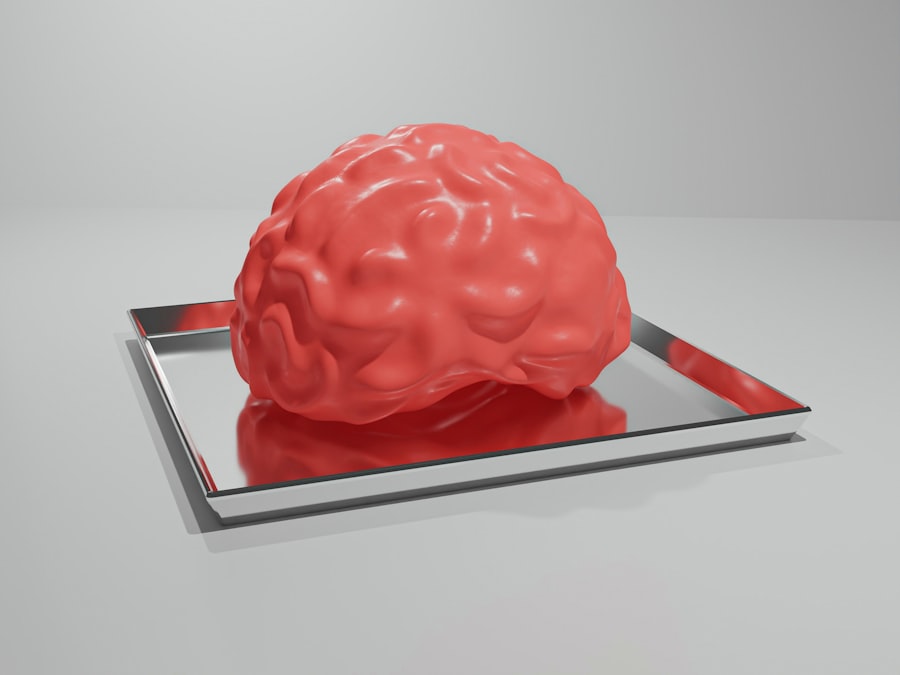
The amygdala is a small almond-shaped structure located deep within your brain that plays a pivotal role in processing emotions. It acts as an alarm system, alerting you to potential threats and triggering your fight-or-flight response. When you experience intense emotions such as fear or anxiety, the amygdala becomes highly active, influencing how you perceive your surroundings.
This heightened emotional state can contribute to feelings of unreality, as your brain may prioritize emotional responses over rational thought. When the amygdala is overactive, it can lead to a distorted perception of reality. You might find yourself hyper-aware of potential dangers or feeling overwhelmed by emotions that cloud your judgment.
This can create a feedback loop where anxiety exacerbates feelings of unreality, making it challenging to ground yourself in the present moment. By understanding the role of the amygdala in shaping your emotional experiences, you can begin to develop strategies for managing these feelings and fostering a greater sense of stability.
The Impact of Trauma on Perception
Trauma can have profound effects on your perception of reality. When you experience a traumatic event, your brain may struggle to process the overwhelming emotions associated with it. This can lead to dissociative symptoms, where you feel disconnected from yourself or your surroundings.
You might find that familiar places feel foreign or that your own thoughts seem distant and unrecognizable. This disconnection serves as a protective mechanism, allowing you to distance yourself from the pain of the trauma. The impact of trauma on perception can be long-lasting, affecting how you interact with the world even years after the event has occurred.
You may find yourself constantly on edge, hyper-vigilant for potential threats, which can further exacerbate feelings of unreality. Understanding this connection between trauma and perception is crucial for healing. By acknowledging the ways in which trauma has shaped your experiences, you can begin to work through these feelings and reclaim your sense of self.
Dissociation and Feeling Unreal
| Metric | Description | Typical Range/Value | Notes |
|---|---|---|---|
| Frequency of Episodes | Number of times feeling unreal or detached occurs per week | Varies: 0 to multiple times per week | Higher frequency may indicate depersonalization disorder |
| Duration of Episodes | Length of each episode of feeling unreal | Seconds to hours | Longer durations may require medical evaluation |
| Intensity Level | Subjective rating of how strong the unreal feeling is | Scale 1 (mild) to 10 (severe) | Used for tracking symptom severity over time |
| Associated Symptoms | Other symptoms occurring with brain glitch feeling unreal | Dizziness, anxiety, confusion, memory lapses | Important for differential diagnosis |
| Triggers | Common factors that provoke the unreal feeling | Stress, fatigue, sleep deprivation, substance use | Avoidance can reduce episode frequency |
| Recovery Time | Time taken to return to normal perception after episode | Minutes to days | Prolonged recovery may indicate underlying condition |
Dissociation is a psychological phenomenon that often accompanies feelings of unreality.
You might find yourself zoning out during conversations or feeling as though you are observing your life from a distance.
This dissociative state can be unsettling and may leave you questioning your sanity. Dissociation serves as a coping mechanism for many individuals facing overwhelming stress or trauma. It allows you to escape from painful emotions or memories temporarily.
However, when dissociation becomes chronic, it can interfere with daily functioning and relationships. Recognizing when you are dissociating is an important step toward addressing these feelings of unreality. By developing mindfulness practices and grounding techniques, you can learn to reconnect with yourself and your environment.
The Connection Between Anxiety and Feeling Unreal

Anxiety is another significant factor that contributes to feelings of unreality. When you experience anxiety, your body goes into a heightened state of alertness, preparing you to respond to perceived threats. This physiological response can lead to racing thoughts and an overwhelming sense of dread, making it difficult for you to focus on the present moment.
As anxiety intensifies, it can distort your perception of reality, leading to sensations of detachment or unreality. You may notice that during particularly anxious moments, familiar places feel strange or that conversations seem surreal. This disconnect can be alarming and may leave you feeling isolated from those around you.
Understanding the relationship between anxiety and feelings of unreality is essential for managing these experiences effectively. By implementing relaxation techniques such as deep breathing or mindfulness meditation, you can help calm your nervous system and regain a sense of control over your thoughts and perceptions.
Depersonalization and Derealization Disorders
Depersonalization and derealization are specific dissociative disorders characterized by persistent feelings of unreality. Depersonalization involves feeling detached from oneself—almost as if you are observing your thoughts and actions from outside your body—while derealization refers to feeling disconnected from your surroundings or perceiving them as unreal or distorted. These disorders can be distressing and may significantly impact your daily life.
Living with depersonalization or derealization can lead to confusion and frustration as you navigate a world that feels foreign or unrecognizable. You might struggle with relationships or find it challenging to engage in activities that once brought you joy. Recognizing these symptoms as part of a broader dissociative experience is crucial for seeking appropriate support and treatment.
By understanding that these feelings are not uncommon among individuals who have experienced trauma or chronic stress, you can begin to address them with compassion and patience.
Coping Mechanisms for Feeling Unreal
Finding effective coping mechanisms for feelings of unreality is essential for regaining a sense of control over your experiences. One approach is grounding techniques, which help anchor you in the present moment by focusing on your physical sensations or surroundings. You might try engaging in activities that stimulate your senses—such as holding an object with texture, listening to music, or practicing mindfulness exercises—to reconnect with reality.
Another helpful strategy is journaling about your experiences.
It allows you to externalize your emotions rather than keeping them bottled up inside.
Additionally, seeking support from friends or loved ones who understand what you’re experiencing can foster connection and reduce feelings of isolation.
Treatment Options for Dissociative Disorders
If feelings of unreality persist or significantly impact your daily life, seeking professional help is crucial. Treatment options for dissociative disorders often include psychotherapy approaches such as cognitive-behavioral therapy (CBT) or dialectical behavior therapy (DBT). These therapies focus on helping you understand the underlying causes of your dissociation while providing tools for managing symptoms effectively.
In some cases, medication may also be prescribed to address co-occurring conditions such as anxiety or depression that contribute to feelings of unreality. Working closely with a mental health professional can help tailor a treatment plan that meets your specific needs and goals. Remember that healing takes time; being patient with yourself throughout this process is essential.
The Importance of Seeking Professional Help
Recognizing when to seek professional help is an important step toward healing from feelings of unreality. If these sensations interfere with your daily life—impacting relationships, work performance, or overall well-being—it’s essential to reach out for support. A mental health professional can provide guidance tailored specifically to your experiences while offering coping strategies that resonate with you.
Seeking help also helps normalize what you’re going through; many individuals experience similar feelings at some point in their lives due to stressors or trauma. By connecting with others who understand these experiences—whether through therapy groups or support networks—you can foster a sense of community that alleviates feelings of isolation.
Finding Support and Understanding for Feeling Unreal
In conclusion, feeling unreal is a complex experience rooted in various psychological factors such as trauma, anxiety, and dissociation. By understanding the underlying mechanisms at play—such as brain function and emotional responses—you can begin to navigate these sensations more effectively. Remember that seeking professional help is not only valid but often necessary for healing.
As you embark on this journey toward understanding and coping with feelings of unreality, know that support is available. Whether through therapy, support groups, or trusted friends and family members—finding connection and understanding can make all the difference in reclaiming your sense of self and reality. Embrace this journey with compassion for yourself; healing takes time but is entirely possible with the right tools and support systems in place.
Experiencing a brain glitch that makes you feel unreal can be disconcerting, often leading individuals to seek explanations and coping strategies. For those interested in understanding this phenomenon better, a related article can be found on Unplugged Psych, which delves into the intricacies of mental health and perception. You can read more about it in their insightful piece [here](https://www.unpluggedpsych.com/).
FAQs
What does it mean to have a “brain glitch” feeling unreal?
A “brain glitch” feeling unreal often refers to episodes of depersonalization or derealization, where a person feels detached from themselves or their surroundings. It can feel like the world is dreamlike, foggy, or not real.
What causes the sensation of feeling unreal or detached?
This sensation can be caused by stress, anxiety, panic attacks, fatigue, trauma, or neurological conditions. It may also occur as a side effect of certain medications or substance use.
Is the feeling of unreality a sign of a serious medical condition?
While often temporary and benign, persistent or severe feelings of unreality can be associated with mental health disorders such as depersonalization-derealization disorder, anxiety disorders, or neurological issues. It is important to consult a healthcare professional for proper diagnosis.
How long do these “brain glitch” episodes typically last?
The duration varies widely; some episodes last only seconds or minutes, while others can persist for hours or even longer. Chronic cases may require medical evaluation and treatment.
Can stress or anxiety trigger the feeling of unreality?
Yes, high levels of stress or anxiety are common triggers for experiencing feelings of unreality or detachment from oneself or the environment.
What treatments are available for the feeling of unreality?
Treatment depends on the underlying cause but may include psychotherapy (such as cognitive-behavioral therapy), stress management techniques, medication for anxiety or depression, and lifestyle changes like improved sleep and relaxation practices.
When should I see a doctor about feeling unreal?
If the sensation is frequent, persistent, worsening, or accompanied by other symptoms like confusion, memory loss, or physical symptoms, it is important to seek medical advice to rule out underlying conditions.
Are there any self-help strategies to reduce the feeling of unreality?
Yes, grounding techniques, mindfulness exercises, deep breathing, regular physical activity, and maintaining a healthy sleep schedule can help reduce episodes of feeling unreal.
Is the feeling of unreality the same as hallucinations?
No, feeling unreal or detached is different from hallucinations. Hallucinations involve perceiving things that are not present, while unreality feelings involve a distorted perception of oneself or the environment without false sensory input.
Can substance use cause the feeling of unreality?
Yes, certain substances such as alcohol, cannabis, hallucinogens, and some medications can induce feelings of unreality or depersonalization as side effects or during withdrawal.