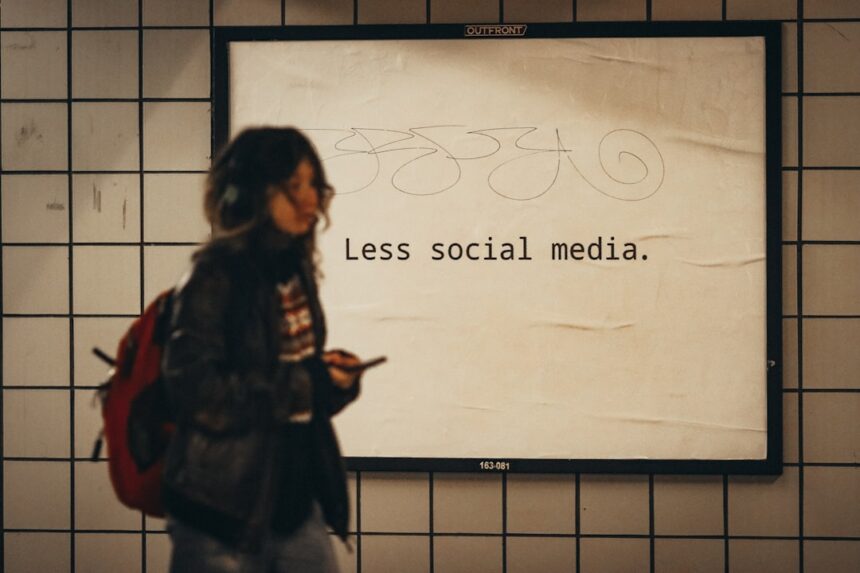
You’re at a party, the music is playing, people are laughing, and yet, you feel like you’re watching it all from behind a pane of glass. Their words reach you, but they don’t quite land. Their smiles seem distant, their gestures foreign. You’re present, physically, but mentally, you’re adrift, detached from the vibrant tapestry of human connection that surrounds you. This sensation of feeling unreal, of being disconnected in social situations, is a disorienting and often isolating experience. It’s not a failing on your part, but a response your mind and body are having to a variety of internal and external factors. Understanding this feeling and developing strategies to navigate it is crucial for your well-being.
This feeling of unreality, often described as depersonalization or derealization, can manifest in various ways. It’s that pervasive sense of detachment, as if you’re an observer in your own life, or as if the world around you has lost its solidity, its tangible reality. In social settings, this disconnection can be amplified, making genuine interaction feel like an impossible feat.
What Does it Mean to Feel Unreal?
To feel unreal in a social context often means that your internal experience of yourself and the environment doesn’t match the objective reality. This can include:
A Sense of Detachment from Your Body:
You might feel like your limbs don’t quite belong to you, or that your voice sounds foreign and distant. It can be as if you are piloting a body rather than inhabiting it. This physical disconnect can make it hard to feel grounded and present.
A Feeling of Observing Yourself from Outside:
Imagine watching yourself interact, as if you are a character in a film. This external perspective can create a profound sense of not being truly there, even when you’re actively participating in a conversation. The emotional resonance of the moment is dulled.
The World Appears Distant or Dreamlike:
The colors might seem muted, the sounds muffled. People’s faces might appear unfocused, their expressions hard to read. This perceptual distortion contributes to the feeling that the situation is not entirely real, making it difficult to engage authentically.
Emotional Numbness:
While you might intellectually understand social cues, the emotional impact is often missing. Laughter might not trigger corresponding amusement, or a sad story might not evoke the expected empathy. This emotional disconnect creates a barrier to genuine connection.
The Role of Anxiety in Social Unreality
Anxiety is a significant driver of these feelings of unreality. When your nervous system is in overdrive, attempting to process perceived threats (even in seemingly benign social situations), it can trigger defense mechanisms that lead to detachment.
Fight, Flight, Freeze, and Fawn in Social Settings:
Your body’s ancient survival responses can manifest in subtle ways during social interactions. The “freeze” response, in particular, can lead to a feeling of mental paralysis and detachment from your surroundings. Your mind might shut down or go into a hyper-vigilant state, leading to a sense of unreality as a way to cope with overwhelming stimuli.
The Overthinking Loop:
Anxious thoughts can spiral, focusing on potential missteps, judgments, or awkward silences. This intense internal focus serves as a distraction from the present moment, pulling you away from the social interaction and into your own head, reinforcing the feeling of being unreal.
Many individuals experience a sense of unreality in social situations, often described as feeling detached or disconnected from their surroundings. This phenomenon can be linked to various psychological factors, including anxiety and depersonalization. For further insights into this topic, you can explore the article on social disconnection and its effects on mental health at Unplugged Psych.
Navigating the Social Maze: Triggers and Manifestations
Understanding when and why these feelings surface is your first step toward managing them. Social situations, with their inherent pressures and complexities, can be potent triggers for this sense of disconnection.
Common Social Triggers for Disconnection
Certain environments and social dynamics are more likely to precipitate feelings of unreality. Recognizing these triggers allows you to anticipate and prepare for them.
Large Group Gatherings:
The sheer volume of people, noise, and social demands in a party or a crowded event can be overwhelming. Your brain, struggling to process all the input, might resort to detachment as a way to manage the sensory overload.
Situations with High Social Stakes:
Job interviews, first dates, or important networking events can induce significant anxiety. The pressure to perform, to make a good impression, can lead to a feeling of being disconnected from your authentic self, appearing more like a curated persona.
Interactions with Unfamiliar People:
When you don’t have established rapport or shared history with individuals, the social dance can feel more uncertain and strained. This uncertainty can contribute to feelings of being out of sync or not fully present.
Experiencing Social Rejection (or the Fear of It):
Past experiences of feeling excluded, judged, or misunderstood can create a heightened sensitivity to potential rejection. This fear can lead to a preemptive emotional withdrawal, a feeling of not belonging that manifests as unreality.
How Disconnection Plays Out in Interactions
The feeling of being unreal doesn’t just exist in your internal monologue; it can subtly, or not so subtly, affect your outward behavior and the way others perceive you.
Stinted Conversation and Limited Engagement:
When you feel disconnected, it’s harder to initiate conversations or contribute meaningfully to existing ones. You might offer brief responses, avoid eye contact, or appear disengaged, perpetuating the cycle of disconnection.
Difficulty Reading and Responding to Social Cues:
The nuances of body language, tone of voice, and facial expressions can become blurred or misinterpreted when you’re feeling detached. This can lead to socially awkward moments or a feeling of being out of sync with the group’s emotional temperature.
A Sense of Performing Rather Than Being:
You might find yourself going through the motions of social interaction, mimicking expected behaviors without feeling any genuine connection to them. This can be exhausting and further reinforce the sense of being inauthentic.
Reclaiming Presence: Strategies for Re-grounding
The good news is that you are not permanently adrift. There are practical and effective strategies you can employ to gradually re-ground yourself in social situations and foster a sense of genuine connection.
Mindfulness and Grounding Techniques
These techniques are designed to bring your awareness back to the present moment, anchoring you to your physical body and your immediate surroundings.
Deep Breathing Exercises:
Simple, intentional breathing can be incredibly powerful. Focus on the sensation of air entering and leaving your lungs. Count your breaths, or pay attention to the rise and fall of your chest. This simple act can interrupt anxious thought spirals.
Sensory Awareness:
Actively engage your senses. What do you see? What do you hear? What do you feel against your skin? Focus on the details – the texture of your clothing, the scent in the room, the sounds in the background. This brings you back into the physical world.
Body Scan Meditation:
Mentally scan your body from head to toe, noticing any sensations without judgment. Observe tension, warmth, coolness, or any other physical feelings. This practice cultivates a deeper awareness of your physical self.
Cognitive Reframing and Self-Compassion
Your thoughts play a significant role in how you experience social situations. Challenging negative thought patterns and cultivating self-kindness are vital.
Identifying and Challenging Negative Self-Talk:
Become aware of the stories you tell yourself about social interactions. Are they rooted in factual evidence, or are they assumptions and fears? Actively question these thoughts and look for evidence that contradicts them.
Practicing Self-Compassion:
Treat yourself with the same kindness and understanding you would offer a friend who is struggling. Acknowledge that feeling unreal is difficult and that you are doing your best. Avoid self-criticism, which only exacerbates the problem.
Focusing on Small Wins:
Celebrate even the smallest moments of connection or presence. Did you manage a brief, comfortable exchange? Did you feel a moment of genuine amusement? Acknowledge these successes, no matter how fleeting.
Building Bridges: Fostering Genuine Connection

Once you begin to feel more present, the next step is to actively cultivate deeper connections with others. This is a process that requires patience and a willingness to be vulnerable.
The Art of Active Listening
True listening goes beyond simply hearing words; it involves understanding and engaging with what the other person is communicating.
Paying Full Attention:
When someone is speaking, dedicate your full mental and physical attention to them. Put away distractions, make eye contact (if comfortable), and resist the urge to formulate your response while they are still talking.
Seeking to Understand:
Ask clarifying questions. Paraphrase what you’ve heard to ensure you understand their perspective. This shows genuine interest and encourages deeper dialogue.
Empathic Resonance:
Try to connect with the emotions behind their words. Even if you don’t feel the exact same emotion, acknowledge and validate their feelings. “It sounds like that was really frustrating for you” can be incredibly powerful.
Gradual Exposure and Skill Building
Stepping outside your comfort zone, even in small increments, is essential for building confidence and improving your social skills.
Starting Small and Building Up:
Begin with low-pressure social interactions. A brief chat with a cashier, a quick conversation with a colleague, or a coffee with a friend. Gradually increase the duration and complexity of your social engagements.
Practicing Social Skills in Safe Environments:
Role-playing conversations with a trusted friend or therapist can help you practice different scenarios and build confidence in your ability to handle them.
Joining Communities of Interest:
Engaging in activities that genuinely interest you provides a natural foundation for connection. Shared passions create common ground and make initiating conversations easier.
Many individuals experience a sense of unreality in social situations, often feeling disconnected from themselves or their surroundings. This phenomenon can be quite disconcerting and may lead to increased anxiety or discomfort in social settings. For those seeking to understand this feeling better, an insightful article can be found at Unplugged Psych, which explores the psychological aspects of social anxiety and the sensation of depersonalization. Understanding these feelings can be the first step toward finding effective coping strategies.
When to Seek Professional Support
| Metrics | Data |
|---|---|
| Percentage of people feeling unreal in social situations | 25% |
| Age group most affected | 18-24 years old |
| Common triggers | Crowded places, public speaking, meeting new people |
| Impact on daily life | Difficulty in social interactions, avoidance of social events |
While self-help strategies can be highly effective, there are times when the feeling of unreality is more persistent or debilitating, and professional intervention is necessary.
Recognizing When it’s More Than Just a Bad Day
If the feelings of dissociation are a regular occurrence, interfere significantly with your daily life, or are accompanied by other distressing symptoms, it’s a signal to seek help.
Persistent and Pervasive Feelings:
If the unreality doesn’t dissipate after individual social encounters and colors your overall experience of the world for extended periods, it indicates a deeper issue.
Impact on Daily Functioning:
When these feelings hinder your ability to work, maintain relationships, or engage in activities you once enjoyed, it’s a clear sign that professional support is needed.
Co-occurring Symptoms:
The presence of other mental health concerns, such as intense anxiety, depression, trauma-related symptoms, or panic attacks, often warrants professional evaluation and treatment.
Types of Professional Help Available
Various therapeutic approaches can effectively address feelings of unreality and disconnection.
Cognitive Behavioral Therapy (CBT):
CBT helps you identify and challenge negative thought patterns and develop more adaptive coping mechanisms for anxiety and dissociation.
Dialectical Behavior Therapy (DBT):
DBT, with its emphasis on mindfulness, distress tolerance, emotion regulation, and interpersonal effectiveness, is particularly well-suited for managing chronic feelings of unreality and improving social functioning.
Trauma-Informed Therapies:
If your feelings of unreality are linked to past traumatic experiences, therapies like EMDR (Eye Movement Desensitization and Reprocessing) or somatic therapies can be highly beneficial in processing those experiences.
Medication (when appropriate):
In some cases, medication may be prescribed to manage underlying anxiety or depression that contributes to dissociation. This is typically used in conjunction with therapy.
The journey of feeling present and connected in social situations is an ongoing one. By understanding the nature of this disconnection, identifying your triggers, and actively employing coping strategies, you can gradually move from behind the glass to standing firmly within the vibrant, shared reality of human experience. Remember to be patient with yourself, celebrate your progress, and don’t hesitate to reach out for support when you need it.
FAQs
What is the feeling of unreality in social situations?
The feeling of unreality in social situations, also known as depersonalization, is a mental health condition characterized by feeling detached from one’s thoughts, feelings, and surroundings. It can make individuals feel like they are observing themselves from outside their body or like the world around them is unreal.
What are the common symptoms of feeling unreal in social situations?
Common symptoms of feeling unreal in social situations include a sense of detachment from oneself, feeling like an outside observer of one’s thoughts and actions, emotional numbness, and a distorted perception of time and space. Individuals may also experience anxiety, panic attacks, and difficulty connecting with others.
What causes the feeling of unreality in social situations?
The feeling of unreality in social situations can be caused by various factors, including trauma, stress, anxiety, depression, substance abuse, and certain mental health disorders such as dissociative disorders. It can also be a coping mechanism in response to overwhelming or distressing situations.
How is the feeling of unreality in social situations diagnosed?
Diagnosing the feeling of unreality in social situations typically involves a comprehensive evaluation by a mental health professional, including a thorough assessment of symptoms, medical history, and any underlying mental health conditions. The professional may also use standardized questionnaires and interviews to aid in the diagnosis.
What are the treatment options for the feeling of unreality in social situations?
Treatment for the feeling of unreality in social situations may include therapy, such as cognitive-behavioral therapy (CBT) or dialectical behavior therapy (DBT), to help individuals understand and manage their symptoms. Medications, such as antidepressants or anti-anxiety medications, may also be prescribed in some cases. It’s important for individuals to seek professional help to determine the most appropriate treatment plan for their specific needs.