
You may find yourself sitting in silence, your mind racing with thoughts that seem to spiral out of control. This feeling of being trapped can be overwhelming, as if you are caught in a web of your own making. The weight of expectations, both from yourself and others, can create a suffocating atmosphere that makes it difficult to breathe, let alone meditate.
You might feel as though you are stuck in a cycle of frustration, where every attempt to quiet your mind only amplifies the noise within. This struggle is not uncommon; many who embark on a meditation journey encounter similar feelings of entrapment. As you sit with these emotions, it’s essential to acknowledge them rather than push them away.
Recognizing that feeling trapped is part of the human experience can be liberating. You may realize that this sensation is not a reflection of your worth or ability but rather a natural response to the challenges of stillness. By allowing yourself to feel these emotions without judgment, you create space for growth and understanding.
Embracing this struggle can ultimately lead you to deeper insights about yourself and your meditation practice.
Key Takeaways
- Feeling trapped during meditation is a common mental and emotional challenge that requires understanding its roots.
- Overcoming resistance and frustration involves exploring various meditation techniques and cultivating patience.
- Support from teachers and communities can provide guidance and encouragement in the meditation journey.
- Self-compassion and mindfulness are key tools to navigate and release feelings of being trapped.
- Incorporating movement and embracing the meditation process helps find freedom within the struggle.
Understanding the Roots of Feeling Trapped in Meditation
To navigate the feelings of being trapped, it’s crucial to explore their origins. Often, these feelings stem from a combination of societal pressures, personal expectations, and the inherent challenges of quieting the mind. You might find that the desire for immediate results in your meditation practice creates an internal conflict.
When you sit down to meditate, you may expect instant peace or clarity, but the reality is often far more complex. This disconnect can lead to frustration and a sense of entrapment. Additionally, past experiences and conditioning can play a significant role in how you perceive meditation.
If you have been taught to value productivity and achievement, the act of sitting still may feel counterintuitive.
Understanding these roots can help you reframe your approach to meditation, allowing you to cultivate a more compassionate and patient mindset.
Overcoming Resistance and Frustration in Meditation Practice
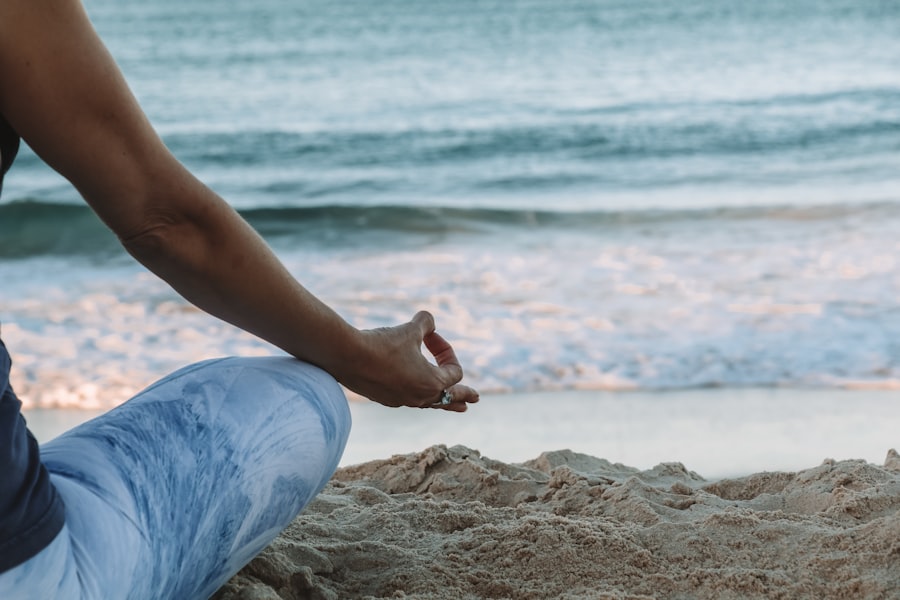
Resistance is a common hurdle in meditation, and recognizing it is the first step toward overcoming it. You may notice that as soon as you settle into your practice, thoughts of doubt or distraction arise. This resistance can manifest as an urge to check your phone, plan your day, or even abandon the practice altogether.
Acknowledging this resistance without judgment is vital; it’s a natural part of the process. Instead of fighting against it, consider leaning into it. Ask yourself what these feelings are trying to teach you about your relationship with meditation.
Frustration often accompanies resistance, leading to a cycle that can feel impossible to break. You might find yourself questioning whether you’re doing it “right” or if meditation is even worth your time. It’s essential to remind yourself that meditation is not about achieving perfection but rather about cultivating awareness and presence.
By reframing your expectations and allowing yourself to experience the full range of emotions during your practice, you can begin to dissolve the barriers that keep you feeling trapped.
Exploring Different Meditation Techniques to Alleviate Feelings of Being Trapped
If traditional meditation techniques leave you feeling confined, exploring alternative methods may provide relief. You might consider trying guided meditations that offer structure and direction, helping you feel less lost in your thoughts. These guided sessions can serve as a gentle introduction to mindfulness, allowing you to focus on the voice leading you rather than the chaos within your mind.
Another approach is to experiment with movement-based meditations, such as yoga or walking meditation. These practices allow you to engage your body while still cultivating mindfulness, which can alleviate feelings of restlessness or entrapment. As you explore different techniques, pay attention to how each one resonates with you.
Finding a method that feels comfortable and liberating can transform your meditation experience from one of struggle to one of freedom.
Seeking Support and Guidance from Meditation Teachers and Communities
| Reason | Description | Common Symptoms | Suggested Solutions |
|---|---|---|---|
| Overwhelm from Thoughts | Feeling trapped when the mind is flooded with racing or intrusive thoughts during meditation. | Anxiety, restlessness, inability to focus. | Practice guided meditation, focus on breath, use shorter sessions. |
| Physical Discomfort | Uncomfortable posture or bodily sensations causing a sense of being stuck. | Muscle pain, numbness, fidgeting. | Adjust posture, use cushions, take breaks to stretch. |
| Emotional Resistance | Unresolved emotions surface, creating a feeling of being trapped in negative states. | Sadness, frustration, irritability. | Practice self-compassion, seek guidance, journal feelings. |
| Unrealistic Expectations | Expecting immediate calm or enlightenment leading to disappointment and feeling stuck. | Impatience, discouragement, quitting meditation. | Set realistic goals, be patient, focus on process over outcome. |
| Lack of Proper Guidance | Not knowing how to meditate correctly can cause confusion and a trapped sensation. | Confusion, frustration, inconsistent practice. | Use apps, attend classes, read reliable resources. |
You don’t have to navigate the challenges of meditation alone. Seeking support from experienced teachers or joining a meditation community can provide valuable insights and encouragement. Connecting with others who share similar struggles can help normalize your experiences and remind you that feeling trapped is part of the journey for many practitioners.
Teachers can offer guidance tailored to your unique needs, helping you develop strategies to overcome feelings of entrapment. They may introduce you to new techniques or provide reassurance that your experiences are valid. Engaging with a community allows for shared learning and support, creating a sense of belonging that can enhance your practice.
Remember, reaching out for help is not a sign of weakness but rather an acknowledgment of your commitment to growth.
Cultivating Patience and Acceptance in the Meditation Process

Patience is a vital quality in any meditation practice, especially when grappling with feelings of being trapped. You may find that progress comes in waves; some days will feel fluid and expansive, while others may feel stagnant and frustrating. Cultivating patience allows you to embrace this ebb and flow without becoming disheartened by setbacks.
Acceptance plays a complementary role in this process. By accepting where you are in your practice—whether it’s feeling restless or overwhelmed—you create space for growth without judgment. This acceptance doesn’t mean resigning yourself to discomfort; rather, it’s about acknowledging your current state while remaining open to change.
As you cultivate patience and acceptance, you may discover that the struggle itself becomes a valuable teacher on your journey.
The Role of Self-Compassion and Self-Kindness in Dealing with Feeling Trapped
In moments when you feel trapped in your meditation practice, self-compassion becomes an essential tool for navigating these emotions. You might be tempted to criticize yourself for not achieving the desired state of calm or clarity, but this inner dialogue only perpetuates feelings of entrapment. Instead, practice speaking to yourself with kindness and understanding, just as you would with a friend facing similar challenges.
Self-compassion allows you to acknowledge your struggles without judgment, creating an environment where growth can flourish. When you approach your practice with kindness, you may find that feelings of frustration begin to dissipate. Embracing self-compassion fosters resilience and encourages you to continue exploring your meditation journey with an open heart.
Addressing Physical Discomfort and Restlessness in Meditation
Physical discomfort can significantly contribute to feelings of being trapped during meditation. You may find it challenging to focus when your body feels restless or tense. It’s essential to listen to your body and make adjustments as needed; this could mean changing your posture, using props for support, or even taking breaks when necessary.
Incorporating gentle stretches or mindful movements before or after your meditation session can also help alleviate physical discomfort. By addressing these sensations with awareness rather than resistance, you create a more conducive environment for meditation. Remember that discomfort is not inherently negative; it can serve as an opportunity for deeper awareness and understanding of your body’s needs.
Using Mindfulness to Navigate and Release Feelings of Being Trapped
Mindfulness is a powerful tool for navigating feelings of being trapped in meditation. By bringing awareness to your thoughts and emotions without judgment, you create space for exploration and understanding. When feelings of entrapment arise, take a moment to pause and observe them without trying to change or escape from them.
You might find it helpful to label these feelings as they arise—“This is frustration,” or “This is restlessness.” By acknowledging them in this way, you create distance between yourself and the emotions, allowing them to exist without overwhelming you. This practice can help you cultivate a sense of freedom within the struggle, transforming feelings of being trapped into opportunities for growth.
Incorporating Movement and Mindful Activities into Meditation Practice
If sitting still feels confining, consider incorporating movement into your meditation practice. Activities such as walking meditation or mindful yoga allow you to engage both body and mind while cultivating awareness. These practices can help alleviate feelings of restlessness and provide a sense of liberation from the confines of traditional seated meditation.
Engaging in mindful activities outside of formal meditation sessions can also enhance your overall practice. Whether it’s cooking, gardening, or simply taking a mindful walk in nature, these activities allow you to bring mindfulness into everyday life. By integrating movement and mindfulness into your routine, you create opportunities for connection and presence that extend beyond the cushion.
Embracing the Journey of Meditation and Finding Freedom within the Struggle
Ultimately, embracing the journey of meditation means accepting both the struggles and triumphs along the way. You may encounter moments of feeling trapped, but these experiences are integral parts of your growth as a practitioner. Rather than viewing them as obstacles, consider them stepping stones toward deeper understanding and connection with yourself.
Finding freedom within the struggle requires patience, self-compassion, and an open heart. As you navigate the complexities of your meditation practice, remember that each moment—whether filled with ease or challenge—contributes to your journey toward greater awareness and presence. Embrace this journey wholeheartedly; within it lies the potential for profound transformation and liberation from the confines of feeling trapped.
Meditation can sometimes evoke feelings of being trapped, as individuals may struggle with their thoughts and emotions during practice. This phenomenon is explored in greater depth in the article on Unplugged Psych, which discusses the psychological barriers that can arise during meditation. For more insights on this topic, you can read the article [here](https://www.unpluggedpsych.com/sample-page/).
WATCH THIS! 🧠 The Enlightenment Trap: Why Toxic Positivity Is Just Fear in a Robe
FAQs
What does it mean to feel “trapped” during meditation?
Feeling “trapped” during meditation refers to a sensation of being stuck, restless, or unable to relax and let go. This can manifest as physical discomfort, mental agitation, or emotional unease, making it difficult to achieve a calm and focused meditative state.
Why do some people feel trapped or uncomfortable when meditating?
People may feel trapped during meditation due to various reasons such as unresolved emotional issues, anxiety, restlessness, or unfamiliarity with the practice. The stillness and silence can sometimes bring suppressed thoughts and feelings to the surface, which can be unsettling.
Is feeling trapped during meditation a common experience?
Yes, it is relatively common, especially for beginners or those new to meditation. Many practitioners encounter moments of discomfort or resistance as they learn to quiet the mind and sit with their thoughts and emotions.
How can one overcome the feeling of being trapped during meditation?
To overcome this feeling, it can help to start with shorter sessions, focus on guided meditations, practice mindful breathing, or try different meditation techniques. Being patient and gentle with oneself, and gradually building comfort with stillness, can also reduce feelings of being trapped.
Can physical posture affect the feeling of being trapped in meditation?
Yes, an uncomfortable or strained posture can contribute to feelings of being trapped. Ensuring a comfortable, relaxed position with proper support can help reduce physical tension and promote a more pleasant meditation experience.
Is it normal for meditation to bring up difficult emotions?
Yes, meditation can sometimes bring difficult emotions or thoughts to the surface as the mind becomes quieter. This is a natural part of the process and can be an opportunity for self-awareness and healing.
Should someone stop meditating if they feel trapped or uncomfortable?
Not necessarily. It is important to listen to your body and mind. If discomfort is intense or persistent, it may be helpful to take a break, try different techniques, or seek guidance from an experienced meditation teacher or mental health professional.
Can meditation techniques be adjusted to reduce the feeling of being trapped?
Yes, meditation techniques can be tailored to individual needs. For example, moving from silent meditation to guided meditation, incorporating movement-based practices like walking meditation, or focusing on breath or body sensations can help alleviate feelings of being trapped.