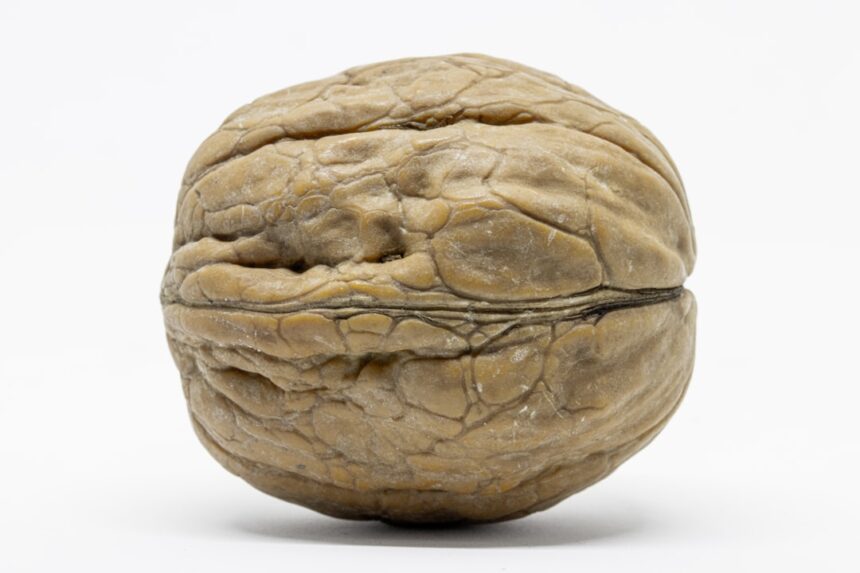
Feeding your brain is a crucial aspect of maintaining optimal cognitive function and overall well-being. Just as a car requires the right fuel to run efficiently, your brain needs a steady supply of nutrients to perform its complex tasks, from memory and learning to mood regulation and executive functions. This article will explore the scientific evidence supporting the link between nutrition and brain health, and provide practical tips for optimizing your dietary choices to nourish this vital organ.
Your brain, though only about 2% of your body’s weight, is an energy-hungry organ. It consumes approximately 20% of your body’s total oxygen and calorie intake. This high metabolic demand underscores the importance of providing it with the right building blocks and fuel. Think of your brain as a sophisticated supercomputer; it requires precise programming and high-quality energy to execute its intricate operations flawlessly.
The Building Blocks of Brain Structure and Function
The brain is primarily composed of fats, proteins, and water. These macronutrients are essential for the formation of neurons, the communication pathways (synapses), and the protective sheaths (myelin) that enable rapid signal transmission.
Fats: The Essential Scaffolding of Neurons
Lipids, particularly the omega-3 fatty acids, are a cornerstone of brain health. They are integral components of cell membranes, influencing their fluidity and the efficiency of neurotransmitter signaling.
Omega-3 Fatty Acids: The Brain’s Lubricant
Docosahexaenoic acid (DHA) and eicosapentaenoic acid (EPA) are the most vital omega-3s for the brain. DHA is a primary structural fat in the brain’s gray matter and retina. Studies have consistently shown a correlation between adequate omega-3 intake and improved cognitive function, including memory and learning. Low levels of DHA have been associated with an increased risk of cognitive decline and neurodegenerative diseases. Your brain is like a vast network of communication cables, and omega-3s help ensure these cables are well-insulated and transmit signals smoothly.
- Sources of Omega-3s: Fatty fish such as salmon, mackerel, sardines, and anchovies are excellent dietary sources. Plant-based sources include flaxseeds, chia seeds, and walnuts, which provide alpha-linolenic acid (ALA), a precursor that the body can convert into DHA and EPA, though less efficiently.
Other Beneficial Fats
While omega-3s are paramount, other healthy fats, such as monounsaturated fats found in olive oil, avocados, and nuts, also contribute to overall brain health by supporting cell membrane integrity and reducing inflammation.
Proteins: The Neurotransmitter Factories
Proteins are broken down into amino acids, which are the fundamental units for synthesizing neurotransmitters – the chemical messengers that facilitate communication between neurons.
Amino Acids and Neurotransmitter Production
Key amino acids like tryptophan, tyrosine, and phenylalanine are precursors to important neurotransmitters such as serotonin, dopamine, and norepinephrine. These neurotransmitters play critical roles in regulating mood, motivation, attention, and sleep. Without sufficient amino acids derived from protein, your brain’s ability to produce these vital chemical messengers can be compromised. Imagine neurotransmitters as the tiny delivery trucks in your brain; proteins are the factories that build these trucks.
- Complete Protein Sources: Animal products like lean meats, poultry, fish, eggs, and dairy provide complete proteins, containing all essential amino acids.
- Plant-Based Protein Sources: Legumes (beans, lentils, peas), tofu, tempeh, nuts, and seeds are also valuable protein sources, especially when consumed as part of a varied diet to ensure a full spectrum of amino acids.
Water: The Cognitive Solvent
Water constitutes about 75% of the brain’s volume and is essential for all its functions. It maintains the brain’s structure, facilitates nutrient transport, and removes waste products.
Hydration and Cognitive Performance
Even mild dehydration can impair cognitive functions such as attention, memory, and executive function. It can also lead to headaches and fatigue, further hindering mental performance. Ensuring consistent hydration is as fundamental to brain function as ensuring the power supply to your computer.
- Recommended Daily Intake: General recommendations suggest around eight 8-ounce glasses of water per day, but individual needs vary based on activity level, climate, and overall health. Listen to your body’s thirst signals.
Micronutrients: The Vital Co-factors and Antioxidants
Beyond macronutrients, a wide array of vitamins and minerals acts as crucial co-factors in enzymatic reactions within the brain and as powerful antioxidants protecting brain cells from damage.
Vitamins: Essential for Neural Processes
Various vitamins are indispensable for the brain’s complex machinery.
B Vitamins: The Energy Managers
B vitamins, particularly B6, B12, and folate (B9), are critical for energy metabolism in the brain and for the synthesis of neurotransmitters and myelin. Deficiencies in these vitamins can lead to a range of neurological issues, including cognitive impairment, fatigue, and mood disturbances. They are like the diligent foremen overseeing the smooth operation of the brain’s energy production and communication lines.
- B12 Deficiency: This is a particular concern for vegans and vegetarians, as B12 is primarily found in animal products. Supplementation may be necessary.
- Sources of B Vitamins: Whole grains, leafy green vegetables, lean meats, fish, eggs, and dairy products are good sources.
Vitamin C: The Antioxidant Shield
Vitamin C is a potent antioxidant that helps protect brain cells from oxidative stress caused by free radicals. It also plays a role in neurotransmitter synthesis. It’s a crucial line of defense, like a protective shield for your brain against the ravages of cellular aging.
- Sources of Vitamin C: Citrus fruits, berries, kiwi, bell peppers, and leafy greens.
Vitamin D: More Than Just Bone Health
Emerging research suggests vitamin D plays a role in brain development, neurotransmission, and neuroprotection. Low vitamin D levels have been linked to an increased risk of cognitive impairment and mood disorders. It acts as a signaling molecule, influencing various brain functions.
- Sources of Vitamin D: Sunlight exposure (the body synthesizes vitamin D from UV B rays), fatty fish, fortified dairy products, and supplements.
Vitamin E: The Lipid Protector
Vitamin E, an antioxidant, specifically protects the lipids (fats) in brain cell membranes from oxidative damage.
- Sources of Vitamin E: Nuts, seeds, vegetable oils, and leafy green vegetables.
Minerals: The Essential Regulators
Minerals work in concert with vitamins and other nutrients to support brain health.
Magnesium: The Calm Regulator
Magnesium is involved in over 300 enzymatic reactions in the body, many of which occur in the brain. It plays a role in neurotransmitter function, nerve signal transmission, and protecting against excitotoxicity (overstimulation of neurons). It acts as a subtle brake pedal, helping to regulate neuronal activity and prevent overexcitation.
- Sources of Magnesium: Leafy green vegetables, nuts, seeds, whole grains, and dark chocolate.
Zinc: The Synaptic Communicator
Zinc is crucial for synaptic plasticity, the ability of synapses to strengthen or weaken over time, which is fundamental for learning and memory. It also plays a role in neurotransmitter release.
- Sources of Zinc: Oysters, red meat, poultry, beans, nuts, and whole grains.
Iron: The Oxygen Carrier
Iron is essential for the production of hemoglobin, which carries oxygen to the brain. Iron deficiency anemia can lead to fatigue, poor concentration, and cognitive impairment. It’s the crucial component in the delivery trucks that bring oxygen, the lifeblood of thought, to your brain.
- Sources of Iron: Red meat, poultry, fish, beans, lentils, and fortified cereals.
To explore the topic of brain health and safety evidence in greater detail, you may find the article on brain nutrition and cognitive function particularly insightful. It discusses various dietary approaches that can enhance brain performance while emphasizing the importance of safety in food choices. For more information, visit the article here: Brain Nutrition and Cognitive Function.
Gut-Brain Axis: The Two-Way Communication Superhighway
The connection between your gut and your brain, known as the gut-brain axis, is a complex bidirectional communication system. The health of your gut microbiome – the trillions of microorganisms residing in your digestive tract – has a profound impact on your brain function and mental well-being. This axis is an intricate network, a hidden telephone line connecting your digestive system to your central nervous system.
The Microbiome’s Influence on Brain Chemistry
Gut bacteria produce a variety of neuroactive compounds, including neurotransmitters like serotonin and GABA, short-chain fatty acids (SCFAs), and vitamins. These substances can influence mood, stress responses, and cognitive function.
Serotonin Production in the Gut
A significant portion of the body’s serotonin, a key neurotransmitter involved in mood regulation, is produced in the gut rather than the brain. The composition of your gut microbiome can influence serotonin levels, thereby impacting your mental state.
Short-Chain Fatty Acids (SCFAs)
SCFAs, produced by the fermentation of dietary fiber by gut bacteria, have been shown to have anti-inflammatory effects and can cross the blood-brain barrier, influencing brain health and behavior. They are like beneficial byproducts generated by your internal ecosystem, with far-reaching effects.
Promoting a Healthy Gut Microbiome
A diverse and balanced gut microbiome is associated with better health outcomes.
The Role of Fiber
Dietary fiber is the primary food source for beneficial gut bacteria. Consuming a variety of fiber-rich foods promotes the growth of a diverse and healthy microbiome.
- Sources of Fiber: Fruits, vegetables, whole grains, legumes, nuts, and seeds.
Fermented Foods: Probiotic Powerhouses
Fermented foods, such as yogurt with live and active cultures, kefir, sauerkraut, kimchi, and kombucha, contain live beneficial bacteria (probiotics) that can contribute to gut health.
Limiting Processed Foods and Artificial Sweeteners
Highly processed foods, excessive sugar, and artificial sweeteners can negatively impact the balance of the gut microbiome, potentially leading to inflammation and other health issues.
Antioxidants and Anti-Inflammatory Foods: Protecting Your Brain from Damage
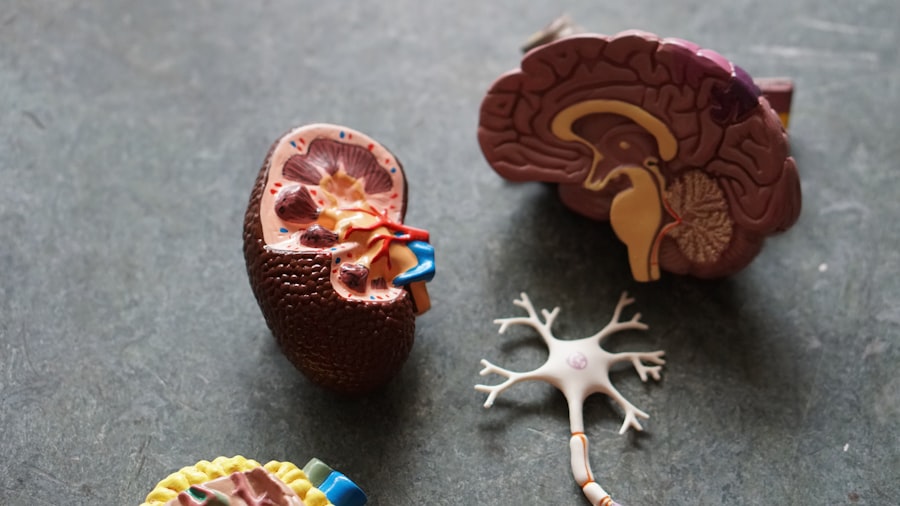
Oxidative stress and chronic inflammation are insidious enemies of brain health, contributing to cognitive decline and neurodegenerative diseases. Fortunately, a diet rich in antioxidants and anti-inflammatory compounds can act as a powerful defense mechanism.
The Damage of Oxidative Stress
Free radicals are unstable molecules that can damage cells, including neurons, through a process called oxidation. This damage accumulates over time, akin to rust forming on an unprotected metal object, leading to impaired function and increased disease risk.
Antioxidants as Cellular Defenders
Antioxidants neutralize free radicals, preventing them from causing cellular damage. These compounds are found in abundance in colorful fruits and vegetables. They are the vigilant sentinels of your brain cells, neutralizing harmful molecules before they can inflict damage.
Key Antioxidant Compounds
- Flavonoids: Found in berries, apples, citrus fruits, tea, and dark chocolate, flavonoids have powerful antioxidant and anti-inflammatory properties.
- Carotenoids: Pigments found in orange, yellow, and red fruits and vegetables like carrots, sweet potatoes, and spinach, carotenoids are converted into vitamin A and act as antioxidants.
- Vitamin C and E: As mentioned previously, these vitamins also serve as potent antioxidants.
The Silent Threat of Inflammation
Chronic, low-grade inflammation throughout the body can negatively impact the brain, contributing to neuroinflammation and a decline in cognitive function.
Anti-Inflammatory Dietary Strategies
Incorporating foods with anti-inflammatory properties can help mitigate this risk.
- Omega-3 Fatty Acids: As discussed earlier, these are potent anti-inflammatory agents.
- Turmeric and Curcumin: The active compound in turmeric, curcumin, is a powerful anti-inflammatory and antioxidant.
- Ginger: Another spice with significant anti-inflammatory properties.
- Leafy Greens: Rich in vitamins, minerals, and antioxidants, they combat inflammation.
- Berries: Their high antioxidant content helps reduce inflammation.
Practical Tips for Optimizing Your Brain Diet
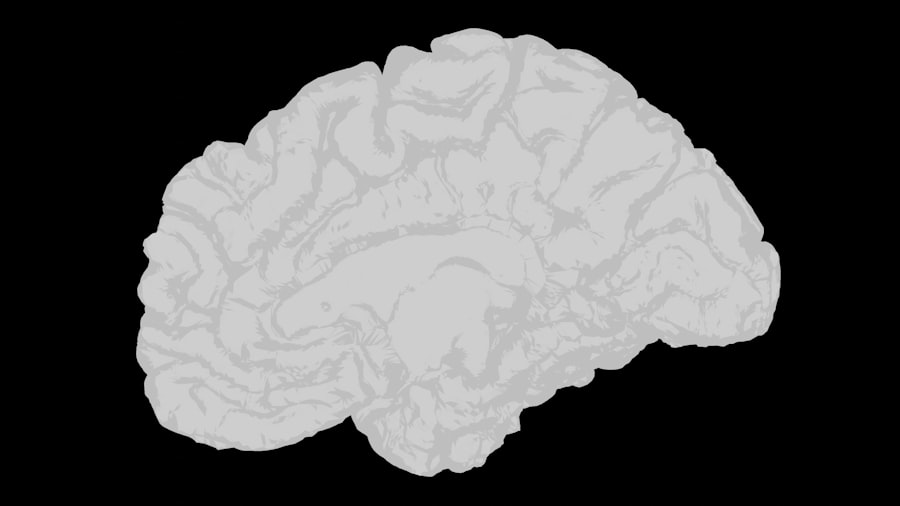
Translating nutritional science into actionable dietary choices is key to nurturing your brain. These practical strategies can help you build a brain-protective eating pattern.
Embrace a Whole-Foods, Plant-Based Approach
Prioritizing whole, unprocessed foods derived from plants forms the foundation of a brain-healthy diet. These foods are naturally rich in the vitamins, minerals, fiber, and antioxidants your brain needs.
- Fill your plate with color: Aim for a variety of fruits and vegetables of different colors to ensure a broad spectrum of nutrients.
- Choose whole grains: Opt for brown rice, quinoa, oats, and whole-wheat bread over refined grains.
- Incorporate legumes: Beans, lentils, and peas are excellent sources of protein, fiber, and essential micronutrients.
Strategic Supplementation: When to Consider It
While a balanced diet should be your primary focus, there may be instances where supplementation is beneficial.
Identifying Deficiencies
If you have a diagnosed nutrient deficiency, such as vitamin B12 or vitamin D, supplementation may be recommended by your healthcare provider.
Specific Life Stages
Pregnant and breastfeeding women, as well as older adults, may have increased nutritional needs that can be addressed with targeted supplements.
Omega-3 Supplements
For individuals who do not consume fatty fish regularly, an omega-3 supplement can be a valuable addition to ensure adequate intake of EPA and DHA.
- Quality matters: Choose reputable brands that provide third-party testing for purity and potency.
Mindful Eating and Lifestyle Integration
Nutrition is just one piece of the puzzle. Integrating mindful eating practices and healthy lifestyle habits can further enhance brain health.
Prioritizing Sleep
Adequate sleep is crucial for memory consolidation and brain repair. Aim for 7-9 hours of quality sleep per night.
Regular Physical Activity
Exercise increases blood flow to the brain, promotes the growth of new neurons, and reduces inflammation.
Stress Management
Chronic stress can negatively impact brain structure and function. Incorporate stress-reducing techniques like meditation, yoga, or deep breathing exercises.
The Importance of Hydration
As highlighted earlier, consistently drinking enough water is fundamental. Make water your primary beverage and keep a water bottle handy throughout the day.
Limiting Detrimental Foods
While focusing on what to eat, it’s equally important to be mindful of what to limit.
Sugar and Processed Carbohydrates
Excessive intake of added sugars and refined carbohydrates can contribute to inflammation, insulin resistance, and cognitive decline.
Unhealthy Fats
Trans fats and excessive saturated fats found in fried foods and processed snacks should be avoided as they can negatively impact brain health and increase inflammation.
Excessive Alcohol Consumption
While moderate alcohol consumption may have some debated benefits, excessive intake is detrimental to brain health, impairing cognitive function and increasing the risk of neurological disorders.
Feeding the brain with the right nutrients is crucial for maintaining cognitive health and enhancing overall mental performance. A related article that delves into the safety evidence surrounding brain nutrition can be found on Unplugged Psych. This resource offers valuable insights into how specific foods and supplements can support brain function and protect against cognitive decline. For more information, you can explore the article here: Unplugged Psych. By understanding the science behind brain nutrition, individuals can make informed choices that benefit their mental well-being.
Conclusion: A Lifelong Investment in Cognitive Vitality
| Metric | Description | Recommended Value/Range | Source/Evidence |
|---|---|---|---|
| Omega-3 Fatty Acids Intake | Daily consumption of EPA and DHA to support brain function and safety | 250-500 mg/day | American Heart Association, 2021 |
| Antioxidant Consumption | Daily intake of antioxidants (e.g., vitamins C, E) to protect brain cells from oxidative stress | Vitamin C: 75-90 mg/day Vitamin E: 15 mg/day |
National Institutes of Health (NIH), 2022 |
| Hydration Level | Maintaining adequate hydration to ensure optimal brain function and safety | 2-3 liters/day (varies by individual) | Mayo Clinic, 2023 |
| Glucose Regulation | Maintaining stable blood glucose levels to prevent cognitive impairment | Fasting glucose: 70-99 mg/dL | American Diabetes Association, 2023 |
| Protein Intake | Daily protein consumption to support neurotransmitter synthesis and brain repair | 0.8-1.2 g/kg body weight/day | World Health Organization, 2022 |
| Micronutrient Levels (B Vitamins) | Ensuring adequate B vitamins (B6, B12, folate) for brain safety and cognitive health | B6: 1.3-1.7 mg/day B12: 2.4 mcg/day Folate: 400 mcg/day |
NIH Office of Dietary Supplements, 2023 |
| Caloric Intake | Balanced caloric intake to avoid undernutrition or overnutrition affecting brain safety | Varies by age, sex, and activity level (approx. 2000-2500 kcal/day) | Dietary Guidelines for Americans, 2023 |
Feeding your brain with the right nutrients is not a short-term diet but a lifelong commitment to optimizing your cognitive function, mood, and overall well-being. By understanding the science behind brain nutrition and implementing the practical tips outlined in this article, you empower yourself to make informed dietary choices that nourish this incredible organ. Your brain is your ultimate tool for navigating life, and investing in its health through nutrition is one of the most profound and rewarding investments you can make. It’s about building a resilient and vibrant cognitive landscape that will serve you well throughout your journey.
FAQs
1. What does “feeding the brain” mean in the context of safety evidence?
“Feeding the brain” refers to providing the brain with essential nutrients and information that support cognitive function and overall brain health. In the context of safety evidence, it involves ensuring that the brain receives accurate, reliable, and well-researched information to make safe and informed decisions.
2. What types of nutrients are important for brain health?
Key nutrients for brain health include omega-3 fatty acids, antioxidants, vitamins (such as B vitamins, vitamin D, and vitamin E), minerals like magnesium and zinc, and proteins. These nutrients support memory, concentration, and overall cognitive function.
3. How can safety evidence be effectively communicated to support brain function?
Safety evidence should be communicated clearly, accurately, and without bias. Using simple language, visual aids, and verified data helps the brain process and retain information better, leading to safer decision-making.
4. Why is it important to rely on scientific evidence when feeding the brain with safety information?
Relying on scientific evidence ensures that the information is credible, tested, and validated. This reduces the risk of misinformation, which can lead to unsafe behaviors or decisions.
5. Can lifestyle choices impact how well the brain processes safety evidence?
Yes, lifestyle choices such as adequate sleep, regular exercise, stress management, and a balanced diet can enhance cognitive function, making it easier for the brain to process and apply safety evidence effectively.