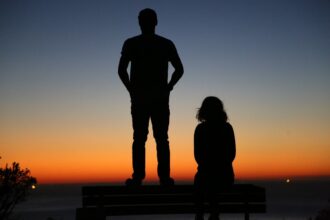
You find yourself standing at the threshold. It’s not a physical door, not necessarily. It might be the quiet hum of a forest, the hushed reverence of an ancient library, or the stillness that settles after a shared, profound conversation. Wherever you are, you sense a permeability, a loosening of the usual distinctions between yourself and the world around you. You are exploring spiritual spaces, and in doing so, you are encountering the porous boundaries that define them. This exploration isn’t about grand pronouncements or fervent evangelizing; it’s a more nuanced, often subtle, engagement with places and experiences that invite you to look beyond the everyday, to question the solidity of the self, and to discover the interconnectedness that underlies it all.
You might ask yourself, what constitutes a “spiritual space”? It’s a term that can feel both vast and incredibly personal. It’s not limited to consecrated grounds or places of formal worship, though these certainly qualify. Rather, it’s about the intention with which you approach a place, and the openness you bring to it.
Beyond the Denominational
Your journey doesn’t require adherence to any particular doctrine. You can find spiritual resonance in the geometric precision of a mosque, the intricate symbolism of a Buddhist temple, the soaring architecture of a cathedral, or the unadorned simplicity of a Quaker meeting house. It’s the intention behind their creation and your receptivity to their atmosphere that matters.
The Sacred in the Secular
Even seemingly secular environments can become spiritual havens. A well-tended garden can feel like a sanctuary, a place where the cycles of nature offer quiet contemplation. A mountain peak, stripped bare of human artifice, can evoke a profound sense of awe and perspective. Even a bustling city park, during a moment of unexpected quiet, can offer a glimpse into a deeper reality. It’s about finding the sacred in the ordinary, recognizing that spirituality isn’t confined to designated areas.
Embodied Experience
Spiritual spaces often engage your senses in a deliberate way. The scent of incense, the quality of light, the subtle acoustics, the textures of materials – all of these contribute to the overall atmosphere and can shape your internal state. You are not just observing; you are immersing yourself, allowing the environment to work upon you.
In exploring the concept of spiritual spaces and porous boundaries, one can find valuable insights in the article available at Unplugged Psych. This resource delves into the intricate relationship between our inner spiritual landscapes and the external world, highlighting how porous boundaries can facilitate deeper connections and understanding. By examining the dynamics of these spaces, readers can gain a greater appreciation for the ways in which spirituality influences personal growth and interpersonal relationships.
Navigating Porous Boundaries
The concept of porous boundaries is central to this exploration. It suggests that the edges of your individual self are not as rigid or as definitive as you might ordinarily believe. In spiritual spaces, these boundaries can become more fluid, allowing for a different kind of experience.
The Dissolution of Self
When you feel fully present in a spiritual space, you might experience a lessening of self-consciousness. The constant internal monologue, the anxieties about what others think, can recede. This doesn’t mean you cease to exist, but rather that your sense of self expands, merging with the environment or the collective energy of others present. You become less of an isolated observer and more of a participant.
Interconnectedness and Empathy
As your personal boundaries soften, you become more attuned to the experiences of others, and indeed, to the broader web of existence. You might feel a surge of empathy for strangers or a deeper connection to the natural world. This isn’t about forced sentimentality, but a genuine recognition of shared being. The suffering of one can, in these moments, feel like your own, and the joy of another can lift you.
The Transcendent and the Immanent
Spiritual spaces often invite you to contemplate the transcendent – that which lies beyond the ordinary and the material. Yet, they also emphasize the immanent – the divine or the sacred that is present within the world. You begin to see that these are not contradictory, but rather two sides of the same coin. The universal can be found in the particular, and the profound can be experienced in the everyday.
Rituals and Practices That Soften Boundaries
Spiritual traditions have long understood the power of ritual and practice in shaping our experience and in fostering a sense of interconnectedness. These are not mere rote actions but carefully designed engagements that can guide you toward a state of greater awareness and openness.
Mindful Engagement
Whether it’s a formal meditation practice, a moment of silent reflection, or simply the act of consciously observing your breath, mindfulness is a powerful tool. It pulls you into the present moment, away from the anxieties of the past and the uncertainties of the future. By focusing on your sensory experience and your internal state, you can begin to notice the subtle shifts in your perception and the loosening of your internal boundaries.
The Power of Shared Experience
Gathering with others in a spiritual context can magnify the experience. Chanting, communal prayer, or simply sharing a meal in a spirit of fellowship creates a collective energy. This shared intention can break down individual isolation and foster a sense of belonging. You are not alone in your seeking; you are part of a larger, evolving human experience.
Contemplation and Stillness
Deliberately seeking moments of stillness allows you to bypass the usual distractions of modern life. Sitting in silence, walking in nature without a specific destination, or engaging in a contemplative art form can create the space for deeper insights to emerge. It’s in these quiet intervals that you can begin to hear the subtler whispers of your own being and the world around you.
Exploring Specific Spiritual Spaces
Your exploration can take many forms, and you’ll find yourself drawn to different environments based on your own needs and inclinations. Each type of space offers unique opportunities for encountering porous boundaries.
Sacred Architecture and Design
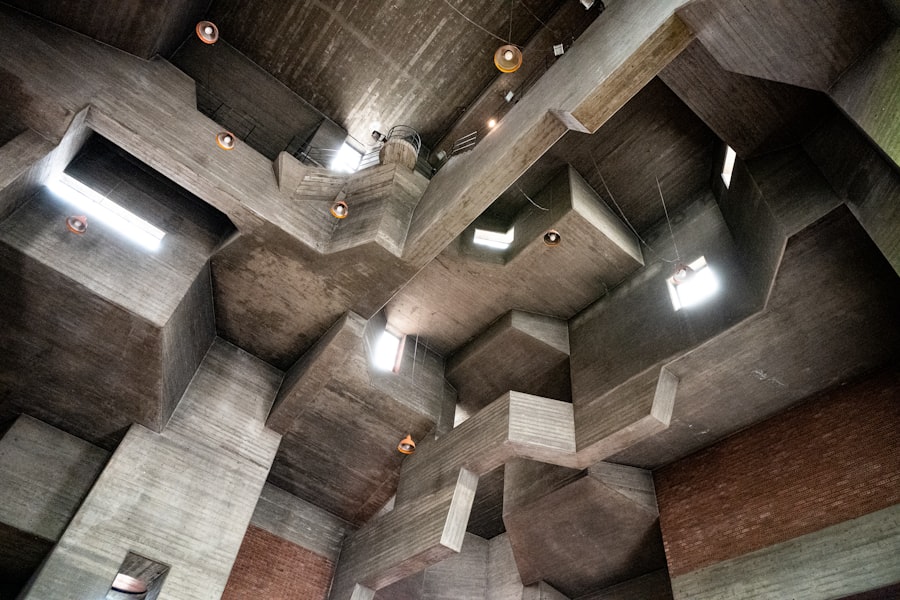
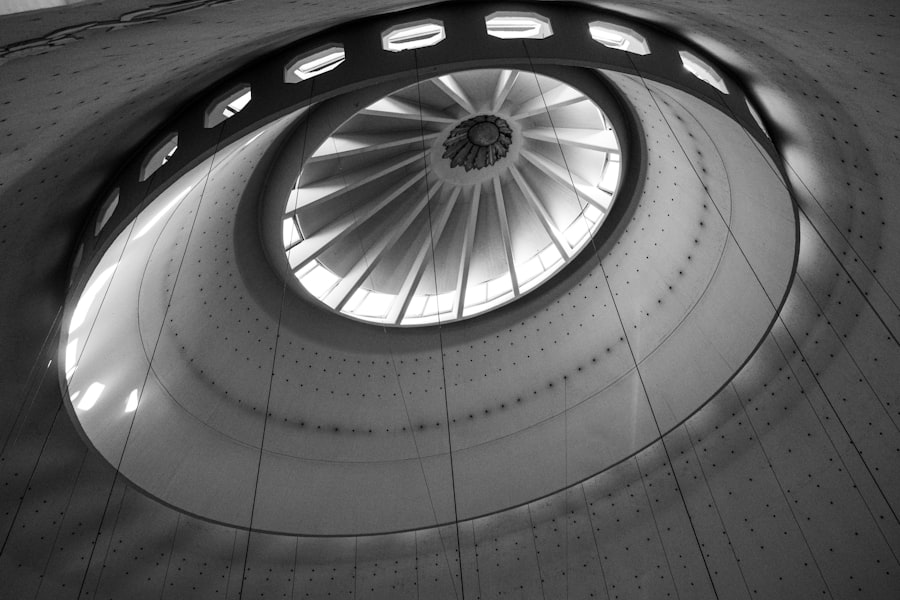
You’ve likely experienced the pull of a grand cathedral or the calming effect of a minimalist chapel. These structures are not accidental. They are imbued with intention, designed to evoke specific emotional and spiritual responses. The height of a nave draws your gaze upward, prompting thoughts of transcendence. The quietude of a monastic cell encourages introspection.
The Symbolism of Light and Shadow
Consider the way light is used in spiritual spaces. In some traditions, it represents divine presence or enlightenment. The interplay of sunlight filtering through stained glass, the soft glow of candles, or the deep shadows can create a palpable atmosphere that speaks to you on a non-verbal level.
Acoustics and Sound
The soundscape of a spiritual place is often as important as its visual elements. The echo within a cavernous hall can amplify prayers and chants, creating a resonant, shared experience. The stillness of a Zen garden, broken only by the whisper of wind, can be incredibly profound. These sonic qualities can influence your inner state, fostering focus or a sense of peace.
Natural Sanctuaries
You don’t need walls and roofs to find spiritual space. The natural world is perhaps the most ancient and universal of spiritual realms.
Forests and Woodlands
Walking amongst trees can feel like entering a cathedral of green. The dappled light, the scent of pine and damp earth, the quiet rustling of leaves – all these elements can induce a sense of profound calm. You might feel yourself merging with the ancient wisdom of the forest, its slow, persistent growth offering a counterpoint to the frantic pace of human life.
Mountains and Vast Landscapes
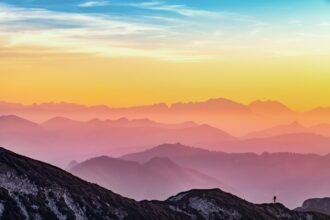
Standing on a mountaintop, with the world spread out below you, can be a humbling experience. The sheer scale of the landscape can put your own concerns into perspective. The vastness can evoke a sense of awe and a recognition of your small place within a much larger cosmos. It’s here that your individual boundaries can seem to dissolve into the immensity.
Water Bodies: Oceans, Lakes, and Rivers
Water, in its various forms, often carries deep spiritual significance. The rhythmic crashing of waves on a shore can be meditative. The stillness of a lake can reflect the sky, inviting contemplation. A flowing river symbolizes the passage of time and the continuity of life. You may find yourself drawn to the cleansing and transformative qualities of water.
Places of Collective Memory and Devotion
These are the spaces where human devotion and collective experience have left an indelible mark.
Temples, Churches, and Mosques
While we’ve touched on these, their enduring power deserves further notice. These are not just buildings; they are repositories of centuries of prayer, meditation, and aspiration. Even if you don’t share the specific faith, you can often feel the palpable energy of devotion that has accumulated over time. The air itself can feel charged with a spiritual residue.
Shrines and Sacred Sites
From small roadside shrines to ancient pilgrimage destinations, these places hold a powerful allure. They are often associated with specific figures, events, or energies. Visiting these sites can connect you to a history of human belief and practice, offering you a sense of continuity and shared humanity.
In exploring the concept of spiritual spaces and porous boundaries, one can gain valuable insights from a related article that delves into the intricate relationship between our inner and outer worlds. This piece emphasizes how our environments can shape our spiritual experiences, allowing for a deeper connection to ourselves and others. For a more comprehensive understanding, you can read the article here, which offers a thoughtful examination of how these dynamics play out in everyday life.
The Ethical Dimension of Spiritual Exploration
| Location | Number of spiritual spaces | Number of porous boundaries |
|---|---|---|
| City A | 15 | 8 |
| City B | 20 | 12 |
| City C | 10 | 5 |
As you venture into these spaces and experience the softening of your boundaries, it’s important to approach these experiences with a degree of ethical awareness. This is not a passive observation; it’s an engagement that has implications.
Respect and Humility
When you enter any spiritual space, whether it’s a formal place of worship or a natural sanctuary, approaching it with respect is paramount. This means observing local customs, being mindful of noise levels, and refraining from actions that could be disruptive or disrespectful to others who hold the space sacred. Humility is key – recognizing that you are a visitor, and your primary role is to observe and learn, not to impose your own agenda.
Non-Attachment and Discernment
As you encounter powerful spiritual experiences, it’s easy to become attached to the feeling of transcendence or the sense of unity. However, true spiritual growth often involves understanding that these states are transient. Cultivating non-attachment allows you to appreciate these moments without clinging to them, and to engage with everyday life with renewed perspective. Discernment is important in distinguishing between genuine spiritual insights and the projections of your own ego or desires. Not every intense feeling is a revelation; sometimes, it’s simply amplified emotion.
Practical Application and Integration
The most profound aspect of exploring spiritual spaces is not just the experience itself, but how you integrate it into your life. What lessons do you carry back with you? How do the insights gained in those quiet moments inform your interactions with others, your decisions, and your overall way of being in the world? The goal isn’t to escape reality, but to engage with it more fully, with greater compassion and understanding. Your exploration of spiritual spaces is an ongoing process, a continuous unfolding of awareness that invites you to live more consciously and connectedly, recognizing the inherent porosity and beauty of existence.
FAQs
What are spiritual spaces?
Spiritual spaces are physical locations or environments that are considered sacred or imbued with spiritual significance. These spaces can include churches, temples, mosques, natural landscapes, and other places where individuals feel a strong connection to the divine or a higher power.
What are porous boundaries in the context of spiritual spaces?
Porous boundaries refer to the idea that spiritual spaces are not always confined to specific physical locations. Instead, they can extend beyond their physical boundaries and have a permeable or fluid nature. This means that individuals may experience spiritual connections and experiences outside of traditional sacred spaces.
How do porous boundaries impact spiritual experiences?
Porous boundaries can impact spiritual experiences by allowing individuals to connect with the divine or experience spiritual moments in unexpected or unconventional settings. This can lead to a more inclusive and expansive understanding of spirituality, as it is not limited to specific physical spaces.
What are some examples of spiritual spaces with porous boundaries?
Examples of spiritual spaces with porous boundaries include meditation gardens, outdoor labyrinths, sacred natural sites, and even personal or private spaces that individuals have designated as sacred. These spaces may allow for a more fluid and open connection to the spiritual realm.
How can individuals create their own spiritual spaces with porous boundaries?
Individuals can create their own spiritual spaces with porous boundaries by intentionally designating a specific area as sacred, incorporating elements of nature, such as plants or water features, and engaging in practices such as meditation, prayer, or reflection within that space. This can help individuals cultivate a sense of spiritual connection and openness in their everyday lives.