
Meditation anesthesia represents the integration of traditional meditation practices with contemporary medical pain management approaches. This technique utilizes meditation methods to control pain and reduce anxiety during medical procedures. Research indicates that meditation anesthesia can function as either an alternative to or supplement for conventional anesthetic methods.
The practice operates by engaging cognitive mechanisms that may decrease reliance on pharmaceutical pain management during surgical interventions and medical treatments. Meditation anesthesia extends beyond simple relaxation techniques. The approach incorporates various methodologies specifically designed to modify pain perception and improve patient outcomes during medical procedures.
These techniques activate neurological pathways that promote states of focused attention and reduced stress response, which can measurably affect both physiological and psychological responses to medical interventions. Clinical applications of meditation anesthesia require understanding of how cognitive states influence sensory processing and pain perception mechanisms.
Key Takeaways
- Meditation anesthesia uses focused mental techniques to reduce pain and anxiety during medical procedures.
- Scientific studies show meditation can alter brain activity and pain perception, supporting its anesthetic effects.
- Different meditation methods, such as mindfulness and guided imagery, can be tailored for anesthesia purposes.
- Integrating meditation anesthesia in healthcare may reduce reliance on drugs and improve patient outcomes.
- While beneficial, meditation anesthesia has limitations and may not fully replace traditional anesthesia in all cases.
The Science Behind Meditation Anesthesia
The scientific foundation of meditation anesthesia is rooted in the understanding of how the brain processes pain and stress. Research has shown that meditation can lead to changes in brain activity, particularly in areas associated with pain perception and emotional regulation. When you meditate, you activate regions of the brain that promote relaxation and decrease the perception of pain.
This neurobiological response is what makes meditation a powerful tool in managing discomfort during medical procedures. Moreover, studies have indicated that meditation can lower levels of stress hormones, such as cortisol, which can exacerbate feelings of pain and anxiety. By practicing meditation regularly, you may find that your body becomes more resilient to stressors, allowing you to approach medical situations with a greater sense of calm.
The science behind meditation anesthesia highlights the intricate connection between mind and body, emphasizing that your mental state can significantly influence your physical experience.
How Meditation Anesthesia Works in the Body

When you engage in meditation anesthesia, several physiological changes occur within your body. As you enter a meditative state, your heart rate may slow down, and your breathing becomes more regulated. This shift in your body’s response can lead to a decrease in muscle tension and an overall sense of relaxation.
You might notice that as you focus on your breath or a specific mantra, your body begins to release endorphins—natural pain-relieving chemicals that can help mitigate discomfort. Additionally, meditation can enhance your awareness of bodily sensations, allowing you to observe pain without becoming overwhelmed by it. This mindful observation can create a sense of distance from the pain, making it feel less intense.
By training yourself to respond to pain with acceptance rather than resistance, you may find that your experience during medical procedures becomes more manageable. Understanding how meditation anesthesia works in the body empowers you to take an active role in your health and well-being.
Benefits of Using Meditation Anesthesia
The benefits of incorporating meditation anesthesia into your healthcare routine are numerous and varied. One of the most significant advantages is the potential reduction in reliance on pharmaceutical medications. By utilizing meditation techniques, you may be able to minimize the side effects associated with traditional anesthesia, such as nausea or grogginess.
This can lead to a smoother recovery process and a more positive overall experience during medical interventions. Furthermore, meditation anesthesia can enhance your emotional resilience. As you practice mindfulness and develop a greater awareness of your thoughts and feelings, you may find it easier to cope with anxiety related to medical procedures.
This emotional fortitude can extend beyond the immediate context of healthcare, positively impacting other areas of your life as well. The holistic benefits of meditation anesthesia make it an appealing option for those seeking a more integrative approach to health.
Exploring Different Meditation Techniques for Anesthesia
| Metric | Meditation Anesthesia | Medicine Anesthesia |
|---|---|---|
| Onset Time | 10-20 minutes | Immediate to 5 minutes |
| Duration | Varies (30 minutes to several hours) | 30 minutes to several hours (depending on drug) |
| Effectiveness in Pain Reduction | Moderate to High (depends on practitioner skill) | High (clinically proven) |
| Side Effects | Minimal to None | Nausea, dizziness, allergic reactions, respiratory issues |
| Cost | Low (mostly time and training) | Variable (medication and hospital fees) |
| Patient Control | High (self-regulated) | Low (administered by medical professional) |
| Use Cases | Minor procedures, dental work, stress reduction | Major surgeries, invasive procedures |
| Training Required | Extensive meditation practice | Medical training and certification |
There are various meditation techniques that you can explore to find what resonates best with you in the context of anesthesia. Mindfulness meditation is one popular approach that encourages you to focus on the present moment without judgment. By cultivating this awareness, you can learn to observe sensations without becoming attached to them, which can be particularly helpful during medical procedures.
Another technique worth considering is guided imagery, where you visualize calming scenes or experiences while focusing on your breath. This method can transport you mentally away from the clinical environment, creating a sense of peace and tranquility. You might also explore loving-kindness meditation, which involves sending positive thoughts and feelings toward yourself and others.
This practice can foster a sense of connection and compassion, further enhancing your emotional well-being during challenging times.
Integrating Meditation Anesthesia into Medical Practice
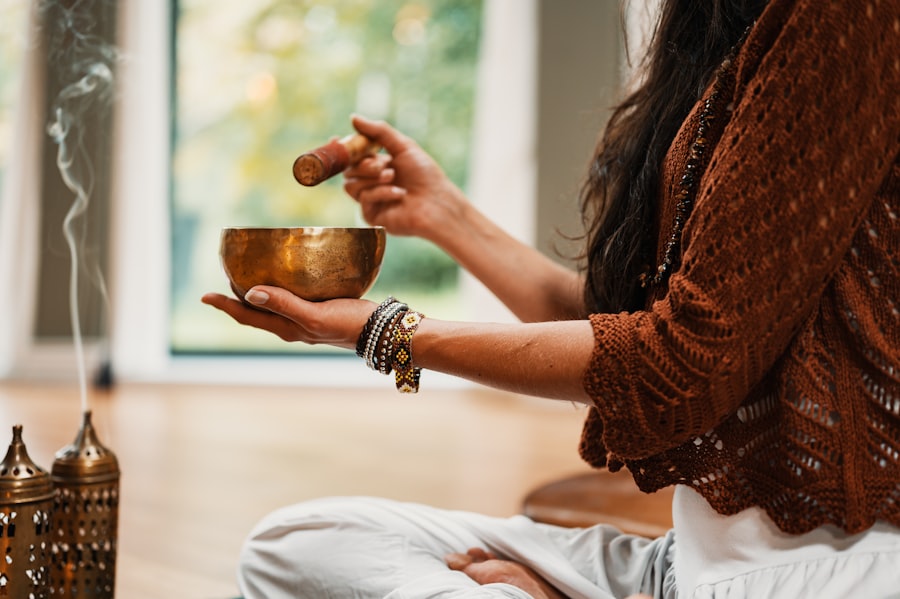
As healthcare professionals increasingly recognize the value of holistic approaches, integrating meditation anesthesia into medical practice is becoming more common. You may find that some hospitals and clinics offer programs that teach patients how to use meditation techniques before and during procedures. This integration not only empowers patients but also provides healthcare providers with additional tools to enhance patient care.
Incorporating meditation anesthesia into medical practice requires collaboration between practitioners and patients. You might be encouraged to communicate openly with your healthcare team about your interest in using meditation as part of your treatment plan. By working together, you can create a personalized approach that addresses both your physical and emotional needs during medical interventions.
The Role of Mindfulness in Meditation Anesthesia
Mindfulness plays a crucial role in the effectiveness of meditation anesthesia. By cultivating mindfulness, you learn to be present with your thoughts and feelings without judgment or resistance. This practice allows you to observe pain or discomfort as it arises without becoming overwhelmed by it.
When faced with medical procedures, mindfulness can help you maintain a sense of calm and clarity amidst potential stressors. In addition to managing pain, mindfulness fosters a deeper connection between your mind and body. As you become more attuned to your physical sensations, you may develop greater awareness of how stress and anxiety manifest within you.
This heightened awareness enables you to respond more effectively to discomfort, transforming your experience during medical interventions into one that is more manageable and less daunting.
Potential Drawbacks and Limitations of Meditation Anesthesia
While meditation anesthesia offers numerous benefits, it is essential to acknowledge its potential drawbacks and limitations.
Some individuals may find it challenging to quiet their minds or focus during high-stress situations, which could limit the effectiveness of this approach in managing pain or anxiety.
Additionally, there may be instances where traditional anesthesia is necessary for specific medical procedures due to their complexity or invasiveness. In such cases, relying solely on meditation anesthesia could pose risks if pain management is inadequate. It is crucial for you to have open discussions with your healthcare provider about the best approach for your unique situation, ensuring that all options are considered for optimal care.
Personal Stories and Experiences with Meditation Anesthesia
Hearing personal stories about meditation anesthesia can provide valuable insights into its effectiveness and impact on individuals’ lives. Many people have shared transformative experiences where they successfully used meditation techniques during surgeries or dental procedures. These accounts often highlight how mindfulness helped them manage anxiety and pain, leading to a more positive overall experience.
You might find inspiration in stories where individuals overcame their fears surrounding medical interventions through meditation practices.
By learning from others’ experiences, you may feel encouraged to explore meditation anesthesia as a viable option for managing discomfort in your own life.
Research and Studies on the Effectiveness of Meditation Anesthesia
The growing body of research surrounding meditation anesthesia underscores its potential effectiveness in various medical contexts. Numerous studies have demonstrated that patients who engage in mindfulness practices before and during procedures report lower levels of pain and anxiety compared to those who do not utilize these techniques. These findings suggest that incorporating meditation into healthcare settings can lead to improved patient outcomes.
Moreover, research has shown that patients who practice meditation regularly often experience enhanced emotional well-being and resilience when faced with medical challenges. As more studies continue to emerge, the evidence supporting the integration of meditation anesthesia into standard medical practice becomes increasingly compelling. You may find comfort in knowing that scientific validation exists for this holistic approach to pain management.
Tips for Incorporating Meditation Anesthesia into Your Health and Wellness Routine
If you’re interested in incorporating meditation anesthesia into your health and wellness routine, there are several practical tips to consider. First, start by establishing a regular meditation practice at home. Set aside dedicated time each day to engage in mindfulness or other techniques that resonate with you.
Consistency is key; over time, you’ll likely find it easier to access a meditative state when faced with stressors. Additionally, consider seeking out resources such as guided meditations or classes focused on mindfulness for pain management. Many apps and online platforms offer valuable tools for beginners looking to explore this practice further.
Finally, don’t hesitate to communicate with your healthcare provider about your interest in using meditation as part of your treatment plan; they may have additional insights or recommendations tailored specifically for you. In conclusion, embracing meditation anesthesia offers a unique opportunity for individuals seeking alternative methods for managing pain and anxiety during medical procedures. By understanding its principles, exploring various techniques, and integrating mindfulness into your routine, you can empower yourself on your health journey while fostering a deeper connection between mind and body.
Recent discussions in the field of pain management have highlighted the intriguing comparison between meditation as a form of anesthesia and traditional medicinal approaches. An insightful article on this topic can be found on Unplugged Psych, which explores the potential benefits and limitations of using meditation techniques in clinical settings. For more information, you can read the article here: Unplugged Psych.
FAQs
What is meditation anesthesia?
Meditation anesthesia refers to the use of deep meditation techniques to achieve a state of pain relief or altered consciousness, potentially reducing the need for conventional anesthetic drugs during medical procedures.
How does meditation anesthesia differ from traditional medicine anesthesia?
Traditional medicine anesthesia typically involves the administration of drugs to induce unconsciousness, sedation, or pain relief. Meditation anesthesia relies on mental focus, breathing, and relaxation techniques to manage pain and awareness without pharmacological intervention.
Is meditation anesthesia effective for all types of surgeries?
Meditation anesthesia is generally more effective for minor or less invasive procedures. It may not be suitable for major surgeries that require complete unconsciousness or muscle relaxation, where traditional anesthesia is necessary.
Can anyone learn meditation anesthesia techniques?
While many people can learn meditation techniques, achieving the level of control required for meditation anesthesia often requires extensive training and practice, sometimes under the guidance of experienced instructors.
Are there any risks associated with meditation anesthesia?
Meditation anesthesia itself is non-invasive and generally safe. However, relying solely on meditation for pain management during surgery without proper medical supervision can be risky, especially for complex procedures.
What are the benefits of using meditation anesthesia over traditional anesthesia?
Benefits may include reduced exposure to drugs and their side effects, faster recovery times, and increased patient control over pain and anxiety. It may also be beneficial for patients with allergies or sensitivities to anesthetic medications.
Is meditation anesthesia widely accepted in the medical community?
Meditation anesthesia is not yet widely accepted as a replacement for traditional anesthesia but is increasingly recognized as a complementary approach to pain management and anxiety reduction in some medical settings.
How is meditation anesthesia practiced during a medical procedure?
Patients typically engage in guided meditation, focusing on breathing and mental imagery to enter a deeply relaxed state. This mental state can help reduce the perception of pain and anxiety during the procedure.
Can meditation anesthesia be combined with traditional anesthesia?
Yes, meditation techniques can be used alongside traditional anesthesia to enhance pain control, reduce anxiety, and potentially lower the required dosage of anesthetic drugs.
Where can I learn more about meditation anesthesia?
Information can be found through medical research articles, specialized training programs in mind-body medicine, and consultations with healthcare providers experienced in integrative or complementary therapies.