
Your world of immediate focus, the sharp, crisp theatre of your direct gaze, is undeniably critical. It’s where you identify threats, process instructions, and navigate the intricacies of your immediate environment. However, to truly expand your safety, to build a more robust shield around your interactions with the world, you must learn to harness the power of your peripheral vision. This underutilized sensory field acts as an early warning system, a silent sentinel that can anticipate danger, alert you to subtle shifts, and ultimately, make you a more aware and secure individual.
Your vision is not a single, unified spotlight. Instead, it’s a composite of different zones, each with its own capabilities and limitations. Your central vision, also known as foveal vision, is responsible for sharp, detailed perception. It’s like the high-resolution camera on your phone, capturing every minute detail for precise analysis. This is where you read text, recognize faces, and perform tasks requiring fine motor control.
The Anatomy of Sight: Retina and its Receptors
The retina, the light-sensitive tissue at the back of your eye, houses photoreceptor cells: rods and cones. Cones are concentrated in the fovea and are responsible for color vision and sharp detail in bright light. Rods, on the other hand, are more numerous and are distributed throughout the peripheral regions of the retina.
Rods: The Night Watchmen
Rods are far more sensitive to light than cones, making them crucial for vision in low-light conditions. While they don’t perceive color in the same way cones do, their sensitivity to movement and changes in light intensity is precisely what makes them the workhorses of your peripheral vision. They are like the motion detectors in your home security system, triggering an alert when anything moves within their range.
Cones: The Detail Seekers
Cones, while less prevalent in the periphery, still contribute to your overall visual field, albeit with less acuity. They can detect color and some level of detail even outside your direct gaze, providing a broader, though less defined, color saturation to your surrounding environment.
The Field of View: A 360-Degree Landscape
Your horizontal field of view, encompassing both eyes, typically extends to about 180 degrees, and in some individuals, even a bit more. This is the vast expanse of information your brain is constantly processing, whether you consciously attend to it or not.
Monocular vs. Binocular Vision
The monocular field of view for each eye overlaps significantly. This overlap creates binocular vision, which enhances depth perception and provides a more unified visual experience. Your peripheral vision, however, extends beyond this binocular overlap, reaching into areas perceived by only one eye, offering a wider, though necessarily less precise, sweep of your surroundings.
In today’s fast-paced world, enhancing our awareness of surroundings is crucial for personal safety, and one effective method is utilizing peripheral vision. A related article that delves into this topic is available at Unplugged Psychology, where you can learn techniques to train your peripheral vision and expand your field of safety. By understanding how to effectively use this natural ability, individuals can better detect potential threats and navigate their environments with greater confidence.
The Practical Applications of Peripheral Vision in Safety
The implications of understanding and consciously utilizing your peripheral vision for safety are far-reaching. It’s not just about avoiding physical harm; it’s also about navigating social situations, maintaining situational awareness in various environments, and developing a more proactive approach to personal security.
Enhancing Situational Awareness: The Sixth Sense
Situational awareness is the perception of environmental elements and events with respect to time or space, the comprehension of their meaning, and the projection of their future status. Your peripheral vision is a foundational component of this crucial skill.
Detecting Anomalies in Your Surroundings
Imagine walking down a street. Your central vision is focused on the pavement, your phone, or the shop fronts. Your peripheral vision, however, is constantly scanning. It can pick up the subtle shift in a shadow that might indicate someone lurking, the rapid movement of an approaching vehicle before it enters your direct line of sight, or the unusual stillness of a crowd. These are the dissonant notes in the symphony of your normal environment, and your periphery is often the first to hear them.
Recognizing Potentially Threatening Body Language
In social interactions, your peripheral vision can offer valuable clues. While you are engaged in direct conversation, your periphery might register the nervous fidgeting of someone standing too close, the tense posture of an individual observing your group, or the furtive glances directed your way. These non-verbal cues, often missed when your attention is solely focused on the speaker, can provide early warnings of discomfort or potential escalation.
Preventing Accidents: The Unseen Obstacles
Many accidents, from minor trips and falls to more serious collisions, occur because vital information is missed. Your peripheral vision can be your greatest ally in preventing these mishaps.
Navigating Crowded or Dynamic Environments
Picture yourself in a bustling market or a busy train station. Your central vision is occupied with the path directly in front of you and perhaps the faces of those immediately around you. Your peripheral vision, however, can detect the sudden surge of a crowd, the child running off towards a busy pathway, or the misplaced object that could cause someone to stumble. It’s like having extra eyes scanning for hazards that your primary focus might overlook.
Operating Machinery or Driving Vehicles
When driving, your peripheral vision is absolutely essential. It allows you to monitor the movement of cars in adjacent lanes, observe cyclists or pedestrians on the side of the road, and be aware of traffic signals and road signs beyond your immediate focus. Similarly, when operating machinery, peripheral vision helps you track the movement of other workers, identify unexpected obstructions, and maintain awareness of your surroundings to prevent collisions or entanglement.
Training Your Peripheral Vision: Sharpening the Edges
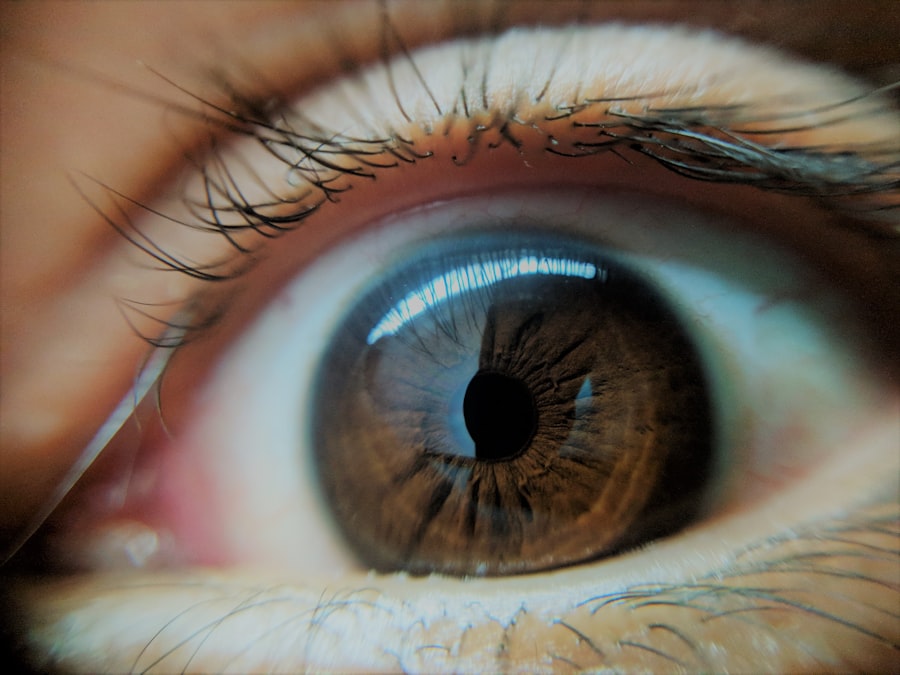
Just as you can train your physical muscles for strength and endurance, you can also train your visual system to become more adept at utilizing your peripheral vision. While it’s an innate ability, conscious effort can enhance its effectiveness.
Active Scanning Techniques: Beyond Passive Observation
Passive observation is when your peripheral vision simply receives information without you consciously directing your attention to it. Active scanning involves deliberately engaging your peripheral field.
The “Ghosting” Technique
This technique involves consciously reminding yourself to glance into your peripheral field at regular intervals. It’s like deliberately checking your blind spots on a regular basis, even when you don’t suspect anything is there. Make it a habit to shift your gaze slightly and scan the edges of your visual field, noting anything that appears unusual or out of place.
Focusing on Movement and Change
Your peripheral vision excels at detecting motion. Train yourself to consciously look for movement in your periphery. This can be as simple as observing the rustling of leaves in a park or the movement of people on a distant sidewalk. The quicker you can register and interpret these movements, the more effective your early warning system will be.
Practicing in Diverse Environments: Broadening the Scope
Consistency is key to developing any skill. Exposing your peripheral vision to a variety of situations will help it become more sensitive and responsive.
Urban vs. Natural Settings
In urban environments, your periphery will encounter a higher density of objects, people, and potential hazards. In natural settings, you might be looking for subtler changes in terrain, the movement of wildlife, or shifts in weather patterns. Each environment provides unique training opportunities.
Familiar vs. Unfamiliar Locations
When you are in a familiar environment, your brain has a baseline understanding of what to expect, making deviations more noticeable. In unfamiliar locations, however, you need to be more diligent as your internal “rulebook” is less established. Practicing in both familiar and unfamiliar places helps your peripheral vision adapt and remain vigilant.
The Psychological Benefits: A Calmer, More Confident You

Beyond the tangible safety benefits, consciously expanding your reliance on peripheral vision can have significant psychological advantages. It can contribute to a sense of control, reduce anxiety, and foster a more confident demeanor.
Reducing Anxiety and Fear: Proactive Preparedness
When you feel a greater sense of awareness and preparedness, your anxiety levels tend to decrease. Knowing that you are actively scanning your environment and are less likely to be caught off guard can be incredibly empowering. It’s like having a map of a potentially dangerous area; the knowledge of the terrain reduces the fear of the unknown.
The Illusion of Control
While you cannot control all external events, investing in your situational awareness provides a powerful degree of perceived control. This perception is crucial for mental well-being. Instead of feeling like a passive recipient of circumstances, you become an active participant, making informed decisions based on a broader understanding of your surroundings.
Fostering Confidence and Assertiveness: The Aware Individual
Individuals who demonstrate strong situational awareness often project an aura of confidence. This confidence can be a deterrent to those with ill intentions, as it signals that you are observant and therefore a less appealing target.
Non-Verbal Communication of Security
Your posture, your gaze, and your overall demeanor communicate a great deal to those around you. By actively engaging your peripheral vision, you are likely to hold your head higher, make more sweeping eye movements, and generally appear more alert, all of which contribute to the perception of your security and confidence.
Understanding how to effectively use peripheral vision can significantly enhance your field of safety, especially in situations that require heightened awareness. By training yourself to notice movements and changes in your surroundings without directly focusing on them, you can react more swiftly to potential dangers. For further insights on this topic, you might find it helpful to explore a related article that delves into techniques for improving your awareness and safety in various environments. You can read more about it here.
The Future of Safety: Integrating Peripheral Awareness
| Metric | Description | Example/Value | Tips to Improve |
|---|---|---|---|
| Peripheral Vision Angle | The total horizontal field of view using peripheral vision | Approximately 180 degrees | Practice focusing on a central point while noticing movement or objects at the edges |
| Reaction Time Using Peripheral Vision | Time taken to respond to stimuli detected in peripheral vision | Typically 0.2 to 0.3 seconds | Engage in exercises like tracking moving objects without shifting gaze |
| Detection Distance | Distance at which peripheral vision can detect motion or objects | Up to 50 feet for large moving objects | Train by scanning environments and noting distant movements without direct focus |
| Field of Safety Widening | Increase in awareness area by using peripheral vision effectively | Up to 30% wider awareness compared to central vision alone | Use drills that encourage awareness of surroundings without direct eye movement |
| Eye Movement Reduction | Decrease in unnecessary eye shifts by relying on peripheral vision | Reduction by 40% in eye saccades during scanning | Practice soft gaze and avoid fixating on single points for too long |
As technology continues to advance, the concept of peripheral awareness is being integrated into various safety systems. Understanding and cultivating your own natural abilities will allow you to better leverage these future advancements.
Technological Augmentation: Enhancing Your Senses
Modern technology is beginning to mimic and augment our natural sensory capabilities. From advanced driver-assistance systems to augmented reality displays, the goal is often to present information in a way that complements, rather than overwhelms, our existing perception.
Driver-Assistance Systems
Features like blind-spot monitoring and lane-keeping assist in vehicles are direct technological applications of enhancing peripheral awareness. These systems alert drivers to potential hazards in their blind spots, effectively extending their visual radar.
Augmented Reality and Heads-Up Displays
AR and HUDs are designed to overlay crucial information onto your direct view of the world. This can include navigation cues, hazard warnings, or vital data, all presented in a way that aims to be perceptible without demanding complete diversion of your central focus.
The Importance of Human Vigilance: Technology as a Tool, Not a Crutch
While technology can be a powerful aid, it is essential to remember that human vigilance and judgment remain paramount. Your own developed peripheral awareness is the foundation upon which these technologies build. It’s the bedrock of your safety, and technology is merely a helpful scaffolding.
The Limitations of Automation
Automated systems can fail, experience glitches, or be unable to interpret complex or novel situations. Your own senses, honed through practice, can often compensate for these limitations. Reliance solely on technology can lead to complacency and a reduced capacity for independent threat assessment.
Cultivating a Mindful Approach to Safety
Ultimately, expanding your safety with peripheral vision is about cultivating a mindful approach to your interactions with the world. It’s about being present, observant, and proactive. By consciously engaging this often-neglected sensory capacity, you are not just improving your immediate safety; you are fundamentally enhancing your engagement with and understanding of the world around you, transforming yourself into a more aware, secure, and confident individual.
FAQs
What is peripheral vision?
Peripheral vision refers to the part of vision that occurs outside the very center of gaze. It allows you to see objects and movement to the sides without directly looking at them, helping you detect potential hazards or changes in your environment.
Why is peripheral vision important for safety?
Peripheral vision helps widen your field of awareness, enabling you to notice dangers or obstacles that are not directly in front of you. This expanded awareness is crucial for activities like driving, walking in busy areas, or operating machinery, where quick reactions to side events can prevent accidents.
How can I improve my peripheral vision?
You can improve peripheral vision through exercises such as focusing on a central point while being aware of objects or movements in your side vision, practicing eye movement drills, and engaging in activities that require broad visual attention. Regular practice can enhance your ability to detect peripheral stimuli.
What techniques help use peripheral vision effectively for safety?
Techniques include consciously scanning your environment without moving your head, maintaining a relaxed gaze to avoid tunnel vision, and training yourself to notice subtle movements or changes in light in your peripheral field. Combining these with good posture and situational awareness maximizes safety.
Can peripheral vision be affected by health conditions?
Yes, certain health conditions such as glaucoma, retinal diseases, or neurological disorders can reduce peripheral vision. If you notice a decrease in your side vision or experience blind spots, it is important to consult an eye care professional for evaluation and management.